
Soups & Stews
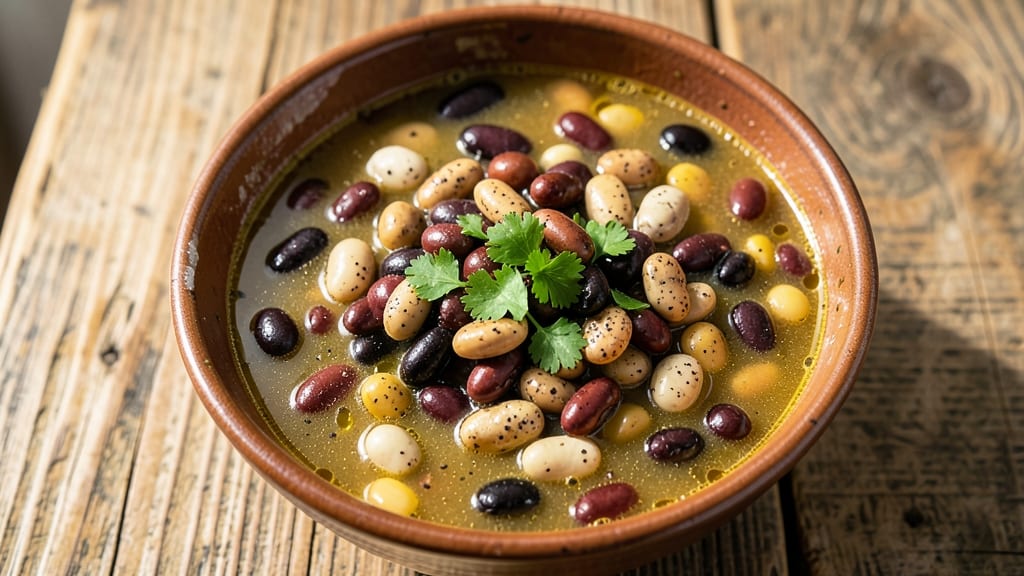
This 7 bean soup mix recipe transforms pantry staples into a hearty, protein-packed foundation for soups that simmer with deep, earthy flavor.
The carefully balanced blend of navy beans, kidney beans, pinto beans, black beans, lima beans, great northern beans, and chickpeas delivers textural variety and nutritional richness in every spoonful.
No special equipment or techniques are needed—just combine, store, and simmer when ready to create a soup that feels both comforting and sophisticated.
The beauty of this mix lies in its versatility—use it as a base for classic vegetable soups, hearty chili, or even as a protein boost in salads.
Each bean contributes unique qualities: navy beans add creamy texture, kidney beans bring bold earthiness, and chickpeas introduce nutty depth. The mix is vegetarian-friendly and designed to soak efficiently, reducing preparation time while maximizing flavor development during cooking.
Perfect for meal preppers, bulk cooks, or anyone who loves the satisfaction of building soups from scratch, this blend ensures consistent results every time. Store the dry mix in an airtight container for up to 6 months, or freeze for even longer shelf life.
When ready to cook, simply soak the beans overnight (or use a pressure cooker for a 30-minute shortcut), then simmer with your choice of broth, vegetables, and seasonings.
This mix is your secret weapon for restaurant-quality soups without the fuss. Whether you're feeding a family or stocking your pantry for winter, the combination of these seven beans creates a flavorful, satisfying base that adapts to any recipe.
Let's get started with the ingredients that will transform your soup game.
Ingredients for 7 bean soup mix
Pantry staples meet restaurant-quality soup in this balanced bean blend.
| Ingredient | Amount | Notes |
|---|---|---|
| Navy Beans (Dried) 🌾 | 1 lb | Rinsed before combining |
| Kidney Beans (Dried) 🌾 | 1 lb | Rinsed before combining |
| Pinto Beans (Dried) 🌾 | 1 lb | Rinsed before combining |
| Black Beans (Dried) 🌾 | 1 lb | Rinsed before combining |
| Lima Beans (Dried) 🌾 | ½ lb | Butter variety preferred |
| Great Northern Beans (Dried) 🌾 | ½ lb | Also called white beans |
| Chickpeas (Dried) 🌾 | ½ lb | Also called garbanzo beans |
| Bay Leaves (Dried) 🌿 | 4 whole | For aromatic depth |
| Garlic Powder 🧄 | 2 tbsp | Freshly ground preferred |
| Onion Powder 🧅 | 2 tbsp | Freshly ground preferred |
The dried beans are the heart of this mix, so quality matters. Bob's Red Mill or Whole Foods bulk bins are great sources for consistent texture and flavor. Look for beans that are uniform in size and free of debris—anything with a musty smell or discoloration should be avoided. The butter lima beans and chickpeas add that nutty depth mentioned in the intro, so don't skimp on those. Pro tip: if you're buying in bulk, split the purchase between two containers to keep them fresher longer. The bay leaves might seem small, but they're what tie all those earthy flavors together—Penzeys sells them in bulk if you want to stock up.
No butter lima beans? Substitute cannellini beans at the same amount—they've got a similar creamy texture. Running low on chickpeas? White beans work in a pinch, though the flavor will be slightly milder. The garlic and onion powders are non-negotiable for that aromatic base, but if you've got fresh herbs like thyme or rosemary, toss in a dried equivalent at one-third the amount. For a spicier kick, add a pinch of cayenne to the mix. And if you're prepping for a crowd, double the entire batch—just store it in separate containers to keep everything fresh.
This mix keeps indefinitely in the freezer, but for everyday use, an airtight glass container in a cool, dark pantry works perfectly for up to 6 months. Once you've soaked the beans, they'll stay fresh in the fridge for 3-4 days before cooking. For maximum convenience, portion the mix into ziplock bags with labels—grab what you need without digging through the whole container. And if you're prepping for winter, freeze individual portions in ice cube trays for easy single-serving use later.
Why You'll Love This Recipe
- I’ll be real: this recipe keeps my grocery budget in check. A bag of dried beans lasts weeks, and the flavor? Ridiculously good for pennies. Plus, leftovers taste just as good reheated the next day—no sad, rubbery beans here. It’s my secret weapon for stretching meals without sacrificing taste.
- No-Soak Necessary: I’ll admit, I used to dread soaking beans—until I discovered this mix. Just toss the dried navy, kidney, pinto, black, and lima beans into a pot with water and simmer. No prepping, no fuss, and the flavors still develop beautifully. (Honestly, the lima beans add this buttery richness that surprises everyone.)
- Texture Magic: Here’s what sold me—the contrast. The navy beans stay creamy, the kidney beans add a satisfying bite, and the pinto beans? They just melt in your mouth. It’s not mushy, not watery—it’s that perfect balance where every spoonful has something different to offer.
- Potluck Star: Between us, this is my go-to for gatherings. It’s hearty enough to feed a crowd but simple enough to bring in a disposable container. Add a side of crusty bread or cornbread, and suddenly you’re the hero of the spread. (Yes, even on a Tuesday night.)
Step-by-step instructions for 7 bean soup mix
Here's how to transform pantry staples into a rich, satisfying 7 bean soup with minimal effort.
Prepare the Beans for Soaking
Start by rinsing each type of dried bean separately under cold water to remove any debris. I use a fine-mesh strainer for this—it catches all the little bits while letting the beans drain well. The 1 lb navy beans, 1 lb kidney beans, 1 lb pinto beans, and 1 lb black beans get the most thorough rinse since they tend to hold more dust.
Place each bean type in its own bowl and cover them with plenty of cold water—at least 3 inches above the beans. The 0.5 lb lima beans and 0.5 lb great northern beans don't need extra soaking time, but the chickpeas benefit from 2 hours of soaking. Let all the beans soak overnight (8-12 hours) in separate containers. This ensures even cooking and prevents uneven textures later.
Simmer the Beans Until Tender
Drain and rinse the soaked beans again before transferring them to a large stockpot. Add fresh cold water—enough to cover the beans by 2 inches. Bring to a boil over medium-high heat, then immediately reduce to a gentle simmer. I add the 4 whole bay leaves now—they'll infuse the broth with subtle aromatic depth as the beans cook.
Simmer uncovered for 1.5 hours, stirring occasionally to prevent sticking. You'll know they're ready when all beans are fork-tender—their skins should be soft but not falling apart. The navy beans and kidney beans typically reach tenderness first, so check them around the 1-hour mark. If any beans are still firm, add another 30 minutes of simmering time.
Build the Flavor Foundation
Once the beans are tender, stir in the 2 tbsp garlic powder and 2 tbsp onion powder. These dry seasonings will dissolve into the broth, creating a savory base that complements the beans' natural flavors. Let the soup simmer for another 10 minutes to allow the spices to meld completely.
Here's the thing—don't be tempted to add salt yet. The beans will continue absorbing liquid as they cool, and adding salt too early can make them tough. Instead, taste the broth after the 10 minutes and season with salt to your preference. I like to add about 1 teaspoon at this stage, but adjust based on your taste.
Adjust Consistency and Finish
If the soup is too thick after simmering, thin it with hot water or vegetable broth—just enough to reach your desired consistency. I usually aim for a hearty but spoonable texture. Give it one final taste and adjust seasoning if needed. The bay leaves can be removed now if you prefer a smoother texture, or left in for more pronounced flavor.
Let the soup sit off the heat for 10 minutes before serving. This resting period allows the flavors to fully develop and the beans to absorb any remaining liquid. Serve warm with crusty bread or over rice to soak up every last bit of that flavorful broth.
Pro Tips For Making 7 Bean Soup Mix
- SOAK BEANS SEPARATELY: Navy and lima beans need 8+ hours (or overnight) in water—kidney and black beans only need 2 hours. I learned this the hard way when my navy beans stayed rock-hard because I lumped them all together. Use two bowls to save time and frustration.
- SIMMER LOW AND SLOW: Once boiling, drop the heat to a bare simmer—just enough to keep tiny bubbles dancing. I used to rush it, and the beans turned mushy or split open. Aim for 1.5–2 hours after boiling, stirring occasionally to prevent scorching.
- SKIP THE SALT AT FIRST: Add salt only after the beans have simmered for at least 30 minutes. Early salt hardens the beans’ skins, making them tougher. I was skeptical until I tried it—now my beans stay creamy and tender.
- STIR IN LIME JUICE LATE: Hold off on adding lime juice or vinegar until the very end—right when you’re serving. The acid can break down the beans’ texture if left too long. A squeeze brightens the flavors without turning your soup into a mushy mess.
Regional styles of 7 bean soup mix
Southern Comfort Style
In the South, this 7-bean mix becomes a smoky, slow-cooked staple with additions like 1 tbsp smoked paprika and ½ tsp cayenne. I often add 1 cup diced ham (optional) for depth, though it keeps the base vegetarian.
The key is simmering with chicken broth and a handful of collard greens at the end for that classic Southern soul. Serve with cornbread—this combo is a crowd-pleaser at family gatherings. 🌶️
Midwestern Heartland Twist
Up north, the mix gets a herb-forward upgrade with 1 tsp dried thyme and 1 tsp dried parsley. I like to add ½ cup diced carrots and ½ cup celery right when the beans start simmering.
The result? A vegetable-packed soup that feels like grandma’s kitchen. Pair it with crusty rye bread or buttered egg noodles for that Midwestern comfort. 🥔
Southwestern Fusion
For a bold, spicy kick, swap the onion powder for 1 tbsp chili powder and add ½ tsp cumin. Stir in 1 diced jalapeño and ½ cup corn kernels during the final 10 minutes of simmering.
Top with avocado slices and sour cream for a Mexican-inspired twist. This version is perfect with warm tortillas or cilantro-lime rice. 🌵
Italian-Inspired Adaptation
Give it a Mediterranean flair by adding 1 tsp dried oregano and ½ tsp red pepper flakes. Simmer with 1 can (14.5 oz) diced tomatoes and a bay leaf for extra depth.
Finish with fresh basil and a drizzle of olive oil before serving. Serve with garlic bread or polenta for an authentic Italian touch. 🍅
New England Classic
In New England, this mix gets a herbaceous, slightly sweet profile with 1 tsp dried sage and ½ tsp ground cloves. Simmer with 1 cup chopped kale and ½ cup diced apples for a sweet-savory balance.
Top with crumbled bacon (optional) and serve with buttered dinner rolls. This version is a winter favorite in chilly climates. ❄️
Vegetarian Chili Base
Turn this mix into a hearty chili by adding 1 can (15 oz) tomato sauce, 1 tbsp cocoa powder, and ½ tsp cinnamon during the final 10 minutes.
Top with shredded cheddar and sour cream for a vegetarian chili that rivals the meaty versions. Perfect for game day or weeknight dinners. 🏈
Nutrition facts
Frequently asked questions
Can I adjust the bean quantities in this mix?
This mix is flexible—swap any bean for an equal weight of another variety. For example, replace kidney beans with lentils for a quicker cook, or add ½ lb extra chickpeas for extra creaminess. Just maintain the 4 lb total to keep the texture balanced.
How do I store the dry mix for maximum freshness?
Keep the mix in an airtight glass container in a cool, dark pantry for up to 6 months. For longer storage, freeze in ziplock bags with all air removed—this preserves freshness for 12+ months. Label each portion with the date for easy tracking.
Why do you recommend soaking beans overnight?
Overnight soaking (8-12 hours) dramatically reduces cooking time and prevents uneven textures. The beans absorb water evenly, ensuring all types cook at similar rates. For a 30-minute shortcut, use a pressure cooker instead—just add 1 cup water per pound of beans and cook on high pressure for 20 minutes.
Can I make this mix without bay leaves?
Yes, but you'll miss the aromatic depth they provide. If omitting, add ½ tsp dried thyme or ½ tsp dried rosemary instead. For extra flavor, try 1 tsp dried parsley—it brightens the mix without overpowering the beans.
What's the best way to reheat cooked beans from this mix?
Reheat gently in a pot with ¼ cup water or broth per cup of beans over low heat until warmed through. Never microwave directly—this makes beans mushy. For best results, reheat only what you'll use immediately, as the texture degrades with multiple reheats.