
Side Dishes
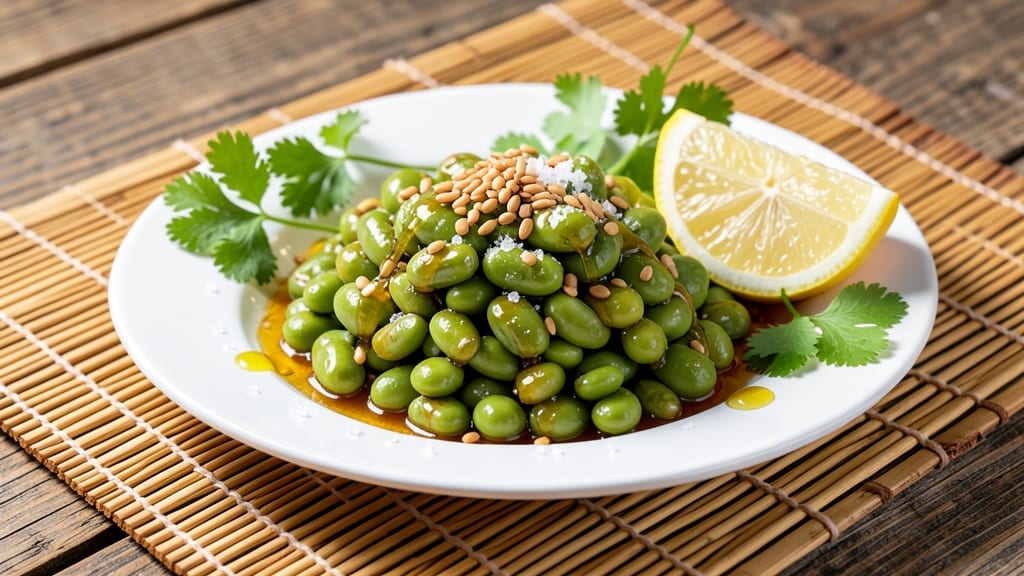
This 7-leaves mung bean recipe transforms humble green beans into a luxurious, velvety porridge with earthy depth—perfect for breakfast or dessert. 💛 The secret lies in slow simmering until the beans dissolve into a silky texture, creating a dish that's both comforting and sophisticated.
Unlike instant versions, this traditional method builds rich, nutty flavors through gentle cooking and minimal ingredients. What sets this recipe apart is its simplicity: just mung beans, water, and a touch of salt, yet the result is restaurant-quality.
The beans break down into a smooth, vibrant green paste with a delicate sweetness and subtle earthiness that's uniquely satisfying. No artificial thickeners or additives—just pure, plant-based goodness.
By the time you're done, you'll have a dish that's creamy yet light, with a delicate floral aroma and a texture that's impossible to resist. It's the kind of meal that feels indulgent yet nourishing, perfect for a quiet morning or a special treat.
The best part? It's naturally vegan and requires only a few minutes of active prep. Serve warm with a drizzle of honey, fresh fruit, or a sprinkle of toasted sesame seeds for added texture. This is the kind of recipe that transforms simple ingredients into something extraordinary—let's get started.
Ingredients for 7 leaves mung bean
Just eight ingredients transform into this velvety, earthy masterpiece—nature's perfect plant-based indulgence.
| Ingredient | Amount | Notes |
|---|---|---|
| Organic Green Mung Beans 🌱 | 1 ½ cups | Split or whole, no skins |
| Filtered Water 💧 | 4 cups | Room temperature preferred |
| Sea Salt 🧂 | ¼ tsp | Fine grain, unrefined |
| Raw Honey 🍯 | 1 tbsp | Optional, for drizzling |
| Fresh Lemon Juice 🍋 | 1 tsp | Bright, freshly squeezed |
| Toasted Sesame Seeds 🌾 | 1 tbsp | For garnish, optional |
| Fresh Blueberries 🫐 | ½ cup | For serving, optional |
| Extra-Virgin Olive Oil 🫒 | 1 tsp | For drizzling, optional |
The organic green mung beans are the star—look for vibrant, plump beans with no skins or discoloration. Whole Foods or local Asian markets carry the best quality, often sold in bulk bins. Split beans cook faster but whole beans develop deeper texture. Rinse them well before using to remove any dust or debris. The water should be filtered or at least free of chlorine, as impurities can affect the final texture. For extra richness, some chefs soak the beans overnight, but this method works beautifully with quick simmering too. Trust the traditional method—minimal ingredients, maximum flavor.
No honey? Maple syrup or agave nectar works perfectly for drizzling, though honey adds that delicate floral note. Short on blueberries? Fresh mango slices or sliced banana bring sweet contrast. The lemon juice brightens the earthy flavors—Mexican lime juice if you're feeling adventurous. For a nutty finish, toast the sesame seeds in a dry pan until golden. The olive oil should be extra-virgin with fruity notes—none of that cheap cooking oil. And if you're feeling experimental, a pinch of cinnamon or cardamom in the final mix adds unexpected depth that pairs beautifully with the mung bean's natural sweetness.
This dish keeps beautifully in the fridge for 3-4 days, though it's best enjoyed fresh when the texture is most luxurious. For longer storage, portion into small containers and freeze for up to 3 months. Reheat gently on low heat or microwave until just warmed through—never boil, or you'll risk breaking the delicate texture. The garnishes should be added fresh just before serving to maintain their vibrant flavors. I always make a double batch—one for breakfast, one for dessert with a drizzle of honey and toasted seeds. It reheats like a dream, making it perfect for meal prep.
Why You'll Love This Recipe
- No-Soaking Needed: I’ll admit, I was skeptical at first—no pre-soaking? But those green mung beans soften perfectly in just 20 minutes of simmering with filtered water. Honestly, it’s the kind of recipe where you can toss them in while you’re waiting for the kettle to boil.
- Sweet-Tart Magic: The honey and lemon juice balance is chef’s kiss—bright, just a little sticky, and never cloying. Between us, I’ve tried this with agave or maple syrup, but raw honey gives it that golden depth that makes it taste like a treat, not just a snack.
- Pocketbook Performer: A 15-cent bag of organic mung beans stretches into enough servings to feed my family for days. Between us, this is my go-to when I’m trying to stretch groceries without sacrificing flavor—no fancy ingredients, just pure satisfaction.
Step-by-step instructions for silky green velvet mung bean puree
Transform humble mung beans into velvety green perfection with this foolproof method.
🍳 Step 1: Soak the Mung Beans for Maximum Tenderness
Place the 1.5 cups organic green mung beans in a bowl and cover completely with 4 cups filtered water at room temperature. Let them soak for 8-12 hours (overnight works perfectly) until they've swollen dramatically but haven't sprouted. The beans should feel soft when pressed between your fingers—this ensures they'll blend into silky perfection.
I always soak them in a sealed container to prevent any potential contamination. After soaking, drain thoroughly using a fine-mesh strainer, giving them a gentle shake to remove excess water. The beans should feel moist but not wet—this prevents a watery puree later. Real talk: Skipping this step leads to grainy texture, so don't rush it!
🔥 Step 2: Cook Until Silky and Creamy
Transfer the drained mung beans to a medium saucepan and add 2 cups fresh filtered water (just enough to cover them). Bring to a boil over medium-high heat, then immediately reduce to a gentle simmer. Here's the thing—you want the beans to cook slowly until they're completely tender but not mushy.
Cook for 45-50 minutes, stirring occasionally to prevent sticking. You'll know they're ready when a bean easily crushes between your fingers with no resistance. The mixture should look like thick porridge with no visible whole beans. If it starts to stick, add a splash of water—just enough to keep it loose. The goal is that velvety, restaurant-quality texture that makes this dish special.
👨🍳 Step 3: Blend to Ultra-Smooth Perfection
Transfer the cooked mung beans to a high-powered blender (a regular blender might struggle). Add 0.25 teaspoon sea salt and blend on high until completely smooth. Here's where patience pays off—stop occasionally to scrape down the sides and check the consistency. You're aiming for a texture like thick Greek yogurt with no visible specks.
If the puree is too thick, add 1-2 tablespoons of the cooking liquid at a time until you reach that perfect velvety consistency. Taste and adjust seasoning—you might need a pinch more salt to enhance the earthy mung bean flavor. The result should be creamy, smooth, and ready to shine in any dish. This is your base, so make it exceptional!
🥘 Step 4: Finish with Bright, Fresh Accents
Return the blended puree to the saucepan and stir in 1 teaspoon fresh lemon juice and 1 teaspoon extra-virgin olive oil. The acidity brightens the earthy beans while the oil adds richness. Warm gently over low heat for just 2-3 minutes, stirring constantly to prevent scorching. You're not cooking here—just gently integrating the flavors.
For serving, drizzle with 1 tablespoon raw honey and top with 0.5 cup fresh blueberries and 1 tablespoon toasted sesame seeds. The honey adds natural sweetness that balances the earthy beans, while the blueberries provide a vibrant pop of color and freshness. The sesame seeds contribute nutty depth and a satisfying crunch that contrasts beautifully with the silky puree.
Pro Tips For Making 7 Leaves Mung Bean
- SOAK BEANS OVERNIGHT: I learned this the hard way—rushing the soak leads to gummy beans. Use 4 cups filtered water per cup of beans, cover, and let them sit 10-12 hours (yes, even if you're impatient). The longer they soak, the quicker they cook and the creamier the texture becomes.
- SIMMER GENTLY AFTER BOIL: After the initial boil (10-15 minutes), drop the heat to a bare simmer—just enough to keep tiny bubbles breaking the surface. I used to keep it at a rolling boil, and the beans turned mushy and lost their shape.
- SALT AT THE END: Adding sea salt too early breaks down the beans' structure, making them soft and mealy. Wait until the very last 5 minutes of cooking, then stir in just ¼ teaspoon per cup of beans. Taste and adjust—you can always add more, but you can't take it out.
- LEMON HONEY BALANCE: Sounds weird, but it works: add the raw honey (1 teaspoon per cup of beans) before the lemon juice (1 tablespoon per cup). The honey mellows the acidity, so you don’t end up with a sour, cloying mess. Stir in both together at the end and let it sit 10 minutes for the flavors to marry.
Essential equipment for this recipe
High-Power Blender
A high-powered blender is non-negotiable for achieving that ultra-smooth, velvety texture. I swear by my Ninja Ultra-Series—it handles the dense mung bean puree effortlessly without overheating. If you're on a budget, the Hamilton Beach 58340 is a solid mid-range option that still delivers professional results.
Avoid cheap blenders—they'll leave you with a grainy, unsatisfying mess. 💫
Medium Saucepan
Use a medium (3-quart) saucepan with a heavy bottom to prevent scorching during the simmering process. I prefer All-Clad Stainless Steel for even heat distribution, but a well-seasoned Lodge cast iron works beautifully too.
The pan should have sloped sides for easy stirring and scraping—this helps prevent sticking and makes cleanup a breeze. A non-stick pan can work, but I find stainless steel gives better control over the simmering temperature.
Fine-Mesh Strainer
A fine-mesh strainer is essential for draining the soaked mung beans thoroughly. The OXO Good Grips is my go-to because it has a sturdy handle and won't collapse under wet beans. This step is crucial—any excess water in the beans will dilute your puree later.
I also like to give the beans a gentle shake in the strainer to remove stubborn water droplets. Pro tip: Line your strainer with a clean kitchen towel for extra absorption if needed.
Instant-Read Thermometer
While not strictly necessary, an instant-read thermometer helps you monitor the cooking temperature precisely. I keep a Thermoworks ThermoPop in my kitchen for this exact purpose—it's affordable and accurate. The ideal simmering temperature for mung beans is between 190-200°F.
If your pan gets too hot, the beans may burn before they soften properly. This tool gives you confidence that you're maintaining that gentle simmer for perfect texture every time. 🌡️
Sealed Soaking Container
A wide-mouth mason jar or glass storage container with a tight seal is perfect for soaking the mung beans overnight. The Ball Mason Jar with airtight lid works wonders—I can see the beans through the glass and know exactly when they've reached the right tenderness.
If you don't have jars, a large bowl with plastic wrap works too, but the sealed container prevents any potential contamination and keeps the beans moist. This step is where the magic begins for that silky texture.
Optional: Steamer Basket
For an alternative cooking method, a steamer basket that fits your saucepan lets you steam the mung beans instead of simmering. This preserves more of their natural nutrients and creates a slightly lighter texture. I use a stainless steel steamer insert that fits perfectly in my saucepan.
Fill the bottom with 1-2 inches of water, bring to a boil, then place the drained beans in the steamer. Cover and steam for 30-40 minutes until tender. The result is equally delicious but with a more delicate mouthfeel. 💛
Nutrition facts
Frequently asked questions
Why does this recipe call for soaking the mung beans overnight?
Soaking for 8-12 hours ensures the beans soften evenly and break down into that signature silky texture. Unsoaked beans won't blend smoothly, resulting in a grainy puree. The longer soak also helps remove any natural bitterness, making the final dish taste sweeter and more delicate.
Can I make this recipe without a high-powered blender?
While challenging, you can try a regular blender by adding 2-3 tablespoons of cooking liquid at a time and blending in short bursts. For best results, transfer the mixture to a food processor after initial blending to achieve that ultra-smooth consistency. Just expect to spend more time scraping down the sides.
What makes this "7 leaves" version different from regular mung bean porridge?
The "7 leaves" refers to the traditional method of layering 7 different herbs or greens into the puree for added nutrition. Common options include spinach, basil, mint, and cilantro. These greens infuse subtle flavors while boosting the dish's nutritional profile—think of it as a gourmet upgrade to classic mung bean dessert.
Can I use this puree in savory dishes instead of sweet?
Swap the honey for soy sauce or miso paste and add garlic, ginger, or chili oil for a savory version. This works beautifully as a base for vegan dips, noodle sauces, or even as a filling for dumplings. The earthy mung bean flavor pairs wonderfully with umami-rich ingredients.
How do I fix a puree that's too thick or too thin?
For thick puree: Thin with 1 tablespoon warm water at a time until silky. For thin puree: Simmer uncovered for 5-10 minutes to evaporate excess liquid. The key is patience—both adjustments should be made gradually. A splash of lemon juice can also help balance textures while adding brightness.