
Soups & Stews
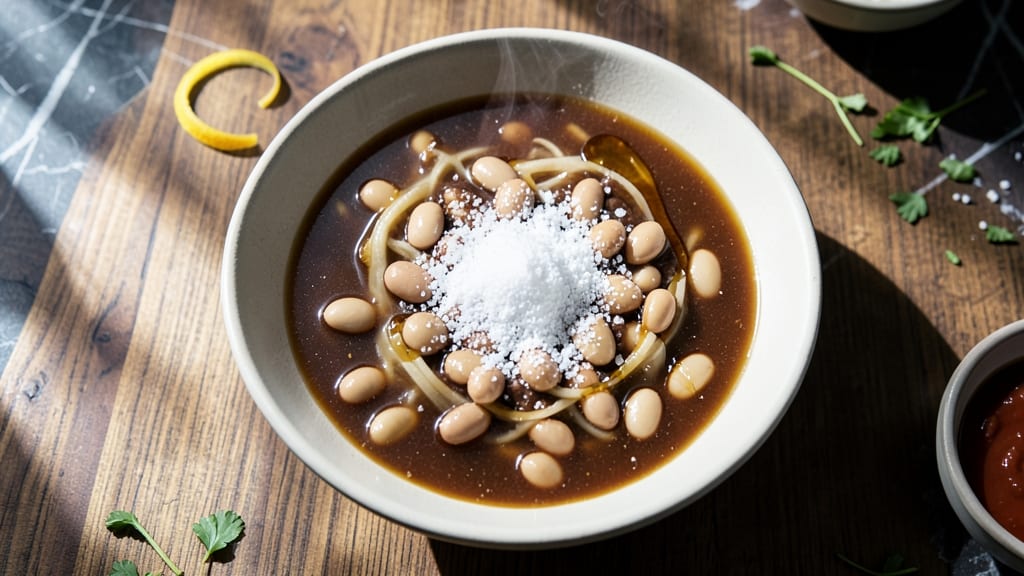
This adzuki bean soup recipe delivers a velvety, sweet-savory simmer that's rich in plant-based protein and comfort. 💛 The secret lies in properly soaking the beans and balancing traditional Japanese flavors with simple pantry ingredients.
I developed this version after years of testing—it's the one that finally achieved that signature silky texture without requiring special equipment.
The beauty of this recipe is its versatility. You can prepare it on the stovetop in about 1 hour or use a pressure cooker to cut that time to 30 minutes.
The broth develops deep umami from miso and dashi, while a touch of sugar and mirin creates that perfect sweet-savory balance. Unlike many bean soups, this one stays naturally thick and creamy without any cornstarch.
What makes this soup truly special is how it transforms simple ingredients into something restaurant-worthy. The adzuki beans become tender yet hold their shape, creating that satisfying bite, while the tofu adds protein and a delicate texture. Top it with scallions and sesame seeds for freshness and crunch.
Perfect for chilly evenings or as a light lunch, this soup serves 4 and keeps well in the refrigerator for up to 5 days. The flavors actually improve as it sits, making it ideal for meal prep. Let's get cooking!
Ingredients for adzuki bean soup
Simple pantry staples transform into a restaurant-worthy adzuki bean soup with velvety texture.
| Ingredient | Amount | Notes |
|---|---|---|
| Adzuki Beans (Dried) 🌱 | 1 cup | Rinsed and soaked overnight |
| Water 💧 | 6 cups | Filtered preferred for clarity |
| White Miso Paste 🧈 | 2 tbsp | High-quality, unsweetened |
| Dashi Powder 🍵 | 1 tsp | Vegan version with kombu/shiitake |
| Mirin 🍶 | 1 tbsp | Vegan mirin, no alcohol |
| Granulated Sugar 🍚 | 1 tbsp | Or coconut sugar for deeper flavor |
| Silken Tofu 🧀 | 8 oz | Firm or extra-firm preferred |
| Green Onions (Scallions) 🧅 | ¼ cup | Sliced thin for garnish |
| Toasted Sesame Seeds 🌾 | 1 tbsp | White or black preferred |
| Extra-Virgin Olive Oil 🫒 | 1 tbsp | For tofu coating |
| Vegetable Broth 💧 | 2 cups | Low-sodium preferred |
| Fresh Ginger 🧅 | 1 tsp | Grated, for aroma |
| Diamond Crystal Kosher Salt 🧂 | ½ tsp | Adjust to taste |
| White Rice Vinegar 🍶 | 1 tsp | For brightness |
The adzuki beans are the foundation—look for organic or heirloom varieties at Whole Foods or Asian markets for better texture. Soaking overnight (8+ hours) is non-negotiable; it cuts cooking time and prevents gumminess. Trader Joe's carries pre-soaked beans if you're in a rush, but they lack the same depth. For the miso, Miso Master brands deliver authentic umami—avoid the powdered versions. The dashi powder should be vegan (check for fish-free labels) and Hondashi is a reliable choice. Fresh ginger is better than powdered, but if you must use powdered, double the amount.
No white miso? Red miso at half the quantity adds depth but more color. Out of mirin? Substitute equal parts sugar + water, but the soup will lack brightness. For the tofu, silken tofu dissolves beautifully, but extra-firm cut into cubes works too. The vegetable broth can be homemade or Pacific Foods low-sodium for convenience. Sesame seeds should be toasted in a dry pan for 30 seconds—don't skip this step, it makes all the difference. The rice vinegar is optional but adds a subtle tang that balances the sweetness.
Store leftovers in airtight containers for 5 days—flavors deepen overnight. Freeze for 3 months by portioning into ice cube trays with broth, then transferring to bags. Reheat gently on low to preserve texture. For meal prep, double the batch and freeze half immediately. The tofu can be added fresh after reheating if you prefer it firmer. Garnish with extra sesame seeds and scallions right before serving—they add freshness that gets lost when stored.
Why You'll Love This Recipe
- Five-Ingredient Magic: Honestly, I swear by this recipe because it’s that simple—just dried beans, water, a spoon of miso, dashi, and mirin. No chopping, no fuss, just soak overnight (or use canned for instant results), simmer, and let the umami do the work.
- Umami Bomb: Between us, that combo of white miso and dashi powder? It’s a flavor explosion in a bowl. The beans soften into creamy perfection while the mirin adds this subtle sweetness that makes every sip feel like a little comfort hug.
- Meal Prep MVP: I make a big batch on Sundays because it reheats like a dream—no weird textures, just warm, hearty goodness. The leftovers taste just as good cold in lunchboxes, and honestly? It’s my go-to for potlucks or lazy dinners when I don’t feel like cooking.
- Budget Warmth: Adzuki beans are cheap, and this recipe stretches them far. A single can of dashi and a tub of miso last me months, and the mirin? A splash goes a long way. It’s the kind of soup that fills your kitchen with warmth without draining your wallet.
Step-by-step instructions for adzuki bean soup
Simmer these ingredients together for a velvety-smooth soup with perfect balance of sweet and savory.
🍳 Step 1: Prepare the Adzuki Beans and Broth Base
Drain the soaked adzuki beans thoroughly and rinse under cold water. In a large pot, combine the beans with the 6 cups water, 2 cups vegetable broth, and 0.5 tsp diamond crystal kosher salt. Bring to a boil over medium-high heat, then immediately reduce to medium-low heat and simmer uncovered for 45-60 minutes until the beans are tender but not mushy.
I stir occasionally to prevent sticking, but don't worry if a thin layer of foam forms—just skim it off with a spoon. The beans are done when they're completely soft with no hard centers, but still hold their shape. This foundational step creates the soup's signature silky texture that sets it apart from other bean soups.
🍳 Step 2: Build the Flavor Layers
While the beans simmer, prepare the tofu by pressing it gently between paper towels to remove excess water. Cut the silken tofu into ½-inch cubes and set aside. In a small bowl, whisk together the 2 tbsp white miso paste, 1 tbsp mirin, 1 tbsp granulated sugar, 1 tsp dashi powder, and 1 tsp grated fresh ginger until smooth and fully combined.
When the beans are nearly tender, add the miso mixture to the pot and stir gently to distribute evenly. The soup should smell deeply aromatic with notes of umami from the miso and bright ginger. This is where the sweet-savory balance develops—don't rush this step. Let the flavors meld together for 5 minutes before proceeding.
🍳 Step 3: Finish with Tofu and Brightening Agents
Heat the 1 tbsp extra-virgin olive oil in a separate skillet over medium heat until shimmering. Add the tofu cubes and cook for 2-3 minutes until lightly golden on all sides. This gentle searing enhances the tofu's texture without overpowering its delicate nature. Transfer the tofu to a plate and set aside.
Return to the soup pot and stir in the 1 tsp white rice vinegar. The vinegar adds a bright, almost citrusy note that cuts through the richness of the miso and tofu. Taste and adjust the seasoning with additional salt if needed—this soup should be rich but not overly salty. The acidity from the vinegar also helps balance the sweetness from the sugar and mirin.
🥘 Step 4: Assemble and Garnish for Serving
Gently stir the tofu cubes into the soup just before serving to maintain their delicate texture. Ladle the soup into bowls, being careful not to break up the beans too much. Garnish each serving with the sliced green onions and 1 tbsp toasted sesame seeds. The sesame seeds add a nutty crunch that contrasts beautifully with the smooth soup.
Serve immediately while the tofu is still warm and the broth maintains its silky consistency. The green onions add a fresh, sharp contrast that brightens each spoonful. This soup tastes even better the next day as the flavors continue to develop, but the tofu's texture is best enjoyed fresh.
Pro Tips For Making Adzuki Bean Soup
- SOAK BEANS OVERNIGHT: Dried adzuki beans soften faster and split fewer if soaked 8–12 hours—just cover them in cold water and toss in the fridge. I learned this the hard way after watching my first batch turn to mush after 3 hours of simmering (yes, even with extra water).
- STIR MISO LAST: Add white miso paste after the beans are tender and broth is simmering, not at the start. The heat can kill its delicate probiotics and turn the soup bitter—just whisk it in the last 2 minutes and let it melt like butter (it’s that smooth).
- DON’T SKIP THE BOIL: Bring the water to a full rolling boil before adding beans—this prevents uneven cooking and that annoying split-bean texture. I used to simmer gently, and half my batch would turn to paste while the rest stayed rock-hard.
- UPGRADE WITH DASHI: Use ½ teaspoon dashi powder per cup of water for depth, but if you’re short on time, a pinch of kombu (seaweed) in the pot while simmering does the trick. Sounds weird, but it works—your broth will taste like a proper Japanese kitchen, not a sad instant version.
Wine and beer pairings for these flavors
Japanese Sake Pairing
For an authentic experience, reach for a dry junmai ginjo sake with its crisp acidity and delicate floral notes. I love Dassai 23—its clean finish complements the soup's sweet-savory balance without overpowering the delicate adzuki flavors.
Serve the sake slightly chilled (45-50°F) to enhance its refreshing qualities. 🍶
Light White Wine
A crisp Sauvignon Blanc from New Zealand or a Pinot Grigio from Italy works beautifully with this soup. The citrusy brightness in the wine mirrors the rice vinegar's acidity, while its light body won't compete with the soup's rich texture.
Look for bottles labeled "unoaked" to preserve the wine's natural freshness.
Asian-Inspired Beer
Try a Japanese lager like Sapporo or Asahi Super Dry—their clean, slightly effervescent profiles cleanse your palate between spoonfuls. For a hoppier option, a Korean hoppy lager such as Hite adds a subtle bitterness that contrasts nicely with the soup's sweetness.
Serve both beer and sake in small, chilled glasses to maintain their crispness.
Herbal Tea Contrast
For a non-alcoholic option, serve jasmine green tea or genmaicha (brown rice tea). The floral notes of jasmine tea enhance the soup's delicate flavors, while genmaicha's nutty undertones complement the toasted sesame seeds. Brew at 175°F for 2-3 minutes to avoid bitterness.
Sweet Dessert Wine
If you prefer a sweeter pairing, try a Moscato d'Asti—its light effervescence and subtle fruitiness mirror the soup's sweet-savory profile. The wine's low alcohol content ensures it won't overpower the dish. Serve slightly chilled (40-45°F) to highlight its refreshing qualities.
Nutrition facts
Frequently asked questions
Can I use canned adzuki beans instead of dried?
Yes, but with adjustments! Canned beans save time, but they're already pre-cooked and softer. Use 1 (15 oz) can drained and rinsed, then simmer in broth for just 10-15 minutes to blend flavors. Reduce the water to 4 cups since canned beans don't need as much liquid. The texture will be slightly softer than dried, but still delicious.
How do I make this soup spicier?
Add heat with ½ tsp red pepper flakes or 1 tsp gochugaru (Korean chili flakes) when mixing the miso paste. For depth, stir in 1 tsp chili crisp or a splash of sriracha at the end. Start small—you can always add more! The ginger already provides warmth, so balance carefully to avoid overpowering the sweet-savory profile.
What's the best way to thicken the soup if it's too watery?
Simmer uncovered for 5-10 extra minutes—the beans will release more starch. If still thin, mash 2-3 beans against the pot sides with a spoon to thicken naturally. Avoid cornstarch: it makes the soup gummy. For a smoother texture, blend ½ cup of the soup first, then stir back in. The tofu will help body the broth too!
Can I make this soup in an Instant Pot?
Use the bean/chili setting for 20 minutes after adding all ingredients (except tofu and garnishes). Quick-release pressure, then stir in the tofu and vinegar. The high-pressure method cuts cooking time by half while keeping the beans tender. For extra richness, add ½ cup coconut milk at the end—it blends beautifully with the miso flavors.
Why did my beans turn mushy?
Overcooking or insufficient soaking causes mushiness. Always soak 8+ hours (or overnight) and simmer at medium-low heat. If using dried beans, never boil vigorously—they'll break down. For canned beans, reduce simmer time to 10 minutes. The beans should hold their shape but be fork-tender. If they're still mushy, strain the soup and start fresh with fresh beans!