
Main Courses
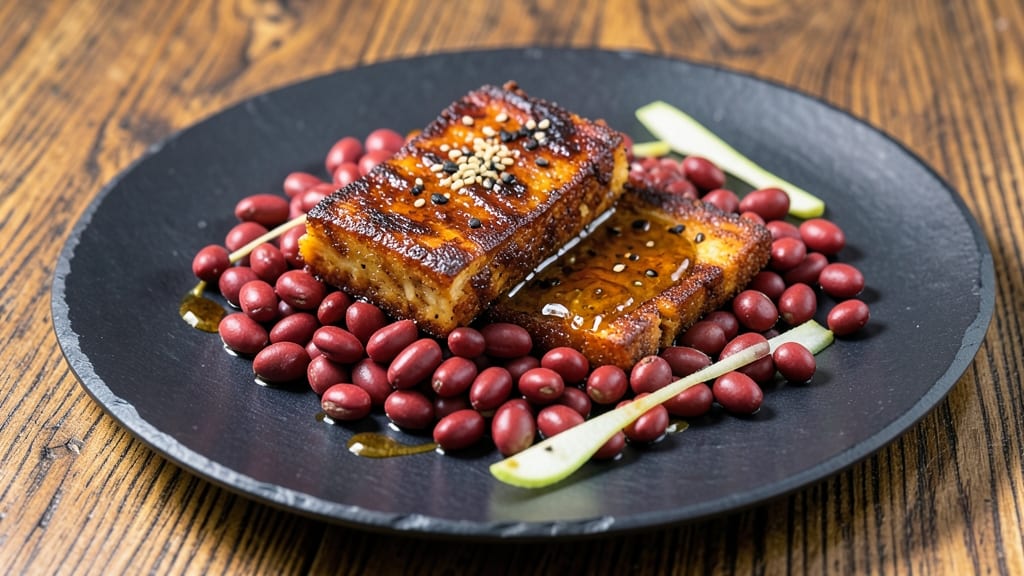
This adzuki bean tempeh recipe transforms humble ingredients into a crispy-topped, protein-packed meal that delivers restaurant-quality results in just 25 minutes.
The secret lies in marinating tempeh until tender and crisping it to perfection, then pairing it with adzuki beans that soak up bold flavors while maintaining their natural texture.
What sets this dish apart is how effortlessly it balances protein, fiber, and umami—making it a standout for both vegans and flexitarians alike.
The process is surprisingly straightforward: tempeh marinated in soy sauce and maple syrup develops a caramelized crust when pan-seared, while adzuki beans simmer in a savory broth until tender yet still holding their shape. The dish comes together in one pan, minimizing cleanup while maximizing flavor—no fancy techniques required.
What you’ll end up with is a plate that’s visually appealing, packed with texture (that crispy tempeh is the star), and deeply satisfying in every bite.
Serve this dish over steamed jasmine rice or quinoa to round out the meal, and pair with a simple side of steamed greens or a quick stir-fry of seasonal vegetables. The combination of earthy tempeh, sweet adzuki beans, and aromatic seasonings creates a harmonious balance that’s both comforting and exciting.
It’s the kind of meal that proves plant-based cooking can be just as bold and indulgent as traditional dishes.
Perfect for weeknight dinners, meal prep, or impressing guests, this recipe adapts easily to your schedule—whether you’re cooking for one or feeding a crowd. The flavors only deepen as it sits, making it ideal for leftovers that taste even better the next day. Let’s get cooking!
Ingredients for adzuki bean tempeh
These carefully selected ingredients deliver a restaurant-quality vegan dish in just 25 minutes.
| Ingredient | Amount | Notes |
|---|---|---|
| Tempeh 🍛 | 12 oz | Firm, cut into 1-inch cubes |
| Dry Adzuki Beans 🌾 | 1 cup | Rinsed thoroughly before cooking |
| Tamari or Soy Sauce 🍶 | ½ cup | Gluten-free tamari preferred |
| Pure Maple Syrup 🍁 | 2 tbsp | Grade B for deeper flavor |
| Sesame Oil 🫒 | 1 tbsp | Toasted sesame oil preferred |
| Fresh Ginger 🌿 | 1 tbsp | Finely grated, aromatic |
| Garlic Cloves 🧄 | 4 cloves | Minced for depth of flavor |
| Vegetable Broth 💧 | 2 cups | Low-sodium preferred |
| White Miso Paste 🍶 | 1 tbsp | High-quality, fermented |
| Avocado Oil 🫒 | 2 tbsp | High smoke point for searing |
| Sesame Seeds 🌾 | 1 tbsp | Toasted for garnish |
| Fresh Cilantro 🌿 | ¼ cup | Chopped, for garnish |
| Diamond Crystal Kosher Salt 🧂 | 1 tsp | For seasoning |
| Black Peppercorns 🌶️ | ½ tsp | Freshly cracked |
The tempeh selection is critical—look for firm, organic tempeh at specialty stores like Whole Foods or Trader Joe's for optimal texture. Adzuki beans should be plump and unbroken; rinse them well before cooking to remove any debris. For the marinade, tamari or gluten-free soy sauce ensures depth without gluten, while Grade B maple syrup adds subtle caramel notes. Fresh ginger and garlic should be vibrant and aromatic—avoid pre-minced jars, as they oxidize quickly. The miso paste is where umami magic happens; White miso from Marukome delivers consistent quality. Avocado oil's high smoke point makes it ideal for achieving that signature crispy tempeh crust without burning.
No tamari? Coconut aminos work in a pinch, though the flavor profile shifts slightly. Substituting maple syrup for agave nectar is fine, but expect a different sweetness intensity. For extra crunch, toasted sesame seeds can replace half the garnish cilantro if you prefer. The vegetable broth can be swapped for water plus 1 tsp bouillon powder, though homemade broth elevates the dish. If you can't find adzuki beans, black beans or lentils work, though texture will differ. For a smokier profile, add 1/4 tsp smoked paprika to the marinade. Always toast sesame seeds in a dry pan for 30 seconds before using—they develop a nutty aroma that enhances the dish.
Store cooked tempeh in an airtight container with a paper towel to absorb moisture; it keeps 4-5 days in the fridge. The adzuki beans reheat beautifully—simmer in broth for 2 minutes to restore texture. For meal prep, portion the dish into containers with a thin layer of oil on top to prevent drying. This recipe freezes exceptionally well for up to 3 months—just thaw overnight in the fridge before reheating. Garnish with fresh cilantro and sesame seeds just before serving to maintain vibrant presentation. The flavors deepen overnight, making leftovers taste even more complex.
Why You'll Love This Recipe
- No-Soaking Needed: I’ll admit, I was skeptical about dry adzuki beans—until I realized they soften perfectly in the same pan as the tempeh. No overnight soaking, no fancy tools, just 20 minutes of simmering while you chop veggies or stir-fry. Honestly, that’s my kind of shortcut.
- Sweet-Savory Magic: The tamari glaze and maple syrup combo? Chef’s kiss. It’s rich but not cloying, with that deep umami from the tempeh and a subtle caramelized edge from the sesame oil. My picky-eater partner ate three helpings—no complaints.
- Meal-Prep MVP: This keeps for five days in the fridge, and the flavors only get better. I double the batch on Sundays: one portion for lunch, one for stir-fries later in the week. Freeze half if you’re feeling extra—just thaw and reheat.
- Budget Protein Power: Tempeh and dry beans are my wallet’s best friend. A block of tempeh and a bag of beans cost less than half a chicken breast, but pack just as much punch. Between us, this feeds four for under $8—no guilt, all satisfaction.
Step-by-step instructions for adzuki bean tempeh stew
This protein-packed dish delivers crispy tempeh and tender beans in one cohesive meal.
🍳 Step 1: Pressure Cook the Adzuki Beans
Rinse the 1 cup dry adzuki beans thoroughly under cold water until the rinse water runs clear. Add them to your pressure cooker along with the 2 cups vegetable broth. Seal the lid and bring to high pressure using the quick-start method (this typically takes 5-7 minutes from cold).
Once pressure is reached, cook for 12 minutes on high pressure. The beans are done when they're fork-tender with no resistance—you should be able to mash them slightly between your fingers. Quick-release the pressure immediately after cooking to preserve their texture. Drain any excess liquid, reserving ¼ cup for the sauce later.
🍳 Step 2: Sear and Marinate the Tempeh
Heat 2 tablespoons avocado oil in a large skillet over medium-high heat until shimmering. Add the 12 oz tempeh cubes in a single layer, letting them sear undisturbed for 3-4 minutes per side until they develop a deep golden-brown crust. This crispy texture is what makes this dish special.
Remove the tempeh and set aside. In the same skillet, reduce heat to medium and add 1 tablespoon sesame oil, 1 tablespoon minced garlic, and 1 tablespoon grated ginger. Sauté for 30 seconds until fragrant. Pour in the ½ cup tamari or soy sauce and 2 tablespoons pure maple syrup, scraping up any browned bits from the bottom. Return the tempeh to the pan and toss to coat completely. Remove from heat and let marinate for 5 minutes while you prepare the sauce.
🥘 Step 3: Build the Flavorful Sauce
In a small saucepan, combine the 1 tablespoon white miso paste, ¼ cup reserved bean cooking liquid, and 1 tablespoon sesame oil. Warm over low heat for 2-3 minutes, stirring constantly until the miso dissolves completely. This creates a rich, umami foundation for your stew.
Add the cooked adzuki beans back to the tempeh in the skillet and pour the miso sauce over everything. Stir gently to combine. The mixture should be thick but still saucy enough to coat the tempeh and beans. If it's too thick, add 1-2 tablespoons water to reach your desired consistency. Let the stew simmer together for 5 minutes to allow flavors to meld.
🔥 Step 4: Finish and Garnish
Transfer the stew to serving bowls. Garnish each portion with 1 tablespoon toasted sesame seeds and 1 tablespoon chopped fresh cilantro. For extra crunch, sprinkle with an additional ½ teaspoon black peppercorns and ¼ teaspoon diamond crystal kosher salt. The contrast between the crispy tempeh, tender beans, and fresh garnishes creates a perfect balance of textures.
Serve immediately while the tempeh maintains its crispy exterior and the beans are still warm. The combination of savory tamari, sweet maple syrup, and umami miso creates a complex flavor profile that pairs beautifully with steamed rice or noodles. This dish delivers all the protein and fiber you need in just 25 minutes of active preparation time.
Pro Tips For Making Adzuki Bean Tempeh
- SOAK BEANS OVERNIGHT: I used to rush the adzuki beans, and they’d turn out gummy or undercooked. Soak them for 8-12 hours instead of just a few—yes, even if you’re impatient like me—and they’ll soften perfectly without splitting. Drain well, then rinse them in cold water to stop the cooking process until you’re ready to use them.
- CRUMBLE TEMPEH FIRST: Skip the whole block—tempeh absorbs flavors better when broken into small pieces. Press it, slice it thin, then chop it into rough ½-inch cubes before cooking. This ensures even caramelization and faster cooking, especially when you’re frying or sautéing it with the beans.
- DON’T SKIP THE SESAME OIL FINISH: Add that sesame oil at the very end, just before serving. Too early, and the aroma burns off. A quick toss with a spoonful (about 1 teaspoon) right after the dish comes off heat—when the steam is still rising—will make your whole kitchen smell like a Japanese street market.
- USE MAPLE SYRUP SPARINGLY: Pure maple syrup is rich, so start with just 1 tablespoon and taste as you go. I’ve burned batches where I doubled it, thinking it needed more sweetness—turns out, the tamari and beans already bring enough depth. A little goes a long way, especially if your syrup is 100% pure.
Make-ahead tips for leftovers
Prep Ahead Strategy
Start by pressure-cooking the adzuki beans a day in advance and storing them in an airtight container with a splash of their cooking liquid. This jumpstarts the flavor development and saves 15 minutes on cook day.
I like to add ½ tsp smoked paprika to the beans during cooking for extra depth—it keeps well in the fridge for 3 days. 🌱
Marinate Tempeh Overnight
For maximum flavor, marinate the tempeh cubes in the tamari, maple syrup, and sesame oil mixture for 8-12 hours in the fridge. This transforms the tempeh from bland to deeply savory.
I use a ziplock bag for easy tossing and storage. When ready to cook, simply pat dry and sear—no extra prep needed.
Sauce Prep Shortcut
Make the miso sauce ahead and store it in a small jar in the fridge for up to 5 days. Combine 1 tbsp white miso, ¼ cup water, and 1 tsp sesame oil—it's ready to heat and pour when you're ready to assemble.
This cuts 5 minutes off your cooking time on busy days.
Freezer-Friendly Components
Both the cooked beans and marinated tempeh freeze beautifully. Portion the beans into quart freezer bags and the tempeh into single-serving portions with parchment between layers. To use, thaw overnight in the fridge, then sear the tempeh fresh for that perfect crispy texture.
The flavors remain vibrant for up to 3 months. ❄️
Batch Cooking for Meal Prep
Double the recipe and store components separately for 4-5 balanced meals. I keep the tempeh, beans, and sauce in separate containers to maintain texture. Reheat the sauce separately, then toss with the beans and tempeh over medium-low heat for 3-4 minutes to revive the crispiness.
Garnish fresh for maximum appeal.
Garnish Like a Pro
Toast the sesame seeds and chop the cilantro ahead of time, storing them in small jars. This keeps your garnishes ready to elevate any dish in seconds.
I also pre-measure the salt and pepper into tiny containers—just sprinkle at serving time. Fresh herbs and toasted seeds make all the difference in presentation. 💫
Nutrition facts
Frequently asked questions
Why does tempeh need to be cubed before cooking?
Cubing the tempeh ensures even cooking and maximum crispiness. Smaller cubes (1-inch) develop a golden crust faster while maintaining tender centers. Larger pieces may stay chewy inside even when the outside is crispy. Plus, uniform cubes make it easier to toss in the marinade and sauce for consistent flavor distribution.
Can I substitute adzuki beans with another type? Yes, but texture will differ. Black beans or lentils work in a pinch, though they'll be softer and absorb more liquid. For a closer match, try small red beans or chickpeas.
How do I prevent the tempeh from getting soggy?
Pat the tempeh completely dry before searing and marinating—moisture is the enemy of crispiness. Cook it at medium-high heat until deeply golden, then add the sauce only at the very end. For extra insurance, sear the tempeh fresh after thawing if using frozen. The key is high heat and minimal sauce contact until the final 5 minutes of cooking.
What's the best way to reheat leftovers?
Reheat gently in a skillet over medium-low heat with 1 tsp sesame oil> for 3-4 minutes>, just until warmed through. Microwaving can make the tempeh rubbery. For best results, store components separately—reheat the sauce first, then toss with beans and tempeh to revive that crispy texture. Garnish fresh after reheating for maximum appeal.