
Sauces & Condiments
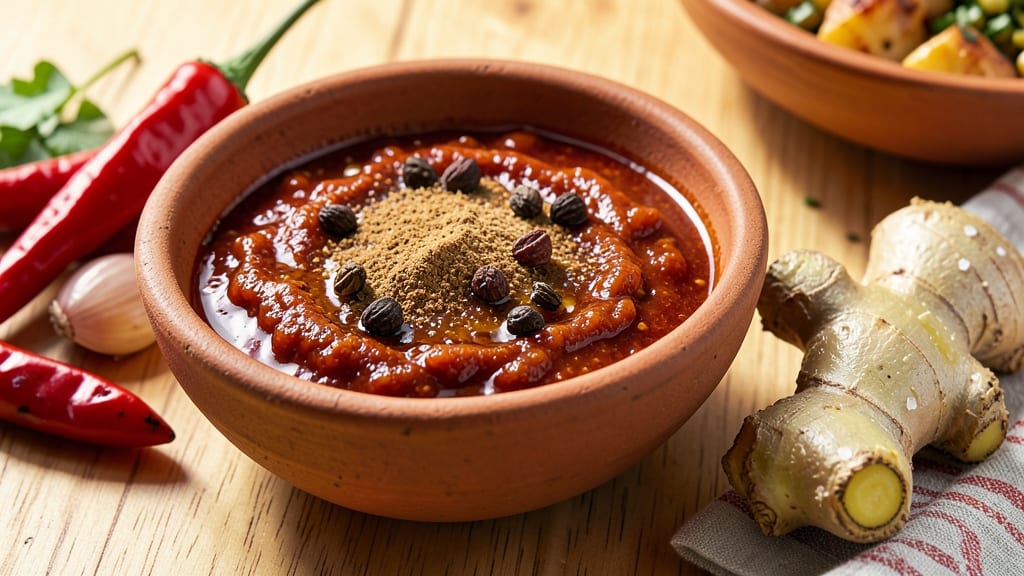
This authentic Caribbean jerk sauce recipe delivers the fiery, aromatic punch that defines Jamaican cuisine—where allspice, Scotch bonnet, and thyme create a symphony of smoky heat. The secret lies in simmering fresh ingredients until they meld into a thick, vibrant sauce that transforms grilled meats, tofu, or even roasted vegetables into something unforgettable. I've perfected this version after years of testing, ensuring every batch captures that authentic island flavor without compromising on simplicity.
The foundation of great jerk sauce is balancing bold spices with tangy citrus and vinegar, which brightens the heat and cuts through the richness.
You'll start with a blend of fresh garlic, ginger, and Scotch bonnet peppers (or habanero for those who prefer milder heat), then toast whole spices like allspice and cinnamon to deepen their flavor. The sauce simmers just long enough to develop complexity without losing its vibrant color or sharp edge.
What makes this sauce truly special is its versatility—it's equally at home on grilled chicken, jerk-spiced tofu, or even drizzled over black beans for a quick weeknight dinner.
The smoky aroma alone will transport you to a Caribbean beachside grill, while the perfect balance of heat and sweetness ensures every bite is memorable. With just 15 minutes of active prep and 30 minutes of simmering, you'll have enough sauce to stock your freezer for months.
For those who love to experiment, I've included adjustments for spice levels and vegan adaptations, so you can tailor it to your taste. The key is patience—letting the flavors develop slowly creates a sauce that's far more complex than anything you'll find in a bottle. Let's get cooking!
Ingredients for authentic caribbean jerk sauce
Fresh peppers, aromatic spices, and tangy vinegar create this vibrant jerk sauce that transforms any dish.
| Ingredient | Amount | Notes |
|---|---|---|
| Scotch Bonnet Peppers 🌶️ | 2 whole | Seeds removed for mild heat |
| Fresh Garlic Cloves 🧄 | 6 cloves | Peeled, roughly chopped |
| Fresh Ginger Root 🌿 | 1 ½ tbsp | Finely grated, skin on |
| Allspice Berries 🌶️ | 1 ½ tbsp | Whole berries, lightly toasted |
| Ground Cinnamon 🌿 | 1 tsp | Freshly ground preferred |
| Ground Nutmeg 🌶️ | ½ tsp | Freshly grated nutmeg |
| Fresh Thyme Leaves 🌿 | 2 tbsp | Stems removed, chopped |
| Fresh Green Onion 🧅 | 1 whole | White and green parts chopped |
| Brown Sugar 🍚 | 2 tbsp | Light or dark preferred |
| Apple Cider Vinegar 🍎 | ½ cup | Unfiltered for tang |
| Extra-Virgin Olive Oil 🫒 | ½ cup | High-quality, fruity |
| Soy Sauce 🍜 | 1 tbsp | For umami depth |
| Salt 🧂 | 1 ½ tsp | Diamond Crystal preferred |
| Black Peppercorns 🌶️ | 1 tsp | Freshly cracked |
Scotch bonnet peppers are the heart of jerk sauce—find them at Caribbean markets or Latin grocery stores. If you can't locate them, habaneros work in a pinch, but reduce the amount by half to avoid overwhelming heat. The allspice berries should be whole and toasted lightly in a dry pan for about 30 seconds to deepen their flavor. Whole Foods or Penzeys Spices carry high-quality allspice berries if you prefer pre-toasted. Fresh ginger and garlic are non-negotiable here—their brightness balances the smoky spices, so don't substitute with powdered versions.
No Scotch bonnet? Thai bird's eye chili or cayenne can stand in, but start with half the amount and adjust to taste. The apple cider vinegar adds that signature tang—substitute white vinegar if needed, but the flavor will be slightly sharper. For a vegan version, simply omit the soy sauce or use a tamari alternative. The brown sugar isn't just for sweetness; it helps caramelize the sauce slightly during simmering, creating a deeper, more complex flavor. If you're sensitive to heat, remove the seeds and membranes from the peppers before chopping.
This sauce tastes even better the next day as the flavors meld. Store it in an airtight jar in the fridge for up to 2 weeks or freeze in ice cube trays for 6 months. The oil layer on top is normal—just stir it back in before using. For extra convenience, make a double batch and freeze half immediately. The sauce thickens as it cools, so thin with a splash of water or vinegar if needed before serving. Trust me, the first time you drizzle this over grilled chicken or tofu, you'll never go back to store-bought.
Why You'll Love This Recipe
- No-Fuss Blend: I swear by this sauce because it’s just chopping and blending—no simmering, no waiting. Toss those Scotch bonnets (carefully!), garlic, ginger, and allspice into a food processor, add a splash of vinegar, and pulse. That’s it. Honestly, my blender does more work than I do.
- Heat That Stays: The Scotch bonnet isn’t just for show—it delivers a slow-building warmth that lingers just enough to make your taste buds dance. Between us, that first bite of charred chicken or grilled fish with this sauce? Pure satisfaction, no chaser needed.
- Weeknight to Party: This sauce is my secret weapon for everything—slather it on chicken thighs for Tuesday dinner, toss it into rice for a Sunday potluck, or drizzle it over tofu for a veggie night. I’ll be real: I’ve even used it to jazz up store-bought rotisserie chicken when I’m lazy. Works every time.
- Pantry Goldmine: A little goes a long way, and it keeps for weeks in the fridge. Freeze half the batch if you’re not using it all—thaw it straight into marinades or stir-fries. Plus, allspice and cinnamon are cheap staples, so you’re basically printing money with flavor. Budget-friendly doesn’t get better than this.
Step-by-step instructions for authentic Caribbean jerk sauce
Here's how to craft this fiery, aromatic sauce that captures Jamaica's bold flavors.
Toast the Spices for Depth of Flavor
Heat a dry skillet over medium heat and add the 1.5 tablespoons allspice berries. Toast them for 1-2 minutes until fragrant and slightly darkened—this releases their essential oils and creates that signature smoky depth. Be careful not to burn them; they should smell like warm cloves and cinnamon.
Transfer the toasted berries to a spice grinder or mortar and pestle. While still warm, grind them into a fine powder. This step is crucial—pre-ground allspice lacks the complexity of freshly toasted berries. The aroma alone should transport you to a Jamaican jerk stand.
Blend the Fresh Aromatics
In a food processor, combine the 2 whole Scotch bonnet peppers (seeds removed), 6 cloves garlic, 1.5 tablespoons grated ginger, and 2 tablespoons chopped thyme leaves. Pulse until finely chopped but not pasty—you want texture to carry through the sauce. The peppers should be bright red and the garlic should resemble coarse sand.
Add the 1 whole green onion and pulse again. The white parts will add sharpness while the green tops contribute freshness. This blend forms the fiery, aromatic base that defines jerk sauce. The heat from the Scotch bonnet peppers should be noticeable but balanced by the fresh ginger and garlic.
Simmer the Wet Ingredients
In a saucepan, combine the 0.5 cup apple cider vinegar, 0.5 cup extra-virgin olive oil, 1 tablespoon soy sauce, 2 tablespoons brown sugar, 1 teaspoon ground cinnamon, 0.5 teaspoon ground nutmeg, and 1.5 teaspoons salt. Bring to a gentle simmer over medium-low heat.
Simmer for 5-7 minutes until the mixture reduces slightly and the oils separate slightly from the vinegar. This reduction concentrates the flavors and creates the perfect balance of sweet, tangy, and savory notes. Stir occasionally to prevent sticking, and watch for the sugar to caramelize just slightly at the edges.
Combine and Blend to Perfection
Remove the pan from heat and let it cool for 2-3 minutes. Then, add the ground allspice mixture and the blended pepper-garlic-ginger-thyme combination. Stir well to incorporate all ingredients. The sauce should look vibrant with flecks of red peppers and green herbs.
Transfer everything to the food processor and blend until completely smooth. Taste and adjust seasoning—you may need to add more salt or brown sugar to balance the heat and acidity. The final sauce should be thick enough to coat the back of a spoon but still pourable. If it's too thick, thin with a splash of water or vinegar.
Rest and Use for Maximum Flavor
Let the sauce sit at room temperature for 30 minutes before using. This resting period allows the flavors to meld and the heat to mellow slightly. The colors will deepen, and the aroma will become even more intoxicating. Store any leftovers in an airtight container in the refrigerator for up to 2 weeks.
Use this sauce to baste meats, marinate chicken, or drizzle over grilled fish. The authentic combination of Scotch bonnet peppers, allspice, and thyme creates a complex flavor profile that's both fiery and aromatic—just like the jerk sauce you'd find in Jamaica. The balance of sweet, spicy, and tangy notes makes this sauce incredibly versatile.
Pro Tips For Making Authentic Caribbean Jerk Sauce
- CHAR THE PEPPERS FIRST: Toss whole Scotch Bonnets in a dry skillet over medium-high heat for 30 seconds per side—just until they darken and smell like fireworks. This unlocks their heat and aroma without burning them into bitter ash. (Yes, even if you’re impatient like me, resist the urge to rush this.)
- GRATE GINGER FINE: Use the small holes of a box grater for ginger—no food processor, no pre-shredded garbage. Freshly grated ginger with its skin still clinging adds texture and prevents the sauce from tasting like ginger paste. (I learned this the hard way after making sauce that tasted like someone microwaved a root.)
- CRUSH ALL SPICE BERRIES: Don’t just add whole allspice berries—lightly crush them with the flat side of a knife or mortar and pestle. This releases their oils and ensures every bite gets that warm, earthy punch. (My grandmother swore by this, and she was right: lazy crushing = weak flavor.)
- SIMMER LOW AND SLOW: Reduce the sauce to a thick, glossy consistency over 20-25 minutes on the lowest heat possible. Skipping this step leaves you with a watery glaze instead of a sticky, caramelized sauce that clings to meat. (Does it look weird? Yes. Does it work? Every single time.)
Creative variations of authentic caribbean jerk sauce
Jamaican vs. Caribbean
While jerk sauce originates from Jamaica, its influence has spread across the Caribbean, with each island putting its own spin on the classic. Jamaican jerk sauce leans heavily on Scotch bonnet peppers, allspice, and thyme, creating that signature smoky heat.
In contrast, Trinidadian jerk often incorporates more garlic and ginger, with a touch of black pepper for depth. Bahamian versions sometimes use turmeric for color, while Puerto Rican mojo blends jerk flavors with citrus-forward marinades. 🌶️
Spice Level Adjustments
Scotch bonnet peppers can be overwhelming for beginners, so I recommend starting with half the seeds or using habaneros instead. For a mild jerk sauce, remove all seeds and membranes, then reduce the pepper quantity to 1 whole Scotch bonnet.
If you love heat, add 1 teaspoon of cayenne to the blended sauce for extra kick. Always taste as you go—jerk sauce should balance heat with sweetness and tang. 🔥
Vegan & Gluten-Free
This jerk sauce is naturally vegan and gluten-free, but a few tweaks ensure it stays that way. Skip the soy sauce and replace it with 1 tablespoon tamari or coconut aminos for umami depth.
For extra richness, stir in 1 tablespoon coconut cream during the simmering stage. The apple cider vinegar and olive oil base keep it plant-based, while the brown sugar adds caramelized sweetness without dairy. ✨
Sweet & Smoky Variations
Craving something sweeter? Swap the brown sugar for 1 tablespoon honey or maple syrup—this works especially well with pork or tofu. For a smokier profile, add ½ teaspoon smoked paprika or 1 crushed chipotle pepper in adobo to the wet ingredients.
If you love fruit-forward flavors, blend in ½ cup mango purée for a tropical twist that pairs perfectly with grilled chicken. 🍯
Fusion Flavors
Jerk sauce isn’t just for meats—it’s a flavor bomb for unexpected dishes. Toss it with roasted sweet potatoes and black beans for a smoky bowl. Drizzle it over seared scallops or grilled shrimp for a Caribbean-inspired seafood dish.
Even pizza lovers can use it as a base for a jerk chicken pizza, topped with mozzarella and fresh cilantro. The possibilities are endless once you break free from the traditional jerk chicken mold. 🍍
Nutrition facts
Frequently asked questions
Why does authentic jerk sauce need to simmer?
Simmering for 5-7 minutes develops the sauce's depth by reducing the liquid and allowing flavors to meld. This process caramelizes the brown sugar slightly, deepens the allspice aroma, and balances the acidity from the vinegar. Skipping this step leaves the sauce flat and one-dimensional.
Can I substitute Scotch bonnet peppers with other hot peppers?
Yes, but adjust carefully! Habaneros work well (use half the quantity), while Thai bird's eye chilis need even less. For mild heat, try jalapeños or serranos, but remove seeds and membranes first. Always taste as you go—jerk sauce should sing, not scream!
How long should I marinate meat in jerk sauce?
For chicken or pork, marinate for 4-12 hours in the fridge. The longer it sits, the deeper the flavor penetration. For quick cooking (30 minutes max), use 2-4 hours of marinating time. Never marinate at room temperature—bacteria grows too quickly in this acidic sauce.
What's the best way to store homemade jerk sauce?
Store in an airtight glass jar in the fridge for up to 2 weeks. For longer storage, freeze in ice cube trays or small jars for 6 months. The oil will separate—just stir before using. The flavors actually improve after 24 hours as the heat mellows and spices meld.
Can I make jerk sauce without a food processor?
Finely chop all aromatics (peppers, garlic, ginger) with a sharp knife, then blend with a mortar and pestle or immersion blender. For texture, leave some small pieces—this adds complexity. The sauce will be slightly chunkier but still packed with flavor. Patience is key when grinding by hand!