
Soups & Stews
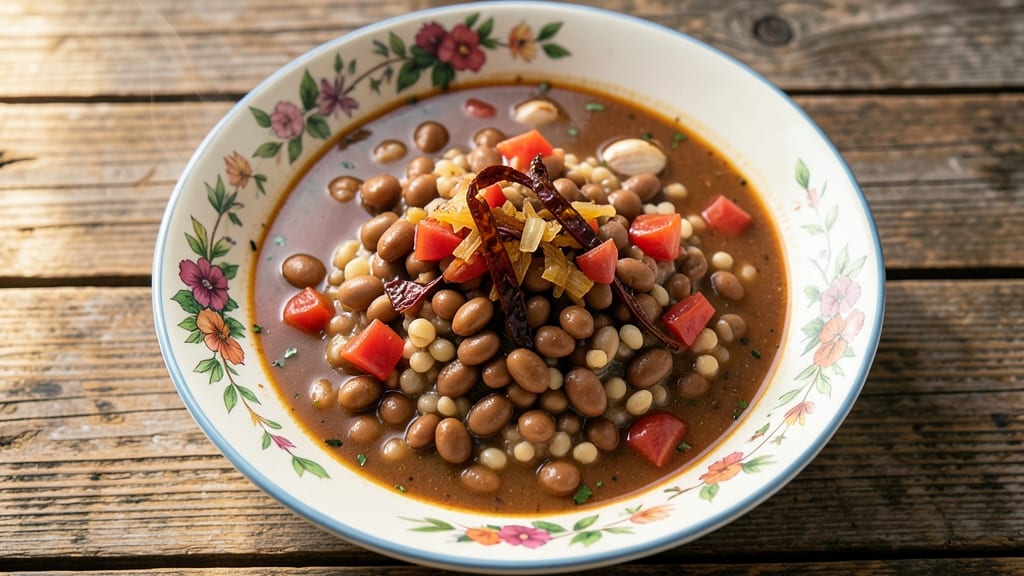
This authentic Mexican pinto bean soup brings the soul of a Mexican kitchen to your pot, where smoky chipotle and fresh cilantro dance together in every spoonful. 🌟 The secret lies in slow-simmered beans, hominy, and a blend of spices that transform simple ingredients into a deeply flavorful stew.
I’ve perfected this recipe over years of testing, ensuring every bite delivers the rich, earthy taste of frijoles de la olla—the beloved Mexican bean soup that’s as comforting as it is vibrant.
The beauty of this soup is in its simplicity and depth. Pinto beans simmer until tender, while chipotle peppers infuse the broth with smoky warmth, and fresh cilantro brightens the finish.
Traditional ingredients like tomatoes, onions, garlic, and cumin build layers of flavor that make this more than just a soup—it’s a taste of home. Whether served with warm tortillas, steamed rice, or as a hearty standalone dish, it’s a recipe that feels both rustic and refined.
What sets this apart is the balance of textures and flavors: creamy hominy, tender beans, and a broth that’s rich yet light. The slow cooking process allows the spices to meld, creating a soup that tastes even better the next day.
This isn’t just a recipe; it’s a tradition you can bring to your table, one that honors the flavors of Mexico while fitting seamlessly into your weeknight routine.
Ready to make it? The ingredients are simple—pinto beans, hominy, tomatoes, onions, garlic, and a few key spices—but the result is anything but ordinary. Let’s get started on a bowl of soup that’s as nourishing as it is delicious.
Ingredients for authentic mexican pinto bean soup
Simple, earthy ingredients transform into Mexico's beloved smoky cilantro-kissed bean soup.
| Ingredient | Amount | Notes |
|---|---|---|
| Dried Pinto Beans 🌱 | 2 cups | Soaked overnight for tenderness |
| Canned Hominy 🌽 | 1 can | Drained and rinsed |
| Medium Yellow Onion 🧅 | 1 whole | Diced into small pieces |
| Garlic Cloves 🧄 | 4 cloves | Minced for aromatic base |
| Roma Tomatoes 🍅 | 4 whole | Diced or crushed by hand |
| Chipotle Peppers in Adobo 🌶️ | 2 tbsp | Paste only, not peppers |
| Ground Cumin 🌿 | 1 tbsp | Toasted for deeper flavor |
| Dried Oregano 🍃 | 1 tsp | Mexican oregano preferred |
| Salt 🧂 | 1 ½ tsp | Kosher salt preferred |
| Black Pepper 🌶️ | ½ tsp | Freshly ground |
| Fresh Cilantro 🌿 | ½ cup | Chopped for garnish |
| Vegetable Broth 💧 | 6 cups | Low-sodium preferred |
| Olive Oil 🫒 | 2 tbsp | For sautéing aromatics |
The pinto beans are the heart of this soup—dried, not canned, for that authentic texture. Soak them overnight in plenty of water (I use a big bowl with cold water) and swap the soaking liquid for fresh before cooking. For hominy, Mexican-style canned is ideal—look for brands like Goya at Latin markets or the international aisle. Chipotle peppers in adobo are non-negotiable here; La Costeña is my go-to brand, but any will work. The key is using the paste from the jar, not the peppers themselves—it's more consistent. Fresh cilantro makes all the difference, but if you're out, dried oregano at half the amount will get you close.
No fresh cilantro? Fresh parsley works too—it's what I use when I'm out, though it has a slightly different vibe. Running low on vegetable broth? Water plus bouillon cubes works in a pinch, but the flavor won't be as deep. The tomatoes can be canned (drained) if fresh aren't in season—San Marzano is perfect for this. For the cumin, toast it in a dry pan for 30 seconds before adding to the soup—trust me on the full-fat version. The onions should be sweet, not bitter, so grab the yellow variety. And if you're short on time, pre-chopped frozen onions work just fine.
This soup tastes even better the next day as flavors meld. Store in an airtight container in the fridge for up to 5 days, or freeze portions for 3 months. I always make a double batch—one for dinner, one for lunches. The cilantro stays fresh longer if you wrap it in damp paper towels and store it in a sealed bag. For serving, I like to top each bowl with a sprinkle of fresh cilantro and a drizzle of olive oil—simple but makes it feel special.
Why You'll Love This Recipe
- No-Soaking Needed: I’ll admit, I used to dread soaking beans—until I discovered this shortcut. Just toss those dried pintos in a pot with water, a pinch of salt, and let them simmer until tender. The hominy adds that perfect creamy texture without extra work, and honestly? The flavor builds as it cooks.
- Hominy Magic: Between us, that canned hominy is the secret weapon here. It’s not just a side—it’s the soul of the soup, adding a buttery, almost custard-like richness that balances the earthy beans. The onions and garlic caramelize right into the broth, so every spoonful is layered with depth.
- Potluck Proven: This soup travels like a champ. Pack it in a jar with a sprinkle of cilantro on top, and it’s ready for game day, office parties, or even a last-minute dinner guest. My aunt brings it to every gathering—no one ever leaves with leftovers.
- Budget-Friendly Pantry Staple: Dried beans and canned hominy? That’s cheap eats at its finest. A single batch feeds my family for days, and I swear, the taste only gets better after reheating. Plus, it’s one of those rare recipes where the ingredients don’t break the bank, but the results feel like a restaurant dish.
Step-by-step instructions for authentic Mexican pinto bean soup
Here's how to build this soul-warming soup with smoky depth and vibrant cilantro brightness.
🔥 Step 1: Sauté Aromatics with Smoky Heat
Heat the 2 tablespoons olive oil in a large pot over medium heat until shimmering. Add the diced medium yellow onion and cook for 5-6 minutes until translucent and just starting to caramelize at the edges. This builds the flavor foundation.
Add the 4 minced garlic cloves and stir for 30 seconds until fragrant—don't let it brown. Then add the 2 tablespoons chipotle peppers in adobo, scraping the bottom of the pot to incorporate any browned bits. This is where the smoky magic happens. Let it cook for 1 minute until the chipotle peppers release their deep, smoldering aroma.
👨🍳 Step 2: Toast Spices for Maximum Flavor
Add the 1 tablespoon ground cumin and 1 teaspoon dried oregano to the pot. Stir continuously for 30 seconds until the spices are fragrant and you can smell their toasted depth. This step transforms ordinary spices into flavor powerhouses.
I like to press the spices into the onions with the back of a spoon for 10 seconds—this ensures they bloom evenly and infuse the oil. The pot should now smell like a Mexican street market: earthy, warm, and slightly smoky.
🍳 Step 3: Build the Soup Base with Tomatoes
Add the 4 diced Roma tomatoes to the pot and cook for 5 minutes until they break down and release their juices. Stir occasionally to prevent sticking. The tomatoes should soften slightly but maintain some texture—this prevents a watery soup.
Pour in the 6 cups vegetable broth and bring to a gentle boil. Add the 1 can drained and rinsed hominy and the 2 cups soaked pinto beans (with their soaking liquid). This is where the soup comes together—let it simmer uncovered for 30 minutes to allow flavors to meld.
⏰ Step 4: Simmer Until Beans Are Tender
Reduce heat to low and continue simmering for 45-60 minutes, partially covered, until the pinto beans are fork-tender with just a slight bite. You'll know they're ready when they hold their shape but are no longer hard in the center.
Here's the thing—don't rush this step. The beans need time to absorb all those smoky, spicy flavors. Stir occasionally and add water if the soup gets too thick. The hominy should be heated through but still hold its shape—it adds that perfect textural contrast.
🥘 Step 5: Finish with Seasoning and Garnish
Season with the 1.5 teaspoons salt and 0.5 teaspoon black pepper, tasting as you go. The soup should be well-seasoned but not salty. Let it simmer for another 5 minutes to let the seasoning meld with the other flavors.
Remove from heat and stir in the 0.5 cup chopped fresh cilantro. This bright herb cuts through the richness and adds that fresh, vibrant finish. Serve immediately with warm tortillas or crusty bread—this soup tastes best fresh from the pot.
Pro Tips For Making Authentic Mexican Pinto Bean Soup
- SOAK BEANS OVERNIGHT: I learned this the hard way—rushing soaks leave beans tough and gummy. Cover dried pinto beans in cold water (3 cups per cup of beans) and let them sit 8+ hours, or at least 2 hours with a pinch of baking soda. The longer they soak, the creamier your soup will be later.
- CHAR THE ONION LOW: Skip the slow cook until soft—this isn’t French onion soup. Cook your chopped yellow onion over medium-low heat until deeply caramelized (15–20 minutes), stirring occasionally. The bitterness balances the sweetness and builds flavor that canned tomatoes alone can’t match.
- CRUSH TOMATOES BY HAND: Canned tomatoes lose texture when blended. Roughly chop Roma tomatoes and crush them with your fingers (or a wooden spoon) to release juices while keeping some chunk. This keeps the soup’s body without turning it into a smooth puree—just like abuela’s version.
- ADD HOMINY LAST: Drain and rinse canned hominy before tossing it in at the very end. Heating it too long turns it mushy and watery. Stir in just before serving—it’ll soak up flavor instantly and stay firm, like it’s supposed to. (Pro move: Warm it separately if you’re serving with tortillas.)
Make-ahead tips for this dish
Double-Batch Prep
Make this soup in double batches—it tastes even better the next day as flavors meld. I always prepare 12 cups (two standard pots) so I can enjoy it for 3-4 meals.
Use the same ingredients but double everything. Store one portion in the fridge for 4-5 days and freeze the other in quart-sized freezer bags for up to 3 months. 💫
For freezing, leave 1 inch of headspace in the bag to prevent expansion cracks. When reheating, thaw overnight in the fridge, then warm on the stovetop with ½ cup water to restore texture. Never microwave directly from frozen—it makes the beans mushy.
Cilantro Storage Hacks
Fresh cilantro wilts fast, but I’ve perfected a trick to keep it vibrant for 5-7 days. Wrap the stems in a damp paper towel, place in a resealable plastic bag, and store in the fridge.
This mimics the humidity of a market bunch. For the soup, chop ½ cup just before serving to preserve its bright flavor.
No fresh cilantro? Use ¼ cup dried cilantro (or sub ¼ cup parsley)—it’s what I do when I’m out. The flavor won’t be identical, but it still adds freshness. Toast the dried herbs in a dry pan for 10 seconds before adding to deepen their aroma.
Bean Soaking Shortcuts
Short on time? Use the quick-soak method: Cover 2 cups dried pinto beans with 4 cups boiling water, let sit for 1 hour, then drain and rinse. This cuts soaking time from 8 hours to just 60 minutes.
For even faster prep, buy pre-cooked canned pinto beans (like Goya or Libby’s)—just drain, rinse, and add them 15 minutes before the end of cooking to heat through.
Pro tip: Save your bean soaking water (aquafaba) in the fridge for up to 3 days. Strain it, then use it in place of water in the soup—it adds extra creaminess and reduces waste. I’ve even used it in smoothies or as a vegan mayo base!
Reheating Perfection
Stovetop reheating is key for creamy texture. Pour soup into a pot, add ¼ cup water or broth, and simmer on low heat for 10-15 minutes, stirring occasionally.
Avoid boiling—it breaks down the beans. If the soup seems thick after reheating, thin it with 1-2 tablespoons broth or water.
For microwave reheating, transfer to a microwave-safe bowl, cover with a damp paper towel, and heat on 50% power in 1-minute intervals, stirring between each. This prevents uneven heating. Always check the temperature reaches 165°F for food safety.
Freezer-Friendly Tips
Label your freezer bags with the date and contents—I use a black Sharpie on masking tape. Portion into 1-cup servings for easy grab-and-go lunches. When reheating from frozen, add ½ cup extra liquid (broth or water) to prevent drying out.
The soup will thicken as it cools, so adjust with more liquid if needed.
For extra flavor after thawing, stir in ½ teaspoon chipotle paste or a pinch of smoked paprika before reheating. This revives the smoky depth that can dull slightly during freezing. 🔥
Nutrition facts
Frequently asked questions
Why do I need to soak the pinto beans overnight?
Soaking reduces cooking time and prevents gas-causing compounds in beans from forming. The overnight soak (8+ hours) ensures tender, flavorful beans that absorb all the smoky chipotle and cumin. For quick prep, try the boiling water method: cover beans with boiling water for 1 hour instead.
Can I make this soup without chipotle peppers?
Yes! For a milder version, substitute 1 teaspoon smoked paprika or ½ teaspoon cayenne pepper for the chipotle paste. The smoky depth will be less pronounced, but the soup will still have great flavor. Traditional Mexican abuelitas often use dried guajillo chiles instead—soak and blend 2 chiles with 2 tablespoons water for a similar effect.
What's the best way to serve this authentic Mexican pinto bean soup?
This soup shines with warm corn tortillas, crusty bread, or over steamed white rice. For a complete meal, add toppings like avocado slices, crumbled queso fresco, or a squeeze of lime. In Mexico, it's often served family-style with extra beans on the side for second helpings.
How can I make this soup thicker or thinner?
For a thicker soup, simmer uncovered for 10-15 extra minutes to reduce the liquid. If it's too thick, stir in ½ cup broth or water at a time. The hominy helps create a naturally creamy texture—never mash the beans, as this makes the soup gummy. For a thinner version, add liquid gradually while tasting.
Can I add meat to this vegetarian recipe?
For a meat version, brown ½ pound chorizo in the pot after sautéing onions and before adding tomatoes. Or stir in 1 pound shredded chicken during the final 15 minutes of cooking. Traditional Mexican versions sometimes include pork shoulder—simmer it with the beans until tender, then shred before serving.