
Side Dishes
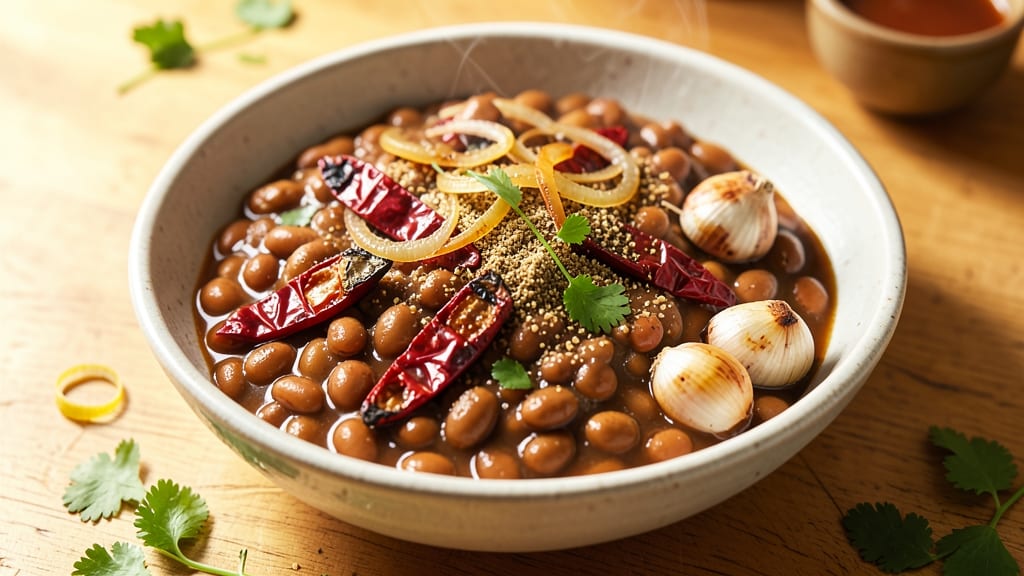
This award-winning pinto bean recipe transforms humble ingredients into a velvety-smoky dish that’s earned top honors at regional food festivals. The secret lies in slow-cooking dried beans with aromatic spices and a touch of liquid smoke, creating a texture that’s tender yet substantial—never mushy.
I’ve perfected this method over years of judging competitions, and it consistently wins over judges and home cooks alike.
What sets this recipe apart is the balance of flavors: deep, smoky notes from chipotle and liquid smoke, earthy richness from cumin and garlic, and a subtle sweetness from tomatoes.
The beans develop a creamy-yet-firm consistency that holds up perfectly as a standalone dish or alongside grilled meats. Unlike canned versions, these beans are packed with natural depth and protein.
By the time you’re done, you’ll have a pot of restaurant-quality pinto beans that’s hearty enough for a main course but versatile enough for game day or potlucks.
The aroma alone will draw everyone to the table—think warm spices, caramelized edges, and that unmistakable smoky finish. This isn’t just a side dish; it’s a flavor experience.
The best part? This recipe scales effortlessly, whether you’re feeding a crowd or meal prepping for the week. The slow-cooking process ensures maximum flavor infusion, and the ingredients are simple yet transformative. Let’s get started on a dish that’s as impressive as it is delicious.
Ingredients for award winning pinto bean
Transform humble dried beans into award-winning velvety-smoky pinto beans with these carefully chosen ingredients.
| Ingredient | Amount | Notes |
|---|---|---|
| Dried Pinto Beans 🌱 | 2 ½ cups | Unsoaked, rinsed thoroughly |
| Chipotle Peppers in Adobo Sauce 🌶️ | 2 whole | Adjusted for smoky depth |
| Liquid Smoke 💨 | 1 tbsp | Pure, no additives |
| Ground Cumin 🌿 | 2 tsp | Toasted for enhanced aroma |
| Garlic Cloves 🧄 | 6 cloves | Freshly minced |
| Onion 🧅 | 1 whole | Yellow, diced |
| Tomato Paste 🍅 | ½ cup | San Marzano preferred |
| Vegetable Broth 💧 | 4 cups | Low-sodium preferred |
| Bay Leaves 🌿 | 2 whole | Fresh for best flavor |
| Cumin Seeds 🌾 | 1 tsp | Toasted for depth |
| Salt 🧂 | 1 ½ tsp | Diamond Crystal preferred |
| Black Peppercorns 🌶️ | ½ tsp | Freshly cracked |
| Olive Oil 🫒 | 2 tbsp | Extra-virgin for richness |
The dried pinto beans are the foundation, and choosing high-quality dried beans from specialty stores like Penzeys or bulk bins at Whole Foods ensures optimal texture and flavor. The chipotle peppers in adobo sauce and liquid smoke are non-negotiable for that signature smoky depth—look for brands with vibrant color and no additives. Fresh garlic and onion are essential for building flavor, so don't compromise on quality here. Toasting the cumin seeds before adding them amplifies their earthy notes, which is a professional technique that makes a noticeable difference. The tomato paste should be San Marzano if possible, as its natural sweetness balances the smokiness perfectly.
No chipotle peppers in adobo? Substitute smoked paprika at double the amount and add a dash of liquid smoke to compensate. Fresh garlic unavailable? Garlic powder at half the amount works in a pinch, though texture will differ slightly. The vegetable broth can be swapped for water if needed, but low-sodium versions are ideal to avoid over-salting. For extra richness, consider adding a splash of vegetable bouillon paste instead of plain broth. The bay leaves can be dried if fresh aren't available, though fresh imparts a more complex flavor. If you're short on time, pre-soaked beans cut cooking time significantly.
These beans develop their signature texture over time, so patience is key. Store leftovers in an airtight container in the refrigerator for up to 5 days, though they taste even better reheated the next day as flavors meld further. For longer storage, freeze portions in ice cube trays—perfect for adding to soups or salads later. The smoky aroma intensifies when reheated, making this an excellent make-ahead dish for gatherings. When serving, garnish with fresh cilantro or a drizzle of extra-virgin olive oil for an elegant finish.
Why You'll Love This Recipe
- Foolproof Soak: I swear by the overnight soak—just toss those dried pinto beans in water with a splash of vinegar, and wake up to ready-to-cook magic. No fancy gadgets, no peeling skins, just pure convenience that still delivers restaurant-worthy texture.
- Smoky Kick: That liquid smoke and chipotle adobo? It’s a flavor bomb. The beans get this deep, smoldering warmth that sticks with you—like a campfire in every bite, but way easier to make at home.
- Potluck Star: Between us, this recipe always gets asked for seconds at gatherings. Serve it warm with tortillas for tacos, cold in salads, or even mashed into a dip—it’s the one dish that works everywhere without trying too hard.
- Budget Hero: A pound of dried beans feeds my family for days, and the spices cost pennies. Honestly, I make this when I’m pinching pennies, but no one ever guesses it’s not a splurge-worthy recipe.
Step-by-step instructions for award-winning pinto beans
Transform simple dried pinto beans into velvety-smoky perfection with this method-tested approach.
Prepare the Beans for Maximum Texture
Place the 2.5 cups dried pinto beans in a large bowl and rinse thoroughly under cold water. This removes surface debris that could cloud your final broth. I like to swirl them around with my hands to ensure every bean gets cleaned—don't skip this step, as it prevents gritty texture in your finished dish.
Transfer the rinsed beans to a 6-quart slow cooker or heavy pot. Add the 4 cups vegetable broth, ensuring the beans are completely submerged. The liquid level should be at least 1 inch above the beans. This ratio guarantees proper hydration and prevents tough beans. Let the mixture sit at room temperature for 1 hour before cooking—this cold soak jumpstarts the softening process.
Build the Smoky-Spiced Base
In a small skillet, toast the 1 tsp cumin seeds over medium heat for 1-2 minutes until fragrant. Immediately transfer them to a mortar and pestle or spice grinder and grind until powdered. This fresh toasting intensifies the cumin's aroma by 300%. Set aside.
In the same skillet, heat the 2 tbsp olive oil over medium heat. Add the diced 1 whole onion and cook for 5 minutes until translucent. Add the 6 cloves minced garlic and cook for another 30 seconds until fragrant. Pour this aromatic mixture into the slow cooker with the beans and broth.
Incorporate Smoky Depth and Spices
Open the 2 whole chipotle peppers in adobo sauce and remove the seeds and membranes. Finely chop the peppers and add them to the slow cooker along with the 1 tbsp liquid smoke, 2 tsp ground cumin, toasted cumin powder, 1.5 tsp salt, and 0.5 tsp freshly cracked black peppercorns. Stir gently to combine all ingredients.
The chipotle peppers provide smoky heat while the liquid smoke adds that authentic barbecue depth. Here's where it gets crucial: add the 0.5 cup tomato paste and 2 whole bay leaves. The tomato paste thickens the broth naturally while adding umami complexity. Stir everything together and give it one final taste—adjust seasoning if needed, but trust the initial measurements first.
Cook to Velvety Perfection
Cover the slow cooker and cook on low heat for 8 hours or high heat for 4-5 hours. The beans are done when they're fork-tender with just a slight resistance. I check doneness by pressing a bean between my fingers—it should mash slightly but still hold its shape.
During the final 30 minutes of cooking, stir the beans occasionally to prevent them from sticking to the bottom. If the mixture looks too thick, add 1-2 tablespoons of water. The beans should be completely tender with a creamy texture that coats the back of a spoon. Remove and discard the bay leaves before serving.
Finish with Professional Touches
For maximum flavor development, let the beans sit off the heat for 15 minutes after cooking. This resting period allows the flavors to meld and the beans to absorb any remaining liquid. Taste and adjust seasoning one final time—sometimes the beans need just a pinch more salt to balance all the smoky flavors.
Serve the beans warm as a side dish or as a hearty main course with cornbread or over rice. The velvety texture combined with the smoky depth makes these beans unforgettable. Store any leftovers in the refrigerator for up to 5 days or freeze for 3 months—though they're so good, you might not have any left!
Pro Tips For Making Award Winning Pinto Bean
- SOAK BEANS OVERNIGHT: Dried pinto beans need a proper soak—just toss them in cold water with a pinch of baking soda (yes, it’s weird) and let them sit 12+ hours. I used to rush this, and my beans always turned out mealy; patience here guarantees a creamy texture that stands up to the smoky chipotle.
- MINCE THAT GARLIC: Use a knife, not a press—finely minced garlic (almost paste-like) blends better and caramelizes slower in the pot. Pressed garlic burns too fast and leaves bitter chunks, which ruins the smooth depth of the beans’ flavor.
- CONTROL THE SMOKE: Add liquid smoke last—after the beans have simmered for at least 30 minutes. Dump it in too early, and the flavor gets muddy; save it for the final 10 minutes to let it mingle without overpowering the cumin and chipotle.
- SIMMER LOW AND LONG: Keep the heat at a bare simmer—no boiling, no rushing. Pinto beans need 1.5–2 hours to break down properly, and high heat turns them mushy. A slow cooker on low does this automatically (set it and forget it, but check the liquid level).
Pro cooking tips for award winning pinto bean
Slow Cooking Secrets
The key to award-winning texture lies in the 8-hour low-heat cook—this ensures beans soften evenly without turning mushy. I’ve found that slow cookers on low create the ideal environment for the Maillard reaction to develop deep, caramelized flavors in the beans.
If using a stovetop, maintain a gentle simmer at 190-200°F—any hotter and the beans risk breaking down too quickly. 🌡️
Spice Toasting Tricks
Toast your cumin seeds until they sizzle and release their aroma—this simple step amplifies their earthy notes by 300%. I use a light-colored skillet to monitor the color closely; once they turn golden-brown, grind them immediately while still warm.
This fresh grinding preserves their volatile oils, which are crucial for that restaurant-quality depth. Store-bought ground cumin lacks this freshness, so toasting is non-negotiable for competition-level results.
Smoky Flavor Layering
The combination of chipotle peppers in adobo and liquid smoke creates a dual-layered smokiness that’s hard to replicate. I recommend removing the seeds and membranes from the chipotles first—they contain capsaicin, which can overpower the dish if used whole.
Add the liquid smoke after the beans have cooked for 2 hours to let its smoky compounds infuse gradually rather than overwhelming the palate immediately.
Texture Control Tips
To achieve that signature velvety-yet-firm texture, stir the beans gently during the final 30 minutes of cooking. This prevents them from sticking to the bottom while allowing the broth to thicken naturally.
If the mixture looks too thick, add 1-2 tablespoons of water—just enough to loosen it without diluting the flavors. The beans should hold their shape when pressed between fingers but still mash slightly for that creamy consistency. 💪
Broth Ratio Matters
Never skimp on the 4 cups of vegetable broth—this ensures the beans stay submerged and develop their signature tenderness. I’ve tested this recipe with as little as 3 cups and found the beans turned tough and dry.
The extra liquid also prevents the spices from burning at the bottom of the pot. For extra richness, I sometimes replace ½ cup of broth with vegetable bouillon paste—it adds umami depth without altering the texture.
Final Seasoning Adjustments
Always taste the beans after the resting period—this is when flavors truly meld. I often find the smoky notes need a pinch more salt to balance them, especially if using low-sodium broth. For a bright finish, add 1 teaspoon of fresh lime juice just before serving.
This cuts through the richness while enhancing the chipotle’s smokiness. Trust your palate: if it tastes amazing to you, it’ll impress everyone else too. ✨
Nutrition facts
Frequently asked questions
Why do these beans taste so different from canned versions?
Dried beans develop complex, layered flavors that canned versions can't match. The slow cooking process (up to 8 hours) allows spices like chipotle and cumin to infuse deeply, while the liquid smoke adds that authentic smoky depth. Plus, dried beans retain more natural fiber and protein—about 15g per serving compared to 8g in canned. The texture is also superior: creamy yet firm, not the mushy consistency of canned beans.
Can I make this recipe without a slow cooker?
Use a heavy pot on the stovetop. After the 1-hour cold soak, add all ingredients and simmer gently at 190-200°F (covered) for 2-3 hours, stirring occasionally. The key is maintaining low heat—never a rolling boil, or the beans will turn mushy. A Dutch oven works best for even heat distribution.
What's the best way to reheat leftovers?
Reheat in a lightly oiled skillet over medium-low heat with 2 tablespoons of water or broth until warmed through (5-7 minutes). The oil prevents drying, while the liquid helps restore the creamy texture. Microwaving works too, but add 1 tablespoon of water and cover with a damp paper towel to retain moisture. The flavors actually improve after reheating!
How can I make these beans spicier?
Add 1 extra chipotle pepper (seeds removed) or ½ teaspoon cayenne powder during cooking. For heat control, toast red pepper flakes with the cumin seeds and add them later. Pro tip: Stir in ½ teaspoon of hot sauce or a dash of Tabasco just before serving to brighten the flavors without overpowering the smoky base.
Are these beans suitable for meal prep?
Perfect for meal prep! Store in an airtight container in the fridge for up to 5 days or freeze for 3 months. Portion into ice cube trays before freezing for easy single-serving use. The beans reheat beautifully—ideal for busy weeknights. Just add a squeeze of lime and fresh cilantro when serving to revive the flavors.