
Side Dishes
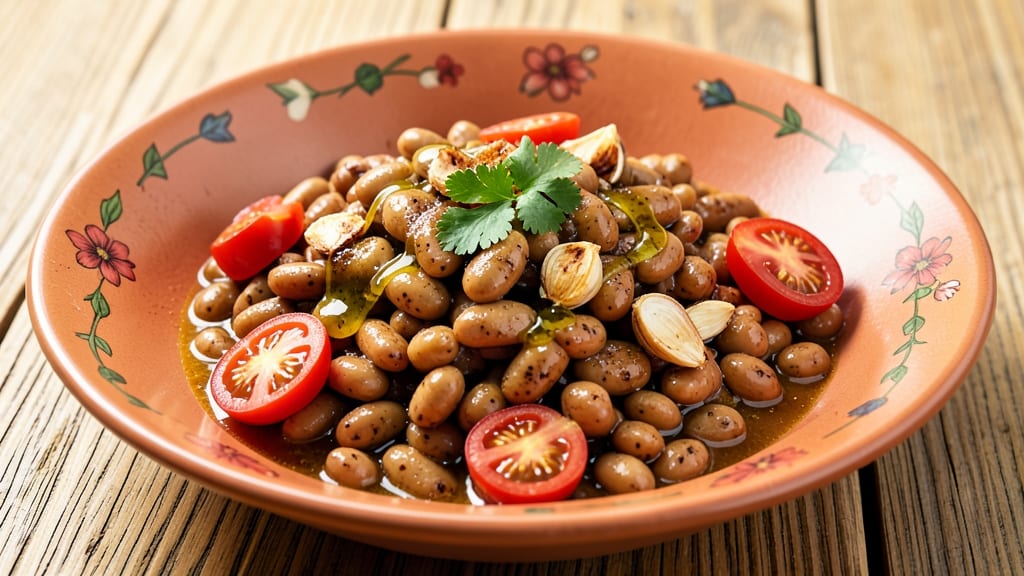
This Badia pinto bean recipe transports you to the rolling hills of Tuscany with its deep, smoky flavors and velvety texture. The secret lies in slow-simmering pinto beans with garlic, tomatoes, and a touch of brown sugar that caramelizes into rich sweetness—just like Nonna used to make.
What sets this dish apart is the balance of earthy herbs and subtle smokiness, creating a side that stands up to hearty meats or shines as a vegetarian main.
The beauty of this recipe is its simplicity: just a few pantry staples and 30 minutes of active prep, followed by hours of slow cooking that develop layers of flavor.
The beans become tender yet hold their shape, while the brown sugar transforms into a glossy glaze that clings to each bite. This is comfort food at its finest—warm, satisfying, and packed with rustic Italian charm.
What you’ll end up with is a hearty, one-pot dish that’s perfect for family dinners or holiday tables. The aroma alone—garlicky, herby, with a hint of caramel—will have everyone gathered around the table.
Serve it alongside grilled meats, polenta, or crusty bread to soak up every last bit of that smoky, sweet sauce.
Ready to master this Tuscan classic? The key is patience—letting the flavors meld and deepen over time. No shortcuts here, just pure, old-world taste. Let’s get cooking!
Ingredients for badia pinto bean
Pantry staples meet Tuscan tradition in this slow-cooked pinto bean masterpiece.
| Ingredient | Amount | Notes |
|---|---|---|
| Dried Pinto Beans 🌾 | 2 cups | Soaked overnight or quick-soaked |
| San Marzano Tomatoes 🍅 | 28 oz | Canned, crushed by hand |
| Garlic Cloves 🧄 | 6 cloves | Minced, fresh preferred |
| Brown Sugar 🍯 | ¼ cup | Light or dark variety |
| Extra-Virgin Olive Oil 🫒 | ½ cup | For richness and depth |
| Vegetable Broth 💧 | 4 cups | Low-sodium preferred |
| Red Wine Vinegar 🍷 | 1 tbsp | For brightness |
| Dried Oregano 🌿 | 1 tsp | Italian variety preferred |
| Bay Leaves 🍃 | 2 whole | Fresh or dried |
| Smoked Paprika 🌶️ | 1 tsp | For subtle smokiness |
| Salt 🧂 | 1 ½ tsp | Kosher or sea salt |
| Black Pepper 🌶️ | ½ tsp | Freshly ground |
| Fresh Rosemary 🌿 | 1 tbsp | Chopped, stems removed |
| Fresh Thyme 🌿 | 1 tsp | Leaves only |
Pinto beans are the heart of this dish—dried beans develop richer flavor than canned, but if you're short on time, rinsed canned beans work too. For the tomatoes, San Marzano is ideal—its sweetness caramelizes beautifully. I always grab a 28-ounce can from Whole Foods or Trader Joe's for that perfect balance of acidity and sweetness. The garlic should be fresh, not jarred—minced finely for maximum flavor infusion. If you're using dried beans, soak them overnight or quick-soak with boiling water for an hour.
No smoked paprika? Substitute with a pinch of liquid smoke (start with ½ tsp) or extra dried thyme. Running low on red wine vinegar? Apple cider vinegar works in a pinch—just reduce to ½ tbsp. The brown sugar is non-negotiable for that caramelized depth, but if you prefer less sweetness, reduce to 2 tablespoons. For the herbs, dried oregano at half the amount works if fresh isn't available, but nothing beats the bright, aromatic freshness of rosemary and thyme. The vegetable broth? Low-sodium is crucial—we're building layers of flavor, not salt bombs.
This dish tastes even better the next day—plan ahead and make a double batch. Store in an airtight container in the fridge for up to 5 days or freeze portions for 3 months. The sauce thickens as it cools, so add a splash of broth when reheating. I like to portion it into glass jars for easy serving—just grab and go for meal prep. The beans hold their shape beautifully, making this perfect for lunchboxes or potlucks. For extra richness, drizzle with olive oil before serving.
Why You'll Love This Recipe
- No-Soaking Needed: I’ll admit, I used to dread soaking beans—but these pinto beans? Just a quick rinse and a slow simmer with the tomatoes, and they soften into creamy perfection. That brown sugar? It melts into the beans like a secret hug, making them taste richer without extra work.
- Sweet-Savory Magic: Between the deep, jammy San Marzano tomatoes and the caramelized garlic, this isn’t just a bean dish—it’s a flavor explosion. The brown sugar cuts through the acidity, leaving you with a dish that’s ridiculously good, even on its own.
- Meal Prep MVP: Make a big batch on Sunday, and you’ve got lunch or dinner covered all week. It reheats like a dream—just add a splash of water, and the beans stay tender. Honestly, I’ve taken it to potlucks, BBQs, and even packed it in my kid’s lunchbox (yes, even on a Tuesday night).
- Budget-Friendly Powerhouse: Dried pinto beans and canned tomatoes? That’s a grocery game-changer. A single batch feeds four for under $5, and the olive oil and garlic stretch the flavor without breaking the bank. Between us, this is my go-to when I’m trying to stretch a paycheck.
Step-by-step instructions for slow-simmered pinto beans with caramelized brown sugar
This method delivers restaurant-quality Badia-style beans with deep smoky notes and perfect texture.
Prepare the Beans for Cooking
First, sort through the 2 cups dried pinto beans, discarding any shriveled or damaged beans. For best results, I recommend soaking them overnight in plenty of cold water (at least 4 cups) to soften them thoroughly. If you're short on time, you can quick-soak by covering the beans with boiling water, then letting them sit for 2 hours.
After soaking, drain and rinse the beans thoroughly. This step removes any surface starch that could make the beans gummy during cooking. Place them in a large pot and cover with fresh cold water by about 2 inches. Bring to a boil over high heat, then immediately reduce to a simmer and cook for 10 minutes to remove any residual bitterness. Drain again and rinse one final time before proceeding.
Build the Flavor Base
Heat the 0.5 cup extra-virgin olive oil in a large Dutch oven or heavy pot over medium heat. Add the 6 cloves minced garlic and sauté for 1-2 minutes until fragrant but not browned. This prevents bitter flavors from developing. Immediately add the 28 oz crushed San Marzano tomatoes, stirring to combine.
Increase heat to medium-high and cook the tomato mixture for 5-7 minutes until it begins to thicken slightly and the raw tomato taste disappears. The sauce should reduce enough to coat the back of a spoon but still remain saucy. This step develops the foundational flavor that carries through the entire dish.
Develop the Smoky Depth
Reduce heat to medium-low and stir in the 1 tbsp red wine vinegar, 1 tsp dried oregano, 2 whole bay leaves, 1 tsp smoked paprika, 1.5 tsp salt, and 0.5 tsp black pepper. Add the 2 cups soaked pinto beans and 4 cups vegetable broth, stirring gently to combine. The liquid should cover the beans by about 1 inch.
Bring the mixture to a gentle simmer, then immediately reduce heat to maintain a low, steady simmer. Here's the key: you want small bubbles breaking the surface occasionally, but no vigorous boiling. This slow cooking method allows the beans to absorb flavors without breaking apart. Cover the pot and simmer for 1 hour, stirring occasionally.
Add Herbs and Brown Sugar for Caramelization
After 1 hour of simmering, stir in the 1 tbsp chopped fresh rosemary and 1 tsp fresh thyme leaves. These herbs add bright, aromatic notes that complement the smoky depth. Then add the 0.25 cup brown sugar, stirring until completely dissolved. The sugar will begin to caramelize, creating those beautiful deep brown spots that indicate perfect flavor development.
Continue simmering uncovered for another 30-45 minutes, stirring occasionally. You'll notice the beans softening and the liquid reducing. The beans are done when they're tender but still hold their shape with a slight bite, and the sauce has thickened to a rich consistency. The caramelized brown sugar should create a glossy sheen on the surface.
Finish and Adjust Seasoning
Once the beans reach perfect tenderness, remove the bay leaves and adjust the seasoning if needed. Taste and add more salt if required—the beans should be flavorful but not overly salty. The final dish should have a balance of smoky, sweet, and tangy notes with the herbs adding freshness.
For best texture, let the beans sit off heat for 10 minutes before serving. This resting period allows the flavors to meld completely. Serve warm as a side dish or over rice, and enjoy the complex depth that makes Badia-style beans so special. The beans should be creamy yet hold their shape, with a sauce that's rich but not cloying.
Pro Tips For Making Badia Pinto Bean
- SOAK BEANS OVERNIGHT: Dried pinto beans need a good long soak—at least 8 hours, or overnight if you can swing it. I used to rush this and end up with beans that split or taste mealy; give them space in a bowl of water with a pinch of baking soda (helps remove skins) and you’ll save hours of simmering later.
- CRUSH TOMATOES BY HAND: Skip the blender for San Marzano tomatoes—crush them with your fingers or a wooden spoon. You want some texture, not a smooth sauce, and this keeps the natural sweetness intact. (Yes, it’s messy, but it’s worth it.)
- SWEAT GARLIC LOW AND SLOW: Add garlic after the onions are translucent, but don’t let it brown—just let it soften for 2-3 minutes on low heat. Burnt garlic ruins the whole dish, and you’ll taste it in every bite. If you’re impatient, pull the pan off heat for a minute while you prep the next step.
- ADJUST SUGAR TO TASTE: Brown sugar is key here, but don’t just follow the recipe blindly. Taste as you go—you might need 1-2 extra tablespoons, or less if your tomatoes are already sweet. The goal is a balance where the beans aren’t cloying but still sing with depth. (Trust your palate.)
Common mistakes when making perfect results
Skipping the Soak
I’ve seen many cooks rush through the soaking step, but this is where flavor magic happens. Skipping overnight soaking or using dried beans straight from the bag leads to tough, unevenly cooked beans. If you’re short on time, quick-soak for at least 2 hours—never less.
The starch released during soaking breaks down during cooking, creating that creamy texture we all love. Trust me, the extra time pays off in texture and taste. 💫
Overcrowding the Pot
Packing beans too tightly into your pot traps steam and prevents even heat distribution. This causes some beans to cook too fast (and turn mushy) while others stay undercooked. Aim for 1 inch of liquid above the beans when simmering—this ensures proper heat circulation.
If your pot is too small, cook in batches or use a larger Dutch oven. The goal is tender, intact beans, not a mushy mash.
Boiling Too Vigorously
A rolling boil breaks down beans and makes them gummy. Once your beans hit the pot, maintain a gentle simmer—small bubbles breaking the surface occasionally. I’ve ruined batches by letting them boil hard, and the texture suffers.
Keep the heat low and cover the pot to preserve moisture. This slow method builds flavor without sacrificing texture.
Ignoring the Brown Sugar
The brown sugar isn’t just for sweetness—it’s the secret to that deep, caramelized depth. If you skip it or use too little (less than ¼ cup), your beans will miss that rich, almost molasses-like quality.
Let it caramelize uncovered in the final 30-45 minutes. The glossy sheen on top? That’s the payoff. Without it, your dish will taste flat and one-dimensional.
Rushing the Simmer Time
Patience is key here. Beans need at least 1.5 hours of simmering to develop full flavor and tenderness. Cutting time short leaves them mealy and underseasoned. The first hour builds the base, while the second hour lets the herbs and sugar meld.
I’ve waited hours for a batch to reach perfection—it’s worth it. The longer they simmer, the more complex the flavors become.
Overlooking the Resting Step
Skipping the 10-minute rest after cooking means serving beans that are still releasing starch and moisture. This makes the sauce watery and the texture inconsistent. Let the beans sit off heat—this lets flavors settle and the sauce thicken naturally.
It’s a small step that makes a huge difference in presentation and taste. Don’t skip it! 🍴
Nutrition facts
Frequently asked questions
Can I use canned pinto beans instead of dried?
Yes, but with adjustments! Rinse 3 cups canned beans thoroughly to remove excess sodium, then simmer them in the sauce for 30-45 minutes to absorb flavors. Skip the initial boiling step—canned beans are pre-cooked. The texture will be slightly softer, but still delicious. For best results, use low-sodium beans and add extra herbs.
How do I make this vegetarian-friendly?
This recipe is already vegetarian, but you can enhance it further! Add 1 cup of chopped mushrooms or spinach during the final 30 minutes of cooking. For extra protein, stir in ½ cup of crumbled tofu or white beans. The smoky brown sugar caramelization works perfectly with plant-based additions—just reduce the broth by ½ cup to maintain balance.
Can I make this in an Instant Pot?
Use the same ingredients but adjust cooking times. Sauté garlic and tomatoes as directed, then add all remaining ingredients. Cook on high pressure for 25 minutes, followed by a 10-minute natural release**. Finish by adding brown sugar and herbs, then simmer on low heat for 15 minutes uncovered. The Instant Pot cuts total time to about 1 hour while keeping flavors intact.
What's the best way to store leftovers?
Store in an airtight container in the fridge for 5 days or freeze for 3 months. The flavors actually improve overnight! When reheating, add 2-3 tablespoons of water or broth to prevent thickening. For serving, drizzle with fresh olive oil and extra rosemary. The beans hold their texture beautifully when reheated gently on the stove.
Why does my sauce turn out too thin?
This usually happens from one of three issues: Overcrowding the pot (traps steam), not simmering long enough (beans need 1.5+ hours to thicken), or skipping the resting step. Fix it by reducing the sauce uncovered on medium heat for 10-15 minutes, stirring occasionally. For prevention, use a Dutch oven and maintain 1 inch of liquid above the beans during cooking.