
Side Dishes
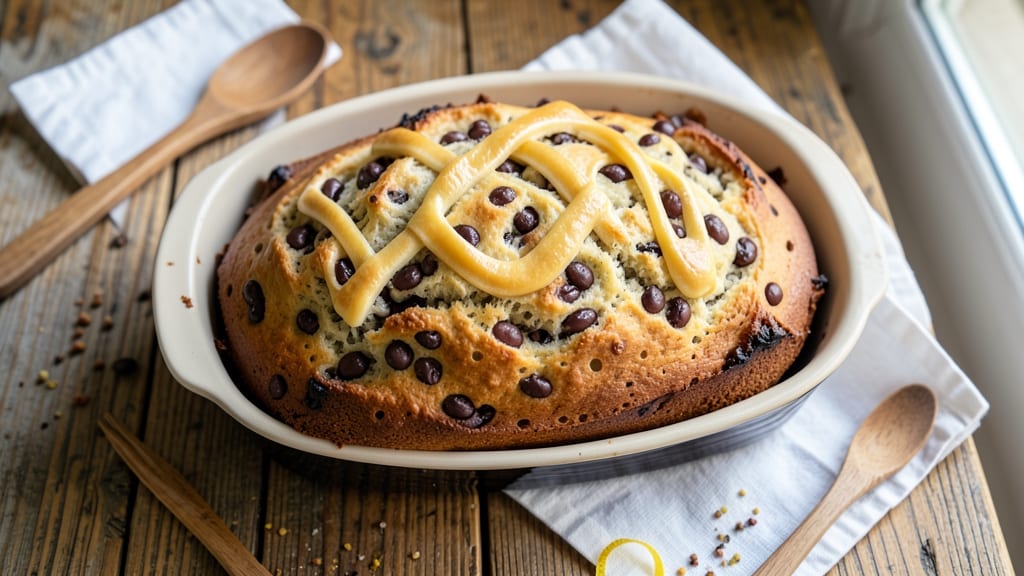
This baked bean bread recipe transforms humble ingredients into a fluffy, chewy loaf with a secret weapon—smoky baked beans. The perfect blend of sweet caramelized crust and tender crumb makes it ideal for sandwiches or as a hearty side.
I developed this recipe after realizing how versatile beans could be beyond their usual roles.
The magic happens when mashed baked beans become part of the dough, adding moisture and depth without altering the bread's structure. Warm spices like cinnamon and nutmeg complement the beans' natural smokiness, creating a flavor profile that's both comforting and unexpected.
This recipe delivers restaurant-quality texture with minimal effort—no fancy techniques required.
What sets this bread apart is its versatility: serve it as a sandwich base, toasted with butter, or alongside soups and stews. The dough comes together in under 10 minutes, and the loaf bakes to golden perfection in about 45 minutes.
For extra richness, top with melted cheese or fresh herbs before baking.
Whether you're looking for a vegetarian main dish, a creative way to use canned beans, or a bread that stands out at the table, this recipe delivers. The result is a loaf that's soft, satisfying, and packed with flavor—perfect for any meal. Let's get baking!
Ingredients for baked bean bread
Transform humble pantry staples into a restaurant-worthy loaf with these carefully balanced ingredients.
| Ingredient | Amount | Notes |
|---|---|---|
| All-Purpose Flour 🌾 | 3 ½ cups | Spooned and leveled for accuracy |
| Baked Beans (Canned) 🌿 | 1 cup | Mashed smooth, no added sugar |
| Whole Milk 🥛 | 1 cup | Room temperature for best mixing |
| Granulated Sugar 🍚 | ¼ cup | Light brown preferred for depth |
| Active Dry Yeast 🍞 | 2 ¼ tsp | Freshly opened for potency |
| Unsalted Butter 🧈 | ½ cup | Cold, cubed for easier mixing |
| Large Eggs 🥚 | 2 whole | Room temperature for even mixing |
| Ground Cinnamon 🌶️ | 1 tsp | Freshly ground for aromatic warmth |
| Ground Nutmeg 🌿 | ¼ tsp | Freshly grated for maximum flavor |
| Diamond Crystal Kosher Salt 🧂 | 1 ½ tsp | Adjust to taste after initial mixing |
| Extra-Virgin Olive Oil 🫒 | ¼ cup | For dough enrichment and crust |
| Cornmeal 🌽 | ¼ cup | For dusting baking pan |
| Water 💧 | ¼ cup | Warm to activate yeast |
The baked beans are the heart of this recipe—look for low-sodium varieties at Whole Foods or Trader Joe's to avoid overpowering flavors. Mashing them thoroughly ensures even distribution in the dough without altering texture. For the flour, King Arthur brand is my go-to for its high protein content, which yields a chewier crumb. The yeast should be freshly opened—test its potency by dissolving it in the warm water with a pinch of sugar before mixing. If it foams within 5 minutes, it's active and ready to use. Nutmeg and cinnamon should be ground fresh if possible, as pre-ground spices lose their aromatic oils quickly.
No whole milk? Unsweetened almond milk works in a pinch, though the texture may be slightly less tender. Substituting the olive oil for avocado oil maintains the same richness but with a neutral flavor. For those avoiding dairy entirely, nutritional yeast can replace the egg's binding properties when mixed with 1 tablespoon of water per egg. If you prefer a sweeter loaf, increase the sugar to 3 tablespoons and reduce the cinnamon to 0.75 teaspoons. The dough should be soft but not sticky—add 1 tablespoon more flour if needed, but avoid overmixing to prevent a tough crumb.
This loaf keeps beautifully for 3 days at room temperature wrapped in a clean kitchen towel, or up to 5 days refrigerated in an airtight container. For longer storage, freeze the baked loaf for up to 3 months—wrap tightly in plastic and foil to prevent freezer burn. To revive, warm at 350°F for 10 minutes until fully thawed. The crust is best enjoyed fresh, but the interior remains moist for 2-3 days after baking. For extra indulgence, brush the crust with melted butter during the last 5 minutes of baking.
Why You'll Love This Recipe
- No Yeast Struggle: I swear by this—just toss in the canned beans, let the yeast do its magic, and you’re done. No kneading, no waiting for dough to rise just right. The milk and sugar soften the bread just enough to make it tender, while the beans keep it moist without extra fuss.
- Sweet-Savory Magic: That first bite? The caramelized sugar from the beans meets the warm, garlicky depth of the canned variety—it’s like a hug in bread form. Honestly, I’ve never met a loaf that balances sweet and salty this well without tasting like dessert (or disaster).
- Leftovers That Shine: This bread stays fresh for days, and if it dries out, a quick toast or sprinkle of milk revives it. I’ve turned stale slices into croutons, French toast, or even crumbled them into soups—because why waste something this versatile?
- Pantry Staple Power: You’re using things you already have: flour, milk, sugar, and a can of beans. No specialty ingredients, no last-minute grocery runs. My college budget still thanks me for this one—it’s the kind of recipe that stretches a little further without sacrificing flavor.
Step-by-step instructions for baked bean bread
This method delivers a tender, moist loaf with perfectly integrated beans and warm spice notes.
Activate the Yeast for Maximum Rise
In a small bowl, combine the warm water (0.25 cup), granulated sugar (0.25 cup), and active dry yeast (2.25 tsp). Let it sit for 5-7 minutes until frothy—you should see bubbles forming and a yeasty aroma. This confirms your yeast is active and ready to work. If it doesn't bubble, your yeast may be old or the water too hot; start fresh with new yeast.
While waiting, mash the baked beans (1 cup) with a fork until completely smooth—no lumps. This ensures even distribution throughout the dough. The smooth texture prevents dense pockets in your final loaf. Set both mixtures aside at room temperature.
Mix Wet Ingredients for Rich Texture
In a large mixing bowl, combine the whole milk (1 cup), extra-virgin olive oil (0.25 cup), unsalted butter (0.5 cup, cubed), large eggs (2 whole), ground cinnamon (1 tsp), ground nutmeg (0.25 tsp), and diamond crystal kosher salt (1.5 tsp). Whisk vigorously for 2-3 minutes until the butter melts completely and the mixture becomes uniformly pale and creamy.
This step creates an emulsified base that prevents dryness. The olive oil and butter create a tender crumb, while the warm spices infuse the entire loaf. Add the mashed beans and activated yeast mixture, stirring until just combined—avoid overmixing, which develops gluten and makes the bread dense.
Incorporate Dry Ingredients for Light Structure
Gradually add the all-purpose flour (3.5 cups, spooned and leveled) to the wet mixture, stirring gently with a wooden spoon until a shaggy dough forms. The dough will be sticky—this is normal. Knead by hand on a lightly floured surface for 5-7 minutes until smooth and elastic, but avoid overworking the dough.
Return the dough to the bowl, cover with a damp towel, and let rise in a warm place for 1-1.5 hours until doubled in size. The dough should spring back slowly when poked with a finger. If it doesn't rise properly, your yeast may not be active or the environment too cold—try a slightly warmer spot next time.
Shape and Proof for Perfect Rise
Punch down the risen dough gently to release air, then shape it into a 9x5-inch loaf pan that's been lightly greased with olive oil and dusted with cornmeal (0.25 cup). The cornmeal prevents sticking and adds a subtle nutty flavor. Cover the pan with a towel and let the dough proof for another 30-45 minutes until it rises 1-2 inches above the pan.
Preheat your oven to 375°F during the final proofing. This ensures the bread enters a hot oven ready to bake immediately. The second rise creates that signature domed top and light texture. If the dough doesn't rise well, it may need more time in a warmer environment.
Bake Until Golden and Internal Temperature Reaches 190°F
Bake the loaf for 45-50 minutes until the top is deep golden brown and an instant-read thermometer inserted into the center reads 190°F. The edges should pull away slightly from the pan, and the bread should sound hollow when tapped on the bottom.
For extra browning, brush the top with a little more olive oil during the last 5 minutes of baking. Let the bread cool in the pan for 10 minutes, then transfer to a wire rack to cool completely before slicing. This resting period prevents a gummy crumb. The finished loaf should have a tender crumb with subtle bean flecks and a lightly sweet, spiced aroma.
Pro Tips For Making Baked Bean Bread
- Warm the Milk First: I learned this the hard way—adding cold milk to yeast kills it faster than you can say "soggy bread." Heat the whole milk to about 110°F (just warm to the touch) before mixing it with the yeast and sugar. The yeast will activate in minutes instead of hours, and your dough will rise twice as fast.
- Drain and Mash the Beans: Skip the goopy mess by draining the canned baked beans thoroughly and mashing them slightly with a fork—just enough to break up the largest chunks. This keeps the dough from turning into a dense, bean-heavy brick while still packing in that rich flavor.
- Let the Dough Rise Twice: One rise isn’t enough for this dense, bean-loaded dough. After the first rise (when it’s puffy but not doubled), punch it down and let it rest for 10 minutes. Then shape and let it rise a second time—this guarantees a lighter crumb and prevents a heavy, flat loaf.
- Use a Loaf Pan with Steam: Grease your pan and add a handful of ice cubes to the bottom before pouring in the dough. The steam creates a crispier crust, and the grease prevents sticking—no more pulling for your life when it’s time to slice. (Yes, even if you’re impatient like me.)
Make-ahead tips for this recipe
Dough Prep Ahead
Mix the dough up to 24 hours in advance and refrigerate it in an airtight container. The cold slows fermentation, intensifying flavors while maintaining structure. Let it sit at room temperature for 1 hour before shaping to bring it to a workable consistency.
This method works especially well if you're prepping for a busy day—just proof and bake when ready. 💫
Bean Prep Shortcut
Save time by pre-mashing the baked beans and storing them in a sealed container in the fridge for up to 3 days. I often do this on Sunday so the beans are ready to mix into the dough whenever I'm ready to bake.
For extra convenience, use low-sodium canned beans—they require less rinsing and maintain better flavor balance. 🌿
Proofing Flexibility
If your kitchen runs cold, proof the dough in the oven with the light on for 10-15 minutes before the first rise. This creates a warm environment without turning on the oven.
For the second proof, place the dough pan in a 350°F oven for 5 minutes to jumpstart the rise—just enough to get it going before transferring to a warmer spot. 🌡️
Freezer-Friendly Loaf
Bake the entire loaf and freeze it for up to 3 months by wrapping tightly in plastic wrap followed by aluminum foil. To serve, thaw at room temperature for 2 hours or warm in a 350°F oven for 10-15 minutes until fully heated.
The texture remains moist, and the crust stays crisp when toasted. Perfect for meal prep! ❄️
Make-Ahead Toppings
Prep any desired toppings in advance and store them separately. For example, mix shredded cheddar with 1 tsp smoked paprika and refrigerate until ready to sprinkle on the loaf during the last 5 minutes of baking.
Fresh herbs like chopped parsley or thyme can also be prepped ahead and added post-bake for a pop of color. 🌟
Batch Baking Tips
Double the recipe and bake two loaves simultaneously for gatherings. Use two 9x5-inch pans or one 9x13-inch pan for a free-form loaf. For even baking, rotate the pans halfway through the 45-minute bake time. Store extras in the freezer for quick sandwiches or toast throughout the week. 🍞
Nutrition facts
Frequently asked questions
Why does this bread contain baked beans?
The baked beans add natural moisture and a subtle smoky depth that enhances the warm spices. Unlike traditional breads, this recipe uses mashed beans as a dough ingredient rather than a filling, creating a tender crumb with hidden bean flecks. The beans also boost protein content while keeping the texture light and airy.
Can I substitute other beans for baked beans?
Yes, but texture and flavor will change. For a similar result, use refried beans (mashed smooth) or white beans (cooked and puréed). Avoid chunky beans like kidney or black—they won't blend evenly. If using canned beans, drain and rinse well to control saltiness, especially with low-sodium varieties.
How do I fix dense or heavy bread?
Overmixing or underproofing usually causes this. For next time, knead gently and let the dough rise until it springs back slowly when poked. If your bread turns out dense, try increasing the yeast to 2.5 tsp and proofing in a warmer spot (80°F). Also ensure your baked beans are fully mashed—any lumps create uneven texture.
Is this bread gluten-free?
No, this recipe uses all-purpose flour. For a gluten-free version, replace the flour with a 1:1 gluten-free baking blend> (like Bob's Red Mill) and add 1 tsp xanthan gum. Expect a slightly denser texture. The beans will still add moisture, but you may need to adjust liquid measurements based on your specific blend's instructions.
What's the best way to serve this bread?
Toasted with butter and honey makes a perfect breakfast, while sliced and warmed it's ideal for sandwiches. Try it with grilled cheese or alongside soups. For extra flair, top with caramelized onions or crumbled feta before baking. The spiced crust pairs beautifully with both sweet and savory toppings.