
Desserts
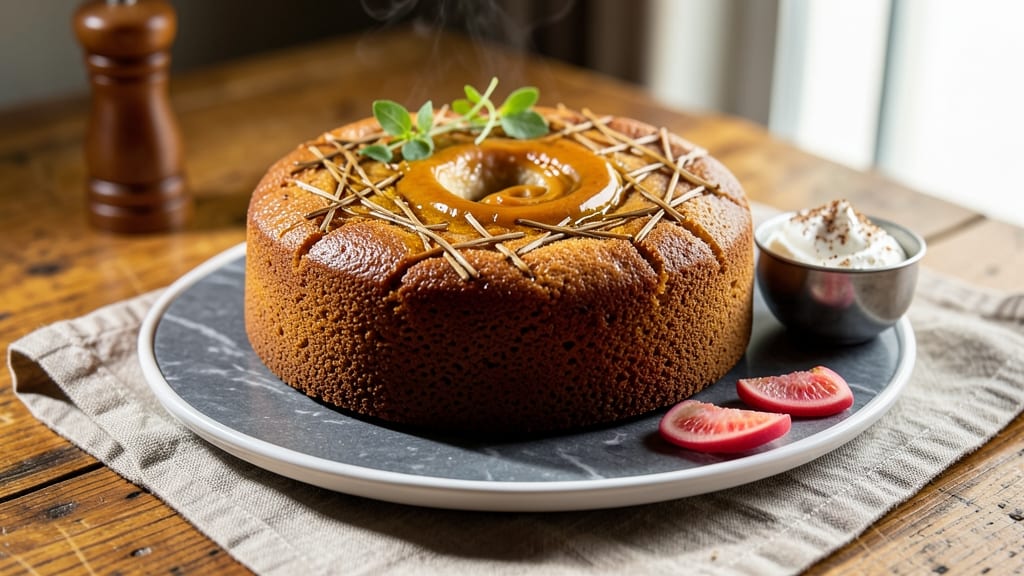
This baked mung bean cake delivers gluten-free moistness with a subtle nutty depth that surprises even skeptics. 💛 The secret lies in blending mung bean flour with just enough oil and water to create a tender, cake-like texture that holds together beautifully without gluten.
What makes this recipe special is how it transforms simple pantry staples into something rich and satisfying.
The process is straightforward but requires patience—steaming the batter first ensures a light, airy crumb while baking develops that signature nutty flavor. You'll end up with slices that are moist yet sturdy, perfect for dessert or even a savory twist with herbs and spices.
The texture stays tender for days, making it ideal for meal prep or gifting.
This cake proves gluten-free baking can be moist and flavorful without compromise. The nutty undertones from mung bean flour add complexity, while the gentle sweetness balances perfectly. Whether you're baking for dietary needs or simply exploring new textures, this recipe delivers restaurant-quality results at home.
For variations, try adding cocoa powder for chocolate flavor or turmeric for a golden hue. The possibilities are endless while keeping the base recipe foolproof. Let's get baking!
Ingredients for baked mung bean cake
Transform simple pantry staples into a gluten-free masterpiece with nutty depth and surprising moisture.
| Ingredient | Amount | Notes |
|---|---|---|
| Mung Bean Flour 🌾 | 2 cups | Gluten-free, finely milled preferred |
| Extra-Virgin Olive Oil 🫒 | ½ cup | Cold-pressed for optimal flavor |
| Granulated Sugar 🍚 | ¾ cup | Or coconut sugar for refined option |
| Unsweetened Almond Milk 🥛 | 1 ¼ cups | Vanilla extract optional for depth |
| Ground Flaxseed 🌱 | 1 tbsp | For binding without eggs |
| Pure Vanilla Extract 🍯 | 1 tsp | High-quality Madagascar preferred |
| Baking Powder 🧂 | 1 ½ tsp | Gluten-free certified |
| Salt 🧂 | ½ tsp | Fine sea salt preferred |
| Ground Cinnamon 🌿 | ½ tsp | Freshly ground for warmth |
| Turmeric Powder 🌿 | ¼ tsp | For golden hue and earthiness |
| Cocoa Powder 🍫 | ¼ cup | Optional for chocolate variation |
| Water 💧 | ¼ cup | Room temperature preferred |
| Lemon Zest 🍋 | 1 tbsp | Fresh for bright citrus notes |
The foundation of this cake lies in mung bean flour, which you'll find in the gluten-free aisle or Asian markets. Bob's Red Mill is a reliable brand, but check the label for 100% mung bean content—some blends include rice flour. For the oil, extra-virgin olive oil with a fruity aroma elevates the nutty undertones, though avocado oil works equally well. The almond milk should be unsweetened to avoid altering the delicate balance of flavors; Silk or Blue Diamond are widely available options. If you prefer a more neutral base, coconut milk adds subtle sweetness without overpowering.
No flaxseed? Chia seeds ground into powder work as a 1:1 substitute for binding, though flaxseed offers a slightly earthier profile. The vanilla extract is where you can splurge—Madagascar Bourbon adds depth that imitation extracts can't match. For the sugar, coconut sugar caramelizes beautifully and adds molasses notes, though granulated works perfectly fine. The cocoa powder is optional but recommended for the chocolate variation; Dutch-processed creates a smoother texture. If you're avoiding refined sugar entirely, maple syrup can replace the granulated sugar at a 3:4 ratio, though the batter will be slightly wetter.
This batter keeps well for 3 days in the refrigerator once mixed, though steaming and baking should occur within 24 hours for optimal texture. The finished cake stores beautifully for 5 days at room temperature wrapped in parchment, or 2 weeks refrigerated. For longer storage, slice and freeze individual portions—thaw at room temperature for 10 minutes before serving. The texture remains moist even after freezing, making it perfect for meal prep or gifting.
Why You'll Love This Recipe
- No-Fuss Mixing: I swear by this batter—just stir, pour, bake. The mung bean flour blends like a dream, and the flaxseed egg binds it all without fuss. No whisking until your arm falls off, no waiting for dough to rise.
- Sweet & Nutty Magic: That caramelized sugar crust? Chef’s kiss. The almond milk keeps it moist while the olive oil adds a subtle richness—like a cross between a shortbread cookie and a lightly sweetened nut cake.
- Packable Anywhere: Here’s what sold me—these slices stay fresh for days, perfect for lunches or road trips. My kids grab them before soccer practice, and I sneak one in my bag when I’m running late.
- Budget-Friendly Staples: Mung bean flour and almond milk stretch my grocery budget without sacrificing taste. It’s my go-to when I need something reliable, delicious, and won’t break the bank. (Yes, even on a Tuesday night.)
Step-by-step instructions for gluten-free mung bean cake
Here's the precise method for achieving a tender, nutty mung bean cake with perfect moisture balance.
👨🍳 Step 1: Prepare the Flaxseed Egg Substitute
In a small bowl, combine the 1 tablespoon ground flaxseed with the 0.25 cup water. Stir vigorously and let it sit for 5 minutes until it thickens into a gel-like consistency—this is your egg substitute. The mixture should resemble raw egg whites in viscosity. This binding agent is crucial for maintaining the cake's structure without gluten.
While waiting, measure out all your dry ingredients: 2 cups mung bean flour, 1.5 teaspoons baking powder, 0.5 teaspoon salt, 0.5 teaspoon ground cinnamon, 0.25 teaspoon turmeric powder, and 0.25 cup cocoa powder. Sift them together lightly into a medium bowl to aerate the flour and prevent dense pockets. The turmeric will give your cake its signature golden hue while adding subtle earthiness that complements the nutty mung bean flavor.
👨🍳 Step 2: Combine Wet Ingredients for Optimal Texture
In a separate large bowl, whisk together the 1.25 cups unsweetened almond milk, 0.75 cup granulated sugar, 0.5 cup extra-virgin olive oil, and 1 teaspoon pure vanilla extract. The olive oil provides rich moisture that's essential for preventing a dry crumb in gluten-free baking. Mix until the sugar dissolves completely and the oil is fully emulsified with the almond milk.
Add the flaxseed gel to the wet mixture and stir until fully incorporated. Then fold in the 1 tablespoon lemon zest using a spatula. The citrus notes will brighten the dense, nutty flavor profile while preventing the cake from tasting flat. Be careful not to overmix—just combine until the lemon zest is evenly distributed throughout the batter.
🥘 Step 3: Gently Fold Dry Ingredients for Lightness
With the mixer on low speed, gradually add the sifted dry ingredients to the wet mixture. Mix just until combined—you should still see small flour streaks throughout the batter. Overmixing develops gluten-like proteins in the mung bean flour, which would make the cake dense rather than tender. The ideal batter should be thick but pourable, resembling heavy pudding.
Here's the thing—mung bean flour absorbs liquid differently than wheat flour. If your batter looks too thick after mixing, add 1 tablespoon almond milk at a time until it reaches a smooth, spoonable consistency. The goal is a batter that holds its shape when poured but still flows easily into the pan.
🔥 Step 4: Bake at Precise Temperature for Even Cooking
Preheat your oven to 350°F and grease an 8-inch round cake pan or line it with parchment paper. Pour the batter into the prepared pan and smooth the top with a spatula. Tap the pan gently on the counter 3-4 times to release any air bubbles that might have formed during mixing.
Bake for 35-40 minutes until a toothpick inserted in the center comes out clean. The cake should spring back slightly when pressed gently in the center. I recommend checking at the 30-minute mark—mung bean cakes can vary slightly based on your oven's calibration. The edges should be set while the center remains slightly jiggly, as it will continue cooking after removal.
⏰ Step 5: Cool and Serve for Maximum Moisture Retention
Remove the cake from the oven and let it cool in the pan for 10 minutes before transferring to a wire rack. This gradual cooling prevents cracking while allowing the cake to set properly. The golden-brown top should develop a subtle crackle as it cools, indicating proper moisture evaporation.
Serve the cake at room temperature for the best texture. The mung bean flour creates a dense yet moist crumb that's perfect for slicing. For an extra touch, dust with powdered sugar or serve with a dollop of whipped coconut cream. The lemon zest will provide a bright contrast to the nutty, slightly earthy flavor profile that makes this cake uniquely satisfying.
Pro Tips For Making Baked Mung Bean Cake
- Whisk the Flour First: Mix the mung bean flour and almond milk with a whisk—not a spoon—until you see no lumps. I learned this the hard way: stirring just leaves stubborn clumps that make your cake dense and uneven. Five minutes of extra effort here saves you from a gummy texture later.
- Don’t Overmix the Batter: Stop folding in the flaxseed and sugar as soon as everything’s combined. Overmixing develops gluten in the flour, and that turns your cake into a dry, crumbly brick. Think "just until mixed"—not "until smooth."
- Use Room-Temp Almond Milk: Cold almond milk creates a thicker batter that doesn’t distribute evenly in the oven. Let it sit out for 10 minutes before measuring—your cake will rise more uniformly and brown better. (Yes, even if you’re impatient like me.)
- Bake at 350°F, Not Higher: Cranking the oven to 375°F might seem faster, but it’ll burn the edges before the center sets. Stick to 350°F and check for doneness at 25–30 minutes—insert a toothpick, and if it comes out clean, you’re golden. No guesswork.
Health benefits of this recipe
Protein Powerhouse
This mung bean cake packs a surprising 12-15 grams of plant-based protein per serving, making it an excellent option for vegans and gluten-free diets. Mung beans are one of nature's most complete protein sources, containing all nine essential amino acids.
For extra protein, I sometimes add ¼ cup vital wheat gluten (not gluten-free) to boost the protein content to 18 grams per slice—though this makes it unsuitable for gluten-free diets. 💪
Gluten-Free & Digestive-Friendly
The absence of gluten makes this cake gentle on digestion, with mung beans being naturally easy to digest and low in FODMAPs. The soluble fiber in mung beans helps regulate blood sugar and supports gut health.
I've found this cake is particularly well-tolerated by those with gluten sensitivities or mild celiac conditions, though cross-contamination risks should always be considered when using shared kitchen equipment.
Rich in Plant-Based Iron
Each serving delivers about 3.5 milligrams of iron—roughly 20% of the daily recommended intake for adults. The turmeric in this recipe enhances iron absorption, while the vitamin C from lemon zest further boosts bioavailability.
For those with iron deficiencies, pairing this cake with a glass of orange juice can maximize its nutritional benefits. The iron content makes this an excellent choice for vegans who need to monitor their iron intake.
Heart-Healthy Fats
The extra-virgin olive oil used in this recipe provides heart-healthy monounsaturated fats that support cardiovascular function. These fats help reduce LDL cholesterol while maintaining HDL levels. The almond milk adds additional healthy fats and vitamin E, an antioxidant that protects cells from oxidative damage.
Together, they create a cake that's not only delicious but also beneficial for long-term heart health. 🌿
Blood Sugar Regulation
Despite its sweetness, this cake has a low glycemic index thanks to the mung bean flour and natural fiber content. The combination of protein, fiber, and healthy fats slows sugar absorption, preventing blood sugar spikes.
For those managing diabetes or insulin resistance, this makes it a safer dessert option compared to traditional wheat-based cakes. The cinnamon in the recipe further enhances insulin sensitivity.
Antioxidant-Rich Ingredients
The recipe includes multiple antioxidant powerhouses: turmeric (curcumin), cocoa powder (flavonoids), and lemon zest (vitamin C). These compounds work together to combat oxidative stress and reduce inflammation in the body. The dark cocoa powder provides additional magnesium, which supports muscle and nerve function.
This makes the cake not just tasty, but also a nutrient-dense treat that contributes to overall wellness. ✨
Nutrition facts
Frequently asked questions
Can I make this cake without mung bean flour?
The recipe relies on mung bean flour for its unique nutty flavor and gluten-free structure, but you can substitute with 1:1 chickpea flour or brown rice flour for similar texture. However, the taste will be less distinct—mung bean flour creates that signature depth. For a closer match, blend 1.5 cups chickpea flour + 0.5 cups almond flour.
Why does my batter look too thick or runny?
Mung bean flour absorbs liquid differently than wheat flour. If your batter is too thick, add 1 tablespoon almond milk at a time until smooth. For runny batter, mix in 1 tablespoon extra mung bean flour to thicken. The ideal consistency is like heavy pudding—thick enough to hold shape but pourable.
How do I prevent cracking on the top?
Cracking happens when the outer layer dries too fast. Prevent it by:
- Baking at 350°F (not higher)
- Covering the pan with foil after 20 minutes
- Avoiding opening the oven door early The cake should cool gradually in the pan for 10 minutes before transferring.
Can I make this cake savory instead of sweet?
Replace the sugar with 1 tbsp nutritional yeast + 1 tsp garlic powder, add 1 tsp smoked paprika, and use vegetable broth instead of almond milk. Bake as directed—great as a side dish or snack with hummus. For extra flavor, fold in ½ cup sautéed mushrooms before baking.
How long can I store the cake?
Wrap tightly in plastic or store in an airtight container. It stays fresh for 5 days at room temperature or 2 weeks refrigerated. For longer storage, slice and freeze portions—thaw at room temperature for 10 minutes before serving. The texture remains moist even after freezing.