
Sauces & Condiments
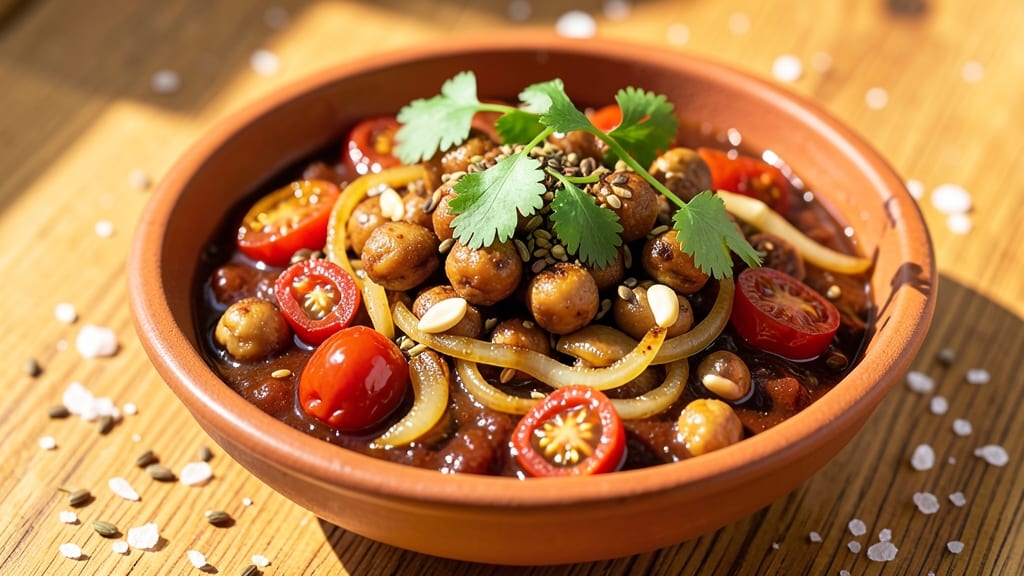
This bean chutney recipe transforms humble pantry staples into a rich, spiced condiment that adds depth to everything from sandwiches to grilled meats. The secret lies in roasting whole spices and beans until fragrant and nutty, then blending them into a smooth, tangy paste with garlic, lemon, and cumin.
I developed this version after struggling to find a chutney that balanced bold flavors with pantry-friendly ingredients—now it’s my go-to for adding complexity to meals in minutes.
The beauty of this chutney is its versatility: it works as a dip, a sandwich spread, or a marinade base, and the roasted spices give it a toasty, aromatic quality that store-bought versions can’t match.
No special equipment is needed—just a blender and a little patience for the spices to bloom. The acidity from lemon keeps it fresh, while the oil ensures a smooth, spreadable texture that clings beautifully to food.
What you’ll end up with is a smooth, slightly chunky chutney with layers of smoky cumin, bright lemon, and earthy spices—perfect for elevating simple dishes.
It keeps well in the fridge for up to 2 weeks or can be preserved in jars for longer storage, making it ideal for meal prep or gifting. The roasting step is where the magic happens, so don’t skip it.
Use it to top grilled chicken, spread on toast, or mix into hummus for extra depth. The possibilities are endless, but the process is straightforward—just blend, taste, and adjust. Here’s how to make it.
Ingredients for bean chutney
Pantry staples meet bold flavors—just ten ingredients for this versatile chutney.
| Ingredient | Amount | Notes |
|---|---|---|
| Dry Chickpeas 🌾 | 1 ½ cups | Uncooked, no need to soak |
| Yellow Onion 🧅 | 1 whole | Medium size, roughly chopped |
| Garlic Cloves 🧄 | 6 cloves | Fresh, peeled, whole |
| Cumin Seeds 🌿 | 1 tbsp | Whole seeds for roasting |
| Coriander Seeds 🌿 | 1 tbsp | Whole seeds for roasting |
| Mustard Seeds 🌶️ | ½ tbsp | Whole seeds for roasting |
| Fresh Lemon Juice 🍋 | ¼ cup | Freshly squeezed, strained |
| Extra-Virgin Olive Oil 🫒 | ½ cup | High quality, fruity |
| Salt 🧂 | 1 tsp | Kosher or sea salt |
| Black Pepper 🌶️ | ½ tsp | Freshly ground preferred |
The spices are everything here. Whole cumin, coriander, and mustard seeds toast up beautifully in a dry pan until fragrant—about 2-3 minutes. Trader Joe's and Whole Foods bulk bins are great for spices, but even the regular grocery store stuff works if it's fresh. Look for vibrant color and a strong aroma when you buy. The chickpeas? Any dry variety works—no need to soak them first. The roasting step is non-negotiable—it builds that deep, nutty flavor that makes this chutney special. Skip it, and you'll just get a basic bean dip.
No whole spices? Ground cumin and coriander at half the amount will work in a pinch, but you'll lose that toasty depth. Fresh lemon juice is ideal, but bottled lemon juice works too—just add a pinch of sugar to balance the acidity. Short on olive oil? Avocado oil or toasted sesame oil both work beautifully. The onion and garlic can be swapped for 1/4 cup each of red onion and green garlic if you're feeling fancy. For a smoother texture, blend longer—but I like a little texture to keep it interesting. Taste as you go and adjust the salt or lemon to your preference.
This chutney keeps for 2 weeks in the fridge, sealed in a jar with a thin layer of oil on top to preserve freshness. For longer storage, freeze in ice cube trays for up to 6 months—just thaw and blend again before using. It's perfect for meal prep: make a big batch and keep it on hand for quick flavor boosts. The flavors actually improve after a day or two as everything melds together. Store-bought versions can't compete with this homemade richness—trust me, you'll want to make extra.
Why You'll Love This Recipe
- No-Fuss Pantry Magic: I swear by this when I forget to grocery shop—just soak those dry chickpeas overnight, then toss them with onions, garlic, and whole spices while dinner simmers. No fancy prep, no last-minute store runs.
- Earthy Depth in Minutes: The cumin and coriander toast in the oil until they smell like a spice market, then the chickpeas soak up that warmth while staying tender. Honestly, it’s the kind of flavor that makes store-bought chutneys look sad.
- Weeknight Workhorse: Slather it on toast for breakfast, mix into rice for lunch, or dollop on grilled meats at dinner. My kids even ask for it in their sandwiches—because once you taste how the onions caramelize with the chickpeas, you’ll want it everywhere.
- Budget-Friendly Pantry Staple: A bag of dry chickpeas lasts me months, and the spices? A few dollars’ worth of whole seeds go further than pre-ground nonsense. Between us, this is how I stretch grocery money without sacrificing taste.
Step-by-step instructions for bean chutney recipe
Here's how to transform simple pantry staples into rich, aromatic bean chutney.
Dry Roast the Whole Spices and Chickpeas
Heat a heavy-bottomed skillet over medium heat. Add the 1.5 cups dry chickpeas and spread them evenly in the pan. Toast them for 5-7 minutes, stirring frequently, until they turn a light golden brown and smell nutty. This step develops their natural sweetness and removes any bitterness.
Remove the chickpeas and set aside. In the same pan, add the 1 tbsp cumin seeds, 1 tbsp coriander seeds, and 0.5 tbsp mustard seeds. Toast them for 1-2 minutes until they release their aroma and begin to pop—you'll smell their earthy, citrusy fragrance. Don't walk away; these spices burn quickly. Immediately transfer them to a small bowl and let cool completely.
Roast the Onion and Garlic
In the same skillet (no need to clean it—the fond adds flavor), add the 1 whole yellow onion, cut into rough chunks. Cook over medium heat for 10-12 minutes, stirring occasionally, until deeply golden brown and caramelized. This should take longer than raw onions—patience here makes all the difference.
Add the 6 cloves garlic cloves and cook for another 2-3 minutes until fragrant and lightly golden. The garlic should soften but not burn—you're aiming for sweetness, not bitterness. Transfer the onion and garlic to the bowl with the cooled spices. Let everything sit for 5 minutes to cool completely before grinding.
Grind the Roasted Mixture
Transfer the cooled chickpeas, spice mixture, and onion-garlic combination to a food processor. Pulse until the chickpeas are broken down into small pieces but not completely ground into a paste—you want some texture. Scrape down the sides as needed. Add the 1 tsp salt and 0.5 tsp black pepper, then pulse again to distribute evenly.
This is where the magic happens. The texture should be coarse but smooth enough to blend with the lemon juice later. If it's too dry, add 1 tablespoon of the extra-virgin olive oil and pulse again. The mixture should hold together when pressed but still have visible flecks of chickpeas and spices.
Finish with Lemon and Olive Oil
With the food processor running, slowly drizzle in the 0.25 cup fresh lemon juice through the feed tube. This prevents splattering and allows the lemon to incorporate smoothly. Scrape down the sides and pulse until fully combined. The chutney should be thick but pourable, with a vibrant yellow color.
With the processor still running, drizzle in the remaining 0.5 cup extra-virgin olive oil. This creates a silky, emulsified texture. Taste and adjust seasoning—you might need a pinch more salt or a splash more lemon juice to balance the flavors. The chutney should be bright, tangy, and deeply spiced with a satisfying bite.
Rest and Serve
Transfer the chutney to a clean jar and let it rest at room temperature for at least 30 minutes. This allows the flavors to meld and the texture to thicken slightly. The chutney will keep in the refrigerator for up to 2 weeks, developing even more complex flavors as it sits.
Serve this chutney with warm flatbreads, grilled meats, or as a vibrant dip. The contrast of the roasted chickpeas and spices with the bright lemon creates a perfect balance of richness and freshness. Store any leftovers in an airtight container—it only gets better with time!
Pro Tips For Making Bean Chutney
- SOAK CHICKPEAS OVERNIGHT: I learned this the hard way—skipping the soak leaves you with tough, unappetizing beans. Use 3 cups of water per cup of dry chickpeas and let them sit for at least 12 hours (yes, even if you're impatient). The longer they soak, the creamier your chutney will be—no one wants to bite into a chewy pebble.
- FRY ONIONS LOW AND SLOW: Cranking the heat to brown onions fast just burns them before they soften. Keep it at medium-low and stir often—you want them translucent, not crispy. Burnt onions make the whole chutney taste bitter, and no one wants that.
- TOAST WHOLE SPICES FIRST: Skip the pre-ground cumin and coriander—whole seeds add depth. Dry-toast them in the same pan for 30 seconds until fragrant before adding oil. This unlocks their flavor way better than dumping powder straight in. (Your future self will notice the difference.)
- BLEND IN STAGES: Don’t just dump everything into the blender and hope for the best. Pulse the soaked chickpeas first until they’re rough, then add the onions and spices. Finally, stream in water or coconut milk while blending—this keeps the texture smooth without turning it into glue. (Yes, even if you’re in a hurry.)
Regional styles of this recipe
Indian Chutney Roots
This bean chutney traces its lineage to India's South Indian chutneys, where chickpeas and lentils are staple ingredients. The traditional chana dal chutney from Karnataka uses roasted chickpeas and spices, often served with bisi bele bath (rice and lentil dish).
My version keeps the spirit but simplifies it for home cooks using dry chickpeas instead of dal. The roasting technique comes from Kerala-style chutneys, where spices are toasted until fragrant to create that signature depth. 🌶️
Middle Eastern Twist
While rooted in India, this chutney shares DNA with Middle Eastern hummus variations—especially the tahini-like texture from olive oil. In Lebanon, chickpeas are often roasted and blended with garlic and lemon, similar to my method. The key difference?
My version adds mustard seeds for a subtle heat, inspired by Egyptian molokhia (a green leaf stew) where mustard seeds are toasted for flavor. Swap the chickpeas for black beans to lean into Latin American flavors, where they’re common in Mexican salsas.
South African Adaptation
South Africa’s chakalaka (a spicy vegetable relish) often includes beans and roasted spices, making it a cousin to this chutney. The roasted onion and garlic base is a direct nod to chakalaka, while the lemon and olive oil finish mirrors South African braai (barbecue) sauces.
For a local twist, add 1 tsp smoked paprika or ½ tsp berbere spice (Ethiopian blend) to the spice mix. Serve it with boerewors (South African sausage) or melba toast for a fusion experience. 🍽️
British Colonial Legacy
British colonialism spread Indian chutneys to the UK, where they became a staple in curry sauces and sandwich spreads. My chutney’s smooth, spreadable texture makes it perfect for British-style ploughman’s lunches or crumpet topping.
The whole spices (cumin, coriander, mustard) are classic in Indian-British curries, like those from Brick Lane in London. For a British pub twist, add 1 tbsp apple cider vinegar instead of lemon juice—it’s a nod to pickled onion chutneys served with pies.
Modern Fusion Takes
Today, chutneys are evolving globally. In California, this recipe might become a vegan dip for veggie boards, paired with avocado and pickled jalapeños. In Japan, the umami-rich chickpeas could blend with miso paste (add 1 tsp white miso) for a chutney-miso hybrid.
For a Mexican-inspired version, swap the lemon for lime juice and add ½ tsp chili powder. The possibilities are endless—let your local pantry inspire you! 🌍
Nutrition facts
Frequently asked questions
Can I use canned chickpeas instead of dry?
Yes, but the flavor will be less developed. Use 1.5 cups drained canned chickpeas and roast them for 3-4 minutes until lightly golden. For extra depth, add 1/2 tsp smoked paprika to mimic the roasted dry chickpea flavor. The texture will be slightly softer but still work well.
How spicy is this chutney? Can I adjust the heat?
The recipe has mild heat from mustard seeds—adjustable based on preference. For more spice, add 1/2 tsp red pepper flakes or 1/4 tsp cayenne when blending. For a completely mild version, skip the mustard seeds and use 1/2 tsp ground cumin instead. Taste as you go!
What if my chutney separates or looks too thick?
This happens when oil and liquid aren't properly emulsified. Blend again with 1 tbsp water or lemon juice to loosen, then drizzle in 1 tsp olive oil while blending. For separation, stir vigorously or blend briefly—it should come back together. If too thick, thin with 1 tsp water or vinegar.
Can I make this chutney without a food processor?
Use a mortar and pestle for the roasted spices and chickpeas, then blend with a hand mixer or whisk. For texture, leave some chickpea chunks—this adds nice contrast. The final lemon and oil can be whisked vigorously in a bowl until emulsified. It'll take more elbow grease but works beautifully!
How do I store leftover chutney for maximum freshness?
Transfer to an airtight jar and press a layer of olive oil on top to preserve freshness. Refrigerated, it keeps for 2 weeks. For longer storage, freeze in ice cube trays (thaw and blend again before using). The oil layer prevents mold and preserves the vibrant flavors—just stir before each use!