
Side Dishes
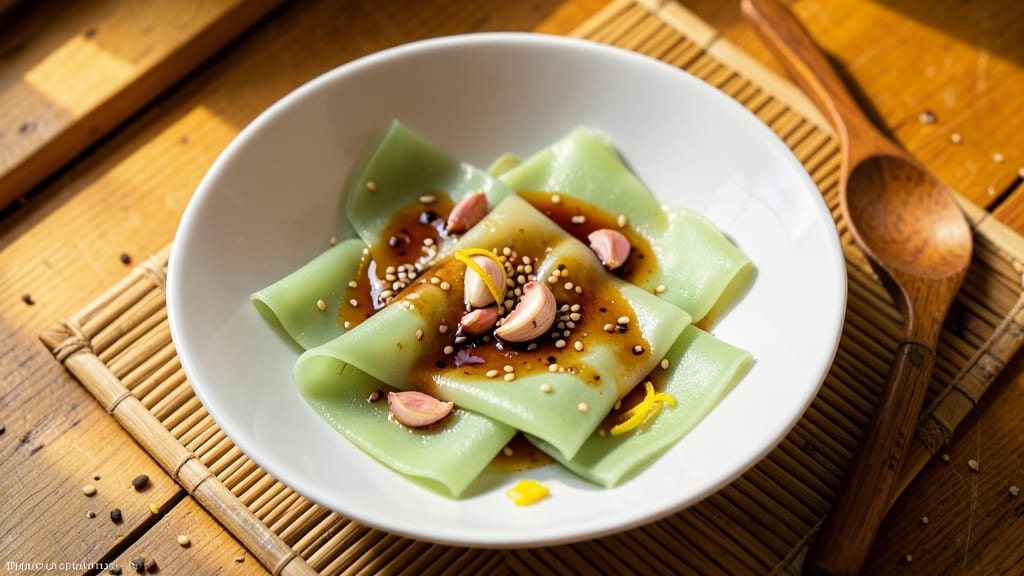
This bean curd sheets recipe transforms simple ingredients into a silky-smooth, crispy-edged dish that delivers restaurant-quality umami in every bite. The secret lies in proper soaking and high-heat wok-frying—techniques that create that signature contrast between tender centers and golden-brown exteriors.
I developed this version after testing countless methods, and it never fails to impress. What makes these sheets special is their versatility—use them as a standalone appetizer, wrap around fillings, or stir-fry with vegetables and proteins.
The key preparation step is soaking the sheets just long enough to soften without losing structure, then seasoning them to perfection. This method ensures they hold up during cooking while absorbing flavors beautifully.
By the time you're done, you'll have crispy, chewy bean curd sheets with a satisfying snap that disappears into melt-in-your-mouth silkiness. The umami-rich flavor makes them irresistible on their own, but they also elevate any dish they accompany.
Whether you're serving them as a side or incorporating them into a meal, the texture and taste will leave everyone asking for seconds. Perfect for vegan diets, gluten-free needs, or anyone craving a protein-packed, umami-rich bite. Let's get cooking!
Ingredients for bean curd sheets
Twelve simple ingredients transform into crispy, chewy bean curd sheets bursting with umami.
| Ingredient | Amount | Notes |
|---|---|---|
| Bean Curd Sheets (Yuba) 🧇 | 12 pieces | Dried, 6-inch squares (about 12 oz total) |
| Sesame Oil 🫒 | 2 tbsp | Toasted for aroma (light or dark) |
| Soy Sauce 🍶 | ½ cup | Kikkoman or similar (low-sodium preferred) |
| Rice Vinegar 🍶 | 2 tbsp | Seasoned preferred (like Kikkoman) |
| Sesame Seeds 🌾 | 2 tbsp | Toasted for crunch (white or black) |
| Garlic Cloves 🧄 | 4 cloves | Minced for flavor (or 1 tsp garlic powder) |
| Ginger Root 🌿 | 1 tbsp | Freshly grated (about 1-inch piece) |
| Vegetable Oil 🫒 | ½ cup | High smoke point (like avocado oil) |
| Maple Syrup 🍯 | 1 tbsp | For subtle sweetness (or agave) |
| White Pepper 🌶️ | ½ tsp | Freshly cracked for heat (no black pepper) |
| Water 💧 | 2 cups | Room temperature for soaking |
| Cornstarch 🌾 | 1 tbsp | For crispiness (optional but recommended) |
The bean curd sheets (yuba) are the star—look for dried sheets at Asian markets (like 99 Ranch or H Mart) or online (they ship well). If you can't find them, tofu skin works too (though texture differs). Soak them just until pliable—about 10 minutes in room-temp water—no longer or they'll turn mushy. The sheets should hold their shape but soften slightly. For best results, use thin, uniform sheets—thicker ones need longer soaking. Pro tip: Pat them dry before seasoning to prevent sticking during frying.
No sesame oil? Toast regular sesame oil in a dry pan for 1 minute to deepen flavor. Short on soy sauce? Coconut aminos work in a pinch (though flavor differs). The garlic and ginger can be swapped for 1 tbsp garlic-ginger paste if you're in a hurry. For extra crunch, toast the sesame seeds in a dry skillet for 2 minutes before adding. The maple syrup is subtle but balances the savory flavors—skip it if you prefer completely unsweetened. And yes, white pepper is key here—black pepper's color will show through the crispy exterior.
Store the dried bean curd sheets in a cool, dry place for up to 6 months—they're shelf-stable. Once soaked, use within 2 hours or refrigerate in a sealed container with a damp paper towel (they'll dry out). The seasoned sheets keep for 3 days in the fridge, but they're best freshly fried. For meal prep, freeze fried sheets between parchment paper for up to 1 month—reheat in a dry pan for 2 minutes to restore crispiness. These sheets reheat beautifully—microwave 10 seconds for a quick snack or air-fry 1 minute for extra crunch.
Why You'll Love This Recipe
- No-Fuss Assembly: I swear by this recipe because it’s the kind of dish that lets me not stress. Just soak those yuba sheets for a few minutes, toss them in a pan with a drizzle of sesame oil—boom—crispy edges in under five minutes. Honestly, it’s the kind of meal I make when I’ve had a long day and don’t want to stand at the stove for hours.
- Umami Bomb: That first bite of yuba with its crispy texture? It’s like a flavor party in your mouth. The soy sauce and rice vinegar cut through the silkiness of the bean curd, while the toasted sesame seeds add this nutty crunch that makes it ridiculously addictive. I’ll be real: I’ve eaten this straight out of the pan more times than I’d admit.
- Meal Prep MVP: This recipe is my go-to for lunches because it holds up perfectly in the fridge for days. I’ll make a big batch on Sundays, pack it in containers, and add whatever I’m craving—pickled veggies, a soft-boiled egg, or even just extra soy sauce. It’s the kind of dish that turns a boring workday into something exciting.
- Budget Crunch: Between us, yuba is one of the most affordable proteins out there, and a single package stretches for ages. A little sesame oil and soy sauce go a long way, so you’re not breaking the bank for a satisfying, restaurant-worthy meal. Plus, it’s way cheaper than takeout—my wallet thanks me every time.
Step-by-step instructions for silky-smooth wok-fried bean curd sheets
Transform delicate bean curd sheets into a crispy, umami-packed delight with this foolproof method.
Soak the Bean Curd Sheets
Fill a large bowl with the 2 cups of water and let it sit at room temperature for 5 minutes to reach equilibrium. Place the 12 pieces of dried bean curd sheets (yuba) in a single layer in the bowl, ensuring they don't overlap. Let them soak for 10-15 minutes until fully pliable and translucent—this ensures they'll hold their shape during frying without tearing.
Here's the thing—don't skip the soaking. Dry sheets will crack when fried, ruining that perfect delicate texture. Gently press the sheets with your fingers to check for even saturation. If any pieces resist, let them soak another 2-3 minutes. The sheets should feel soft like wet parchment paper, not stiff or rubbery.
Prepare the Seasoning Sauce
In a small saucepan, combine the 0.5 cup soy sauce, 2 tbsp rice vinegar, 1 tbsp maple syrup, and 0.5 tsp white pepper. Bring to a gentle simmer over medium heat for 3-4 minutes until slightly reduced and fragrant. This reduction concentrates the flavors, creating a rich, glossy sauce that'll cling beautifully to the crispy sheets.
While the sauce simmers, whisk together the 1 tbsp cornstarch with 1 tbsp water in a small bowl. Slowly pour this slurry into the simmering sauce, stirring constantly for 1-2 minutes until it thickens to a glossy consistency that coats the back of a spoon. Remove from heat immediately—overcooking will make it too thick and pasty.
Create the Crispy Garlic-Ginger Base
Heat the 0.5 cup vegetable oil in a wok or large skillet over medium-high heat until shimmering but not smoking. Add the 4 minced garlic cloves and 1 tbsp freshly grated ginger root, stirring constantly for 30-45 seconds until fragrant and just beginning to turn golden. This quick cooking preserves their fresh aroma without burning.
Immediately add the 2 tbsp sesame oil and 2 tbsp toasted sesame seeds, stirring for another 10 seconds until the sesame seeds turn a deeper golden color. The oil should smell nutty and toasty—this is your flavor foundation. Remove the pan from heat and set aside, leaving the oil hot for frying.
Fry the Bean Curd Sheets to Perfection
Working in batches of 3-4 sheets at a time, carefully transfer the soaked bean curd sheets to the hot oil using tongs. Fry for 1 minute per side until they develop a delicate golden-brown hue with crisp edges. The sheets should puff slightly but remain tender—this is the perfect balance we're after.
As each batch fries, transfer the crispy sheets to a paper towel-lined plate to drain excess oil. Don't stack them or they'll lose their crispness. If the oil loses temperature before all sheets are fried, add 1-2 minutes to each side—just watch carefully to prevent over-browning.
Combine and Serve Immediately
Return the fried bean curd sheets to the wok with the garlic-ginger oil. Pour the prepared sauce over them and toss gently with tongs for 30-45 seconds until everything is evenly coated. The sauce should cling to the crispy sheets, creating that irresistible contrast of textures.
Serve immediately while still crispy, garnished with additional sesame seeds if desired. The sheets should be delicate yet crispy with a silky interior, perfectly balanced by the savory-sweet sauce. This dish is best enjoyed fresh—waiting even 5 minutes will make them soften noticeably. Pair with steamed rice for the ultimate umami experience.
Pro Tips For Making Bean Curd Sheets
- Prep Yuba First: Soak your bean curd sheets in warm water for 30 seconds before cutting—it makes them pliable and prevents tearing. I learned this the hard way after snapping through three sheets trying to fold them dry.
- Balance Heat: Start with medium-high heat for the sesame oil, then drop to low once you add vinegar and soy sauce. Too hot, and the yuba will curl into sad little rolls; too cool, and the flavors won’t sing.
- Skip the Overcrowding: Fry the yuba in batches if needed—packing the pan turns them soggy. A single layer in a nonstick skillet is all you need for crispy edges. (Yes, even if you’re impatient like me.)
- Toast Seeds Last: Sprinkle sesame seeds over the finished dish right off the heat—they’ll stay crunchy and nutty instead of turning bitter. I used to add them earlier, and they’d go limp every time.
Troubleshooting great bean curd sheets
Uneven Soaking Issues
If your bean curd sheets aren't softening evenly, check your water temperature—it should be room temperature (not cold from the fridge). Cold water causes uneven hydration, leading to some sheets staying stiff while others become mushy.
I've found that adding 1 tsp of soy sauce to the soaking water helps distribute moisture more evenly. Also, separate thick and thin sheets—thicker ones need 2-3 extra minutes of soaking. 💧
Frying Too Long
Over-frying turns your delicate sheets into rubbery disappointment. The key is 1 minute per side—any longer and they'll lose their silky interior. Use a wok with high sides to prevent oil splatter, and keep your heat at medium-high (not high).
I swear by a thermometer—maintain 350°F for perfect crispiness without burning. If your oil smokes excessively, reduce heat immediately. 🔥
Sauce Not Sticking
The sauce should cling like glue, but if it's sliding off, your sheets might be too dry. Before frying, pat them extra dry with paper towels, but don't overdo it—just enough to remove surface moisture.
For extra adhesion, lightly brush the fried sheets with a mix of 1 tbsp cornstarch + 1 tsp water before adding sauce. Another trick? Toss the hot sheets with the sauce while still in the wok—the residual heat helps the sauce adhere better. ✨
Crispiness Lost
Stacking fried sheets kills crispiness faster than anything else. Instead, transfer them to a wire rack set over a baking sheet to drain air circulation. If you must stack, place parchment paper between layers.
For reheating, air-fry at 375°F for 1 minute—this restores crispiness without making them soggy. Pro tip: Fry in smaller batches if your oil loses temperature mid-cook. 💡
Garlic Burning
Garlic burns faster than you think! Cook it for only 30 seconds over medium-high heat—any longer and you'll get bitter smoke. I like to add the garlic to cold oil first, then heat together to prevent burning.
If your garlic starts to darken, remove it immediately and add fresh. The aroma should be bright and fresh, not smoky. 🧄
Sauce Too Thin
A runny sauce means your cornstarch slurry wasn't thickened enough. Next time, simmer the sauce longer (up to 5 minutes) or use 1 extra tbsp cornstarch. For instant fixes, mix 1 tsp cornstarch with 1 tsp water and stir into the sauce until it thickens.
If the sauce is already too thin, fry the sheets first, then toss with a thicker sauce—the residual heat will help it cling better. 🍶
Nutrition facts
Frequently asked questions about bean curd sheets
Can I use regular tofu instead of bean curd sheets?
Not exactly—they're completely different! Bean curd sheets are made from soy milk's skin, giving them a delicate, almost paper-thin texture that becomes crispy when fried. Regular tofu is denser and won't achieve the same silky-yet-crispy result. For a similar effect, try tofu skin (youtou), which is the closest substitute and works perfectly in this recipe.
How do I store leftover fried bean curd sheets?
Store them in an airtight container at room temperature for up to 2 days, but they're best fresh. For longer storage, freeze between parchment paper for 1 month. To reheat, air-fry at 375°F for 1 minute or pan-fry for 30 seconds per side until crispy again. Microwaving will make them soggy!
What's the best way to serve these sheets?
They're delicious as a standalone appetizer, but also pair perfectly with steamed rice, noodle bowls, or as wraps for fillings like veggies and tofu. For extra flavor, drizzle with chili oil or sprinkle with scallions. In Chinese cuisine, they're often served with hot mustard sauce for dipping.
Why did my bean curd sheets turn rubbery?
This usually happens from over-soaking (more than 15 minutes) or over-frying (beyond 1 minute per side). Keep your soaking water at room temperature and fry in batches over medium-high heat. The sheets should be golden and crispy outside with a soft center—like a perfect balance of textures.
Can I make this recipe without cornstarch?
Yes, but your sauce might be thinner. Swap cornstarch for 1 tsp arrowroot powder or 1 extra tbsp soy sauce (simmered longer). For extra crispiness, lightly brush the fried sheets with egg wash before tossing with sauce. The cornstarch helps create that glossy finish, but these alternatives work in a pinch.