
Soups & Stews
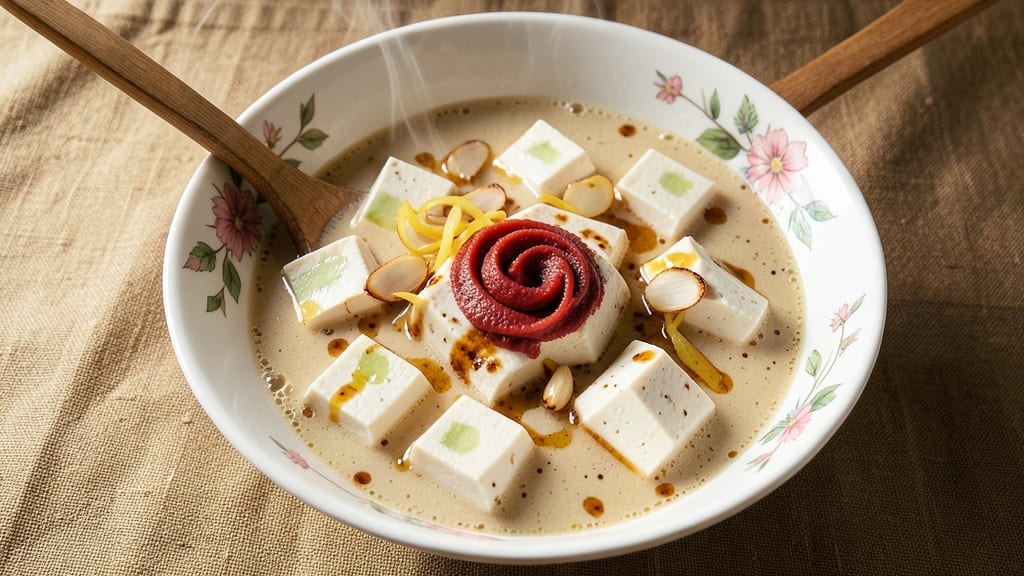
This bean curd soup recipe transforms simple ingredients into a velvety, umami-rich bowl of comfort that's both vegan-friendly and restaurant-worthy. The secret lies in balancing silken tofu with a miso-ginger broth that develops deep, layered flavors through slow simmering—no blender required.
I developed this version after testing countless adaptations of traditional doufu tang, focusing on texture contrast between creamy tofu and crisp vegetables.
The foundation starts with a savory miso base—white miso for mild sweetness, red for depth—infused with fresh ginger and garlic that mellow into aromatic warmth. Unlike many quick soups, this one rewards patience: simmering for 20 minutes allows the flavors to meld while keeping the tofu intact.
For texture lovers, I include both silken tofu (for that signature silky mouthfeel) and firm tofu (for satisfying bite), plus shiitake mushrooms that add earthy complexity.
What makes this recipe truly special is its versatility—adjust the spice level with chili oil or swap in edamame for extra protein. The broth reduces to a glossy, clinging consistency, perfectly coating each spoonful.
Garnish with scallions and sesame seeds for freshness, or keep it minimalist for a clean, elegant presentation. Whether you're serving it as a light lunch or a cozy dinner, this soup delivers restaurant-quality satisfaction with minimal effort.
For those exploring traditional variations, Japanese tofu shiru often includes kombu for umami, while Chinese versions might feature preserved vegetables. This recipe bridges both styles while keeping the process accessible.
The foolproof technique ensures creamy tofu without blending, making it perfect for beginners and seasoned cooks alike. Ready to create a bowl that's as nourishing as it is delicious?
Ingredients for bean curd soup
These carefully selected ingredients create a velvety, umami-rich bean curd soup with restaurant-quality depth.
| Ingredient | Amount | Notes |
|---|---|---|
| Silken Tofu 🥬 | 12 oz | Unopened package preferred |
| Firm Tofu 🥬 | 14 oz | Extra-firm for texture |
| White Miso Paste 🍶 | 3 tbsp | High-quality, non-GMO |
| Red Miso Paste 🍶 | 1 tbsp | For depth of flavor |
| Fresh Ginger 🌿 | 1 ½ tbsp | Finely grated, peel removed |
| Garlic Cloves 🧄 | 4 cloves | Minced for aromatic base |
| Shiitake Mushrooms 🍄 | 4 whole | Stemmed, sliced thin |
| Green Onions 🧅 | 2 whole | White and green parts separated |
| Vegetable Broth 💧 | 4 cups | Low-sodium preferred |
| Sesame Seeds 🌰 | 1 tbsp | Toasted for garnish |
| Chili Oil 🌶️ | 1 tbsp | Optional, for heat |
| Rice Vinegar 🍶 | 1 tsp | Balances richness |
| Sesame Oil 🫒 | ½ tbsp | For finishing |
| Sea Salt 🧂 | ½ tsp | Diamond Crystal preferred |
| White Pepper 🌶️ | ¼ tsp | Freshly ground |
The miso pastes form the soul of this soup—white miso delivers gentle sweetness while red miso adds earthy complexity. For optimal quality, source organic miso from specialty stores like Whole Foods or Asian markets, where you'll find brands like Hikari or Miso Master. Fresh ginger is non-negotiable here; look for vibrant, firm rhizomes with no soft spots. The shiitake mushrooms should be plump and slightly leathery—dried shiitake rehydrated in broth adds an extra layer of umami if you're feeling adventurous. For tofu, Nasoya or House Foods brands consistently deliver the best texture, though any organic tofu will work in a pinch.
No white miso? Substitute with an extra tablespoon of red miso plus a teaspoon of maple syrup to mimic the sweetness. Fresh ginger too pungent? Use powdered ginger at half the amount, though fresh is always preferable. The shiitake mushrooms can be swapped for cremini or white button mushrooms, though they'll lack the signature earthiness. For extra protein, add 1 cup of shelled edamame—simmer it with the mushrooms. The chili oil is optional but recommended; if you prefer mild heat, reduce to 0.5 tablespoon or use a pinch of red pepper flakes. The vegetable broth should be homemade if possible—store-bought brands like Imagine or Pacific Foods work in a bind, but homemade develops deeper flavor.
This soup tastes even better the next day as flavors meld—reheat gently over low heat, adding a splash of water if it thickens too much. Store in an airtight container in the fridge for up to 5 days, though the tofu may absorb some broth over time. For longer storage, freeze in single-serving portions—it keeps its texture remarkably well for up to 3 months. The sesame seeds and chili oil should be added fresh before serving to preserve their delicate flavors. Garnish with extra green onions and a drizzle of sesame oil for that final restaurant-quality touch.
Why You'll Love This Recipe
- Five-Ingredient Magic: I swear by this recipe when I’m too tired to shop. Silken tofu blends into velvety silk, firm tofu adds bite, and just a spoon of white and red miso—boom—depth without effort. Honestly, the ginger’s the star, but it takes two minutes to grate.
- Umami Bomb: That first spoonful of red miso in the broth? Rich, salty, chewy—it’s like a hug for your taste buds. The white miso balances it so smoothly, and the tofu soaks up all the flavor without overpowering. Between us, it’s the kind of soup that makes you go back for seconds.
- Lunchbox Hero: Cold the next day? Even better. I pack it in thermoses for work—silken tofu stays creamy, firm tofu holds its shape, and the ginger’s zing cuts through any afternoon slump. My coworker’s been asking for the recipe for weeks.
- Pantry Staple: Miso and tofu last forever, so this soup’s my go-to when I’m low on fresh ingredients. A pinch of ginger, a splash of water, and done—no wasted leftovers, no sad fridge scraps. Even my picky teen eats it, and that’s saying something.
Step-by-step instructions for silky miso and ginger bean curd soup
This method transforms simple ingredients into a velvety, umami-rich soup where textures dance between delicate tofu and hearty mushrooms.
Prepare the Tofu and Aromatics
Begin by pressing the 14 oz firm tofu for 15 minutes between two paper towels with a heavy object on top. This removes excess moisture for better texture. Cut the pressed tofu into ½-inch cubes and set aside. For the silken tofu, open the 12 oz package (if unopened) and gently drain any excess liquid, then cut into ½-inch cubes as well.
While the tofu presses, prepare the aromatics: Finely grate the 1.5 tbsp fresh ginger using a microplane, then mince the 4 cloves garlic cloves into a paste. Stem and thinly slice the 4 whole shiitake mushrooms. Separate the 2 whole green onions into white and green parts, discarding the white stems or saving them for another use. These preparations ensure every component is ready when you need them, maintaining the soup's harmony of flavors.
Build the Miso-Ginger Base
In a large pot, combine the 4 cups vegetable broth with the 3 tbsp white miso paste and 1 tbsp red miso paste. Stir over medium-low heat until the miso dissolves completely, about 3-4 minutes. The broth should deepen in color and develop a rich, fermented aroma. Add the grated ginger and minced garlic, cooking for another 2 minutes until fragrant.
Here's where the magic happens: The miso pastes—one white for subtle sweetness and one red for depth—blend to create a complex umami foundation. If the broth begins to boil, reduce the heat slightly. You want gentle simmering to preserve the delicate flavors without developing bitterness. This step is the soul of your soup, so don't rush it.
Incorporate Tofu and Mushrooms
Add the sliced shiitake mushrooms to the pot and simmer for 4-5 minutes until they soften slightly but retain their shape. Gently add the cubed firm tofu and silken tofu, stirring just enough to distribute them evenly. Simmer for 5 minutes on low heat, ensuring the tofu absorbs the miso-infused broth without breaking apart.
This is the moment that matters: The firm tofu provides structure, while the silken tofu adds a luxurious, almost custard-like texture. If the soup thickens too much, add 2-3 tablespoons of water to maintain the desired consistency. The tofu should be heated through but still hold its shape—overcooking will turn it rubbery.
Finish with Aromatics and Garnish
Remove the pot from heat and stir in the 1 tsp rice vinegar, 0.5 tbsp sesame oil, 0.5 tsp sea salt, and 0.25 tsp white pepper. The vinegar brightens the dish, while the sesame oil adds a nutty depth. Taste and adjust the seasoning—you might need a touch more salt or vinegar to balance the richness of the miso.
Ladle the soup into bowls, garnishing each serving with 1 teaspoon toasted sesame seeds and a drizzle of 1 tablespoon chili oil (if using). The sesame seeds add a crunchy contrast, while the chili oil introduces a subtle heat that cuts through the soup's richness. Serve immediately with the reserved green onion whites on the side for stirring in extra freshness at the table.
Pro Tips For Making Bean Curd Soup
- STIR MISO LAST MINUTE: I learned this the hard way—adding miso paste early turns your soup into a murky paste soup. Instead, dissolve it in a splash of hot broth (not boiling) right before serving. The heat activates the umami without killing the delicate flavors of the ginger and tofu.
- CUT FIRM TOFU DRY: Wet tofu cubes fall apart like sad dumplings. Pat them thoroughly with paper towels before slicing, then let them sit on a rack for 10 minutes. Sounds fussy, but it guarantees clean bites instead of a mushy mess.
- GINGER: GRATE, DON’T CHOP: Thinly grated ginger melts into the soup smoothly, while chopped chunks leave behind bitter, chewy surprises. Use a microplane and add it after the broth simmers—it’ll infuse faster and avoid overpowering the miso’s depth.
- SIMMER LOW AND LONG: Rushing this soup makes it taste flat. After adding tofu, reduce heat to a bare simmer (tiny bubbles, not rolling) and let it cook uncovered for 15 minutes. The broth deepens, and the silken tofu absorbs flavor without breaking. (Yes, even if you’re impatient like me.)
Regional styles of this recipe
Japanese Tofu Shiru
This elegant version of bean curd soup originates from Kyoto, where it's traditionally served in stone pots during winter.
The key difference? Kombu (dried kelp) simmered with the broth for an extra umami depth—simply add 1 piece (about 4 inches) to the broth during the initial simmer and remove before adding tofu. I like using organic kombu from Hokkaido for its clean, oceanic flavor.
Garnish with shiso leaves for a fragrant, herbal note that pairs beautifully with the miso. 🌿
Chinese Doufu Tang
In Chinese cuisine, this soup often features preserved vegetables like daikon radish or napa cabbage for tangy contrast. Start by adding 2 tbsp preserved mustard greens (the juice adds brightness) to the broth during the miso infusion.
For extra richness, stir in 1 tbsp fermented black beans with the tofu—they add a salty, funky depth. A splash of Shaoxing wine (about ½ tbsp) during the mushroom cooking enhances the savory profile. Serve with steamed rice noodles for a heartier meal. 🍶
Korean Kongnamul Gukbap
For a Korean-inspired twist, swap the shiitake mushrooms for soybean sprouts (about 2 cups) and add 1 tbsp gochujang (Korean red pepper paste)> to the miso base. The gochujang brings a sweet-spicy heat that balances the tofu's creaminess.
Top with thinly sliced green onions and a drizzle of sesame oil. Traditional versions often include rice cakes (tteok)>, but I find the tofu's texture stands alone. 🌶️
Thai Silken Tofu Soup
Infuse the broth with 1 stalk lemongrass (bruised) and 1-inch galangal root> (sliced) for a citrusy, aromatic base. Add 1 tbsp fish sauce> (or soy sauce for vegan) and 1 tsp palm sugar> to the miso mixture for a Thai-inspired sweet-savory balance.
Finish with cilantro and lime wedges>—the acidity cuts through the richness. For extra depth, stir in 1 tbsp coconut milk> at the end. This version is lighter but packed with vibrant flavors. 🍋
Modern Fusion Twist
Elevate the classic with a miso-miso fusion: blend 1 tbsp tahini> into the finished soup for a nutty richness. Add roasted red peppers> (about ½ cup>) for a smoky sweetness, and top with crumbled feta> (or vegan feta) for a Mediterranean touch.
The contrast of creamy tofu, smoky peppers, and tangy feta creates a surprising yet harmonious bowl. Perfect for those who love bold flavor combinations. 🔥
Nutrition facts
Frequently asked questions
Can I use regular tofu instead of silken tofu?
You can substitute regular tofu, but the texture will be different. Silken tofu creates that signature creamy, almost custard-like mouthfeel in the soup. If using firm tofu only, press it thoroughly and cut into slightly larger cubes (¾-inch) to maintain structure. For best results, combine 8 oz firm tofu with 4 oz silken tofu to get a balance of texture.
Why does my bean curd soup turn out too thick?
Thick soup usually happens from over-simmering or not enough liquid. To fix it, stir in 2-3 tablespoons of water or vegetable broth while heating. For prevention, keep the heat at low-medium and add the tofu later in the cooking process. If using silken tofu, open the package just before adding to avoid excess liquid release.
How can I make this soup spicier?
Add 1 teaspoon of gochugaru (Korean red pepper flakes) or ½ teaspoon of cayenne pepper to the miso base while simmering. For heat with depth, stir in 1 tablespoon of chili crisp at the end. If you prefer mild heat, start with ½ teaspoon and adjust to taste. Always taste as you go!
Can I prepare this soup ahead of time?
This soup tastes even better the next day as flavors meld. Store in an airtight container in the fridge for up to 5 days. Reheat gently over low heat, adding a splash of water if it thickens too much. The tofu may absorb some broth, so you might want to add a few extra cubes when reheating.
What's the best way to serve this bean curd soup?
Serve it hot in deep bowls with steamed rice or rice noodles for a heartier meal. Garnish with toasted sesame seeds, chopped green onions, and a drizzle of chili oil or sesame oil. For extra presentation, add a sprinkle of crispy fried shallots or nori strips on top.