
Beverages
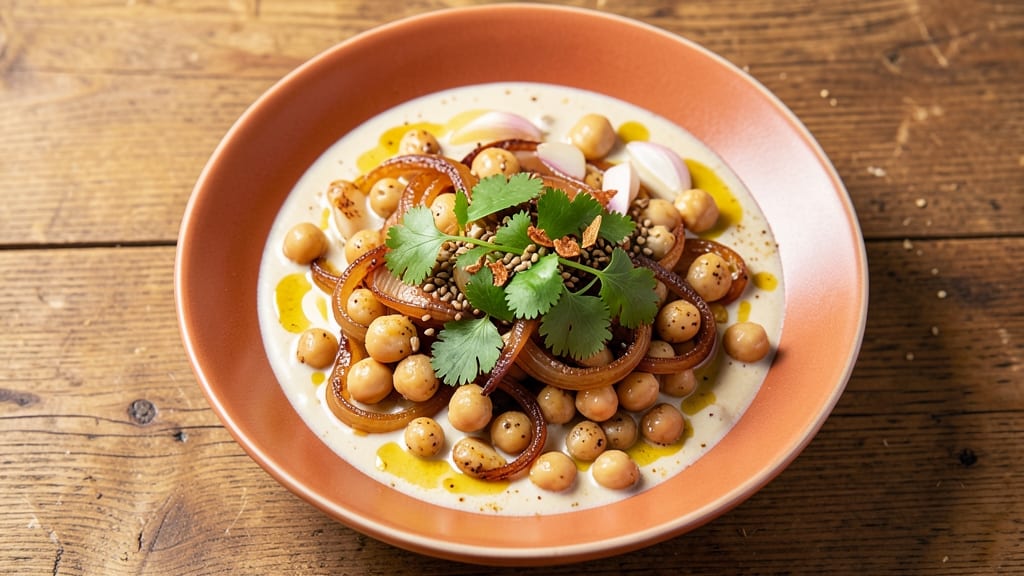
This bean curry recipe with coconut milk delivers restaurant-quality depth in one pot, where fragrant spices and creamy coconut milk transform simple beans into a dish that rivals Thai takeout. The secret lies in toasting whole spices until they sing—cinnamon, cardamom, and cumin—before simmering them with coconut milk until velvety. This method builds layers of warmth and complexity that store-bought versions can't match, while keeping the technique straightforward enough for weeknight cooking.
The beauty of this curry is its balance: tender beans soak up the aromatic sauce without losing their texture, while the coconut milk adds a luxurious creaminess that feels indulgent yet remains light.
Unlike many curries that rely on heavy cream, this version stays vibrant and flavorful, with just enough heat from chili flakes to wake up every spoonful. The dish comes together in under an hour, making it perfect for busy evenings when you crave something sophisticated without the fuss.
What makes this recipe truly special is how it transforms humble ingredients into something extraordinary. The beans become the star—plump, flavorful, and perfectly tender—while the coconut milk creates a sauce that's rich yet not overly heavy.
Each bite delivers a harmony of textures: the slight bite of spices, the creaminess of the coconut, and the satisfying heartiness of the beans. This is the kind of dish that improves with a day of resting, as flavors meld and deepen.
Serve it over steamed basmati rice or with warm naan to soak up every last drop of that velvety sauce. For extra brightness, finish with fresh cilantro and a squeeze of lime—simple touches that elevate the dish to new heights.
The best part? This curry tastes even better the next day, making it ideal for meal prep or leftovers that feel like a treat. Let's get cooking!
Ingredients for bean curry recipe coconut milk
Simple beans and coconut milk become a restaurant-worthy curry with these aromatic spices and balanced flavors.
| Ingredient | Amount | Notes |
|---|---|---|
| Dry Chickpeas 🌾 | 1 ½ cups | Uncooked, soaked overnight |
| Coconut Milk 🥥 | 1 can | Full-fat, 13.5 oz can |
| Yellow Onion 🧅 | 1 whole | Medium, finely chopped |
| Fresh Garlic Cloves 🧄 | 4 cloves | Peeled, minced |
| Fresh Ginger 🌿 | 2 tbsp | Grated, finely |
| Ground Cumin 🌶️ | 1 tbsp | Toasted for depth |
| Ground Coriander 🌿 | 1 tbsp | Freshly ground preferred |
| Cinnamon Sticks 🌿 | 2 whole | Broken into pieces |
| Cardamom Pods 🌿 | 4 whole | Lightly crushed |
| Red Chili Flakes 🌶️ | 1 tsp | Adjust to taste |
| Tomato Paste 🍅 | 2 tbsp | Smooth, no sugar added |
| Vegetable Broth 💧 | 1 ½ cups | Low-sodium preferred |
| Fresh Cilantro 🌿 | ¼ cup | Chopped, for garnish |
| Lime Juice 🍋 | 2 tbsp | Freshly squeezed |
| Sea Salt 🧂 | 1 ½ tsp | Adjust to taste |
The coconut milk is non-negotiable here—full-fat canned gives the richest texture. Thai Kitchen or Goya brands are reliable, but any full-fat can works. For the beans, chickpeas are ideal, but black beans or kidney beans work too. Soak them overnight for even cooking. The ginger and garlic? Fresh is essential—dried just won’t cut it. Toast your whole spices (cumin, coriander, cinnamon, cardamom) in a dry pan for 30 seconds until fragrant—this unlocks their full potential. Penzeys or bulk bins at Whole Foods have the best quality whole spices.
No fresh ginger? Powdered ginger at half the amount works in a pinch, but you’ll miss that bright zing. Short on cardamom? Allspice or extra cinnamon adds warmth, though cardamom’s floral note is special. The tomato paste can be the squeeze-tube kind—Trader Joe’s has great quality without the mess. For extra depth, add a pinch of turmeric when toasting the spices. The vegetable broth should be flavorful—Imagine or Pacific Foods are solid choices. If you’re using canned beans, rinse them well to remove excess sodium.
This curry tastes even better the next day as flavors meld—plan ahead. Store in an airtight container in the fridge for 4-5 days or freeze for 3 months. The sauce thickens as it cools, so add a splash of broth when reheating. For meal prep, double the batch and freeze portions—just thaw overnight in the fridge. The fresh cilantro and lime should be added right before serving to keep them vibrant. Garnish with toasted coconut flakes for extra texture if you’re feeling fancy.
Why You'll Love This Recipe
- Minimal Chopping Required: I swear by this—just dice one onion, mince a few garlic cloves, and grate a thumb of ginger. The rest is stirring while the chickpeas soak overnight (or use canned if you’re in a rush). That’s it.
- Creamy Without the Fuss: The coconut milk does all the heavy lifting—rich, velvety, and just thick enough to coat every bite. Honestly, the moment the ginger blooms in the oil and the garlic hits, I’m already halfway to satisfied.
- Leftover Goldmine: This curry tastes better the next day. I make a big batch on Sundays, and by Wednesday, it’s my go-to lunch—warm with rice, or cold in wraps. The chickpeas hold up, and the coconut milk keeps it luscious.
- Budget-Friendly Luxury: Dry chickpeas are cheap, coconut milk stretches far, and you’re not relying on pricey spices. I’ll be real: it’s the kind of dish where I feel fancy without breaking the bank. Plus, it feeds four for under $10.
Step-by-step instructions for bean curry with coconut milk
This method delivers restaurant-quality depth with simple pantry staples—no shortcuts, just layered flavor.
Soak and Prep the Chickpeas
Place the 1.5 cups dry chickpeas in a large bowl and cover with plenty of cold water. Soak overnight (at least 8 hours) to ensure even cooking and tender texture. I like to use a fine-mesh strainer for draining—it removes more of the soaking water without losing precious chickpeas.
After draining, give the chickpeas a quick rinse under cold water. This removes any residual bitterness from the soaking process. Set them aside—they'll cook down to about 2 cups when prepared, so don't worry if they look small now. The key is patience here; properly soaked chickpeas cook evenly and stay intact in the curry.
Build the Spice Base
Heat 1 tablespoon olive oil in a large, heavy-bottomed pot over medium heat. Add the finely chopped yellow onion and cook for 5-6 minutes until soft and translucent. This foundational step develops sweetness that balances the spices.
Add the minced garlic cloves and finely grated ginger, cooking for 1-2 minutes until fragrant. Here's where the magic happens: stir in the ground cumin, ground coriander, broken cinnamon sticks, lightly crushed cardamom pods, and red chili flakes. Toast the spices for 30 seconds—just until you smell their aromatic oils release. This step prevents raw spice flavors from dominating your curry.
Develop the Sauce Foundation
Lower the heat to medium-low and stir in the 2 tablespoons tomato paste. Cook for 2-3 minutes until it darkens slightly and loses its raw taste. This creates depth that bridges the gap between the spices and coconut milk.
Pour in the 1 can coconut milk, scraping up any browned bits from the bottom of the pot. Add the 1.5 cups vegetable broth and bring to a gentle simmer. This combination creates a velvety base that carries all the spices beautifully. Let it simmer uncovered for 5 minutes to allow the flavors to meld—you should smell that signature coconut-spice harmony.
Cook the Chickpeas to Perfection
Add the drained chickpeas to the pot. Stir gently to coat them evenly with the sauce. Increase heat to medium-high and bring to a boil, then immediately reduce to medium-low. Cover partially and simmer for 30-40 minutes, stirring occasionally.
Here's the critical checkpoint: the chickpeas should be tender but not mushy, with the sauce reduced to a thick, coatable consistency. If it's too thin, uncover and simmer for another 5-10 minutes to reduce. If the chickpeas aren't tender enough, add ½ cup hot water and continue cooking. The sauce should cling to the chickpeas without being watery.
Finish and Serve
Once the chickpeas are tender, remove the cinnamon sticks and cardamom pods. Stir in the 2 tablespoons lime juice and adjust seasoning with the 1.5 teaspoons sea salt—taste as you go. The lime brightens all the rich flavors and cuts through the coconut fat beautifully.
Garnish with ¼ cup chopped fresh cilantro just before serving. This curry tastes best when served immediately over steamed basmati rice or with warm naan bread. The texture should be creamy yet substantial, with each bite delivering perfect balance between the chickpeas, coconut richness, and aromatic spices.
Pro Tips For Making Bean Curry Recipe Coconut Milk
- SOAK CHICKPEAS OVERNIGHT: Dry chickpeas are stubborn—soaking them 12+ hours (or at least 8 with a pinch of baking soda) cuts cooking time by half and prevents that sad, split-but-still-hard texture. I learned this the hard way after staring at a pot of half-cooked beans for 45 minutes.
- SWEAT ONIONS LOW AND SLOW: Crank the heat to medium-low when cooking onions for the curry—high heat burns them before they soften, and you’ll end up with bitter, charred bits. The goal is a deep golden color, not smoke. (Yes, even if you’re impatient like me.)
- BLOOM SPICES IN COCONUT OIL: Skip the direct coconut milk start—heat 1 tablespoon of coconut oil first, then add your spices. This releases their aroma and prevents the curry from tasting like plain coconut soup. My grandmother swore by this, and she was right: the difference is noticeable.
- STIR IN COCONUT MILK GRADUALLY: Dumping all the coconut milk at once dilutes the flavors and makes the curry watery. Instead, add it in two stages: half at the start (to build the base) and the rest at the end (to balance richness). This keeps the texture creamy without overwhelming the spices.
Dietary considerations for this recipe
Vegetarian-Friendly Foundation
This bean curry is naturally vegetarian and packed with plant-based protein from chickpeas, making it perfect for meat-free diets. The coconut milk provides healthy fats while keeping the dish creamy without dairy.
I've designed it to be gluten-free as well, since it relies on simple spices, vegetables, and legumes—no wheat or soy-based thickeners. 🌱
Gluten-Free Assurance
All ingredients used here are inherently gluten-free, including chickpeas, coconut milk, and vegetable broth. Just double-check your spice blends—some pre-mixed curry powders contain wheat. I always use Penzeys Spices or Whole Foods bulk spices to avoid hidden gluten.
The tomato paste should also be labeled gluten-free, like Trader Joe's or Muir Glen.
Nut-Free Safety
This recipe contains no nuts or nut-derived ingredients, making it safe for those with tree nut allergies. The coconut milk is the only dairy substitute, and while coconut is technically a fruit, it's processed separately from tree nuts.
Always verify your coconut milk brand—some specialty versions may contain cross-contamination warnings. For extra caution, I recommend Thai Kitchen or Goya brands, which clearly label their products.
Allergen Adaptations
For soy allergies, ensure your vegetable broth is soy-free (most low-sodium brands are). The recipe avoids all common allergens except coconut—swap the coconut milk for full-fat canned pumpkin puree (½ cup) or cashew cream (blend 1 cup soaked cashews with 1 cup water) if needed.
The flavor remains rich while accommodating dietary restrictions. Always taste as you go when making substitutions. 💡
Protein Boost Options
Want to increase protein? Stir in ½ cup cooked quinoa or tofu cubes during the final 10 minutes of cooking. For a dairy-free option, top with vegan yogurt instead of sour cream.
The chickpeas already provide 15g protein per serving, but these additions make it even more satisfying for high-protein diets. I often add hemp seeds for an omega-3 boost too.
Nutrition facts
Frequently asked questions
Can I use canned chickpeas instead of dry?
Yes, but adjust cooking time! Use 2 cups drained canned chickpeas and simmer uncovered for 20-25 minutes instead of 30-40 minutes. They'll absorb flavor faster, so taste frequently to avoid overcooking. Rinse well first to remove excess sodium.
How do I make this curry spicier?
Double the red chili flakes to 2 teaspoons and add 1 teaspoon cayenne pepper when toasting spices. For heat lovers, stir in 1 chopped fresh chili (like jalapeño) with the onions. The coconut milk will mellow the burn while keeping the kick.
Can I substitute coconut milk with something else?
For a lighter version, use ½ cup coconut milk + ½ cup Greek yogurt (or dairy-free yogurt). For nut-free, try ½ cup pumpkin puree + ½ cup broth. The sauce will be thinner but still flavorful. Just reduce the liquid by 5 minutes longer at the end.
Why did my curry turn out watery?
This usually happens when chickpeas aren't fully cooked or broth wasn't reduced enough. Simmer uncovered for 10-15 extra minutes to thicken, stirring occasionally. For next time, check chickpea tenderness first—they should mash slightly between fingers. A splash of cornstarch slurry (1 tsp cornstarch + 1 tbsp water) works too.
What's the best way to reheat leftovers?
Gently reheat on low heat with 2 tablespoons water or broth to restore creaminess. Microwaving can make coconut milk separate—stir well after heating. For extra flavor, add a pinch of turmeric or cinnamon while warming. Leftovers taste even better the next day!