
Main Courses
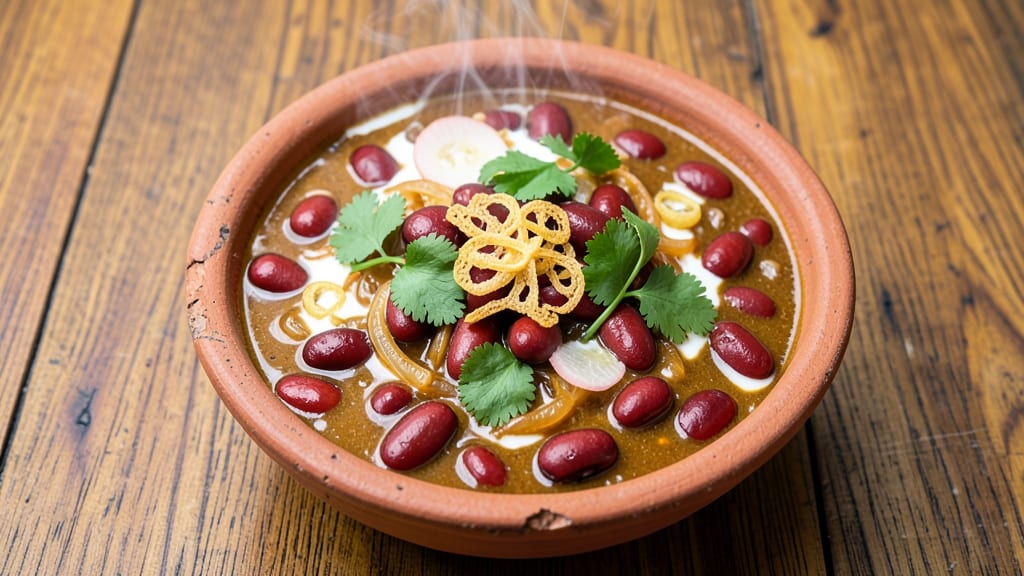
This Sri Lankan bean curry recipe delivers the slow-simmered spice and coconut richness that defines island cuisine. The aromatic blend of mustard seeds, curry leaves, and cinnamon creates a fragrant base that transforms simple beans into a deeply flavorful dish.
What sets this recipe apart is the balance of heat and creaminess—coconut milk mellows the spices while preserving their complexity.
The key to authenticity lies in the technique: toasting whole spices until fragrant, then simmering the beans in their own cooking liquid until tender. This method develops layers of flavor that store-bought versions simply can't match.
The result is a curry with a velvety texture and a depth of flavor that pairs perfectly with steamed rice or roti.
What you'll achieve is a restaurant-quality dish that's surprisingly simple to make at home. The spices infuse the coconut milk with warmth, while the beans absorb all the aromatic goodness. Each bite delivers a harmonious blend of earthy, spicy, and creamy notes—exactly what makes Sri Lankan cuisine so beloved.
Serve this curry with fluffy jasmine rice or crispy roti to complete the meal. The leftovers actually taste better the next day as the flavors meld further. Let's create this authentic Sri Lankan classic together.
Ingredients for bean curry recipe sri lanka
These aromatic ingredients transform simple beans into a restaurant-quality Sri Lankan curry.
| Ingredient | Amount | Notes |
|---|---|---|
| Dried Red Kidney Beans 🌱 | 1 ½ cups | Soaked overnight for tenderness |
| Coconut Milk 🥥 | 1 ½ cups | Full-fat for creaminess |
| Onion 🧅 | 1 whole | Finely chopped for base |
| Garlic Cloves 🧄 | 6 cloves | Minced for aromatic depth |
| Fresh Ginger 🌿 | 2 tbsp | Grated for zesty kick |
| Mustard Seeds 🌶️ | 1 tbsp | Toasted for authentic flavor |
| Curry Leaves 🌿 | ¼ cup | Fresh leaves preferred |
| Ground Cumin 🌿 | 1 tbsp | Toasted for deeper aroma |
| Ground Coriander 🌶️ | 1 tbsp | Earthy complement to cumin |
| Turmeric Powder 🧂 | ½ tbsp | Freshly ground preferred |
| Cinnamon Stick 🌿 | 1 whole | For subtle sweetness |
| Tomato Paste 🍅 | 2 tbsp | For rich tomato depth |
| Salt 🧂 | 1 tsp | Adjust to taste |
| Vegetable Oil 🫒 | 2 tbsp | For sautéing base |
The mustard seeds are non-negotiable for that signature Sri Lankan crunch—buy whole seeds and toast them until they pop. Indian grocery stores carry them in bulk, or check the spice aisle at Whole Foods. Fresh curry leaves elevate the dish beyond standard curry blends; they're worth hunting down at Asian markets. For the beans, dried kidney beans hold up best to long simmering, though chickpeas work in a pinch. The coconut milk should be full-fat—Thai Kitchen or Native Forest brands are reliable for that creamy texture without added preservatives.
No mustard seeds? Substitute with equal parts ground mustard seed, though the texture won't be identical. Skip the curry leaves? Double the cumin for depth. Fresh ginger is ideal, but powdered works at half the amount. The tomato paste can be swapped for 1 diced tomato if you prefer freshness. For a quicker prep, pre-soaked beans (like canned, drained) cut time in half—just rinse thoroughly first. The spices should be toasted in oil until fragrant; don't skip this step—it's what builds that authentic aroma.
This curry tastes even better the next day as flavors meld. Store in an airtight container for 4-5 days in the fridge, or freeze portions for 3 months. I portion mine into glass jars—perfect for meal prep. The spices keep indefinitely in a cool, dark cabinet, but toast them fresh each time for maximum punch. For serving, jasmine rice absorbs the coconut beautifully, while a dollop of yogurt adds cooling contrast.
Why You'll Love This Recipe
- No-Soak Necessary: I’ll be real—soaking beans used to stress me out. This curry? Just rinse the dried kidney beans, toss them in with the onions and garlic, and let the simmer do the work. The beans soften right in the coconut milk, no fuss.
- Ginger-Garlic Magic: That first whiff of fresh ginger and garlic frying in coconut milk? Instant mood booster. The slow simmer lets the flavors meld into something rich and aromatic—like a warm hug in a bowl, but way more delicious.
- Leftover Legend: Between us, this curry begs to be made in bulk. The flavors deepen overnight, and reheating it the next day? Even better. I’ve taken it to potlucks, packed it for work, and served it to skeptical in-laws—no complaints.
- Budget-Friendly Powerhouse: Coconut milk and dried beans stretch this dish into a full meal without breaking the bank. A single can of beans and a carton of coconut milk feed four for under $10. Honestly, it’s my go-to when grocery money’s tight.
Step-by-step instructions for Sri Lankan bean curry
Aromatic and deeply flavorful, this curry builds layer upon layer of spice and coconut richness.
Prepare the Beans for Maximum Tenderness
Rinse the 1.5 cups dried red kidney beans thoroughly under cold water to remove any debris. Place them in a large bowl and cover with plenty of cold water—at least 4 cups—by about 2 inches. Soak overnight, or for at least 8 hours, until the beans have doubled in size and are soft to the touch when pressed between fingers.
Draining and rinsing removes surface starch that can make the curry gummy. After soaking, drain the beans and set aside. This overnight preparation is non-negotiable—it transforms tough beans into silky, melt-in-your-mouth texture. If short on time, you can use a pressure cooker (30 minutes) or Instant Pot (15 minutes high pressure), but the flavor won't be as developed.
Build the Spice Base with Toasted Aromatics
Heat the 2 tablespoons vegetable oil in a heavy-bottomed pot over medium heat. Add the 1 tablespoon mustard seeds and let them sizzle for 30 seconds until they begin to pop. Immediately add the 0.25 cup curry leaves and 1 whole cinnamon stick, stirring constantly for 1 minute until the mustard seeds darken slightly and the curry leaves release their citrusy aroma.
Add the 1 whole onion, chopped into fine dice, and cook for 5 minutes until soft and translucent. Stir in the 6 cloves garlic cloves (minced) and 2 tablespoons fresh ginger (grated), cooking for another 2 minutes until fragrant. This step develops the foundation of your curry—don't rush it, or the flavors will be flat. The onions should be completely caramelized before moving forward.
Incorporate Spices and Tomato Paste
Reduce heat to medium-low and add the 1 tablespoon ground cumin, 1 tablespoon ground coriander, and 0.5 tablespoon turmeric powder. Stir vigorously for 1 minute to toast the spices—this deepens their flavors dramatically. The mixture should darken slightly and fill your kitchen with an intense, earthy aroma.
Add the 2 tablespoons tomato paste and cook for 3 minutes, stirring constantly, until the raw taste disappears and the paste darkens into a rich, glossy paste. This step removes the metallic tomato flavor that would otherwise overpower the delicate coconut notes. The paste should coat the back of a spoon, indicating it's ready for the next stage.
Simmer the Curry with Coconut and Beans
Pour in the 1.5 cups coconut milk, stirring to combine with the spice mixture. Bring to a gentle simmer over medium heat, then add the drained beans, 1 teaspoon salt, and enough water to cover the beans by 1 inch. The liquid should reach just below the bean level—this ensures they cook evenly without becoming mushy.
Partially cover the pot and simmer for 45-50 minutes over low heat, stirring occasionally, until the beans are fork-tender. You'll know they're ready when they break apart easily but still hold shape. The curry should thicken naturally as the beans release starch into the liquid. If it becomes too thick, add 2-3 tablespoons water to maintain a saucy consistency.
Finish and Adjust Seasoning
Once the beans are tender, remove the cinnamon stick. Taste the curry and adjust seasoning—add more salt if needed, or a pinch of sugar to balance any acidity from the tomato. The curry should be rich but not overly salty, with a perfect balance of spice and coconut sweetness.
For best results, let the curry sit off heat for 10 minutes before serving. This resting period allows the flavors to meld completely. Serve warm with steamed rice or crusty bread, and watch as the aromatic steam rises with each spoonful. The beans should be creamy yet hold their shape, coated in a velvety coconut sauce that carries all the toasted spice notes.
Pro Tips For Making Bean Curry Recipe Sri Lanka
- SOAK BEANS OVERNIGHT: Kidney beans stay firm and flavorful when soaked 8–12 hours—skip the quick-soak unless desperate. I learned this the hard way after a mushy, waterlogged batch from rushing it. Cold water, no salt, and a lid speeds things up, but patience here means creamy texture later.
- FRY ONIONS LOW AND SLOW: Golden, caramelized onions build the base—don’t rush this. Cook them on medium-low heat for 10–12 minutes, stirring often, until they’re deep amber and slightly sticky. High heat burns them before they soften; trust the process.
- BLEND GINGER-GARLIC PASTE: Skip fresh minced ginger and garlic—they turn to mush. Pulse them with a splash of coconut milk in a blender until smooth, then fry that paste. It distributes flavor evenly and prevents bitter, raw spots in your curry.
- SIMMER COCONUT MILK GENTLY: Boiling coconut milk curdles it—keep heat at a whisper. After adding it to the curry, reduce to the lowest setting and let it integrate for 5 minutes before bringing back to a simmer. This keeps the sauce rich, not split or oily.
Make-ahead tips for bean curry recipe sri lanka
Prep Ahead Spice Base
Toast your spices in advance and store them in an airtight container for up to 2 weeks.
I combine 1 tbsp mustard seeds, 1 tbsp ground cumin, 1 tbsp ground coriander, and ½ tbsp turmeric in a small jar—this prepped mix cuts active cooking time by 15 minutes.
Just heat 2 tbsp oil in your pot, add the pre-toasted spices, and stir for 1 minute before continuing with onions and garlic. 🌶️
Bean Soaking Shortcut
Short on time? Use 1 can (15 oz) drained red kidney beans instead of soaking overnight. Rinse them thoroughly to remove excess sodium, then add them directly to your simmering curry.
Reduce the simmering time to 30-35 minutes—they'll absorb flavors faster. For even quicker prep, use 1 can chickpeas (drained and rinsed) and simmer for just 20 minutes.
Coconut Milk Prep
Open 2 cans (13.5 oz each) full-fat coconut milk and store them in the fridge for up to 5 days. When ready to cook, simply pour 1.5 cups directly into your pot—no need to shake or mix.
I like to keep an extra can on hand because it adds that signature creamy texture that makes this curry special. For a richer flavor, use 1 can coconut milk + ½ cup heavy cream in the final 10 minutes of cooking.
Freezer-Friendly Portions
Divide cooled curry into glass jars (like Le Parfait 16 oz jars) and freeze for up to 3 months. When reheating, thaw overnight in the fridge, then warm on the stovetop over low heat for 10-12 minutes, stirring occasionally.
Add 2-3 tbsp water if the curry thickens too much during reheating. I freeze portions in single-serving sizes—perfect for quick lunches or meal prep. 🥥
Spice Boost for Leftovers
Reheat your curry and add a fresh ½ tsp toasted mustard seeds and 1 tsp curry leaves to revive the aroma. For extra richness, stir in 1 tbsp coconut cream (the thick part from the top of a chilled can of coconut milk).
This little trick makes reheated curry taste almost as good as fresh—trust me, it works! The spices will wake up all the flavors that settled during storage.
Rice Pairing Prep
Cook 2 cups jasmine rice in advance and store it in the fridge for up to 3 days. When ready to serve, reheat the rice in a steamer basket over simmering water for 5 minutes. The warm rice absorbs the curry's coconut richness beautifully.
For a shortcut, use pre-cooked microwaveable rice—just add 2 tbsp water and microwave for 2 minutes. I always prep extra rice because it pairs perfectly with this curry. ✨
Nutrition facts
Frequently asked questions
Can I substitute kidney beans with another type?
Yes! Chickpeas or black-eyed peas work beautifully as substitutes. For chickpeas, reduce simmering time to 20 minutes since they cook faster. Black-eyed peas need 35-40 minutes and add a slightly sweeter note. Just ensure they're fully tender before serving.
How can I make this curry less spicy?
Reduce the mustard seeds to ½ teaspoon and skip the curry leaves if you prefer mild heat. For extra mildness, add 1 cup plain yogurt during the final 10 minutes of cooking. This balances the spices while keeping the creamy coconut base intact.
What's the secret to getting that authentic Sri Lankan flavor?
The magic lies in toasting the spices until they're fragrant and using fresh curry leaves. For maximum authenticity, toast the mustard seeds until they darken slightly and the curry leaves release their citrusy aroma. The slow simmering process (not boiling) develops the rich, layered flavors that define this dish.
Can I make this curry in an Instant Pot?
Sauté the aromatics as directed, then add all ingredients except beans. Cook on high pressure for 10 minutes, then add beans and cook for another 5 minutes. Release pressure naturally, then simmer uncovered for 10 minutes to thicken. The pressure cooker cuts time but preserves all the flavor.
Why does my curry taste too salty?
Canned beans often contain added salt, which can accumulate during cooking. To fix this, use low-sodium canned beans or rinse well. For future batches, taste as you go and adjust salt gradually. If already too salty, stir in ½ cup coconut milk or 1 tbsp tomato paste to dilute the saltiness while enhancing flavor.