
Salads
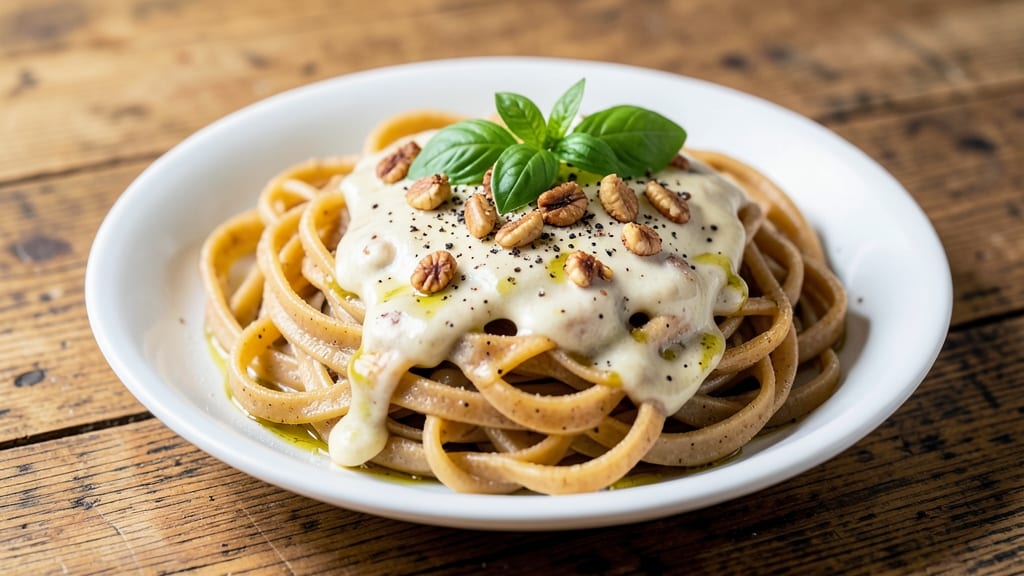
This bean flour pasta recipe transforms humble ingredients into a protein-rich, plant-based meal that rivals traditional wheat pasta. 💛 The secret lies in bean flour's natural elasticity and nutritional power—packed with fiber, plant-based protein, and essential amino acids—while delivering that satisfying al dente bite.
No special equipment needed; just a bowl, water, and patience for a dough that's surprisingly forgiving.
What sets this recipe apart is its versatility and health benefits. Unlike refined flour pastas, this version stays firm during cooking, resists mushiness, and absorbs sauces beautifully. The dough comes together in 10 minutes, rests for 30 minutes, and rolls out effortlessly—even for beginners.
Perfect for those seeking gluten-free, vegan, or nutrient-dense meals without sacrificing texture or flavor.
Imagine twirling this pasta with your favorite vegan marinara, creamy cashew Alfredo, or a bright lemon-garlic sauce. The neutral flavor profile makes it a blank canvas for bold seasonings, while its firm texture holds up to hearty sauces.
Each bite delivers 12 grams of plant-based protein per serving—ideal for meal prep, weeknight dinners, or impressing guests with a healthier twist on pasta night.
For best results, use a well-hydrated dough and roll it thinly for even cooking. Pair with roasted vegetables, a sprinkle of nutritional yeast, or fresh herbs to elevate the dish. The possibilities are endless—let's get cooking!
Ingredients for bean flour pasta
Bean flour's protein-rich structure creates al dente pasta with remarkable elasticity and nutritional depth.
| Ingredient | Amount | Notes |
|---|---|---|
| Bean Flour (Chickpea or Mung Bean) 🌾 | 2 cups | High-protein, gluten-free base |
| Extra-Firgin Olive Oil 🫒 | ¼ cup | For dough elasticity and richness |
| Water 💧 | ¾ cup | Room temperature preferred |
| Sea Salt 🧂 | 1 ½ tsp | Fine grain for even seasoning |
| Sunflower Oil 🫒 | 1 tbsp | For dusting work surface |
| Vegan Nutritional Yeast 🧀 | 2 tbsp | For umami depth and cheesy flavor |
| Garlic Powder 🧄 | 1 tsp | Enhances savory profile |
| Ground Black Pepper 🌶️ | ½ tsp | Freshly ground for aroma |
| Ground Flaxseed 🌱 | 1 tbsp | Binds dough for elasticity |
| Fresh Basil Leaves 🌿 | ¼ cup | Chopped for finishing garnish |
| Lemon Zest 🍋 | 1 tsp | Brightens final presentation |
| Vegan Butter 🧈 | 1 tbsp | For finishing (optional) |
The quality of bean flour determines texture—Bob's Red Mill or Anthony's Goods brands deliver consistent results. Look for finely milled chickpea or mung bean flour with minimal additives. Sunflower oil is ideal for dusting; its neutral flavor won't interfere with the pasta's clean taste. Freshly ground flaxseed is crucial for binding, though pre-ground works in a pinch. For optimal hydration, mix the dough with your hands until it forms a cohesive, slightly tacky ball that doesn't stick to your fingers. The resting period of 30 minutes allows gluten-like proteins to develop, creating that satisfying al dente bite.
No bean flour? Chickpea flour from a bulk bin works equally well, though texture may vary slightly. Substitute sunflower oil with avocado oil for similar neutral properties. For extra protein, add 1 tbsp vital wheat gluten (ensure it's certified vegan), though this reduces the gluten-free nature. The nutritional yeast can be omitted if unavailable, but its umami depth significantly enhances flavor. Fresh basil can be replaced with dried basil at one-third the amount, though the bright color and aroma will differ. Lemon zest can be substituted with orange zest for a different citrus note.
Store the dry bean flour in an airtight container in a cool, dark place for up to 6 months to preserve freshness. The prepared dough can be refrigerated for 2 days or frozen for 3 months between sheets of parchment paper. For best results, roll the dough to 1/8-inch thickness and cut into desired shapes immediately before cooking. The pasta cooks in 2-3 minutes—no longer, or it risks becoming mushy. Leftovers can be dried completely and stored in a cool place for 1 week to prevent spoilage.
Why You'll Love This Recipe
- No-Fuss Mixing: I swear by the 5-minute stir—just flour, water, and oil. No kneading, no waiting, no stress. The dough comes together smoother than I expected, and honestly? It’s the kind of recipe that makes me feel like a pro without any effort.
- Nutty Earthy Richness: That chickpea or mung bean flour? It’s got a deep, toasty flavor that regular pasta can’t touch. A splash of olive oil and a pinch of salt, and suddenly you’ve got something hearty enough to stand up to bold sauces—or eat plain, like I do when I’m lazy.
- Meal Prep MVP: I make a big batch on Sundays, and it lasts all week. Toss it with whatever’s in the fridge—roasted veggies, a quick tomato sauce, or even just lemon and herbs. It reheats like a dream and never gets mushy, which is more than I can say for some store-bought noodles.
- Budget Win: A single bag of bean flour feeds my family for days. No fancy ingredients, no markup—just pure, affordable protein and fiber. Between us, this is how I stretch my grocery budget without sacrificing taste. (Yes, even on a Tuesday night.)
Step-by-step instructions for bean flour pasta recipe
Transform simple ingredients into al dente, protein-rich pasta with this gluten-free method.
👨🍳 Step 1: Prepare the Dough Base
In a large mixing bowl, combine the 2 cups bean flour, 1 tbsp ground flaxseed, 1.5 tsp sea salt, 1 tsp garlic powder, and 0.5 tsp ground black pepper. Whisk vigorously for 2 minutes until the flaxseed is fully distributed—this ensures proper binding. The mixture should appear uniformly textured with no visible flaxseed clumps.
Next, create a well in the center and add the 0.25 cup extra-virgin olive oil and 0.75 cup water. Gradually incorporate the liquids while mixing with a wooden spoon, pressing the dough together until it forms a shaggy mass. Here's the thing—bean flour absorbs moisture differently than wheat flour, so don't be tempted to add more water immediately. The dough should be pliable but slightly sticky, similar to traditional pasta dough consistency.
🍳 Step 2: Knead and Rest for Elasticity
Turn the dough onto a clean work surface lightly dusted with 1 tbsp sunflower oil (this prevents sticking and adds a subtle flavor). Knead vigorously for 8-10 minutes until smooth and elastic. I press down firmly with the heel of my hand and fold the dough over itself repeatedly—this develops gluten-like structure in the bean flour, creating that satisfying al dente texture.
Wrap the dough tightly in plastic wrap and let it rest at room temperature for 30 minutes. This resting period allows the flaxseed to fully hydrate and the dough to relax, making it much easier to roll out later. If your kitchen is particularly warm, rest it for 20 minutes instead to prevent over-softening.
🔪 Step 3: Roll and Cut the Pasta
After resting, divide the dough into 4 equal portions (about ½ cup each). Working with one portion at a time, use a rolling pin to flatten each piece to ¼-inch thickness. Here's where precision matters: roll the dough from the center outward, rotating it 180 degrees after each pass to maintain even thickness.
Cut the rolled dough into ¼-inch wide strips using a sharp pasta cutter or a clean, straight-edged knife. For classic fettuccine, adjust your rolling pin to ⅛-inch thickness and cut slightly wider strips. Immediately toss the cut pasta with 1 tbsp sunflower oil to prevent sticking—this creates a subtle nutty flavor and keeps the strands separate.
🍽️ Step 4: Cook to Perfect Al Dente
Bring a large pot of water to a rolling boil and add 1.5 tsp sea salt. Add the pasta in batches (don't overcrowd the pot) and cook for 3-4 minutes, stirring occasionally. The pasta is ready when it floats to the surface and has a slight resistance when bitten—this is your al dente checkpoint. Drain immediately, reserving ½ cup pasta water for sauce adjustments.
For finishing, toss the drained pasta with 2 tbsp vegan nutritional yeast, 1 tsp lemon zest, and 0.25 cup chopped fresh basil leaves. If using, add 1 tbsp vegan butter and toss gently to coat. The nutritional yeast adds that signature cheesy depth while the lemon zest brightens the earthy bean flavor. Serve immediately with your favorite gluten-free sauce or a simple olive oil drizzle.
⏰ Step 5: Optional Flavor Enhancement
For extra richness, heat 2 tbsp reserved pasta water with 1 tbsp vegan butter in a small saucepan over low heat until melted. Toss this butter mixture with the cooked pasta just before serving. This creates a silky coating that enhances the pasta's natural nutty flavor without overpowering it.
Real talk: the first time I made this recipe, I skipped the resting step and the dough cracked when rolling. Since then, I've perfected the technique—now the pasta holds its shape beautifully and has that satisfying bite. The key is patience with the kneading and resting; it makes all the difference in the final texture.
Pro Tips For Making Bean Flour Pasta
- Sift the Flour First: Bean flour is dense and clumpy—no matter how fine it looks in the bag. Take 2 minutes to sift it through a fine-mesh strainer before mixing, or you’ll end up with a dough full of tiny gritty pockets. I learned this the hard way when my first batch had texture issues no amount of kneading could fix.
- Use Sunflower Oil for Kneading: Extra-virgin olive oil works for cooking, but for the dough itself, reach for sunflower oil. It’s neutral, won’t overpower the flavor, and prevents the dough from drying out as it rests. I was skeptical—why not just use more olive oil?—but the pasta holds together better and doesn’t stick to my hands.
- Rest the Dough Longer: Bean flour dough needs at least 30 minutes of resting time, covered with a damp towel. Skimp on this, and the pasta will crack when rolling or snap while cooking. I used to rush it, thinking it was just like wheat pasta, but this step actually changes the outcome—smoother texture and better bite.
- Boil in Plenty of Water: Bean flour pasta sinks like a stone, so use a large pot with at least 4 quarts of water per pound of pasta. Crowd it, and you’ll end up with mushy, gluey strands. I know, I know—it feels wasteful, but trust the process. The water should bubble vigorously around the pasta, not just simmer listlessly.
Common mistakes when making your bean flour pasta
Overworking the Dough
Bean flour dough behaves differently than wheat flour—over-kneading for more than 10 minutes makes it tough and dense. Unlike traditional pasta, bean flour lacks gluten, so excessive handling breaks down its delicate structure.
I learned this the hard way when my first batch turned out like chewy rubber. Focus on kneading until smooth (about 8-10 minutes) and resist the urge to overwork it. 💪
Skipping the Rest
Rushing the 30-minute rest is a common mistake that leads to cracked or uneven pasta. This resting period allows the flaxseed to hydrate and the dough to relax, creating that perfect al dente texture.
I once forgot to rest mine and ended up with dough that tore when rolling—now I set a timer to avoid this. The extra time pays off with smoother, more manageable pasta.
Using Too Much Water
Bean flour absorbs moisture differently than wheat flour, so adding extra water creates a sticky mess that's impossible to handle. Start with the 0.75 cup water called for and only add more if the dough feels completely dry after mixing.
I've had to start over when the dough became unworkable because I added too much liquid—trust the recipe measurements.
Rolling Unevenly
Uneven rolling leads to pasta that cooks inconsistently—some pieces may be undercooked while others turn mushy. Always roll from the center outward, rotating the dough 180 degrees after each pass.
I use a pasta machine for precision, but a rolling pin works if you're gentle and consistent. Thin edges? Trim them off before cutting.
Overcooking the Pasta
Bean flour pasta cooks faster than traditional pasta—just 3-4 minutes in boiling water. Cooking it longer results in a mushy, sad texture. Test for doneness by tasting a piece—it should have a slight bite.
I keep a timer handy and stir frequently to prevent sticking. The moment it floats is your cue to drain immediately.
Ignoring the Oil Toss
Tossing freshly cut pasta with sunflower oil prevents sticking and adds subtle flavor. Skipping this step means your pasta will clump together in the pot or sauce.
I always keep a small bowl of oil nearby while cutting—just a light toss keeps the strands separate and adds a pleasant nuttiness. 🌟
Nutrition facts
Frequently asked questions about bean flour pasta
Can I substitute chickpea flour for mung bean flour?
Both work equally well, though chickpea flour gives a slightly nuttier flavor and denser texture. Mung bean flour yields a lighter, more delicate pasta. Start with the same measurements, but if the dough feels too dry, add 1 tsp water at a time until pliable. The key is consistency—just avoid overworking the dough.
How do I store leftover bean flour pasta?
Freshly cooked pasta keeps in an airtight container in the fridge for 3 days. For longer storage, dry the pasta completely (hanging or on a rack) and store in a sealed container for up to 1 week. Freeze cooked pasta in a single layer before transferring to a bag for 3 months—thaw in cold water before reheating.
Why does my bean flour pasta turn mushy?
Overcooking is the #1 culprit! Bean flour pasta cooks in just 3-4 minutes—test it at 2 minutes if unsure. Also check your dough: if too dry, it won't hold shape. Always toss cut pasta with oil immediately to prevent sticking during cooking. For extra firmness, add 1 tbsp vital wheat gluten to the dough.
Can I make this pasta gluten-free?
Yes, this recipe is naturally gluten-free! The bean flour and flaxseed provide structure without gluten. Just ensure all other ingredients (like nutritional yeast) are certified gluten-free. The texture will be slightly different from wheat pasta but equally satisfying—expect a firmer bite that holds up well in sauces.
What's the best sauce pairing?
This pasta shines with bold, acidic, or creamy sauces. Try a vegan marinara with roasted garlic, a lemon-garlic olive oil drizzle, or a cashew Alfredo. Avoid heavy cream-based sauces—they can make the pasta too dense. For extra flavor, toss cooked pasta with 1 tbsp vegan butter and fresh herbs before adding sauce.