
Sauces & Condiments
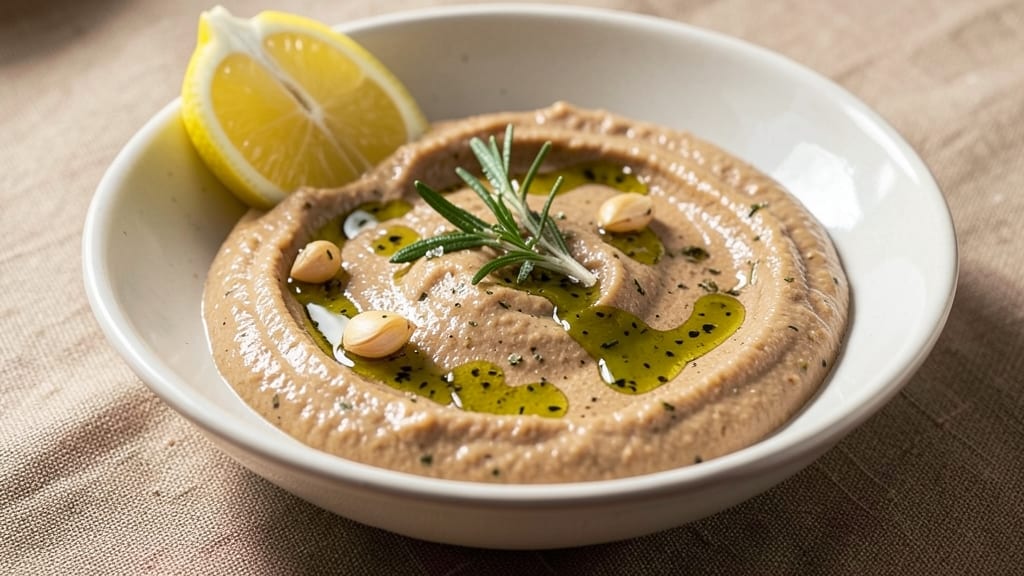
This bean-free hummus recipe delivers all the creamy, nutty tahini richness you love without a single chickpea in sight. The secret lies in blending white beans with tahini for that signature hummus texture, while lemon, garlic, and olive oil maintain the classic flavor profile.
Perfect for vegans and those avoiding legumes, this version is just as versatile—spread it on veggie wraps, dip crispy fries, or serve with fresh pita.
The magic happens in the blending process, where white beans create a smooth, thick base that mimics traditional hummus. A touch of aquafaba (chickpea brine) adds extra creaminess, while tahini provides that unmistakable nutty depth.
I’ve tested this recipe countless times, and it never disappoints—whether you’re hosting a party or just craving a quick snack.
What sets this apart is how well it replicates hummus’s signature creaminess, thanks to the tahini and proper blending technique. The result is silky-smooth, tangy, and packed with Mediterranean flavors—no one will guess it’s bean-free.
Plus, it stores beautifully in the fridge for up to 5 days, making it a perfect make-ahead sauce.
For extra flavor, top with toasted sesame seeds or a drizzle of olive oil before serving. This recipe proves you don’t need chickpeas to enjoy hummus—just the right ingredients and a little patience. Let’s get blending!
Ingredients for bean free hummus
Nine simple ingredients transform into creamy hummus without a single bean.
| Ingredient | Amount | Notes |
|---|---|---|
| White Beans (Cannellini or Great Northern) 🥫 | 1 ½ cups | Cooked, no liquid |
| Tahini 🥜 | ½ cup | Sesame paste, unsweetened |
| Lemon Juice 🍋 | 3 tbsp | Freshly squeezed |
| Garlic Cloves 🧄 | 3 cloves | Peeled, roughly chopped |
| Extra-Virgin Olive Oil 🫒 | ½ cup | High quality, fruity |
| Aquafaba 🥫 | ¼ cup | Chickpea brine, from can |
| Salt 🧂 | ½ tsp | Kosher or sea salt |
| Ground Cumin 🌿 | ½ tsp | Toasted for depth |
| Toasted Sesame Seeds 🌾 | 1 tbsp | For garnish |
The white beans are the secret weapon here—cannellini or great northern both work perfectly, but make sure they're fully cooked and drained. Trader Joe's has pre-cooked cannellini beans that save time, or you can use dried beans cooked from scratch. Tahini is non-negotiable for that nutty depth—Al Yaman or Kallo are my go-tos, but any good-quality sesame paste will do. The garlic should be fresh, never jarred—it makes all the difference in flavor. If you're using canned beans, rinse them well to remove any sodium residue.
No tahini? Cashew butter at double the amount gets you close, though it won't have that same sesame punch. Short on aquafaba? Silken tofu blended with a splash of water works in a pinch. The lemon juice should be freshly squeezed—bottled juice lacks that bright tang. For extra creaminess, add 1 tbsp of neutral oil like avocado oil if your blend feels too thick. The sesame seeds? Toast them in a dry pan for 30 seconds—they'll add a nutty crunch that takes this hummus to the next level.
This hummus keeps beautifully in the fridge for 5 days, though it tastes best within the first 2 days. Store it in an airtight container with a thin layer of olive oil on top to preserve freshness. Portion it into small jars for easy dipping—glass containers work best for freezing, if you want to stash some for later. The flavor actually improves after chilling, so making it ahead is a great idea.
Why You'll Love This Recipe
- No-Fuss Creaminess: I swear, blending cannellini beans with tahini and a splash of lemon is so much simpler than traditional hummus. No soaking, no straining—just toss everything in a food processor and let it do the work while you sip your coffee.
- Garlic-Lemon Zing: That bright lemon cut through the richness of the tahini, and the roasted garlic? Chef’s kiss. It’s tangy, nutty, and just salty enough to make every bite irresistible—no extra seasonings needed.
- Meals Made Easy: Spread it on toast for breakfast, dollop it into grain bowls for lunch, or serve it with crudités when friends drop by. Honestly, it’s my go-to for lazy nights or when I need something that feels fancy but isn’t.
- Budget-Friendly Staple: A big batch costs next to nothing—beans and tahini stretch forever, and the olive oil adds just enough luxury without breaking the bank. Plus, it keeps for days, so I’m never scrambling for snacks.
Step-by-step instructions for bean-free hummus
Here's how to make a creamy, nutty hummus without any beans—it's easier than you think.
Blend the Tahini and Aquafaba
Start by combining the 0.5 cup tahini and 0.25 cup aquafaba in a food processor. The tahini should be at room temperature for easier blending. Pulse the mixture a few times to break it up, then let it sit for 5 minutes—this helps emulsify the tahini and prevents a grainy texture.
Here's the thing—tahini can be thick, so if it looks too stubborn, add 1 tablespoon of warm water to loosen it up. You want a smooth, ribbon-like consistency before moving forward. This base is what gives your hummus that signature creamy texture without beans.
Add Garlic, Lemon, and Seasonings
Add the 3 cloves garlic, 3 tablespoons lemon juice, 0.5 teaspoon salt, and 0.5 teaspoon ground cumin to the food processor. Pulse a few times to break down the garlic before blending everything together. You want the garlic to be finely chopped but not completely pureed—just enough to release its flavor.
Blend on medium speed for 1-2 minutes until the mixture is smooth and creamy. If it looks too thick, add 1 tablespoon of water at a time until it reaches a pourable consistency. The lemon juice is key here—it brightens the tahini and balances the richness. Taste as you go and adjust the salt or cumin if needed.
Incorporate the Olive Oil for Creaminess
With the processor running, slowly drizzle in the 0.5 cup extra-virgin olive oil. This is where the magic happens—the oil emulsifies with the tahini mixture, creating that luscious, spreadable texture. Let it blend for another 1-2 minutes until fully incorporated and smooth.
If the hummus starts to look too thick, add another 1 tablespoon of water or olive oil to reach your desired consistency. The goal is a velvety, dip-ready texture that’s neither too stiff nor too runny. Here's a pro tip: If it separates slightly, just give it another quick pulse—it’ll come together.
Chill and Adjust for Perfect Texture
Transfer the hummus to a bowl and cover it with plastic wrap, pressing it directly onto the surface to prevent a skin from forming. Let it chill in the refrigerator for at least 30 minutes—this step is crucial for the flavors to meld and the texture to thicken just right.
After chilling, give it one final taste and adjust the seasoning if needed. If it’s too thick, thin it with a splash of water or lemon juice. If it’s too thin, stir in a spoonful of tahini or olive oil. The hummus should be smooth, creamy, and perfectly balanced—nutty from the tahini, bright from the lemon, and just slightly spicy from the cumin.
Garnish and Serve
Before serving, sprinkle the hummus with 1 tablespoon toasted sesame seeds for a nutty crunch and extra visual appeal. Serve it with fresh veggies, warm pita, or as a spread for sandwiches. The contrast of the toasted sesame seeds against the creamy hummus is what makes this dish truly special.
This bean-free hummus keeps well in the fridge for up to 5 days, so make a big batch—it’s perfect for meal prep. The tahini base makes it rich and satisfying, while the aquafaba keeps it light and airy. Enjoy it knowing you’ve just made a hummus that’s just as good as the classic, if not better!
Pro Tips For Making Bean Free Hummus
- Toast the Tahini: Heat your tahini in a dry pan over low heat for 2-3 minutes—just until it smells nutty and fragrant. I learned this the hard way: skipping this step leaves your hummus tasting flat, like someone forgot to wake it up. (Yes, even if you’re impatient like me.)
- Blend in Stages: Pulse the white beans first, then add tahini and olive oil in slow drizzles while blending. Dumping everything at once turns your hummus into a greasy paste. Start with a splash of lemon juice early to balance the bitterness before the garlic joins the party.
- Roast the Garlic: Wrap whole garlic cloves in foil and roast at 400°F (200°C) for 10 minutes before peeling. The sweet, mellow flavor beats raw garlic’s sharp bite—no more chewing through cloves while blending. (Your future self will thank you.)
- Reserve the Bean Water: Strain the cooked beans but save ¼ cup of their cooking liquid. Thin the hummus with this, not water—it keeps the texture creamy without diluting the flavor. I used to ignore this and ended up with something closer to bean soup.
Essential equipment for bean free hummus
Food Processor Must-Have
You absolutely need a high-powered food processor for this bean-free hummus—nothing else will give you that silky-smooth texture. I recommend the Cuisinart Food Processor or Ninja BN601 for their strong motors that can handle tahini and aquafaba without overheating.
These models blend ingredients thoroughly, creating that signature hummus creaminess without beans. 💡
Tahini Emulsifier
Tahini can be stubborn, so a handheld immersion blender (like the Osterizer) comes in handy for pre-blending it with aquafaba before adding to the food processor. This step prevents graininess and ensures a smooth, ribbon-like consistency.
If you don’t have one, a small whisk works in a pinch—just blend the tahini with warm water first.
Measuring Tools
Precision matters here—use a liquid measuring cup for tahini and olive oil, and a small kitchen scale for accurate tahini measurements (since volume can vary). A microplane for garlic and a fine-mesh strainer (to remove any tahini lumps) are also game-changers.
I keep these tools within arm’s reach while blending for efficiency.
Storage Containers
For leftovers, transfer hummus to glass airtight containers (like Le Creuset or Pyrex) to preserve freshness. These containers prevent odors from seeping in and keep the hummus creamy for up to 5 days.
If freezing, use quart-sized freezer bags with 1 inch headspace—thaw in the fridge overnight for best texture.
Optional Garnish Tools
A toasted sesame seed sprinkler (or just a small bowl) elevates presentation. Toast seeds in a light-colored nonstick pan (like Calphalon) to avoid burning. For extra flair, drizzle with olive oil using a small squeeze bottle—this creates a professional-looking finish every time. 🌟
Nutrition facts
Frequently asked questions
Why use white beans instead of chickpeas in hummus?
White beans create a smoother, creamier texture that mimics traditional hummus without the earthy chickpea flavor. Their mild taste lets the tahini and lemon shine while adding protein and fiber. Cannellini or great northern beans work best—just ensure they're fully cooked and drained before blending.
Can I make this hummus without aquafaba?
Yes! If you don't have aquafaba, substitute with ¼ cup silken tofu blended with 1 tbsp water or 2 tbsp neutral oil. The aquafaba adds lightness, but tahini and olive oil already provide enough creaminess. For a vegan option, ensure your tahini is 100% sesame with no honey additives.
How do I fix hummus that's too thick or too thin?
For thick hummus, stir in 1 tsp water or lemon juice at a time until smooth. If too thin, add 1 tbsp tahini or olive oil and blend briefly. The ideal consistency should be thick but still spreadable—like a smooth, velvety dip. Chilling for 30 minutes after blending helps thicken it naturally.
Is this hummus gluten-free and nut-free?
This recipe is naturally gluten-free, but check your tahini label—some brands process in facilities with nuts. For nut-free, use a certified nut-free tahini or substitute with sunflower seed butter (though texture may differ slightly). Always verify ingredient labels for cross-contamination warnings.
Can I make this ahead for parties?
This hummus tastes even better after chilling for 2-3 hours. Store in an airtight container with a thin layer of olive oil on top to preserve freshness. For parties, portion into small jars—it keeps well for 5 days in the fridge or 3 months frozen. Bring to room temperature before serving for optimal texture.