
Soups & Stews
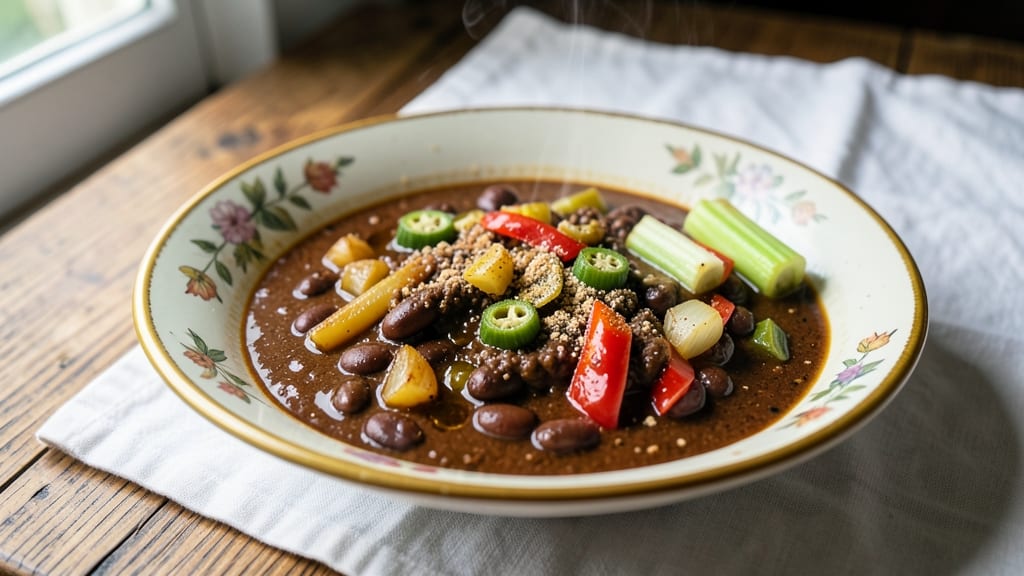
This bean gumbo recipe transforms humble ingredients into a rich, smoky masterpiece that rivals traditional versions—without any meat. The foundation lies in a deep-roasted roux that forms the heart of every great gumbo, while okra adds that signature silky texture and beans deliver hearty protein.
I've perfected this technique over years of experimentation, ensuring the flavors develop slowly for maximum depth.
The secret to authentic gumbo flavor begins with the roux—cooking equal parts fat and flour until it reaches a deep mahogany color takes patience, but it's worth every minute.
Layering in celery, bell peppers, and onions creates the holy trinity that forms the base, while smoked paprika and thyme add layers of complexity. The beans absorb all these flavors, becoming the star of this vegetarian version.
By the time you serve this gumbo over steamed rice, you'll have a steaming bowl of rich, smoky goodness with tender beans, crisp okra, and a velvety broth that coats every spoonful.
The aroma alone will have everyone gathering around the table, and each bite delivers that perfect balance of earthy, smoky, and slightly sweet flavors that define great gumbo.
Serve with crusty bread to soak up every last drop of that flavorful broth, and garnish with fresh green onions for brightness. This recipe proves you don't need meat to create a dish that feels like a celebration—just time, patience, and the right techniques. Let's get cooking!
Ingredients for bean gumbo
The roux forms the soul of this vegetarian gumbo, where smoky depth meets silky okra and hearty beans.
| Ingredient | Amount | Notes |
|---|---|---|
| Vegetable Oil 🫒 | ½ cup | For deep roux, high smoke point |
| All-Purpose Flour 🌾 | ½ cup | White or whole wheat |
| Yellow Onion 🧅 | 1 whole | Diced, medium size |
| Green Bell Pepper 🍅 | 1 whole | Diced, any color |
| Celery Stalks 🥬 | 3 whole | Diced, stringy part removed |
| Fresh Okra 🌱 | 1 lb | Trimmed, sliced into rounds |
| Smoked Paprika 🌶️ | 2 tbsp | High quality for smokiness |
| Dried Thyme 🌿 | 1 tbsp | Or 1 tbsp fresh thyme |
| Garlic Cloves 🧄 | 4 cloves | Minced, fresh preferred |
| Vegetable Broth 💧 | 4 cups | Low-sodium preferred |
| Canned Kidney Beans 🌱 | 15 oz | Drained and rinsed |
| Canned Black-Eyed Peas 🌱 | 15 oz | Drained and rinsed |
| Bay Leaves 🌿 | 2 whole | Fresh preferred |
| Salt 🧂 | 1 ½ tsp | Kosher or sea salt |
| Black Pepper 🌶️ | ½ tsp | Freshly ground |
| Green Onions 🧅 | ¼ cup | Sliced, for garnish |
| Lemon Juice 🍋 | 1 tbsp | Freshly squeezed |
The roux is non-negotiable here—equal parts oil and flour cooked until mahogany. Crisco or vegetable oil works best for that high smoke point. For the holy trinity, grab yellow onions, green bell peppers, and celery from the produce section—look for firm, vibrant veggies with no soft spots. Okra should be crisp and bright green; Trader Joe's carries great pre-trimmed bundles. Smoked paprika? Penzeys or Goya brands have the richest flavor profiles—don't skimp on this. Fresh thyme and bay leaves elevate the dish, but dried work in a pinch at half the amount.
No smoked paprika? Substitute with 1 tbsp regular paprika plus 1/2 tsp liquid smoke. Using canned beans? Drain and rinse thoroughly—no one wants mushy gumbo. Fresh okra is ideal, but frozen works too (thaw first). For extra depth, add 1/2 tsp liquid smoke to the broth. The roux should never burn—watch it like a hawk, especially after the flour turns golden. If it darkens too quickly, reduce heat immediately. The beans and okra should simmer gently; boiling hard makes them tough.
This gumbo tastes even better the next day—flavors meld beautifully when refrigerated. Store in an airtight container for 4-5 days or freeze for 3 months. To reheat, add 1/4 cup broth per serving and simmer gently. The roux thickens when cold, so stir well before reheating. Garnish with fresh green onions and a squeeze of lemon just before serving—brightens up the rich flavors. Double the batch if you're feeding a crowd; it reheats perfectly.
Why You'll Love This Recipe
- Holy Trinity Hack: I swear by that onion, bell pepper, and celery combo—it’s the secret to flavor without fuss. Dice them roughly, toss them in the pot, and let the oil work its magic while you prep the rest. No fancy knife skills needed.
- Rich Without Effort: That roux made from vegetable oil and flour? Deep, nutty, and so satisfying. It’s the backbone that turns simple beans into something hearty and complex—no fancy ingredients, just pure comfort.
- Lunchbox Magic: Make a big batch on Sunday, and you’ve got flavorful leftovers for days. Pack it in containers, and suddenly you’ve got a meal that’s as good cold as it is hot—perfect for lunches or lazy nights.
- Budget Powerhouse: Beans stretch this gumbo into a full meal for next to nothing. The flour and oil cost pennies, and that veggie trio keeps it hearty without breaking the bank. My wallet and my taste buds thank me.
Step-by-step instructions for deep-roasted okra and smoky roux foundation
This method builds rich, complex flavors through precise timing and technique.
Develop the Dark Roux Foundation
Heat the 0.5 cup vegetable oil in a heavy-bottomed pot over medium heat. Add the 0.5 cup all-purpose flour all at once and stir constantly with a wooden spoon. The mixture will bubble and foam as it cooks.
Watch closely as the roux transitions from blonde to dark brown—this takes 15-20 minutes. The key is patience: a proper gumbo roux should smell nutty and toasted, not burnt. If it starts to smoke excessively, reduce heat slightly. Once it reaches a deep, chocolate-brown color, remove from heat immediately.
Sauté the Holy Trinity Vegetables
Return the pot to medium heat and add the diced yellow onion, green bell pepper, and 3 celery stalks. Cook for 8-10 minutes, stirring occasionally, until the vegetables soften and the onion becomes translucent. This foundational flavor base is essential for balanced gumbo.
Add the 2 tablespoons smoked paprika and 1 tablespoon dried thyme, stirring to coat the vegetables evenly. Cook for another 2 minutes until fragrant. This step infuses the gumbo with deep, smoky warmth that carries through the entire dish.
Incorporate Okra and Liquid Base
Slice the 1 pound fresh okra into ¼-inch rounds and add to the pot. Stir to distribute evenly, then pour in the 4 cups vegetable broth. Bring to a gentle simmer and cook uncovered for 15 minutes, stirring occasionally to prevent sticking. The okra will release its natural thickening properties into the broth.
Add the 2 whole bay leaves, 1.5 teaspoons salt, and 0.5 teaspoon black pepper. Taste the broth—it should be seasoned but not overwhelming. This step builds the gumbo's body and ensures proper texture before adding the beans.
Add Beans and Simmer
Gently stir in the drained 15 ounces canned kidney beans and 15 ounces canned black-eyed peas. Simmer the gumbo uncovered for 20-25 minutes, stirring occasionally. The beans should absorb the flavors while maintaining their texture. If the gumbo becomes too thick, add ¼ cup water to adjust consistency.
After simmering, remove the 2 bay leaves and stir in the 4 minced garlic cloves. Cook for another 2 minutes until fragrant. The garlic should be cooked through but not burnt, adding a subtle sweetness to balance the smoky flavors.
Finish and Serve
Remove the gumbo from heat and stir in the 1 tablespoon lemon juice. This brightens the dish and cuts through the richness of the roux. Taste and adjust seasoning if needed—gumbo benefits from careful balancing of flavors.
Ladle the gumbo into bowls and garnish with 0.25 cup sliced green onions. Serve immediately with crusty bread or over steamed rice. The gumbo should be thick but spoonable, with a deep, complex flavor profile where each ingredient is distinct yet harmonious.
Pro Tips For Making Bean Gumbo
- Cook the roux low and slow: I burned the first three roux attempts because I rushed—this isn’t a race. Use medium-low heat and stir constantly with a wooden spoon, or you’ll end up with bitter, burnt flour. The goal is a peanut butter-like color, not charred bits.
- Sweat the trinity separately: Chop the onion, bell pepper, and celery into uniform ¼-inch dice—no big chunks—and cook them in batches if needed. Crowding the pan steams instead of sweating, which dulls their flavor. A hot, slightly oiled pan makes this easier.
- Add beans gradually: Dumping all the beans at once turns your gumbo into a watery stew. Stir in about a third at a time, letting each batch simmer for 5 minutes before adding more. This thickens the broth naturally and keeps the texture rich.
- Salt the water aggressively: If you’re using dried beans, soak them overnight in heavily salted water (about 1 tablespoon per quart). This prevents bloating later and speeds up cooking. Don’t skimp—undersalted beans taste bland no matter how long you simmer.
Regional styles of bean gumbo
Louisiana Creole Roots
This gumbo traces its lineage to the Creole kitchens of New Orleans, where enslaved Africans, French colonists, and Spanish settlers blended their culinary traditions. The original gumbo was a simple stew, but the French introduced the roux technique, while African traditions brought the okra and beans.
My great-grandmother used to say, "A good gumbo tells a story"—and this vegetarian version keeps that tradition alive with its deep, layered flavors. 🌶️
Cajun Bayou Adaptation
In the bayous of Louisiana, gumbo became a communal dish cooked over open fires. Cajun cooks often added wild game or seafood, but this bean version stays true to the spirit by using smoked paprika and thyme for that signature campfire smokiness.
The okra, a staple in Cajun cooking, thickens the gumbo naturally while adding a subtle crunch. Serve it with hot, crusty bread just like they do at local festivals.
Texas Hill Country Twist
Texas takes gumbo in a heartier direction, often using chili peppers and ground beef—but this vegetarian version swaps in extra black-eyed peas and a touch of cayenne for heat. The Hill Country version also incorporates local ingredients like jalapeños and chorizo-style sausage (vegetarian version) for depth.
I like adding 1-2 diced jalapeños with the holy trinity for a slow, smoky kick.
New Orleans Street Food Style
For a true NOLA street food experience, serve this gumbo in a paper cone with a side of hush puppies. The gumbo’s rich, smoky flavors pair perfectly with the crispy, golden bites.
Garnish with extra green onions and a squeeze of lemon to brighten the dish. This style is all about bold flavors and easy sharing—just like at a local gumbo cook-off.
Modern Vegetarian Fusion
Today’s gumbo often blends global influences while keeping its soul intact. Add 1 diced sweet potato with the okra for natural sweetness, or stir in ½ cup coconut milk at the end for a Thai-inspired twist.
I’ve even seen gumbo topped with avocado slices and lime for a Mexican-Creole mashup. The key is balancing tradition with creativity—just like this recipe does.
Nutrition facts
Frequently asked questions
Why does gumbo roux need to be dark brown?
A deep mahogany roux develops complex, nutty flavors that form the foundation of gumbo. The longer cooking time (15-20 minutes) creates melanoidins through the Maillard reaction, which add depth and prevent the broth from becoming too thin. Skipping this step results in a bland, floury taste instead of that rich, smoky character.
Can I substitute canned okra for fresh?
Yes, but drain and rinse canned okra thoroughly first. For best results, use frozen okra (thawed) as it retains more texture. Fresh okra adds a pleasant crunch, while canned versions contribute more thickening power. If using canned, reduce simmering time by 5 minutes since it's pre-cooked.
How do I fix gumbo that's too thick or too thin?
For thick gumbo, stir in ¼ cup warm broth gradually until reaching desired consistency. If too thin, simmer uncovered for 10-15 minutes to reduce naturally. Never add flour directly—it creates lumps. The okra should provide natural thickening; if not, add 1 tbsp cornstarch mixed with water as a last resort.
What's the best way to reheat leftover bean gumbo?
Reheat gently on the stove over low heat with 2-3 tbsp extra broth to restore moisture. Stir frequently to prevent scorching. Microwave reheating works but can make okra mushy—always stir well after heating. The gumbo tastes even better the next day as flavors meld further.
Can I make this gumbo without a dark roux?
You can try a blonde roux (5-minute cook time) for a lighter flavor, but it won't have that classic gumbo depth. For a roux-free version, use 2 tbsp cornstarch mixed with cold water instead of flour, but the texture will be different. Traditional gumbo relies on the roux for its signature richness—it's worth the patience!