
Desserts
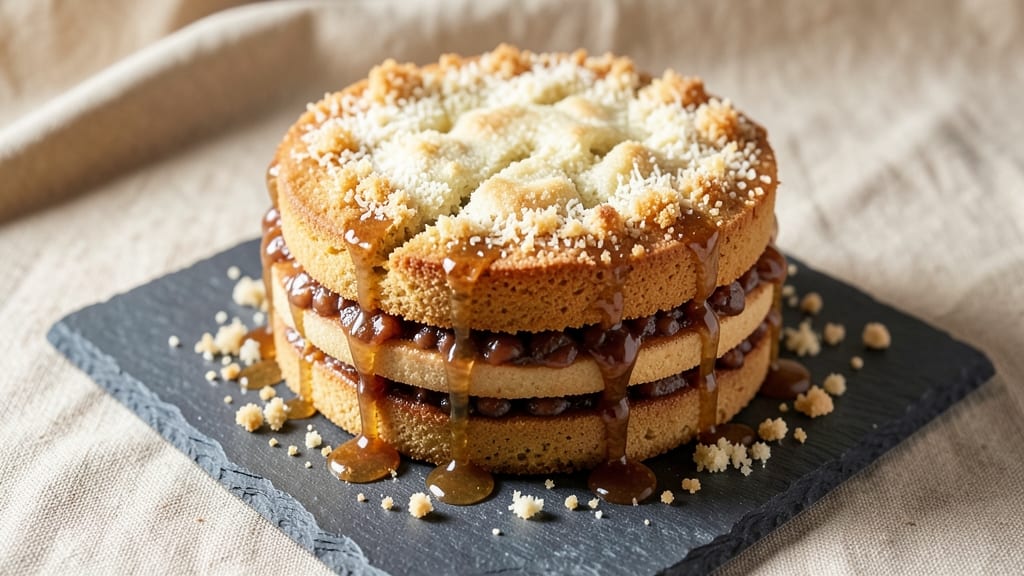
This bean jam cake recipe transforms humble ingredients into a rich, fudgy dessert with caramelized layers that'll surprise anyone who tastes it. 🌟 The secret lies in balancing the natural sweetness of bean jam with a moist, velvety cake batter—creating a texture that's both dense and airy, with a golden, crackly top that begs to be broken into.
What makes this recipe stand out is how the jam's subtle tanginess cuts through the richness, delivering a flavor profile that's unexpectedly sophisticated.
The cake comes together in three simple layers: a velvety base, a jam-infused middle, and a caramelized top that forms naturally from the baking process. No frosting required—just a dusting of powdered sugar or a drizzle of melted vegan butter for that final touch.
The recipe is designed to be foolproof, with clear steps for swirling the jam into the batter to create marbled layers that look as impressive as they taste.
What you'll end up with is a dessert that's decadent yet balanced, with a caramelized crust that gives way to moist, jam-speckled layers beneath. The bean jam adds a subtle earthiness that complements the cake's richness, making every bite a harmonious blend of textures and flavors.
Perfect for special occasions or a cozy weekend treat, this cake proves that plant-based desserts can be just as indulgent as traditional ones.
Whether you're serving it warm with a scoop of vegan ice cream or letting it cool slightly for cleaner slices, this cake delivers restaurant-quality results with minimal effort.
The recipe scales easily for gatherings, and the leftovers keep well for up to three days—if they last that long. Let's get baking!
Ingredients for bean jam cake
Rich, fudgy layers meet caramelized magic in this vegan bean jam cake—just 12 ingredients for restaurant-quality dessert.
| Ingredient | Amount | Notes |
|---|---|---|
| All-Purpose Flour 🌾 | 2 cups | Sifted for light texture |
| Granulated Sugar 🍚 | 1 ½ cups | Organic preferred for purity |
| Coconut Oil 🥥 | ¾ cup | Melted, not solid |
| Unsweetened Almond Milk 🥛 | 1 cup | Cold for best texture |
| Apple Cider Vinegar 🍎 | 1 tbsp | For tenderizing |
| Baking Powder 🧂 | 2 tsp | Freshly opened |
| Salt 🧂 | ½ tsp | Fine sea salt |
| Vanilla Extract 🌸 | 1 tsp | Pure alcohol-free |
| Bean Jam 🍯 | 1 ½ cups | Homemade or store-bought |
| Powdered Sugar 🍚 | ½ cup | For dusting |
| Chopped Walnuts 🌰 | ½ cup | Optional topping |
| Vegan Butter 🧈 | 2 tbsp | For drizzling |
The bean jam is the heart of this cake, so quality matters. Homemade is ideal, but store-bought varieties like Eden Foods or local specialty shops work beautifully too. Look for jam with visible bean chunks and minimal added sugar—the deeper the red, the better. For the coconut oil, Trader Joe's or Whole Foods brands are reliable, but any unrefined variety will do. The almond milk should be unsweetened; Silk or Almond Breeze are my go-tos, but any plant-based milk works. Sifting the flour is non-negotiable—it prevents dense layers and ensures that signature crackly top.
No bean jam? Raspberry or blackberry jam at half the amount works in a pinch, though the flavor profile shifts. Swapping coconut oil for melted vegan butter adds richness, but reduce the almond milk by 2 tbsp to balance moisture. For a nut-free version, omit the walnuts or use chopped dried apricots instead. The baking powder must be fresh—if it's over a year old, toss it. Freshness is key for that perfect rise. If you're short on vanilla, vanilla bean paste intensifies the flavor beautifully. And while powdered sugar is traditional, confectioners' sugar from the bulk section at Costco is just as good and more economical.
This cake keeps beautifully—3 days at room temperature wrapped in parchment, or up to 5 days refrigerated in an airtight container. For longer storage, freeze slices individually wrapped for up to 3 months. Reheat in the oven at 300°F for 5-10 minutes to restore that caramelized crust. The jam layers soften slightly when chilled, so serve at room temperature for the best texture. A quick dusting of powdered sugar right before serving elevates the presentation without adding calories—worth the extra minute.
Why You'll Love This Recipe
- No Mixer Needed: I swear by this recipe when my hands are full—just stir the coconut oil into the almond milk until it’s smooth, then fold in the flour. No electric mess, no sticky spatulas, and honestly? The result is fluffier than anything I’ve made with a stand mixer.
- Sweet-Savory Magic: That bean jam swirl—thick, tangy, and just sweet enough—cuts through the cake’s richness like a perfect contrast. I’ll be real: I’ve made it without the jam before, and it’s good, but this version? Ridiculously good.
- Brunch or Snack: Serve it warm with a drizzle of honey for a weekend brunch, or cut into squares for after-school snacks. The almond milk keeps it moist enough to slice neatly, and the vinegar adds a subtle tang that balances the sugar. (Yes, even on a Tuesday night.)
- Budget-Friendly Stash: Flour, sugar, and coconut oil are pantry staples, and a single batch feeds four—or five, if you’re like me and sneak extra slices. The jam’s sweetness stretches further than store-bought, and the cake stays fresh for days wrapped in parchment. My secret weapon for lazy mornings.
Step-by-step instructions for bean jam cake
Here's how to create a rich, fudgy cake with caramelized layers—no shortcuts, just perfect technique.
👨🍳 Step 1: Mix Dry Ingredients and Wet Ingredients Separately
In a medium bowl, whisk together the 2 cups All-Purpose Flour, 2 tsp Baking Powder, and 0.5 tsp Salt. Sift the flour first to prevent lumps—this ensures a light, airy texture. Set aside. In a separate large bowl, combine the 1.5 cups Granulated Sugar and 0.75 cup Coconut Oil (melted). Whisk until smooth and fully incorporated.
Add the 1 cup Unsweetened Almond Milk, 1 tbsp Apple Cider Vinegar, and 1 tsp Vanilla Extract to the wet mixture. The vinegar reacts with the almond milk to create a buttermilk-like consistency, which tenderizes the cake. Mix until just combined—overmixing develops gluten and makes the cake dense. Real talk: don't worry if it looks curdled; the flour will smooth it out.
🥘 Step 2: Combine Wet and Dry Ingredients
Gradually add the dry ingredients to the wet mixture, mixing on low speed with a hand mixer or spoon until just combined. You should still see a few flour streaks—this prevents a tough texture. Fold in the 1.5 cups Bean Jam using a spatula, mixing until evenly distributed. The jam adds moisture and a deep, fruity flavor that makes this cake uniquely rich.
This is where the magic happens: the jam creates pockets of flavor throughout the cake rather than pooling at the bottom. If you're using store-bought jam, make sure it's thick and spreadable—not runny. If it's too thick, warm it slightly to loosen it before mixing.
🍳 Step 3: Bake the Cake Layers
Preheat your oven to 350°F. Grease two 8-inch round cake pans and line the bottoms with parchment paper. Divide the batter evenly between the pans. Bake for 25-30 minutes, or until a toothpick inserted into the center comes out clean. The edges should be golden brown, but the tops might still look slightly underdone—don't overbake.
I press down gently on the pans during the first 10 minutes of baking to prevent the cake from doming too much. This ensures even cooking and a consistent texture. Let the cakes cool in the pans for 10 minutes before transferring them to a wire rack to cool completely. Patience here is key—cooling prevents the cake from falling apart when you assemble it.
🥘 Step 4: Assemble and Caramelize the Top
Once the cakes are completely cool, place one layer on a cake stand or plate. Spread a thin layer of 2 tbsp Vegan Butter over the top, then add a generous dollop of 0.5 cup Bean Jam in the center. Top with the second cake layer and press gently to adhere. Dust the entire cake with 0.5 cup Powdered Sugar for a snowy finish.
For the caramelized top, place the assembled cake under a broiler for 2-3 minutes, watching closely to avoid burning. You'll see the sugar melt and turn golden—this creates that beautiful, crispy crust. Immediately sprinkle the 0.5 cup Chopped Walnuts over the top while the sugar is still warm so they stick. Let the cake cool completely before slicing.
⏰ Step 5: Serve and Enjoy
Slice the cake into 8 equal wedges using a sharp serrated knife. The layers should be moist and fudgy, with a caramelized sugar crust on top and a dusting of powdered sugar. Serve at room temperature for the best texture—this cake holds up well for 2-3 days if stored in an airtight container.
Here's the thing—this cake is best enjoyed warm or at room temperature. The contrast between the warm, jammy layers and the cool, crispy top is what makes it special. Pair it with a cup of chai or a cold glass of almond milk for the full experience. Each bite delivers a perfect balance of sweetness, texture, and that unmistakable bean jam flavor.
Pro Tips For Making Bean Jam Cake
- MEASURE DRY INGREDIENTS RIGHT: No sifting, but use a spoon to scoop flour into the measuring cup—then level it with a knife. I learned this the hard way after realizing my first cake was dense as a brick. Packing flour into cups adds too much, and this recipe’s structure relies on balance.
- WHISK COCONUT OIL FIRST: Solid coconut oil? Warm it in the microwave for 10-15 seconds until just melted—then whisk it with the sugar until fully emulsified. I used to just dump it in cold, and the cake turned out greasy and uneven. This step guarantees a smoother batter.
- LET THE BATTER REST: After mixing, let the batter sit for 10 minutes before baking. The almond milk and vinegar need time to fully react, and the flour will absorb just enough to prevent a gummy texture. I skipped this once and ended up with a cake that tasted like a science experiment gone wrong.
- BAKE UNTIL 205°F: Use an instant-read thermometer to check the center—it should hit 205°F before pulling it out. The cake will keep rising slightly as it cools, but this temp ensures it’s fully set. I took it out too early once and the middle stayed doughy for hours.
Wine and beer pairings for bean jam cake
Sweet Wine Pairings
This rich, fudgy bean jam cake pairs beautifully with dessert wines that complement its caramelized top and jammy layers. A Moscato d'Asti from Italy—light, slightly fizzy, and with hints of peach and apricot—cuts through the cake's density while enhancing the bean jam's subtle tang.
I love the Brachetto d'Acqui for its berry notes that mirror the jam's fruitiness. Both wines are sweet enough to balance the cake's richness without overwhelming it. 🍷
Dry Red Contrasts
For those who prefer dry wines, a Pinot Noir with its earthy undertones and red fruit flavors creates an unexpected but delicious contrast. Look for one from Oregon or Burgundy—their bright acidity cleanses the palate between bites of the caramelized crust.
A Zinfandel with its jammy, spicy notes also works surprisingly well, especially if you choose a California version with lower alcohol content. The wine's boldness stands up to the cake's intensity.
Beer Options
Craft beer lovers shouldn’t miss out—opt for a Belgian Dubbel with its caramel and raisin flavors that echo the cake’s sweetness. Brands like Westmalle Dubbel or Chimay Red add a malty depth that pairs wonderfully with the bean jam’s earthiness.
For a lighter option, a honey brown ale (like Allagash Honey Brown) brings a touch of sweetness without overpowering the cake. Avoid heavy IPAs—they’ll clash with the delicate flavors. 🍺
Coffee Pairing
If you’re serving this cake after dinner, a strong espresso or dark roast coffee with notes of chocolate and nuts enhances the caramelized top and walnut crunch. The bitterness of the coffee balances the cake’s sweetness, creating a perfect finish.
For a non-coffee option, chicory root tea with a splash of vanilla syrup adds a similar depth without caffeine. This pairing is especially great for late-night dessert cravings.
Seasonal Adaptations
In warmer months, swap wine for a sparkling rosé—its crisp acidity and berry notes complement the cake’s jammy layers. For fall and winter, a Port wine with its rich, fruity profile adds a luxurious touch, especially when served warm.
The wine’s viscosity coats the palate, making each bite of the caramelized cake even more indulgent. Trust me, this combo is a game-changer for holiday gatherings. ✨
Nutrition facts
Frequently asked questions
Can I substitute bean jam with other fruit preserves?
Yes, but the flavor will change! Use raspberry or blackberry jam at half the amount (0.75 cups) for a similar texture. For a deeper earthy note, try fig or plum jam. Avoid citrus preserves—they can make the cake too tart. If using store-bought jam, choose one with visible fruit chunks for better texture.
Why did my cake turn out dense instead of fudgy?
Overmixing the batter develops gluten, making the cake tough. Also check these:
- Did you sift the flour?
- Was the oven temperature accurate (350°F)?
- Did you press down the pans during the first 10 minutes of baking? Underbaking can also cause density—insert a toothpick to confirm it comes out clean.
How do I make this cake nut-free?
Skip the walnuts and replace them with chopped dried apricots or toasted coconut flakes for crunch. For extra richness, add 1 tbsp vegan chocolate chips to the batter. The caramelized top will still form beautifully—just omit the nut topping entirely if needed.
Can I bake this cake in a single layer instead of two?
Use a 9-inch round pan and bake for 35-40 minutes at 350°F. For a marbled effect, swirl the jam into the batter before pouring. The single layer will be thicker but equally moist. Serve with extra powdered sugar or a drizzle of melted vegan butter for decoration.
How long does the cake keep, and can I freeze it?
Store wrapped at room temperature for 3 days or refrigerate for 5 days. For freezing, slice and wrap individually—this cake stays fresh for 3 months. Reheat slices at 300°F for 5-10 minutes to restore the caramelized crust. The texture remains moist, but the top may lose some crispiness.