
Side Dishes
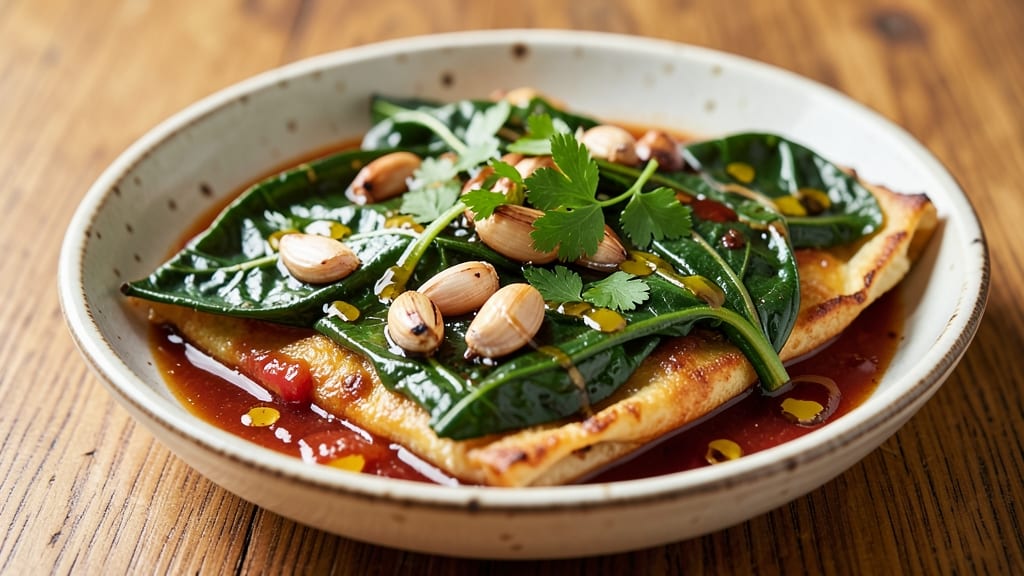
This bean leaves recipe transforms humble greens into a vibrant, garlicky tomato dish that’s as flavorful as it is versatile. 🌿 The secret lies in wilted leaves paired with a bright tomato-garlic base, creating a side that’s both rustic and refined—perfect for elevating any meal.
Whether you’re serving it alongside grilled meats or as a standalone vegetarian dish, the balance of acidity and richness makes it unforgettable.
The process is simpler than it sounds: fresh bean leaves are blanched just enough to soften without losing texture, then tossed with a simmered tomato-garlic sauce. A touch of olive oil and lemon brightens the dish, while herbs like parsley or dill add freshness.
The result is a dish that’s tender, aromatic, and packed with Mediterranean-inspired flavor—ideal for those who love bold, herbaceous sides.
What sets this recipe apart is its adaptability. Use it as a bed for grilled fish, a topping for crusty bread, or a filling for stuffed vegetables. The key is timing: the leaves must wilt perfectly to absorb the sauce without turning mushy.
With just 20 minutes of active prep, you’ll have a side dish that feels like it took hours to prepare.
For an extra layer of depth, finish with a sprinkle of feta or toasted pine nuts. This dish is as comforting as it is elegant—a testament to how simple ingredients can create something truly special. Let’s get cooking!
Ingredients for bean leaves
Fresh greens meet Mediterranean flavors in this vibrant bean leaves dish—simple yet sophisticated.
| Ingredient | Amount | Notes |
|---|---|---|
| Fresh Bean Leaves 🌿 | 12 whole | Large, tender leaves preferred |
| Extra-Virgin Olive Oil 🫒 | ¼ cup | High quality, fruity |
| Garlic Cloves 🧄 | 4 cloves | Peeled and minced finely |
| Canned San Marzano Tomatoes 🍅 | 1 can | Crushed by hand, no salt added |
| Red Wine Vinegar 🍷 | 1 tbsp | For bright acidity |
| Fresh Parsley 🌿 | ¼ cup | Chopped finely, stems removed |
| Fresh Dill 🌿 | 2 tbsp | Chopped, or sub with tarragon |
| Lemon Juice 🍋 | 1 tbsp | Freshly squeezed |
| Vegetable Broth 💧 | ½ cup | Low-sodium preferred |
| Salt 🧂 | ½ tsp | Diamond Crystal kosher |
| Black Pepper 🌶️ | ¼ tsp | Freshly cracked |
| Feta Cheese 🧀 | ¼ cup | Crumbled, optional garnish |
| Pine Nuts 🥜 | ¼ cup | Toasted lightly, optional |
The bean leaves are the star, so pick the largest, most tender ones you can find. If you can't get fresh, frozen bean leaves work in a pinch—just thaw and pat dry. For the tomatoes, San Marzano is ideal—its sweetness balances the acidity perfectly. I always grab mine from Trader Joe's or Whole Foods when I'm doing a big batch. The garlic should be freshly minced—pre-minced from jars lacks that bright punch. If you're using dried herbs, double the amount of parsley and dill, but fresh is better.
No red wine vinegar? White wine vinegar or lemon juice works just fine—just add an extra pinch of sugar to balance. Short on feta? Skip it or use vegan feta—the dish still shines. The pine nuts are optional but add a lovely crunch. Walnuts or pecans are great budget swaps if pine nuts are too pricey. For the broth, low-sodium is key—you don’t want to over-salt the dish. If you're making this ahead, hold off on adding the lemon juice until serving—it keeps the leaves bright and fresh-tasting.
Bean leaves wilt best when blanched just before tossing with the sauce—don’t overcook them or they’ll turn mushy. Store any leftovers in an airtight container with a paper towel to absorb moisture, and they’ll keep for 2-3 days in the fridge. This dish reheats beautifully—just warm gently on the stove with a splash of water to revive the texture. If you're prepping ahead, make the sauce separately and wilt the leaves fresh when ready to serve for the best texture.
Why You'll Love This Recipe
- One-Pot Magic: I swear by this recipe when I’m too tired to wash pots. The bean leaves soften right in the pan with the tomatoes and garlic—no extra bowls, no fuss, just a single skillet that’s basically self-cleaning.
- Wine Vinegar Kick: That splash of red wine vinegar? It’s the secret weapon. Brightens the San Marzano tomatoes into something tangy and complex, like a sun-drenched Italian summer in a jar. (Yes, even my picky husband nods at this.)
- Meal Prep MVP: Make a big batch on Sunday, and you’ve got lunch or dinner covered all week. The flavors deepen overnight, and reheating it? Just a quick stir—no soggy leaves, no sad textures. My go-to for lazy days.
- Budget Bright Spot: Fresh bean leaves might sound fancy, but they’re cheaper than spinach at the market. Pair them with pantry staples (olive oil, garlic, canned tomatoes), and suddenly you’ve got a restaurant-worthy dish without breaking the bank.
Step-by-step instructions for wilted bean leaves with garlicky tomato flavor
Transform tender bean leaves into a vibrant, aromatic dish with this straightforward method.
👨🍳 Step 1: Prepare the Bean Leaves and Aromatics
Rinse the 12 whole fresh bean leaves thoroughly under cold water and pat them completely dry with paper towels. This ensures they wilt evenly and absorb flavors properly. While the leaves dry, mince the 4 cloves garlic finely—you want a paste-like consistency for maximum flavor infusion.
In a small bowl, combine the 0.25 cup fresh parsley, 2 tbsp fresh dill, and 1 tbsp lemon juice. Set aside. Here's the thing—fresh herbs brighten the dish while the lemon juice cuts through the richness of the olive oil and tomatoes, balancing the overall flavor profile.
🍳 Step 2: Sauté Garlic in Olive Oil
Heat the 0.25 cup extra-virgin olive oil in a large skillet over medium-low heat. Add the minced garlic and cook for 2-3 minutes until fragrant but not browned—you want golden color, not burnt bits. This gentle cooking prevents the garlic from becoming bitter.
Real talk: Garlic burns fast. Keep an eye on it and stir occasionally. Once it's golden, remove the skillet from heat for now—we'll return to it shortly.
🍳 Step 3: Build the Tomato-Broth Base
Return the skillet to medium heat and add the 1 can crushed San Marzano tomatoes, 1 tbsp red wine vinegar, 0.5 cup vegetable broth, 0.5 tsp salt, and 0.25 tsp black pepper. Stir well and let the mixture simmer for 5-7 minutes until it thickens slightly and the flavors meld together.
You'll notice the tomatoes reduce and darken—this creates a rich, concentrated sauce that clings beautifully to the bean leaves. If it seems too thick, add 1-2 tablespoons water to loosen it slightly.
🥘 Step 4: Wilt the Bean Leaves
Add the dried bean leaves to the skillet in batches, gently folding them into the sauce. Cover the skillet and cook for 3-4 minutes over medium-low heat until the leaves are tender but still vibrant green. You're aiming for wilted, not mushy—think of them like spinach that's just lost its stiffness.
Don't overcrowd the pan. If needed, work in two batches to ensure even cooking. The leaves should collapse beautifully into the sauce, absorbing all those garlicky tomato flavors.
🍽️ Step 5: Finish and Serve
Remove the skillet from heat and stir in the reserved herb-lemon mixture. Taste and adjust seasoning if needed—you might want a touch more salt or vinegar to balance the flavors. The dish should be bright, garlicky, and slightly tangy.
For serving, transfer the bean leaves to a platter and top with 0.25 cup crumbled feta cheese and 0.25 cup lightly toasted pine nuts. The feta adds a salty contrast while the pine nuts bring a delightful crunch. Serve immediately while the leaves are still warm and vibrant.
Pro Tips For Making Bean Leaves
- Wash Leaves in Cold Water: Fresh bean leaves stick like glue when dirty—give them a quick rinse in cold water, then pat dry with paper towels. Wet leaves won’t crisp properly when cooked, and nobody wants a soggy bundle.
- Sauté Garlic Low and Slow: After searing the leaves, add minced garlic to the olive oil and let it cook at medium-low for 30 seconds—just until fragrant, not brown. Burnt garlic turns bitter, and this dish deserves bright, clean flavor.
- Crush Tomatoes by Hand: Skip the blender—use your fingers to break up San Marzano tomatoes before adding them to the pan. This keeps the sauce chunky and vibrant, which balances the acidity of the red wine vinegar better than a smooth puree.
- Deglaze with Vinegar Last: Add the red wine vinegar after the tomatoes have simmered for 5 minutes—this lets the acid brighten the flavors without making the leaves taste sharp. A splash at the end keeps the dish from curdling.
Essential equipment for this recipe
Skillet Essentials
The right skillet makes all the difference for this dish. I recommend a 12-inch cast-iron skillet like the Lodge Pre-Seasoned—it retains heat beautifully and develops a natural non-stick surface over time.
If you don’t have cast iron, a well-seasoned stainless steel skillet (like All-Clad) works too. Avoid non-stick coatings—they can’t handle the medium-low heat needed for gentle wilting. 🔥
Heat Control Tools
For precise temperature management, a kitchen thermometer (like the Thermoworks Thermapen) is invaluable. You’ll want to maintain medium-low heat (around 275-300°F) when wilting the leaves. A silicon spatula (I use OXO Good Grips) helps fold the delicate leaves without tearing them.
For extra control, I sometimes use a small heat diffuser to prevent hot spots.
Prep Station Must-Haves
Set up a small prep station with these tools: a sharp chef’s knife (I prefer Mac Knife’s 8-inch) for mincing garlic, a fine-mesh strainer (for rinsing leaves), and paper towels (for drying).
A microplane comes in handy for zesting lemon if you want extra brightness. Keep your vegetable broth and vinegar in small measuring cups nearby for quick adjustments during cooking.
Optional Upgrades
For a restaurant-quality finish, toast your pine nuts in a small dry skillet over medium heat for 2-3 minutes until golden. A mortar and pestle (like Kuhn Rikon) helps crush feta into perfect crumbles.
If you’re feeling fancy, a garlic press (I use OXO’s) makes mincing garlic effortless. These extras take the dish from home-cooked to showstopper.
Nutrition facts
Frequently asked questions
Can I use frozen bean leaves instead of fresh?
Yes, but with a few adjustments! Thaw frozen leaves completely and pat them very dry before cooking to prevent excess moisture. Since frozen leaves may be tougher, wilt them for 1-2 minutes longer than fresh—just until tender. Avoid overcrowding the pan to ensure even cooking.
What if I can't find San Marzano tomatoes?
No problem! Use any high-quality canned tomatoes (like whole peeled or crushed varieties) and add ½ teaspoon sugar to balance acidity. For extra richness, stir in 1 tablespoon tomato paste while building the sauce. The key is simmering until flavors meld—about 7-10 minutes total.
How do I store leftovers?
Transfer wilted bean leaves to an airtight container and press a paper towel on top to absorb moisture. They’ll keep in the fridge for 2-3 days. Reheat gently in a skillet with 1 tablespoon water or broth to revive texture. For best flavor, serve within 24 hours—the leaves soften further over time.
Can I make this dish ahead of time?
Prep the sauce separately and store it in the fridge for up to 3 days. When ready to serve, wilt the leaves fresh and toss them with the cooled sauce. For extra brightness, add lemon juice and herbs just before serving. This method keeps the leaves vibrant and prevents sogginess.
What's the best way to serve these bean leaves?
This dish pairs beautifully with grilled meats, roasted potatoes, or crusty bread. For a complete meal, serve over quinoa or couscous and top with extra feta. It also works as a filling for stuffed peppers or zucchini boats. The garlicky tomato flavor makes it a versatile side for both vegetarian and meat-based menus.