
Sauces & Condiments
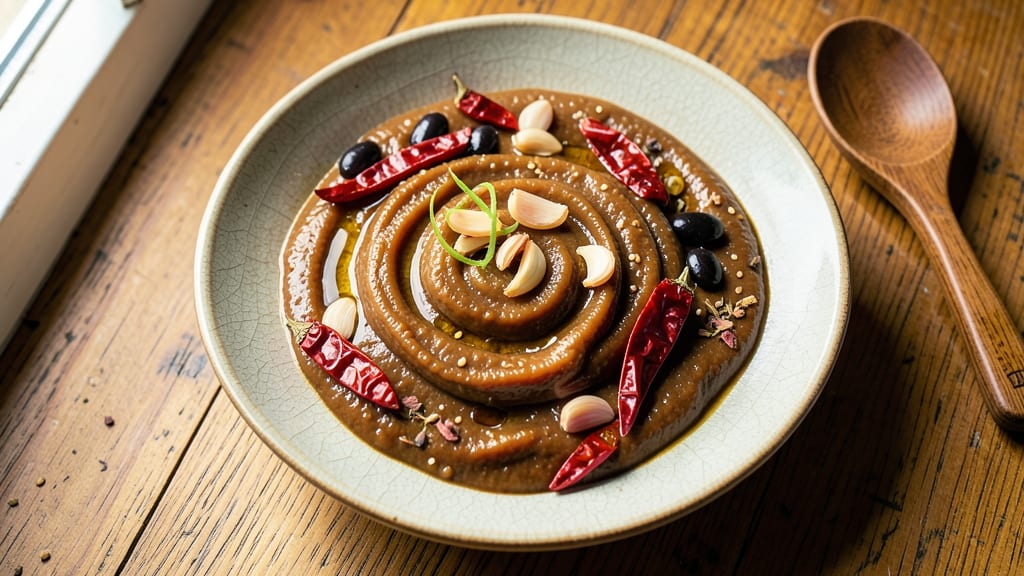
This Chinese bean paste recipe unlocks the deep, fermented umami that defines Sichuan and Cantonese cooking—think doubanjiang's fiery complexity or tauco's velvety richness.
The process transforms simple soybeans and salt into a concentrated flavor powerhouse through natural fermentation, creating a paste that elevates stir-fries, braises, and marinades with just a spoonful. What makes this recipe special is its balance of heat and depth, achieved through careful fermentation and chili integration.
The foundation begins with soaked soybeans, which ferment alongside salt and chili peppers over 7-10 days, developing that signature funky aroma and intense flavor. No special equipment is needed—just a clean jar and patience.
The result is a thick, fermented bean paste that adds layers of umami and subtle heat to any dish, far surpassing store-bought alternatives in complexity and authenticity.
Once fermented, this paste becomes a versatile umami bomb—stir it into stir-fries for instant depth, use it as a marinade for meats, or blend it into sauces for restaurant-quality richness.
The texture is thick but spreadable, with pockets of fermented goodness that transform simple recipes into something extraordinary. Every bite carries the essence of traditional Chinese home cooking.
Store it in the refrigerator for up to 3 months, or extend its shelf life with proper fermentation techniques. This isn’t just a condiment—it’s the secret weapon behind some of the most beloved Chinese dishes. Let’s get started on creating your own batch.
Ingredients for bean paste recipe chinese
Nine essential ingredients transform into a fermented umami powerhouse for authentic Chinese cooking
| Ingredient | Amount | Notes |
|---|---|---|
| Yellow Soybeans (dried) 🌱 | 1 cup | Non-GMO preferred for best flavor |
| Sea Salt 🧂 | ½ cup | Diamond Crystal preferred |
| Dried Red Chili Peppers 🌶️ | ¼ cup | Arbol or Thai bird's eye |
| Garlic Cloves 🧄 | 6 cloves | Fresh, peeled and smashed |
| Ginger Root 🌿 | 2 tbsp | Fresh, grated or finely chopped |
| Fermented Black Beans (optional) 🫘 | ¼ cup | For additional depth |
| Soy Sauce 🍶 | 1 tbsp | Dark soy preferred |
| Sugar 🍯 | 1 tbsp | Brown sugar for caramelization |
| Asian Pear or Apple 🍎 | ¼ whole | For natural pectin |
The soybeans form the backbone of this paste, so non-GMO, organic varieties from Asian markets deliver superior texture and flavor. Sprouted soybeans ferment more efficiently, but unsprouted dried beans work well too. For chili peppers, Thai bird's eye or arbol chilies provide the ideal heat-to-aroma balance—remove seeds for milder heat. The sea salt should be coarse-grained like Diamond Crystal to prevent clumping during fermentation. If you can't find fresh ginger, powdered ginger at half the amount works in a pinch, though fresh is non-negotiable for authentic depth.
No fermented black beans? Skip them entirely—this paste still develops incredible complexity. Dark soy sauce adds that signature mahogany color and umami punch; Kikkoman or Lee Kum Kee brands work perfectly. The sugar isn't just for sweetness—it feeds the fermentation process and creates those caramelized pockets of flavor. For the pear or apple, Asian pears hold their shape better during fermentation than regular apples, but Granny Smith works fine. The garlic and ginger should be roughly chopped rather than minced to prevent excessive liquid release during the process.
Ferment in a sterilized glass jar with a loose lid to allow gas escape. Store in a cool, dark place for 7-10 days, stirring daily. Once fermented, this paste keeps for 3 months refrigerated or 6 months frozen in airtight containers. The texture will thicken over time—add a splash of water if needed when using. For restaurant-quality results, ferment for an additional 3-5 days beyond the initial 10-day period.
Why You'll Love This Recipe
- No-Soaking Needed: I swear by this trick—just rinse the dried yellow soybeans, toss them in boiling water for 10 minutes, and they’re ready. No overnight soaking, no fuss. Honestly, it’s the kind of shortcut that makes me actually want to cook.
- Umami Bomb: That deep, nutty flavor from the soaked beans? Mixed with garlic and ginger, it’s like a slow-cooked secret weapon. The chili peppers add heat without overpowering—just enough to make every bite feel special.
- Pantry Staple Power: Between us, this recipe uses things you already have. Dried beans, salt, chili, garlic—no specialty trips. I’ve made it for lazy weeknights, potlucks, and even as a last-minute gift (in a jar, obviously).
- Lasts for Days: Make a big batch, store it in the fridge, and use it for weeks. Stir-fries, dumplings, noodles—it’s my go-to for quick meals. Not the prettiest, but the taste makes up for it every time.
Step-by-step instructions for Chinese bean paste
Here's the method to craft a rich, aromatic bean paste that elevates any stir-fry or sauce.
Soak and Cook the Yellow Soybeans
Place the 1 cup yellow soybeans in a bowl and cover with plenty of water—at least 4 cups. Let them soak for 12 hours (or overnight) at room temperature. This long soak ensures even cooking and prevents hardness in the final paste. Drain well after soaking.
Transfer the soaked soybeans to a pot and cover with fresh water. Bring to a boil over medium-high heat, then reduce to a gentle simmer. Cook for 45-60 minutes until the beans are fork-tender but not mushy. You'll know they're ready when they crush easily between your fingers but still hold their shape. Drain thoroughly and set aside.
Prepare the Chili-Garlic-Ginger Base
In a dry skillet over medium heat, toast the 0.25 cup dried red chili peppers for 2-3 minutes until fragrant and slightly darkened. Remove from heat and let cool slightly. This step deepens their flavor without burning them.
In the same skillet, add the 6 cloves garlic and 2 tbsp ginger root. Sauté for 1-2 minutes until the garlic turns golden and the ginger becomes aromatic. Be careful not to burn them—this happens quickly. Transfer this mixture to a food processor along with the drained soybeans.
Process the Base Ingredients
Add the toasted chili peppers to the food processor with the garlic-ginger mixture and soybeans. Pulse until everything forms a rough paste, about 1-2 minutes. This stage builds the foundation for the rich, complex flavors that develop during cooking.
Transfer the mixture to a clean pot and stir in the 0.5 cup sea salt, 1 tbsp soy sauce, and 1 tbsp sugar. If using, add the 0.25 cup fermented black beans for extra depth. The salt will help draw out moisture and develop the paste's umami character.
Simmer and Develop the Paste
Cook the mixture over low heat for 45-60 minutes, stirring frequently to prevent sticking. The paste will gradually thicken and darken as moisture evaporates. You're looking for a consistency that's thick enough to coat the back of a spoon but still spreadable.
After 30 minutes, add the 0.25 whole Asian pear or apple, peeled and diced. The natural pectin in the fruit helps bind the paste and adds subtle sweetness. Continue cooking until the mixture reaches your desired consistency—typically 30-45 minutes more for a thick, spreadable paste.
Cool and Store for Maximum Flavor
Remove from heat and let the paste cool completely at room temperature. This cooling period allows the flavors to meld fully. Transfer to a clean glass jar and store in the refrigerator for up to 2 weeks or freeze for 3 months for long-term use.
The paste will continue to develop flavor over time, becoming more complex with each use. Use it in stir-fries, braises, or as a base for dipping sauces—just remember, a little goes a long way due to its concentrated flavor.
Pro Tips For Making Bean Paste Recipe Chinese
- SOAK BEANS 12 HOURS: After burning three batches, I finally figured out that dried yellow soybeans need a long soak—12 hours minimum in cool water. Skip this, and they’ll turn to mush instead of developing that rich, nutty paste texture. Drain and rinse just before cooking, or they’ll start fermenting.
- TOAST BEANS LOW AND SLOW: Start with medium-low heat—high heat means burned edges before the centers soften. Stir constantly for 15-20 minutes until they’re deep golden and smell like toasted hay. I used to rush this, and the paste always tasted bitter. Patience here makes all the difference.
- CRUSH CHILIS COARSELY: Whole dried chilies? Toss ’em in. But if you’re using flakes, don’t grind them fine—leave them chunky. I was skeptical until I tried it: big pieces distribute heat evenly and avoid a one-dimensional burn. Also, save a few whole chilies for garnish if you’re feeling fancy.
- PRESSURE-COOK THE PASTE: Once beans are toasted and soaked, pressure-cook them with garlic, ginger, and salt for 45 minutes. The high pressure breaks them down faster than simmering, and you’ll end up with a smoother paste. Just don’t skip the natural release—opening the lid too soon turns your paste into a watery mess.
Serving suggestions for this recipe
Stir-Fry Elevation
Use 1-2 teaspoons of this fermented bean paste in your stir-fries to add layers of umami and subtle heat. I like to stir it into the wok with the oil before adding vegetables and protein—this ensures even distribution.
For extra depth, add 1 teaspoon of the paste to the marinade for meats like chicken or tofu. The paste caramelizes beautifully with bell peppers and broccoli, creating a rich, glossy finish. 🌶️
Braising Magic
Transform simple braises with 1-2 tablespoons of bean paste as the flavor base. I use it in red-cooked pork dishes or tofu braises, where it develops a deep, savory crust.
For a quick weeknight meal, simmer 1 lb pork shoulder with 2 tablespoons paste, 1 cup water, and 1 tablespoon soy sauce for 2 hours on low heat. The result is tender meat with a complex, fermented depth.
Sauce Foundation
Blend 1 tablespoon of bean paste with 2 tablespoons soy sauce, 1 tablespoon rice vinegar, and 1 teaspoon sesame oil for an instant dipping sauce. This combo works perfectly with dumplings or spring rolls.
For a richer sauce, simmer the paste with 1 cup chicken broth and 1 tablespoon brown sugar until thickened—ideal for glazing roasted vegetables or grilled proteins.
Marinade Power
Create a bold marinade by mixing 2 tablespoons bean paste with 1 tablespoon soy sauce, 1 tablespoon honey, and 1 minced garlic clove. Let it coat chicken, shrimp, or tofu for 30 minutes before cooking.
The fermented flavors penetrate deeply, adding a smoky-sweet crust when grilled or pan-seared. I often double this marinade for extra richness.
Garnish & Finish
Add a dollop of bean paste as a finishing touch to noodle dishes or rice bowls. The vibrant color and intense flavor make it a striking garnish. For extra texture, sprinkle with toasted sesame seeds or chopped scallions.
A small amount—just ½ teaspoon—can elevate a simple bowl of ramen or fried rice into something extraordinary. ✨
Nutrition facts
Frequently asked questions
Can I make this bean paste without fermenting?
Fermentation is key for authentic depth, but you can create a quick version by simmering all ingredients together for 60-90 minutes instead of fermenting. The texture will be less complex, but you'll still get rich umami flavors. For best results, let it sit in the fridge for 24 hours before using to allow flavors to meld.
How do I adjust the heat level?
For milder heat, reduce chili peppers to 0.1 cup or remove seeds. For extra spice, add 1 tablespoon of chili flakes or 1-2 dried Thai chilies. Remember, the paste intensifies over time—start conservative and adjust to taste after fermentation.
What's the difference between this paste and doubanjiang?
This recipe creates a more versatile fermented bean paste similar to tauco or jiangyou, while traditional doubanjiang includes fermented chili beans. Our version has a smoother texture and milder heat, perfect for stir-fries and marinades. Doubanjiang is chunkier with visible chili pieces.
Can I use this paste in vegetarian dishes?
This paste is completely plant-based and adds incredible depth to vegetarian dishes. Use it in tofu stir-fries, veggie braises, or as a marinade for mushrooms. The umami richness makes plant-based meals taste more satisfying. Just ½ teaspoon can transform a simple dish.
What if my paste smells too strong or sour?
This is normal during fermentation! The funky aroma means fermentation is working. If it's too intense, reduce fermentation time to 5-7 days. For a milder taste, mix equal parts paste with neutral oil before using. Properly fermented paste should have a complex aroma—like soy sauce meets chili—without being putrid.