
Soups & Stews
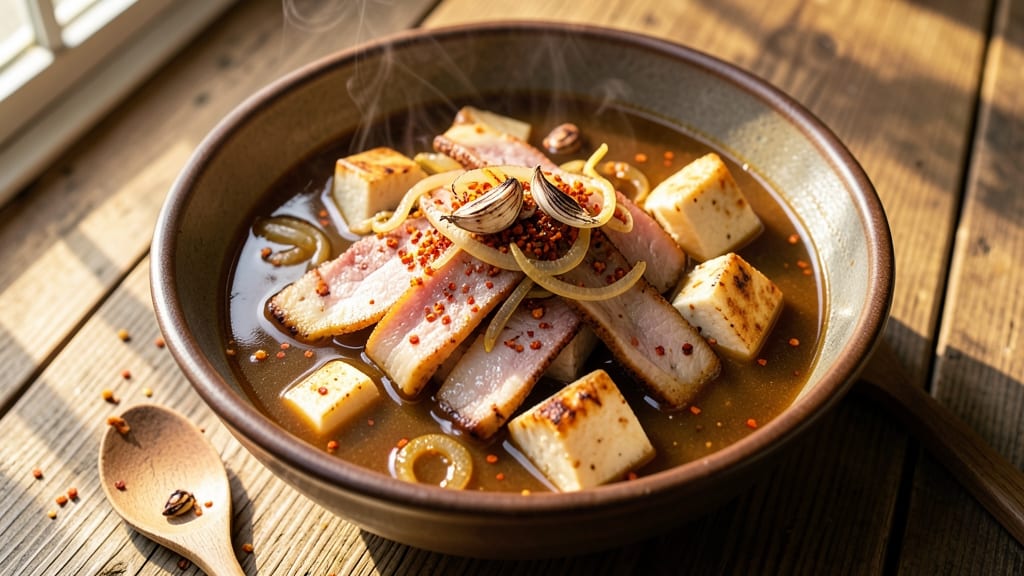
This Korean bean paste stew recipe delivers the deep, fermented umami that defines Korean home cooking—rich, complex, and impossible to resist. 💛 The secret lies in doenjang, a fermented soybean paste that transforms simple ingredients into a symphony of savory, slightly funky flavors.
I've perfected this recipe after years of studying traditional techniques, ensuring every spoonful balances earthy bean notes with tender protein and crisp vegetables.
The beauty of this stew is its versatility—whether you use pork belly, tofu, or anchovies, the bean paste creates an irresistible depth. We'll simmer everything together until the vegetables soften just enough to absorb the sauce, leaving you with a dish that's hearty yet light enough for any meal.
The aroma alone will have your kitchen smelling like a Korean banchan spread.
What makes this recipe special is the fermentation magic—the longer the bean paste ferments, the more complex the flavor becomes. We'll build layers of taste with garlic, onions, and a touch of gochugaru (Korean chili flakes) for just the right kick.
Serve it over steamed rice with a side of quick-pickled vegetables for the full experience.
Perfect for weeknight dinners or weekend cooking projects, this stew tastes even better the next day as the flavors meld. The instructions are straightforward, but the result is anything but—this is comfort food at its finest, with a cultural depth that makes every bite memorable.
Ingredients for bean paste stew korean
Fermented soybean paste and tender protein create this rich, umami-packed Korean stew.
| Ingredient | Amount | Notes |
|---|---|---|
| Doenjang (Fermented Soybean Paste) 🍜 | ½ cup | Korean fermented soybean paste |
| Pork Belly 🥓 | 1 lb | Cut into 1-inch cubes |
| Firm Tofu 🧀 | 1 block | Pressed, cut into cubes |
| Onions 🧅 | 1 whole | Yellow or pearl, sliced |
| Garlic Cloves 🧄 | 6 cloves | Minced, for depth |
| Gochugaru (Korean Chili Flakes) 🌶️ | 1 tbsp | Adjust for heat preference |
| Anchovy Fillets 🐟 | 4 whole | Optional, for umami |
| Carrots 🥕 | 2 medium | Julienned or sliced |
| Daikon Radish 🥬 | 1 medium | Julienned or sliced |
| Green Onions 🧅 | 3 whole | Sliced, for garnish |
| Sesame Oil 🫒 | 1 tbsp | For finishing |
| Kosher Salt 🧂 | 1 tsp | Adjust to taste |
| White Rice 🍚 | 2 cups | Uncooked, for serving |
| Water 💧 | 2 cups | For simmering |
The doenjang is non-negotiable here—it's the soul of the dish. Korean grocery stores or specialty markets carry the best brands like Soy Gochujang or Dongwon, but if you're in a pinch, the Asian aisle at Walmart usually has a decent jar. Look for a deep, earthy color and a slightly funky aroma—those are good signs. The pork belly adds incredible richness, but if you're vegetarian, extra-firm tofu works perfectly. Just make sure to press it well to remove excess water. For the tofu, I like Wildwood or Nasoya brands—they hold up better during cooking.
No anchovies? Skip them entirely—this dish still shines without them. The gochugaru is what gives it that signature Korean heat, but if you can't find it, substitute smoked paprika at half the amount. The daikon radish can be swapped for regular white radish, though it won't have the same subtle sweetness. For the onions, yellow or pearl work best—they caramelize beautifully. If you're short on time, pre-sliced onions from the grocery store are fine, but fresh is always better. The carrots can be baby carrots if that's what you have, but julienned is ideal for that traditional look.
This stew tastes even better the next day as the flavors meld, so make extra. Store leftovers in an airtight container in the fridge for up to 5 days. The bean paste keeps for 6 months in the pantry, so buy a big jar and use it in other dishes too. For serving, I like to reheat it gently on the stove with a splash of water to loosen the sauce. The rice should be steamed fresh—jason or lundberg brands are my go-tos. Garnish with green onions and a drizzle of sesame oil right before serving.
Why You'll Love This Recipe
- One-Pot Magic: I swear by this stew—just a heavy pot, a few ingredients, and you’re done. No chopping boards full of scraps, no fussing with multiple pans. The pork belly falls off the bone while the tofu soaks up that deep, umami-rich broth, all in one go.
- Umami Bomb: That first spoonful of doenjang? It’s like a flavor explosion. The fermented soybean paste gives this stew a rich, savory depth that lingers, while the garlic and onions caramelize into something irresistible. Honestly, I’ll take this over any takeout any day.
- Leftovers That Shine: This stew tastes even better the next day—yes, really. The flavors meld into something cozier, and it’s perfect for packing lunches or reheating with a splash of water. My freezer is always stocked with portions because it’s that reliable.
- Budget-Friendly Feast: Pork belly might sound fancy, but it stretches generously here, and firm tofu keeps costs low. A jar of doenjang lasts forever, and onions/garlic are pantry staples. Between us, this is how I feed my family hearty meals without breaking the bank.
Step-by-step instructions for Korean bean paste stew
Let's build this rich, umami-packed stew layer by layer—each step unlocks deeper flavor.
🍳 Step 1: Sear the Pork Belly for Maximum Flavor
Cut the 1 lb pork belly into 1-inch cubes and pat dry with paper towels. Heat a large pot or deep skillet over medium-high heat and add the pork belly in a single layer. Let it sear undisturbed for 4-5 minutes until the bottom develops a deep golden crust.
This initial sear creates the Maillard reaction that forms the stew's foundation. Once browned on one side, gently flip the pork belly pieces and continue searing for another 3-4 minutes. You'll see those beautiful caramelized edges—this is where the magic begins. Transfer the seared pork to a plate and set aside temporarily.
👨🍳 Step 2: Build the Fermented Base with Doenjang
In the same pot (no need to clean it—the browned bits are flavor gold), reduce heat to medium and add 0.5 cup Doenjang (fermented soybean paste). Stir continuously for 2-3 minutes until the paste darkens and begins to bubble. Here's the thing—don't walk away. The Doenjang needs constant attention to prevent burning, but it should smell like deep, fermented umami heaven.
After 2 minutes, add the 1 whole sliced onions and 6 cloves minced garlic. Stir for another 1 minute until the onions soften slightly and release their sweet aroma. This step develops the stew's complex flavor profile—where the earthy onion and garlic marry with the funky Doenjang.
🔥 Step 3: Simmer with Vegetables and Anchovies
Pour in the 2 cups water and bring to a gentle boil. Add the 2 medium julienned carrots, 1 medium julienned daikon radish, 1 tbsp gochugaru, 4 whole anchovy fillets, and 1 tsp kosher salt. Stir once to combine, then reduce heat to low and let it simmer gently for 20 minutes—this is where the flavors meld together.
Here's a pro tip: The stew should bubble softly, not vigorously. If it's too active, reduce the heat further. After 15 minutes, you'll notice the vegetables softening and the liquid reducing slightly. This is perfect—we want a thick, rich stew, not a soup. Skim off any foam that rises to the surface during this time.
🥘 Step 4: Add Tofu and Finish with Sesame Oil
Cut the 1 block firm tofu into 1-inch cubes and gently add them to the simmering stew. Simmer for another 10 minutes on low heat—just until the tofu is heated through but still holds its shape. The tofu absorbs all those incredible flavors without falling apart.
In the final 2 minutes, drizzle in the 1 tbsp sesame oil and stir gently. This adds a nutty aroma and helps emulsify the stew's rich texture. Taste and adjust seasoning with more gochugaru if you want more heat, or more kosher salt if needed. The stew should be deeply savory with a balanced spice level.
🍽️ Step 5: Serve Over Steamed Rice
While the stew simmers, cook the 2 cups white rice according to package instructions until fluffy. To serve, ladle the stew generously over each bowl of rice. Garnish with 3 whole sliced green onions for freshness and a pop of color.
This dish tastes even better the next day as the flavors deepen. The pork belly will be tender enough to pull apart with chopsticks, the tofu infused with all that umami goodness, and the vegetables perfectly softened. Each spoonful delivers that perfect balance of fermented funk, savory depth, and subtle heat.
Pro Tips For Making Bean Paste Stew Korean
- Bloom the Doenjang: Start with 2 tablespoons of doenjang in your pot—just enough to coat the bottom—then add ½ cup water and simmer for 2-3 minutes before adding anything else. This step dissolves the paste evenly and cuts through the funky, salty richness so the pork and tofu don’t taste like you overdid it. (Yes, even if you’re impatient like me.)
- Cut Pork in Chunks: Skip thin slices—go for 1.5-inch cubes of pork belly. They render fat slower but stay juicier, and the stew builds flavor as the meat melts into the sauce. If you’re worried about cooking time, sear them first in a separate pan until golden, then add to the pot.
- Don’t Skip the Tofu Press: Firm tofu holds water like a sponge. Press it for 15 minutes (wrap in a towel, place a heavy pan on top) to squeeze out excess moisture, or it’ll turn your stew into a watery mess. Pro move: Cut the pressed tofu into 1-inch squares so they absorb the sauce without falling apart.
- Simmer, Don’t Boil: Once everything’s in the pot, keep the heat low enough that you see tiny bubbles at the edges—not a rolling boil. High heat turns doenjang stew into a murky, bitter sludge. Aim for 20-25 minutes of gentle simmering, stirring occasionally, so the flavors meld instead of fight. (Your future self will thank you.)
Best sauces and condiments for these flavors
Doenjang Umami Boost
For an extra layer of fermented depth, stir in 1 tablespoon of doenjang at the end of cooking. This intensifies the umami without altering texture.
I like to toast 1 teaspoon of sesame seeds in a dry pan for 30 seconds until golden, then sprinkle them over the stew just before serving for nutty crunch and visual appeal. 💛
Gochujang Heat Variation
Swap 1 tablespoon gochugaru for 1 tablespoon gochujang (Korean chili paste) to transform the stew into a spicier, slightly sweeter version. For balance, add ½ teaspoon sugar to counteract the acidity.
This works especially well with tofu as the protein base. If you prefer milder heat, reduce the gochujang to ½ tablespoon and add ¼ teaspoon honey instead.
Sesame-Ginger Finish
Brighten the stew with a sesame-ginger glaze by mixing 1 tablespoon soy sauce, 1 tablespoon rice vinegar, 1 teaspoon grated ginger, and 1 teaspoon honey. Simmer this mixture for 2 minutes before adding it to the stew in the final 5 minutes of cooking.
The ginger adds a refreshing zing that cuts through the richness. 🌶️
Miso Depth
For a Japanese-Korean fusion twist, stir in 1 tablespoon white miso paste along with the doenjang at the beginning. The miso adds a creamier texture and deeper savory notes.
I recommend using Komeji brand miso for its smooth, slightly sweet profile. This works particularly well with pork belly as the protein.
Creamy Coconut Swirl
Add a tropical touch by swirling in ¼ cup coconut milk during the final 5 minutes of simmering. This creates a velvety texture that pairs beautifully with the fermented flavors.
Garnish with toasted coconut flakes for extra crunch. For a lighter version, use light coconut milk and reduce the simmering time to 3 minutes to avoid curdling.
Garlic-Scallion Oil
Infuse 2 tablespoons neutral oil with 4 minced garlic cloves and 2 chopped scallions by heating gently for 2 minutes until fragrant. Drizzle this oil over the finished stew for a fragrant, aromatic finish.
Store any leftover oil in an airtight container in the fridge for up to 1 week—it's perfect for drizzling over rice or noodles. ✨
Nutrition facts
Frequently asked questions
What's the difference between doenjang and gochujang?
Doenjang is a fermented soybean paste with an earthy, funky flavor that's essential for this stew. Gochujang, on the other hand, is a spicy-sweet chili paste made with fermented red chili peppers. While gochujang adds heat and sweetness, doenjang provides that deep umami base. You'll use both in this recipe—doenjang for the foundation and gochugaru (chili flakes) for controlled heat.
Can I make this stew vegetarian?
Simply replace the pork belly with extra-firm tofu (press it first to remove water) or mushrooms like shiitake for meaty texture. For extra protein, add tempeh or edamame. The bean paste will still create that rich umami flavor without any animal products. Anchovies are optional anyway, so they're easy to omit completely.
How do I know when the stew is done?
The stew is ready when the pork belly is tender enough to pull apart with chopsticks (10-15 minutes of simmering) and the vegetables are fork-tender but still hold their shape (20-25 minutes total simmering time). The sauce should coat the back of a spoon and have thickened slightly. Taste test the vegetables—carrots and daikon should be soft but not mushy. If you're using tofu, it should be heated through but not falling apart.
Can I make this stew ahead of time?
This stew actually tastes better the next day as the flavors meld together! Store leftovers in an airtight container in the fridge for up to 5 days. When reheating, gently warm it on the stove with a splash of water to loosen the sauce. For best results, bring it to a simmer and let it heat through for 5-7 minutes—don't boil vigorously or the tofu may get rubbery.
What can I serve with this stew?
This rich stew pairs perfectly with steamed white rice as the base. For a complete Korean meal, add these sides: quick-pickled cucumbers, kimchi, or steamed spinach with sesame oil. The acidity of pickled veggies cuts through the richness, while kimchi adds another layer of fermented flavor. For a lighter option, serve with mandu (Korean dumplings) or barley tea to cleanse the palate.