
Main Courses
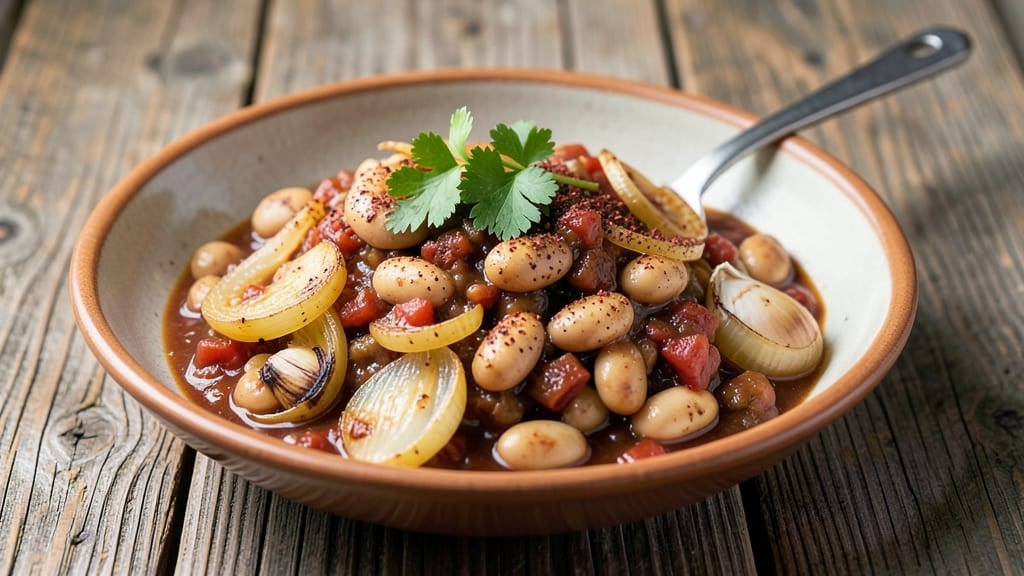
This bean ragout recipe transforms humble ingredients into a deep-simmered masterpiece that balances earthy umami with comforting richness. The secret lies in slow-cooked beans, caramelized onions, and a fragrant blend of herbs that develop layers of flavor over time.
Unlike quick weeknight meals, this dish rewards patience with a sauce so velvety it clings to every bean.
Traditional French ragout technique forms the foundation—browning onions and garlic to build depth before adding tomatoes and herbs. I’ve adapted it with smoked paprika for warmth and a touch of coconut milk for creaminess, creating a sauce that’s both rustic and refined.
The result is a dish that feels indulgent yet remains vegetarian-friendly and packed with plant-based protein.
What makes this ragout special is its versatility—serve it over crusty bread for dipping, alongside roasted greens for balance, or as a hearty main with a sprinkle of fresh parsley. The flavors only deepen as it sits, making it perfect for meal prep or a cozy weeknight dinner.
Each bite delivers tender beans, caramelized aromatics, and a sauce that’s rich without being heavy.
The key to success is simmering low and slow, allowing the flavors to meld into harmony. No fancy techniques—just time, patience, and a few simple ingredients. This is comfort food at its finest, where every spoonful feels like a hug. Ready to create something truly satisfying?
Ingredients for bean ragout
Transform humble pantry staples into a velvety bean ragout with deep umami layers.
| Ingredient | Amount | Notes |
|---|---|---|
| Dried White Beans 🌾 | 1 ½ cups | Soaked overnight or quick-soaked |
| Yellow Onions 🧅 | 2 whole | Thinly sliced for caramelization |
| Garlic Cloves 🧄 | 4 cloves | Minced for aromatic base |
| Smoked Paprika 🌶️ | 1 tbsp | For deep smoky flavor |
| Canned Crushed Tomatoes 🍅 | 1 can | San Marzano preferred, 15 oz |
| Vegetable Broth 💧 | 2 cups | Low-sodium preferred |
| Coconut Milk 🥥 | ½ cup | Full-fat for creaminess |
| Fresh Thyme 🌿 | ¼ cup | Leaves only, chopped |
| Fresh Parsley 🌿 | ¼ cup | Chopped for garnish |
| Olive Oil 🫒 | ½ cup | Extra-virgin for richness |
| Sea Salt 🧂 | 1 ½ tsp | Diamond Crystal preferred |
| Ground Black Pepper 🌶️ | ½ tsp | Freshly ground |
The beans are the heart of this dish—great northern or cannellini work best for their creamy texture. Soak them overnight for even cooking, or use the quick-soak method (boil 2 minutes, then let sit 1 hour). Trader Joe's has pre-soaked beans in a pinch, but they're pricier. For the onions, take your time—slow caramelization builds the foundation. The smoked paprika is non-negotiable; it's what gives this ragout its signature depth. Grab a small jar from Penzeys if you're serious about flavor, but the regular grocery store stuff works fine for everyday cooking.
No San Marzano tomatoes? Any quality canned tomatoes will do—just drain well to avoid excess liquid. Fresh thyme is ideal, but dried thyme at one-third the amount works in a bind. The coconut milk adds richness without heaviness; full-fat is best, but light works if that's what you have. For extra umami, add a splash of soy sauce or miso paste. The olive oil should be extra-virgin—California avocado or Italian brands from the grocery store's specialty section are reliable choices. If you're watching calories, you can reduce it to 2 tablespoons, but the flavor won't be as developed.
This ragout tastes even better the next day as flavors meld. Store in an airtight container in the fridge for up to 5 days—the sauce will thicken slightly, which is perfect. For longer storage, freeze portions for up to 3 months. I like to make a double batch and freeze half immediately; it's perfect for busy nights. The parsley can be added fresh at serving time, so store it separately in a sealed container with a paper towel to keep it vibrant. Reheat gently on the stove with a splash of water or broth to restore the sauce's velvety texture.
Why You'll Love This Recipe
- Foolproof Soak: I’ll admit, I used to dread soaking beans—until I realized dried white beans only need a quick overnight soak (or even a 15-minute hot soak if I’m desperate). The onions and garlic caramelize while they simmer, so by the time the beans are tender, the house smells like a warm hug.
- Smoky Depth Magic: That pinch of smoked paprika? It’s the secret weapon. The tomatoes mellow into a rich base while the paprika lingers like a campfire aroma—earthy, slightly sweet, and just smoky enough to make you reach for seconds. Honestly, I’ve tried other ragouts, but this combo is spot-on.
- Weeknight to Potluck: This dish works just as well over rice for a lazy Tuesday as it does spooned into crusty bread for a picnic. I’ve even brought it to holiday gatherings—it’s hearty enough to feed a crowd but simple enough that no one questions how long it took me to make.
- Leftovers That Don’t Suck: Most bean dishes dry out or taste sad the next day, but not this one. The tomatoes keep it luscious, and the beans hold their shape—perfect for quick lunches or reheated with a sprinkle of cheese. Between us, this is my go-to budget meal that still feels special.
Step-by-step instructions for deep-simmered bean ragout
This method builds rich umami flavor through slow cooking and aromatic development.
Prepare the Beans and Build the Base
In a large pot, combine the 1.5 cups dried white beans with 2 cups vegetable broth and bring to a boil. Reduce heat to medium-low and simmer for 30 minutes, stirring occasionally to prevent sticking. The beans should soften but not fully cook—they'll finish in the ragout.
While the beans simmer, heat 0.5 cup olive oil in a deep skillet over medium heat. Add the 2 whole yellow onions, sliced thin, and cook for 10-12 minutes until golden brown and caramelized. This step is crucial—it develops deep sweetness that forms the ragout's foundation. Remove the onions and set aside, leaving the oil in the pan for the next step.
Develop the Aromatic Base
In the same skillet with onion oil, add the 4 cloves minced garlic and cook for 30 seconds until fragrant. Immediately add the 1 tbsp smoked paprika and stir for 10 seconds to toast the spices—this releases their aromatic oils. Pour in the 1 can crushed tomatoes and stir to combine, scraping up any browned bits from the bottom of the pan.
Return the caramelized onions to the skillet and add the 1.5 tsp sea salt and 0.5 tsp ground black pepper. Simmer the mixture for 5 minutes until the tomatoes break down slightly and the flavors meld. This aromatic base will carry the ragout's depth of flavor.
Combine and Simmer to Perfection
Transfer the bean mixture to the skillet with the tomato base, stirring to combine. Add 2 cups vegetable broth to maintain liquid level and bring to a gentle simmer. Partially cover the skillet and cook for 45-60 minutes over low heat, stirring occasionally. The ragout should reduce slightly but remain saucy—you want it thick enough to coat the back of a spoon.
After 30 minutes, stir in the 0.5 cup coconut milk and 0.25 cup chopped fresh thyme. The coconut milk adds creaminess while balancing the earthy bean flavors. Continue simmering until the beans are tender but not mushy and the liquid has reduced to a rich consistency. Taste and adjust seasoning if needed—this is where you can fine-tune the balance of salt, acidity, and smokiness.
Finish and Serve with Fresh Herbs
Once the ragout reaches your desired consistency, remove from heat and stir in the 0.25 cup chopped fresh parsley. This bright herb cuts through the richness and adds a fresh finish. Let the ragout rest for 10 minutes before serving—this allows the flavors to fully meld and the texture to set slightly.
Serve the bean ragout warm, spooned over crusty bread or polenta. The dish should have a velvety texture with pockets of tender beans, balanced by the smoky, caramelized tomato base. Each bite should deliver comfort through its rich, earthy depth—exactly what makes this ragout so satisfying.
Pro Tips For Making Bean Ragout
- SOAK BEANS OVERNIGHT: I learned this the hard way—rushing the soak leaves beans tough and gummy. Use a 1:3 bean-to-water ratio, cover, and let them sit overnight. Drain and rinse before cooking; no need to boil them first. This cuts cooking time by half and makes the texture creamy instead of mealy.
- SWEAT ONIONS LOW AND SLOW: High heat burns onions before they soften. Cook them over medium-low with a splash of water or white wine, stirring often, until they’re translucent and just starting to caramelize—about 10 minutes. This builds flavor without turning them bitter.
- ADD TOMATOES LAST: Tossing in crushed tomatoes too early turns your ragout into a watery sauce. Wait until the onions and garlic are fragrant and the beans are nearly tender, then stir in the tomatoes. This keeps their acidity bright and lets them thicken the dish properly.
- TOAST THE PAPRIKA: Smoked paprika loses its depth when added raw. Dry-toast it in a small pan over low heat for 30 seconds until it smells earthy and nutty. Stir it into the beans with the garlic—this boosts the smoky flavor without overpowering the dish. (Yes, even if you’re impatient like me.)
Dietary considerations for this bean ragout
Vegetarian Protein Power
This bean ragout delivers 20 grams of plant-based protein per serving, making it a satisfying vegetarian main course. The white beans provide all nine essential amino acids when paired with whole grains like bread or rice.
For extra protein, stir in ½ cup cooked lentils or chickpeas—they blend seamlessly into the sauce. 💪
Gluten-Free Friendly
The recipe naturally avoids gluten, but always double-check your vegetable broth and smoked paprika labels for hidden gluten. Use certified gluten-free soy sauce if you add it for umami depth.
The dish pairs beautifully with gluten-free crusty bread or quinoa for a complete meal. I keep a stash of Trader Joe's gluten-free bread on hand for these occasions.
Low-Fat Adaptations
To reduce fat, swap ½ cup of the olive oil for vegetable broth and use low-fat coconut milk. The ragout will still be flavorful—just slightly lighter in texture.
For extra richness without fat, add 1 tablespoon nutritional yeast (it adds a cheesy, umami note). This version keeps calories under 300 per serving while maintaining depth.
Vegan-Friendly Base
This ragout is already vegan, but you can enhance its umami with 1 teaspoon miso paste or 1 tablespoon soy sauce. For a smoky depth without animal products, use liquid smoke (½ teaspoon) in place of some smoked paprika.
The coconut milk provides creaminess without dairy, making it a complete plant-based dish. 🌱
Allergen Considerations
Watch for nightshade allergies—the tomatoes and smoked paprika contain solanine. For a nightshade-free version, replace tomatoes with 2 cups roasted red peppers or 1 cup tomato-free pasta sauce.
The ragout also works well for soy-sensitive eaters if you omit soy sauce and use coconut aminos instead. Always check labels on broths and spices.
Meal Prep Tips
Store leftovers in an airtight container for up to 5 days—the flavors deepen as it sits. For freezing, portion into single-serving containers and add a splash of broth when reheating to restore moisture.
I like to prep a double batch: one portion for immediate serving and one frozen for lazy weeknights. The texture holds up beautifully after reheating. ✨
Nutrition facts
Frequently asked questions
Can I use canned beans instead of dried?
Drain and rinse 2 (15-oz) cans white beans to remove excess sodium, then add them directly to the skillet during Step 3. You may need to reduce the vegetable broth by 1 cup since canned beans release more liquid. The texture will be slightly softer but still delicious.
How do I adjust the recipe for a smoky flavor without smoked paprika?
Add ½ teaspoon liquid smoke when combining the tomato base, or swap in 1 tablespoon chipotle powder (adjust to taste). For a milder approach, char 1 onion slice directly over a gas flame until blackened, then blend into the sauce. These alternatives deliver depth without overpowering the dish.
Can I make this ragout in a slow cooker?
Yes! Sauté the onions and garlic separately, then transfer everything to the slow cooker. Cook on low for 6-7 hours or high for 3-4 hours. The coconut milk may separate slightly—stir vigorously before serving. For extra richness, add 1 tablespoon cornstarch mixed with water as a slurry during the last 30 minutes.
What's the best way to reheat leftovers?
Gently reheat on the stove over low heat with 2 tablespoons water or broth to restore moisture. Avoid microwaving—it can make the sauce watery. For frozen portions, thaw overnight in the fridge first, then reheat. The ragout tastes even better the next day as flavors meld!
Can I add meat to this vegetarian recipe?
Yes! Brown ½ pound ground sausage (like Italian chorizo) or diced pancetta separately first, then stir into the ragout during Step 3. For chicken, add 1 cup shredded rotisserie chicken at the end. The dish will still maintain its vegetarian-friendly base while gaining extra protein.