
Soups & Stews
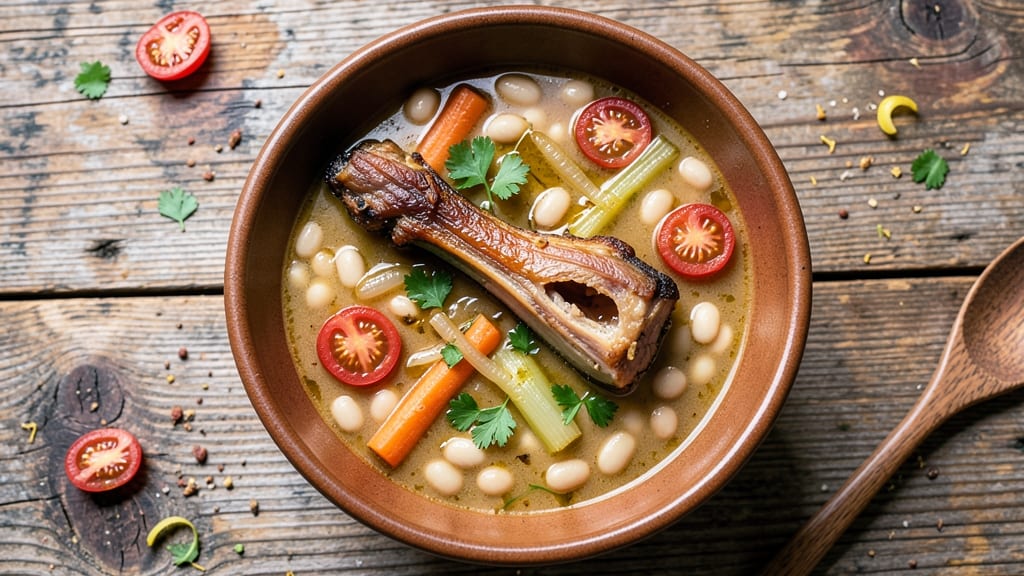
This bean soup recipe with ham bone and tomatoes transforms simple ingredients into a deeply flavorful, one-pot meal that tastes like a hug in a bowl. The ham bone infuses the broth with rich, savory depth, while tomatoes add bright acidity that cuts through the richness.
I developed this recipe after years of testing—it’s the kind of soup that gets better with each simmer, turning humble pantry staples into something extraordinary.
The secret lies in the slow extraction of flavor from the ham bone, which builds complexity over time. You’ll start with a basic broth, but as it simmers, it transforms into something velvety and aromatic, with beans that soften just enough to absorb every layer of taste.
This isn’t just soup—it’s a foolproof method for turning a weeknight into a cozy, restaurant-worthy experience without the fuss.
By the time you’re done, you’ll have a pot of soup so rich and satisfying that it disappears faster than you can say "second bowl." The tomatoes lend a touch of brightness, while the ham bone ensures every spoonful is packed with umami.
It’s the kind of dish that pairs perfectly with crusty bread or a simple green salad, making it versatile enough for any meal.
Whether you’re cooking for one or feeding a crowd, this recipe scales beautifully—just adjust the ingredients accordingly. The beauty of this soup is in its simplicity: a few ingredients, minimal effort, and maximum flavor. Let’s get started on creating something truly comforting.
Ingredients for bean soup recipe with ham bone and tomatoes
Rich umami from the ham bone meets bright tomatoes in this deeply comforting one-pot bean soup.
| Ingredient | Amount | Notes |
|---|---|---|
| Ham Bone 🍖 | 1 whole | Smoked or unsmoked, 1-2 lbs |
| Dried White Beans 🌾 | 2 cups | Soaked overnight or quick-soaked |
| Tomatoes 🍅 | 2 cups | Crushed or diced, fresh or canned |
| Yellow Onion 🧅 | 1 whole | Medium, chopped |
| Carrots 🥕 | 3 medium | Peeled and chopped |
| Celery Stalks 🥬 | 3 whole | Chopped, with leaves |
| Garlic Cloves 🧄 | 4 cloves | Minced or crushed |
| Bay Leaves 🌿 | 2 whole | Dried, standard size |
| Olive Oil 🫒 | ¼ cup | Extra-virgin preferred |
| Salt 🧂 | 1 ½ tsp | Kosher or sea salt |
| Black Peppercorns 🌶️ | ½ tsp | Freshly cracked |
| Red Wine Vinegar 🍷 | 1 tbsp | Optional, for brightness |
| Fresh Parsley 🌿 | ¼ cup | Chopped, for garnish |
The ham bone is non-negotiable for that deep, savory broth. Look for a 1-2 lb bone at your butcher or grocery store—ask for a smoked bone if you want extra flavor, but unsmoked works too. Soak your beans overnight for better texture, or use the quick-soak method if you're in a rush. For tomatoes, San Marzano canned tomatoes are ideal for their sweetness, but fresh crushed tomatoes work beautifully too. The carrots and celery should be chopped uniformly so they cook evenly—about 1/4-inch pieces is perfect. Fresh herbs like parsley and thyme add brightness, but dried will work in a pinch if you're short on time.
No ham bone? Substitute with 2 cups chicken or vegetable broth plus 1 tbsp soy sauce for umami depth. Running low on tomatoes? Tomato paste at half the amount concentrates the flavor. The red wine vinegar is optional but adds a nice tang—substitute with lemon juice if you prefer. For the beans, cannellini or pinto beans work just as well as white beans. If you're using dried beans, make sure they're fully soaked before adding to the pot. The olive oil helps build flavor in the broth, but you can skip it if you're watching calories—just add an extra splash of vinegar for acidity.
This soup tastes even better the next day as flavors meld. Store in an airtight container in the fridge for up to 5 days, or freeze portions for 3 months. The ham bone can be roasted first for 20 minutes at 400°F to deepen its flavor before adding to the pot. For a quicker version, use canned beans and reduce simmering time to 30 minutes instead of 1.5 hours. Always taste and adjust seasoning before serving—sometimes the beans need a pinch more salt, other times the broth could use a splash of vinegar.
Why You'll Love This Recipe
- One-Pot Magic: I swear by this—just toss everything in one pot, let the ham bone simmer for hours, and walk away. The dried beans soften right in the broth, no soaking or fuss, while the tomatoes melt into that rich, smoky depth. Honestly? It’s the kind of meal that makes me feel like I’ve earned a break afterward.
- Ham Bone Luxury: That crispy, crackling ham bone? It’s the star. You crack it open mid-cook, and suddenly the soup is bursting with salty, savory goodness—no fancy stock needed. The onions caramelize right into the broth, and the carrots add just enough sweetness to balance the tomatoes’ acidity. Between us, it tastes like a restaurant-worthy secret.
- Weeknight to Potluck: Make a double batch on Sunday, and you’ve got lunch for the week. The flavors only get better as it sits—deepens, mellows, becomes that soup everyone asks for seconds of. Bring it to a picnic, a holiday gathering, or just reheat it straight from the fridge. It’s the kind of dish that works everywhere.
- Budget-Friendly Feast: Dried beans and a ham bone stretch this into four or five hearty servings without breaking the bank. I’ve fed my whole family (plus a neighbor who wandered over) for under $15. The tomatoes and onions add freshness, but the real magic? The ham bone turns simple ingredients into something that feels like a celebration. Not the prettiest, but the taste makes up for it.
Step-by-step instructions for bean soup with ham bone and tomatoes
This method transforms simple ingredients into a deeply flavorful soup with rich bone broth and tender beans.
Prepare the Ham Bone and Beans
Begin by rinsing the 1 whole ham bone under cold water to remove any surface debris, then pat it thoroughly dry with paper towels. This step ensures a clean base for flavor extraction. Place the bone in a large, heavy-bottomed pot—preferably Dutch oven—along with the 2 cups dried white beans. Cover the beans with cold water by about 2 inches and add 1.5 teaspoons salt and 2 whole bay leaves. Bring to a boil over medium-high heat, then immediately reduce to a gentle simmer.
Simmer uncovered for 30 minutes to begin extracting collagen from the bone and partially rehydrating the beans. Skim any foam that rises to the surface during this time—this prevents cloudiness in your finished broth. The beans should be slightly softened but still firm, and the liquid should be clear with a faint savory aroma. This initial step builds the foundation for the soup's depth of flavor.
Sauté the Vegetables
While the beans simmer, peel and chop the 3 medium carrots into ½-inch pieces, then dice the 1 whole yellow onion into ¼-inch pieces. Cut the 3 whole celery stalks into ¼-inch slices, including the leafy tops. In a separate large skillet, heat 0.25 cup olive oil over medium heat. Add the chopped onion, carrots, and celery, stirring occasionally for 8-10 minutes until the vegetables soften and begin to caramelize slightly. This step develops their natural sweetness and prepares them for the long simmer ahead.
When the vegetables are tender, add the 4 minced garlic cloves and cook for an additional 1 minute until fragrant. Transfer the sautéed vegetables to the pot with the beans and ham bone. Stir in the 2 cups tomatoes (crushed or diced) and 1 tablespoon red wine vinegar, if using. The vinegar adds brightness that balances the richness of the ham bone. Bring the entire mixture to a gentle boil, then reduce heat to maintain a low simmer. This is where the magic happens—let it cook uncovered for 1.5 hours to allow the flavors to meld.
Simmer for Maximum Flavor
After the initial 1.5 hours, the beans should be tender but still hold their shape. If they're not yet soft, continue simmering for an additional 30-45 minutes, adding hot water as needed to keep the beans submerged. The ham bone will continue to infuse the broth with gelatinous richness, creating a silky texture. Periodically check the liquid level—it should remain about 1 inch above the beans to prevent burning.
Once the beans are fork-tender, remove the ham bone from the pot using tongs. You can reserve the bone for another use, like making broth, or discard it. Strain the soup through a fine-mesh sieve to remove the bay leaves and any remaining foam. Return the strained soup to the pot and adjust the seasoning with additional salt and 0.5 teaspoon freshly cracked black peppercorns if needed. The soup should be rich, slightly sweet from the caramelized vegetables, and deeply savory from the bone.
Finish and Serve
Return the soup to a gentle simmer and cook for an additional 10 minutes to allow the flavors to fully integrate. Taste and adjust the seasoning one final time—this is where you ensure balance between the saltiness of the ham bone, the acidity of the vinegar, and the sweetness of the tomatoes and carrots. The soup should be hearty yet not overly heavy, with a velvety texture from the collagen released by the bone.
To serve, ladle the soup into bowls and garnish each portion with 0.25 cup chopped fresh parsley. The parsley adds a fresh contrast to the deep, savory flavors and brightens the dish. Serve immediately with crusty bread or over a bed of greens for a complete meal. The soup will continue to improve as it sits, so reheat gently before serving if necessary. This method delivers a soup that tastes even better the next day, as the flavors deepen and the broth thickens slightly.
Pro Tips For Making Bean Soup Recipe With Ham Bone And Tomatoes
- CRACK THE HAM BONE FIRST: I learned this the hard way—skipping this step means you’ll spend hours trying to coax flavor out of a bone that’s still sealed tight. Smash the bone with a mallet or cleaver before simmering; this exposes the marrow and speeds up the broth extraction by at least 30 minutes. (Yes, it’s messy, but your soup will taste like it’s been simmering all day.)
- SOAK BEANS IN WATER + VINEGAR: Dried beans need a head start, but plain water makes them gassy. Toss them in a bowl with cold water and a splash of vinegar (1 tablespoon per pound) while soaking—it softens their skins and cuts down on bloating later. I skip this, and my soup ends up tasting like a science experiment.
- SAUTÉ ONIONS UNTIL DARK: Don’t just soften the onions—cook them until they’re deep golden and almost caramelized. This isn’t about color; it’s about building flavor. If you rush this step, your soup will taste flat, no matter how long you simmer. (I know, I know—it takes 10 minutes, but trust the process.)
- ADD TOMATOES LATE: Tossing in tomatoes too early turns them to mush and waters down the broth. Wait until the beans are nearly tender (about 45 minutes into cooking), then stir in chopped tomatoes and let them simmer just 10 minutes. This keeps their texture bright and their acidity sharp—no sad, pasty tomato sludge here.
Wine and beer pairings for this recipe
Red Wine Pairings
A bold, medium-bodied Chianti Classico from Italy is my go-to choice for this soup—its bright acidity and notes of cherry and dried herbs mirror the tomatoes and bay leaves in the dish. The tannins in Chianti also stand up to the richness of the ham bone without overpowering it.
Look for a 2019 or 2020 vintage from Tuscany for the perfect balance of fruit and earthiness. 🍷
Light Beer Options
For beer lovers, a crisp German Helles like Weihenstephaner Original offers a clean, malty backbone that complements the soup’s depth without clashing. The subtle sweetness of the lager enhances the caramelized carrots and onions, while its effervescence cuts through the richness.
If you prefer something hoppier, a Belgian Witbier like Stella Artois Wit adds citrusy notes that pair beautifully with the red wine vinegar in the recipe.
White Wine Alternatives
If you’re avoiding red wine, a dry Riesling from Germany or Alsace delivers a refreshing contrast with its zesty acidity and hints of green apple. The slight sweetness in some Rieslings actually enhances the tomatoes and beans, creating a harmonious balance.
For a budget-friendly option, Dr. Loosen Blue Slate Riesling is a crowd-pleaser that won’t break the bank.
Cider Pairings
Don’t overlook dry hard cider—a well-aged French Poiré or English West Country cider adds a rustic charm that pairs surprisingly well with the soup’s savory-sweet profile. The tannins in cider mimic those in red wine, while the apple notes complement the carrots and onions.
Try Thatchers Dry Cider for a widely available option that won’t overpower the dish.
Non-Alcoholic Options
For a non-alcoholic match, sparkling water with a splash of apple cider vinegar and a pinch of salt mimics the brightness of wine or beer. Alternatively, a ginger beer like Feather’s Ginger Beer adds a spicy kick that contrasts the soup’s richness. Both options keep the meal refreshing without alcohol.
Nutrition facts
Frequently asked questions
Can I use canned beans instead of dried for this bean soup?
Swap the 2 cups dried beans for 2 (15 oz) cans of white beans, drained and rinsed. This cuts cooking time dramatically—simmer the soup for just 30 minutes instead of 1.5 hours. Just add the beans with the tomatoes and vegetables, and reduce the broth by 1/3 at the end for better texture. The flavor will still develop beautifully, though the broth won't be quite as rich as with dried beans.
How do I make this soup vegetarian?
Replace the ham bone with 2 cups vegetable broth and add 1 tbsp soy sauce for umami depth. Use 1 cup mushrooms (like cremini or shiitake) sautéed with the onions for meaty texture. Boost flavor with 1 tsp smoked paprika and an extra bay leaf. The tomatoes and beans will still shine, but the broth will be lighter. For extra richness, stir in 1 tbsp nutritional yeast at the end.
Why does my soup taste too salty?
The ham bone contributes significant saltiness, especially if it's smoked. Taste as you go—add the tomatoes and vinegar early to balance flavors. To fix oversalting, stir in 1 cup cold water and simmer 5 minutes, then taste again. If still too salty, add 1/2 cup cooked pasta or rice to dilute the saltiness. Never add water directly to finished soup—it weakens flavors. For prevention, use 1 tsp salt instead of 1.5 tsp when starting.
Can I make this soup in an Instant Pot?
Yes! Sauté the vegetables as directed, then add everything to the Instant Pot. Cook on high pressure for 30 minutes, then quick-release. The beans will be tender but may need an extra 10 minutes of simmering to thicken the broth. For extra richness, add the ham bone back after pressure cooking and let it steep for 20 minutes off heat. The Instant Pot version cooks 80% faster while keeping all the depth of flavor.
What can I do with leftover ham bone?
Rinse and freeze it for up to 3 months to use in future broths. For immediate use, roast it at 400°F for 20 minutes before adding to soups or stews to deepen flavor. You can also shred the meat from the bone and use it in tacos, sandwiches, or pasta dishes. Never throw it away—the collagen-rich marrow makes incredible bone broth when simmered for 8-12 hours with vegetables and herbs.