
Main Courses
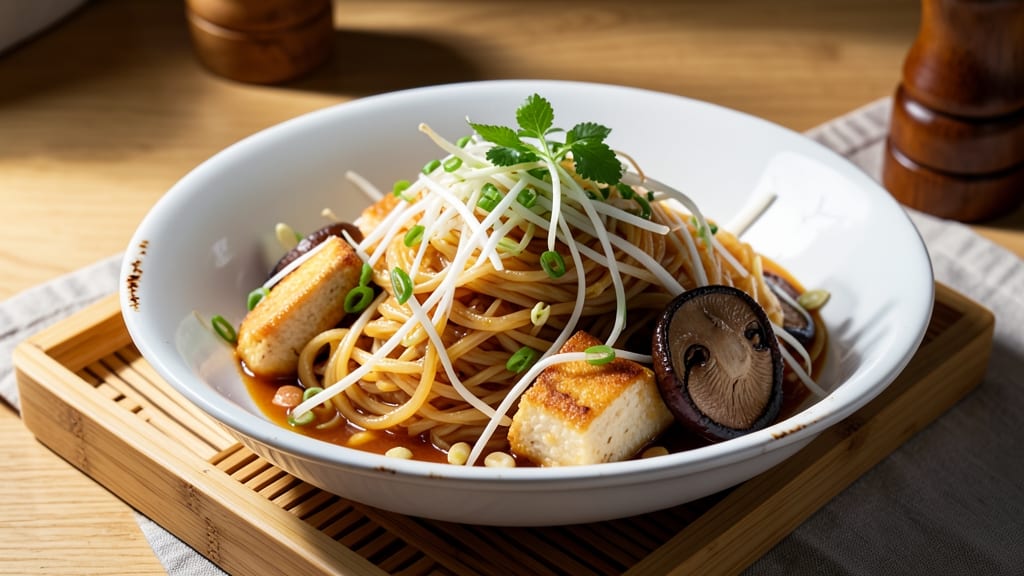
This bean sprout chow mein recipe delivers the smoky, savory punch of a classic Chinese takeout dish—right in your kitchen. The secret lies in achieving wok hei (breath of the wok), that signature smoky aroma from high-heat stir-frying, which transforms simple ingredients into something restaurant-worthy.
Bean sprouts add crisp texture, while a perfectly balanced soy-garlic sauce ties everything together with umami depth.
What sets this recipe apart is the technique: pre-cooking the noodles al dente, then tossing them with fresh vegetables and protein (tofu or mushrooms work beautifully) in a screaming-hot wok. The sauce—equal parts soy sauce, garlic, and a touch of sugar—coats every bite without overwhelming the natural flavors.
It’s vegetarian by design but easily adaptable with shrimp or chicken if you prefer.
By the time you plate it, you’ll have a dish that’s crisp on the edges, tender in the center, and bursting with that irresistible soy-garlic zing. The bean sprouts stay crunchy, the noodles hold their bite, and the sauce clings to every strand.
Serve it family-style for maximum sharing—or save the leftovers, because this recipe always disappears quickly.
For an extra touch, garnish with sesame seeds and sliced green onions. The high heat and quick cooking make this a weeknight-friendly meal that still feels special. Let’s get cooking!
Ingredients for bean sprout chow mein
Fresh bean sprouts, al dente rice noodles, and umami-rich tofu create this restaurant-style chow mein.
| Ingredient | Amount | Notes |
|---|---|---|
| Bean Sprouts 🌱 | 4 cups | Fresh, firm, rinsed well |
| Rice Noodles 🍜 | 12 oz | Flat, medium-width, uncooked |
| Extra-Firm Tofu 🍛 | 1 lb | Pressed, cubed, pan-fried |
| Shiitake Mushrooms 🍄 | 8 whole | Stemmed, sliced, fresh or dried |
| Green Onions 🧅 | 4 whole | White and green parts separated |
| Garlic Cloves 🧄 | 6 cloves | Minced, fresh preferred |
| Sesame Oil 🫒 | 1 tbsp | Toasted, for aroma |
| Light Soy Sauce 🥄 | ½ cup | High-quality, low-sodium preferred |
| Dark Soy Sauce 🥄 | 1 tbsp | For depth of flavor |
| Rice Vinegar 🍶 | 2 tbsp | Seasoned preferred |
| Granulated Sugar 🍚 | 1 tbsp | White or brown |
| Vegetable Oil 🫒 | ½ cup | High smoke point |
| Toasted Sesame Seeds 🌰 | 1 tbsp | For garnish |
| Cornstarch 🌾 | 1 tbsp | For tossing |
| Kosher Salt 🧂 | 1 tsp | Diamond Crystal preferred |
The bean sprouts are non-negotiable for texture—they need to be fresh and firm, not wilted. Whole Foods or Asian markets carry the best quality, but any grocery store's produce section will work. For the tofu, extra-firm is essential—press it for 20 minutes to remove excess water, then cube and pan-fry until golden. Shiitake mushrooms add earthiness; if using dried, rehydrate in hot water for 20 minutes. The rice noodles should be flat and medium-width—look for brands like Three Ladies or Nongshim in the Asian aisle. Pre-soak them for 15 minutes before cooking to prevent mushiness.
No fresh shiitake? Cremini mushrooms work in a pinch, but they lack the umami depth. Short on sesame oil? Toast regular sesame seeds in a dry pan for 2 minutes—they'll release their oil as you cook. The soy sauce matters here: Kikkoman or Pearl River Bridge brands deliver authentic flavor. For a quicker sauce, mix 1 tbsp soy sauce, 1 tsp rice vinegar, and 1 tsp sugar instead of the full recipe. The cornstarch is key for that signature wok-fried crunch—don't skip it, even if you're not tossing with sauce.
Prep ahead to save time: slice all vegetables and press the tofu the night before. Store everything in airtight containers in the fridge for up to 3 days. The cooked noodles reheat beautifully—just toss with a splash of water and steam for 30 seconds. For leftovers, freeze portions in a single layer before transferring to a bag; they'll keep for 2 months. Garnish with sesame seeds right before serving—they add crunch and visual appeal. This dish is best served immediately, but the flavors develop even more overnight.
Why You'll Love This Recipe
- Here’s what sold me: that crispy tofu paired with shiitake mushrooms and green onions? It’s like a flavor explosion in every forkful. The noodles soak up just enough sauce to make it ridiculously satisfying.
- No-Fuss Pantry Staples: I swear by this recipe because it uses ingredients I always have on hand. The bean sprouts and shiitake mushrooms add that fresh, earthy crunch without needing a special trip to the store—just toss in what you’ve got.
- Umami-Packed Bite: Here’s what sold me: that crispy tofu paired with shiitake mushrooms and green onions? It’s like a flavor explosion in every forkful. The noodles soak up just enough sauce to make it ridiculously satisfying.
- Lunchbox Hero: Between us, this is my go-to for meal prep. Cold or reheated, it holds up perfectly—pack it for work or school, and you’ve got a protein-rich, veggie-loaded dish that’s still exciting (not sad desk lunch energy).
Step-by-step instructions for wok-fried bean sprouts chow mein
This method delivers authentic wok-fried texture with vibrant soy-garlic flavors—crispy tofu, tender mushrooms, and perfectly al dente noodles.
Prepare and Parboil the Rice Noodles
Fill a large pot with water and bring to a rolling boil. Add the 12 oz rice noodles and cook for 5-6 minutes until they're tender but still slightly firm to the bite—this ensures they won't turn mushy when tossed in the wok. Drain immediately and rinse under cold water to stop the cooking process. Toss the noodles with 1 tablespoon cornstarch and set aside.
The key here is timing—overcooked noodles absorb too much sauce, while undercooked ones won't hold their shape. You want them to finish cooking in the hot wok later, so they absorb the savory sauce perfectly. Keep them covered with a damp towel to prevent drying out.
Pan-Fry the Extra-Firm Tofu Until Crispy
Heat ½ cup vegetable oil in a large skillet over medium-high heat until it shimmers. Add the 1 lb cubed extra-firm tofu in a single layer and cook for 6-8 minutes, turning occasionally, until golden brown and crispy on all sides. Transfer to a paper towel-lined plate to drain excess oil.
Don't crowd the pan—this prevents the tofu from steaming instead of crisping. Press down gently on the cubes during the first minute to ensure even contact with the oil. The tofu should release easily from the pan when ready, with a crisp exterior that contrasts beautifully against the tender noodles.
Sauté Aromatics and Mushrooms
In the same skillet (no need to clean it—the fond adds flavor), add ½ cup vegetable oil and heat over medium-high heat. Add the 8 sliced shiitake mushrooms and cook for 4-5 minutes until they release their moisture and develop a deep brown color. Remove the mushrooms and set aside.
Add the 6 minced garlic cloves and white parts of the 4 green onions, cooking for 30 seconds until fragrant. This quick sautéing preserves the garlic's sweetness without letting it burn. Here's the thing—if your garlic starts to darken too quickly, reduce the heat immediately. Overcooked garlic turns bitter, and that's a flavor you can't salvage.
Create the Soy-Garlic Sauce
In a small bowl, whisk together ½ cup light soy sauce, 1 tablespoon dark soy sauce, 2 tablespoons rice vinegar, 1 tablespoon granulated sugar, and 1 teaspoon kosher salt. Pour this mixture into the skillet and bring to a gentle simmer for 2-3 minutes until slightly thickened. Add the 1 tablespoon sesame oil and stir to combine.
The dark soy sauce adds that signature deep brown color while balancing the brightness of the light soy. The sugar helps caramelize the sauce slightly, creating a glossy finish. Taste and adjust seasoning—you might need a touch more salt or sugar depending on your soy sauce's saltiness.
Combine and Toss in the Wok
Return the mushrooms and tofu to the skillet. Add the 4 cups bean sprouts and green onion tops, then toss everything together for 2-3 minutes until the bean sprouts are vibrant and slightly wilted. Add the parboiled noodles and toss vigorously for another 2 minutes until everything is well-coated and heated through.
Here's where the magic happens: the high heat of the wok creates that signature wok-fried texture while the sauce clings to every strand of noodle. If the mixture seems too dry, add 1-2 tablespoons hot water to loosen it. Garnish with 1 tablespoon toasted sesame seeds before serving immediately—this dish doesn't wait, and the contrast of textures is what makes it exceptional.
Pro Tips For Making Bean Sprout Chow Mein
- STIR-FRY IN BATCHES: Bean sprouts and mushrooms release water fast—don’t try to cook everything at once. Work in two batches: toss the tofu and mushrooms first, then set aside while you blanch the sprouts separately. Crowding the pan turns your stir-fry into soup.
- PREP SPROUTS RIGHT: Rinse bean sprouts just before cooking and pat them very dry with paper towels. Wet sprouts steam instead of sear, and you’ll end up with a soggy mess. (Yes, even if you’re impatient like me.)
- DON’T OVERCOOK TOFU: Extra-firm tofu needs a quick sear—no more than 3-4 minutes per side in a hot, oiled pan. Walk away after the first 2 minutes or it’ll turn rubbery. You’re aiming for golden, not charred.
- UPGRADE WITH MUSHROOM TECH: Slice shiitake caps thinly (almost translucent) and save the stems for broth. The caps add texture, while the stems—when simmered 5 minutes in the wok—give depth without extra effort. (I was skeptical until I tried it.)
Flavor customization for this bean sprout chow mein
Spicy Kick
Add 1 teaspoon chili crisp or ½ teaspoon red pepper flakes to the sauce for a fiery twist. I like to mix it with the sesame oil before tossing everything in the wok—this way, the heat distributes evenly without overpowering the bean sprouts.
For extra heat, serve with Sriracha on the side for those who love it spicy. 🌶️
Umami Boost
Elevate the dish with 1 tablespoon oyster sauce or ½ teaspoon fish sauce (if you're open to non-vegetarian options). For a fully vegetarian boost, add 1 tablespoon mushroom sauce or a splash of vegetable bouillon to deepen the savory notes.
Stir it into the sauce mixture before combining with the noodles.
Sweet and Tangy
Balance the soy sauce with 1 tablespoon hoisin sauce and 1 teaspoon rice vinegar for a sweeter, tangier profile. The hoisin adds a glossy texture and subtle sweetness that pairs beautifully with the crisp bean sprouts.
I also like to add ½ teaspoon grated ginger to the sauce for a bright, zesty kick.
Nutty Crunch
For added texture, stir in 1 tablespoon chopped roasted peanuts or toasted cashews while tossing the noodles in the wok. The nuttiness contrasts perfectly with the soy-garlic flavors. If you want extra crunch, sprinkle ½ teaspoon crushed peanuts on top before serving. ✨
Herbaceous Freshness
Brighten the dish with 2 tablespoons chopped cilantro or thai basil at the end. These herbs add a fresh, almost citrusy note that cuts through the richness of the soy sauce. Toss them in just before serving to keep the leaves vibrant and full of flavor.
Smoky Depth
For a smoky twist, add ½ teaspoon smoked paprika or a dash of liquid smoke to the sauce. This works especially well if you're using a cast-iron skillet or wok—it enhances the natural wok hei aroma. Pair it with a sprinkle of toasted sesame seeds for extra depth.
Nutrition facts
Frequently asked questions
Can I substitute mushrooms for tofu in this bean sprout stir-fry?
Use 1 lb cremini or shiitake mushrooms instead of tofu for a meatier texture. Slice them thickly and pan-fry until deeply browned—this adds an earthy depth that works beautifully with the bean sprouts. For extra umami, marinate the mushrooms in 1 tbsp soy sauce for 10 minutes before cooking.
Why do my bean sprouts turn mushy when stir-frying?
Overcooking is the most common mistake! Bean sprouts should stay crisp-tender—just wilted enough to soften slightly. Toss them in the wok for only 1-2 minutes at the end, after other ingredients are cooked. Also, ensure they're completely dry before adding to the pan. Pro tip: Pat them with a paper towel if they seem damp.
How do I make this recipe gluten-free?
Replace regular soy sauce with tamari or coconut aminos (use ½ cup total). For the noodles, choose rice noodles or buckwheat noodles—both are naturally gluten-free. Double-check all ingredients (like cornstarch) to ensure they're certified gluten-free. The flavor will still be rich and savory!
Can I make this chow mein ahead of time?
Yes, but with a few adjustments. Cook the noodles and sauce separately, then store them in airtight containers for 3 days in the fridge. Reheat the sauce first, then toss with noodles and fresh bean sprouts (add them last to maintain crunch). For freezing, assemble the dish (without bean sprouts), cool completely, then freeze for up to 2 months. Thaw overnight and reheat gently.
What's the best way to achieve that restaurant-style wok hei?
Start with a screaming-hot wok or cast-iron skillet and work quickly! Use high heat and toss ingredients constantly to prevent steaming. A well-seasoned pan helps too—add a splash of oil and swirl it around before cooking to build flavor. For extra aroma, add 1 tsp sesame oil at the end and immediately serve. The key is speed and high heat!