
Side Dishes
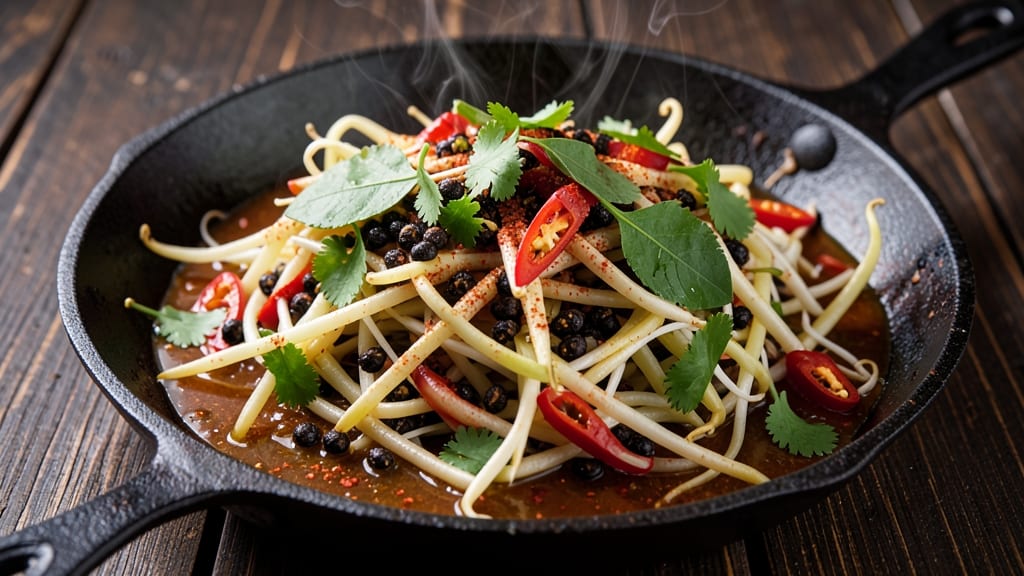
This bean sprouts Indian recipe transforms humble sprouts into a vibrant, tangy dish that steals the spotlight at any meal. The secret lies in a bold tempering of mustard seeds and curry leaves, creating a fragrant base that pairs perfectly with tamarind's signature tang.
I developed this recipe after discovering how a simple stir-fry could become restaurant-worthy with just the right balance of spices and textures.
The process is straightforward yet packed with authentic techniques: toast whole spices until fragrant, then temper them with mustard seeds for that signature Indian crunch. Tamarind adds depth while keeping the dish tangy rather than overly sweet.
Fresh cilantro and green chilies brighten the final dish, making every bite pop with flavor. What begins as simple bean sprouts becomes a complex, aromatic side that complements curries, dosas, or even grilled meats.
What you'll end up with is a dish that's crisp-tender, vibrant green, and bursting with layers of flavor—each bite delivers a perfect balance of spice, tang, and crunch. The mustard seeds stay delightfully crunchy, while the tamarind keeps the dish from being too heavy.
This recipe is vegetarian, protein-packed, and ready in under 20 minutes, making it ideal for busy weeknights or special occasions.
Serve it alongside your favorite Indian mains or as a standalone appetizer. For extra richness, add toasted peanuts or crumbled paneer. The possibilities are endless, but the foundation remains the same: simple ingredients elevated by technique. Let's get cooking!
Ingredients for bean sprouts indian
Simple ingredients elevated by technique: fragrant spices and tangy tamarind transform ordinary sprouts into a vibrant Indian side dish.
| Ingredient | Amount | Notes |
|---|---|---|
| Bean Sprouts 🌱 | 4 cups | Fresh, crisp bean sprouts |
| Mustard Seeds 🌿 | 1 tbsp | Whole, yellow variety |
| Curry Leaves 🌿 | 10 whole | Fresh, dried as substitute |
| Green Chilies 🌶️ | 2 whole | Fresh, sliced (serrano or jalapeño) |
| Tamarind Paste 🍯 | 2 tbsp | Adjust for tanginess |
| Fresh Cilantro 🌿 | ¼ cup | Chopped, stems removed |
| Coconut Oil 🫒 | 2 tbsp | For authentic flavor |
| Asafoetida Powder 🌶️ | ¼ tsp | Optional, for umami depth |
| Turmeric Powder 🌿 | ¼ tsp | Freshly ground preferred |
| Cumin Seeds 🌿 | ½ tsp | Toasted for aroma |
| Salt 🧂 | ½ tsp | Adjust to taste |
| Lemon Juice 🍋 | 1 tbsp | Freshly squeezed |
| Toasted Peanuts 🥜 | ¼ cup | Optional garnish |
The mustard seeds are non-negotiable—they deliver that signature crunch and nutty aroma. Whole, yellow mustard seeds from Indian grocery stores or bulk bins are ideal, but the tiny yellow seeds from regular supermarkets work too. Look for seeds that look plump and uniform—shriveled ones mean they're old. Fresh curry leaves are a game-changer, but if you can't find them, dried curry leaf powder (at half the amount) will do in a pinch. The tamarind paste should be thick and sticky—Mamee brand is my go-to, but any good-quality paste will work. For the green chilies, fresher is always better, but if they're too spicy, remove the seeds before slicing.
No tamarind paste? Lemon juice plus a pinch of sugar mimics the tang, though it won't be identical. Running short on cilantro? Fresh parsley or mint leaves add brightness, though they change the flavor profile. The asafoetida (hing) might be hard to find outside Indian markets, but if you can't locate it, skip it entirely—this dish will still shine. For the peanuts, unsalted roasted peanuts from the bulk section are perfect. Toast them in a dry pan for 3-4 minutes until fragrant and slightly browned—this enhances their flavor dramatically. If you're making this ahead, store the peanuts separately and toast them fresh before serving.
The bean sprouts stay crispest when cooked just until tender-crisp—about 2-3 minutes. Store any leftovers in an airtight container in the fridge for up to 3 days, though they're best enjoyed fresh. The tamarind paste and coconut oil can be stored in the pantry for up to 6 months—just keep them sealed tightly. For meal prep, cook the sprouts and store them separately from the sauce, tossing everything together right before serving. This keeps the texture perfect and prevents sogginess. The dish reheats beautifully—just warm it gently on the stove with a splash of water to restore moisture.
Why You'll Love This Recipe
- No-Chop Needed: I swear by this trick—just rinse the sprouts, toss them in whole, and let the tamarind paste do the work. No dicing, no mincing, no fuss. That first sizzle of mustard seeds and curry leaves? Pure magic with zero prep.
- Tangy Crunch Bomb: Between us, the tamarind paste and green chilies hit just right—bright, zesty, with that satisfying crunch. It’s the kind of flavor that makes you reach for seconds without even thinking, especially when the sprouts stay crisp instead of soggy.
- Lunchbox Hero: Honestly, this is my go-to for packed lunches or quick office meals. Keeps well for 2 days, and the tamarind’s tang cuts through any leftover rice or roti. Just add a sprinkle of chaat masala, and boom—flavor that travels.
- Pocketbook Friendly: Mustard seeds, curry leaves, and sprouts? Under $3 for a week’s worth of servings. It’s the kind of recipe that makes me feel smart about my grocery bill while still eating like I’m at a street-side stall. (Yes, even on a Tuesday night.)
Step-by-step instructions for tangy tamarind bean sprouts
Transform simple bean sprouts into a vibrant, restaurant-worthy side dish with bold South Indian flavors.
Prepare the Base Spice Mixture
Heat the 2 tablespoons coconut oil in a large skillet over medium heat until shimmering but not smoking. Add the 1 tablespoon mustard seeds and let them sizzle for 30 seconds until they begin popping—this releases their nutty aroma. Immediately add the 10 whole curry leaves and 0.5 teaspoon cumin seeds, stirring constantly for 20 seconds until the curry leaves darken slightly and the cumin seeds turn golden.
Here's the thing—don't rush this step. The mustard seeds need to pop fully, and the curry leaves should release their distinct fragrance. If you smell burning, reduce the heat slightly. Next, add the 0.25 teaspoon asafoetida powder and 0.25 teaspoon turmeric powder, stirring for 10 seconds to bloom their flavors. The mixture should smell earthy, slightly peppery, and warmly aromatic.
Add Aromatics and Tamarind
Toss in the 2 whole green chilies, sliced lengthwise, and cook for 1 minute until fragrant but not charred. The chilies should soften slightly but retain their vibrant color. Add the 4 cups bean sprouts and stir gently to coat them evenly in the spice mixture. Cook for 2-3 minutes until the sprouts begin to soften slightly at the edges but remain crisp in the center—this preserves their satisfying crunch.
Now add the 2 tablespoons tamarind paste and mix well. The tamarind should dissolve into the oil, creating a glossy, tangy sauce that clings to the sprouts. If the mixture looks dry, add 2-3 tablespoons water to help the tamarind incorporate smoothly. The sauce should coat the back of a spoon but remain slightly thick—this ensures the sprouts stay tender without becoming mushy.
Season and Finish Cooking
Sprinkle in the 0.5 teaspoon salt and stir for 1 minute to distribute evenly. The salt should enhance the natural sweetness of the bean sprouts while balancing the tamarind's acidity. Add the 1 tablespoon lemon juice and toss gently to brighten the flavors. The dish should now have a vibrant orange hue from the tamarind and a complex balance of tangy, spicy, and earthy notes.
Cook for an additional 2 minutes on medium heat, stirring occasionally. The sprouts are done when they're tender yet still hold their shape with a slight bite—this is the perfect texture for this dish. Remove from heat and let the flavors meld for 1 minute before serving.
Garnish and Serve
Transfer the tamarind bean sprouts to a serving bowl and immediately sprinkle with the 0.25 cup chopped fresh cilantro and 0.25 cup toasted peanuts. The cilantro adds a fresh contrast to the rich, tangy flavors, while the peanuts contribute a satisfying crunch. Toss gently to distribute evenly—this ensures every bite has both texture and flavor.
Serve immediately while still warm. The dish pairs beautifully with steamed rice, dosas, or as a side to grilled meats. The tamarind's tang should cut through richer dishes, while the peanuts add a delightful textural element. For extra zing, offer additional lemon wedges on the side.
Pro Tips For Making Bean Sprouts Indian
- Blister Mustard Seeds First: Heat your oil until it’s smoking—no half-measures—then add the mustard seeds. They should pop violently and turn deep golden in 20-30 seconds. I learned this the hard way: undercooked seeds taste bitter, and overcooked ones burn before the curry leaves even hit the pan. Get it right, and the aroma alone will make your kitchen smell like a South Indian street stall.
- Rinse Sprouts Twice: Drain your bean sprouts, rinse them under cold water, and drain again. The first rinse removes dirt; the second chases away the slimy residue that makes your dish taste off. I skip this step sometimes, and the sprouts end up mushy or clingy—like eating a soggy salad. Two rinses guarantee they stay crisp and absorb flavors properly.
- Temper Tamarind Slowly: Mix tamarind paste with a splash of hot water first—just enough to dissolve it into a smooth slurry. Then, drizzle it into the hot oil after the mustard seeds have popped but before the curry leaves crisp. Adding it too early makes the oil split; adding it too late kills the tang. Think of it like a shy ingredient—ease it in.
- Crush Chilies Coarsely: No blenders, no fine minces—just a sharp knife and a few firm presses. You want visible texture, not paste. Over-blending turns green chilies into a ghost of their spicy, aromatic self. My grandmother used to say, “Leave the teeth in the dish,” and she wasn’t wrong. Aim for chunks the size of a pea.
Health benefits of this recipe
Protein Powerhouse
Bean sprouts are a nutritional powerhouse, delivering 8 grams of plant-based protein per cup—perfect for vegetarian meals. This dish transforms them into a flavorful side that supports muscle repair and satiety.
The tamarind and spices enhance digestibility while preserving their high fiber content (about 4 grams per serving). 💪
Digestive Health Boost
The soluble fiber in bean sprouts feeds beneficial gut bacteria, promoting a healthy microbiome. Combined with the probiotic potential of fermented ingredients (like tamarind), this dish aids digestion and may reduce bloating.
The cumin and asafoetida in the tempering further stimulate digestive enzymes. Trust me, your gut will thank you after a meal!
Vitamin C & Antioxidants
One serving provides over 50% of your daily vitamin C, a potent antioxidant that strengthens immunity and skin health. The green chilies and cilantro add extra vitamin A and E, supporting vision and cell protection.
Tamarind contributes polyphenols, which combat oxidative stress—making this dish a colorful shield against inflammation. 🌿
Low-Calorie, High-Nutrient
With only about 120 calories per serving, this dish is ideal for weight management without sacrificing flavor. The low glycemic index of bean sprouts helps stabilize blood sugar, while the healthy fats from coconut oil and peanuts provide sustained energy. It’s the perfect balance of nutrition and indulgence!
Bone-Strengthening Minerals
This recipe delivers calcium, magnesium, and phosphorus—key minerals for bone health—thanks to the bean sprouts and tamarind. The turmeric in the tempering adds bioavailable calcium, making this dish especially beneficial for those with dietary restrictions. 💛
Heart-Friendly Fats
The monounsaturated fats from coconut oil and peanuts support cardiovascular health by improving cholesterol ratios. Combined with the omega-3s from bean sprouts, this dish promotes heart health while keeping calories in check. It’s a win-win for your ticker and taste buds!
Nutrition facts
Frequently asked questions
Can I use dried bean sprouts instead of fresh?
Fresh bean sprouts are ideal for this recipe—they stay crisp and absorb flavors beautifully. If you must use dried, soak them for 8-12 hours in water, then drain and rinse thoroughly. However, they won't have the same tender-crisp texture as fresh sprouts. For best results, stick with fresh from the grocery store's produce section.
How do I adjust the spice level?
For milder heat, remove the seeds and membranes from the green chilies before slicing. If you love spice, add 1 extra chili or a pinch of cayenne pepper. The tamarind already provides tanginess, so balance is key—start with 1 tbsp lemon juice and adjust to taste. Always taste as you go!
Can I make this dish ahead of time?
Prepare the sprouts and sauce separately, then combine just before serving to maintain crispness. Store cooked sprouts in an airtight container in the fridge for up to 3 days. Reheat gently with a splash of water, but expect slightly softer texture. The peanuts and cilantro should be added fresh for maximum flavor and crunch.
What if I don't have tamarind paste?
Mix 1 tbsp lemon juice + 1 tsp sugar as a substitute, though the flavor won't be identical. For deeper tang, try 1 tbsp vinegar (apple cider or white) + ½ tsp sugar. The dish will still taste great—just less complex. Tamarind's unique sourness is hard to replicate, but these work in a pinch!
Are there gluten-free or vegan variations?
This recipe is naturally gluten-free and vegan! Just ensure your coconut oil is certified vegan (most brands are). For extra protein, add ½ cup crumbled tofu or paneer (cooked separately) to the dish. The tamarind and spices remain completely plant-based and safe for all dietary needs.