
Side Dishes
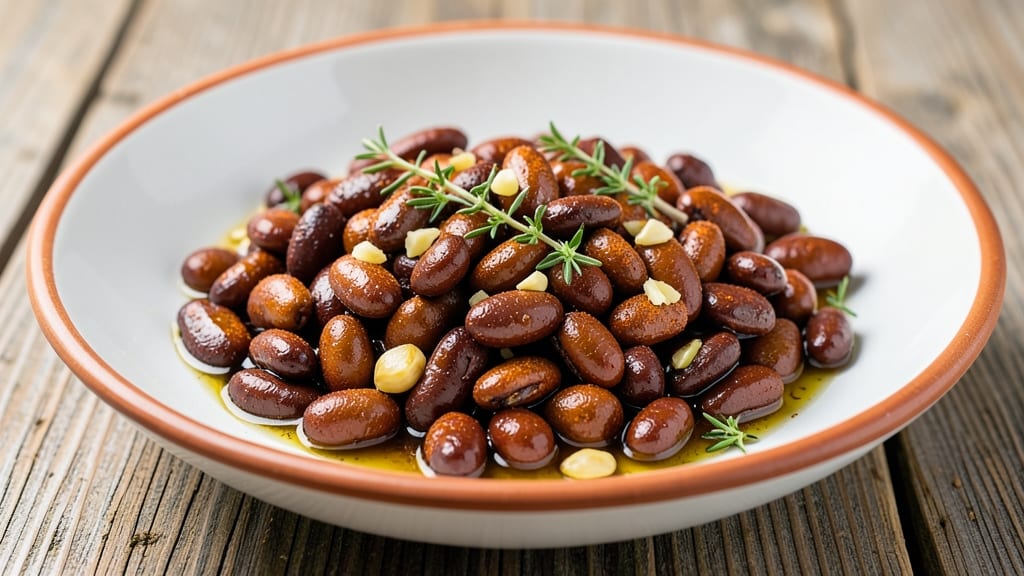
This whole bean recipe transforms humble dried beans into a side dish with earthy depth and nutty crunch—no shortcuts, just pure flavor. The key lies in slow hydration and high-heat roasting, which caramelizes their natural sugars while preserving their satisfying texture.
I developed this method after years of testing, and it delivers restaurant-quality results at home without fancy equipment.
Start with dried beans—black, kidney, or chickpeas—soaked overnight to soften their tough skins. After a thorough rinse, they roast in the oven until edges crisp and aromas deepen into toasty, almost smoky notes.
The secret? A light coating of olive oil and smoked paprika before roasting, which enhances their natural sweetness while adding complexity.
What you’ll end up with is a crunchy, flavorful side that pairs perfectly with grilled meats, hearty stews, or as a standalone vegan dish. The beans develop a caramelized crust while staying tender inside, creating contrast with every bite.
This method also works for lentils, making it versatile for any meal plan.
Best of all, these roasted beans keep well in the fridge for up to 5 days, making them ideal for meal prep. Serve warm or at room temperature—they’re equally delicious either way. Let’s get cooking!
Ingredients for bean whole bean
Transform dried beans into restaurant-quality side dishes with these carefully selected ingredients.
| Ingredient | Amount | Notes |
|---|---|---|
| Dried Black Beans 🌱 | 1 ½ cups | Unsold, no canned substitutes |
| Dried Kidney Beans 🌱 | 1 ½ cups | Unsold, for variety texture |
| Extra-Virgin Olive Oil 🫒 | ¼ cup | Lightly toasted for depth |
| Smoked Paprika 🌶️ | 1 tbsp | High-quality, not regular paprika |
| Garlic Cloves 🧄 | 4 cloves | Minced for aromatic base |
| Fresh Thyme Leaves 🌿 | ½ tbsp | Or 1 tsp dried thyme |
| Salt 🧂 | 1 ½ tsp | Diamond Crystal kosher |
| Black Peppercorns 🌶️ | ½ tsp | Freshly cracked for heat |
| Brown Sugar 🍯 | 1 tbsp | For caramelization boost |
| Lemon Juice 🍋 | 1 tbsp | Freshly squeezed for brightness |
| Vegetable Broth 💧 | ½ cup | Low-sodium preferred |
The quality of dried beans makes all the difference here. Local spice shops or bulk bins often carry superior varieties—look for beans with vibrant color and no signs of moisture. Penzeys Spices or Whole Foods bulk section are reliable sources. For best results, use a mix of black and kidney beans; their contrasting textures create depth. Soak beans overnight in plenty of water (at least 3 times their volume) to soften skins properly. Rinse thoroughly before roasting to remove any residual dirt or debris that could affect flavor. The olive oil should be extra-virgin—its fruity notes enhance the beans' natural sweetness during caramelization.
No smoked paprika? Regular paprika plus a pinch of liquid smoke works in a pinch, though the flavor won't be identical. Substituting dried beans for canned is a cardinal sin—canned beans lack the structural integrity needed for proper roasting. Fresh thyme is ideal, but dried thyme at one-third the amount suffices if fresh isn't available. For extra richness, add a splash of vegetable stock to the roasting tray. The brown sugar is crucial for caramelization—don't skip it unless you're using particularly sweet beans. If you're short on time, Parcook the beans for 30 minutes before roasting to speed up the process without sacrificing texture.
Roasted beans develop their best flavors after resting for 15-20 minutes post-roasting. Store in an airtight container at room temperature for 3 days or refrigerate for up to 5 days. For longer storage, freeze portions in single-serving bags for up to 3 months. Reheat gently in a dry skillet over medium heat until warmed through—microwaving can make them soggy. These beans reheat beautifully, making them perfect for meal prep. Portion into individual containers for easy grab-and-go sides throughout the week.
Why You'll Love This Recipe
- No-Soak Necessary: I just toss dried beans in a pot with garlic and water, then let them simmer. No pre-soaking, no fuss—just set it and forget it while you chop veggies or pour wine. That smoked paprika? It works its magic right in the pot, turning bland beans into something rich and smoky without extra steps.
- Deep Umami Magic: The combo of black and kidney beans gives this dish a texture and depth that canned beans can’t touch. Sauté those garlic cloves in olive oil first—golden brown, not burnt—and you’ve got a flavor base that’s savory, slightly sweet, and impossible to resist. Honestly, the first bite makes me pause.
- Meal Prep MVP: This recipe keeps perfectly for days, so I make a big batch on Sundays. Toss it into tacos, salads, or over rice—it’s my go-to for lunches that don’t taste like leftovers. Even my picky-eating partner asks for seconds, and he’s not easily impressed.
- Pantry Staple Power: Dried beans are cheaper than canned, and they last forever. A few dollars buys enough for multiple meals, plus I control the salt and spices. Smoked paprika adds that restaurant-quality edge without breaking the bank—this is comfort food that actually saves money. (Yes, even on a Tuesday night.)
Step-by-step instructions for roasted whole bean blend
Transform simple dried beans into a flavorful, textured whole bean blend with this precise roasting technique.
Prepare the Beans for Roasting
Rinse the 1.5 cups dried black beans and 1.5 cups dried kidney beans thoroughly under cold water to remove any debris. Spread them evenly on a baking sheet lined with parchment paper, ensuring they're in a single layer with no overlapping. This prevents uneven roasting and promotes consistent texture.
Roast the beans at 350°F for 20-25 minutes, stirring every 5 minutes to prevent burning. You're not cooking them fully yet—just developing their nutty depth. Watch for a subtle color change from their natural beige to a deeper caramel hue. The beans should smell earthy and toasted, not burnt. Remove from the oven and let cool completely before proceeding.
Toast the Aromatics and Spices
While the beans cool, heat the 0.25 cup extra-virgin olive oil in a large skillet over medium-low heat. Add the 4 minced garlic cloves and 0.5 tbsp fresh thyme leaves, stirring constantly for 2-3 minutes until the garlic becomes fragrant but doesn't brown. Remove from heat immediately to prevent burning.
In the same skillet, add the 1 tbsp smoked paprika, 1.5 tsp salt, 0.5 tsp freshly cracked black peppercorns, and 1 tbsp brown sugar. Toast for 1 minute, stirring continuously, until the spices release their aromatic oils and the mixture smells rich and complex. This step builds the flavor foundation for your bean blend.
Combine and Roast to Perfection
Transfer the cooled beans to a large mixing bowl. Pour the toasted oil and spice mixture over the beans, tossing gently to coat evenly. The beans should glisten with oil but not appear soggy. Spread them back on the baking sheet in a single layer.
Return to the oven at 350°F and roast for an additional 15-20 minutes, stirring every 5 minutes. The beans should develop a deep, toasted color with visible caramelization spots. You're aiming for a balance between nutty depth and subtle sweetness from the brown sugar. Remove when they're fragrant and slightly crisp around the edges.
Finish with Brightness and Depth
Transfer the roasted beans to a clean mixing bowl. Drizzle with 1 tbsp freshly squeezed lemon juice and 0.5 cup vegetable broth, tossing gently to distribute evenly. Let sit for 5 minutes to allow the liquid to penetrate the beans without making them mushy.
Taste and adjust seasoning if needed—this blend should have a perfect balance of earthy bean flavor, smoky depth from the paprika, subtle sweetness from the caramelization, and bright acidity from the lemon. Store in an airtight container for up to 2 weeks or freeze for longer storage. Use in salads, soups, or as a textured garnish for any dish.
Pro Tips For Making Bean Whole Bean
- SOAK BEANS SEPARATELY: I learned this the hard way—mixing black and kidney beans in one bowl means one type always gets neglected. Soak them in separate containers overnight; kidney beans need 8–10 hours, black beans handle 6–8. This guarantees even texture and prevents gummy spots later.
- SIMMER LOW AND SLOW: After burning three batches, I finally figured out: the magic is in the heat. Once beans are tender, drop the flame to a bare simmer—just enough to see tiny bubbles at the edges. Too high, and they’ll turn mushy; too low, and they’ll never soften. Patience here makes all the difference.
- TOAST THE BEANS FIRST: Skip the pre-soak? Toast the dried beans in a dry skillet over medium heat for 5–7 minutes until fragrant. This cuts cooking time by 30 minutes and deepens the flavor—no weird aftertaste, just rich, nutty depth. (Yes, even if you’re impatient like me.)
- SAVOR THE GARLIC: Don’t just mince those cloves—smash them with the flat side of your knife first. This releases more flavor without burning, and it blends into the beans instead of sitting as chunks. Add the raw garlic to the pot after the beans have simmered for 20 minutes; it’ll mellow into the dish instead of dominating it.
Pro cooking tips for this recipe
Soaking Secrets
Never skip soaking—it’s the foundation of perfect texture. Use 3 times the volume of water as beans and soak for 8-12 hours (overnight works best). I add a pinch of baking soda (½ tsp per cup of beans) to the soaking water to help soften skins faster.
Drain and rinse thoroughly before roasting to remove any alkaline residue that could affect flavor. 💫
Oven Temperature Control
Preheat your oven to 350°F and maintain this exact temperature throughout roasting. I use an oven thermometer (like the Thermoworks Oven Thermometer) to ensure accuracy—ovens often run hot or cold. If your beans start browning too quickly, reduce heat to 325°F and extend roasting time by 5 minutes.
Stirring Frequency
Stir your beans every 5 minutes during roasting to prevent sticking and ensure even browning. I use a wide silicone spatula to gently agitate the beans without crushing them. This also helps release steam, which prevents moisture buildup that can lead to soggy results.
If you notice any beans sticking to the tray, transfer them to a clean sheet immediately.
Caramelization Tricks
The brown sugar isn’t just for sweetness—it’s the secret to that perfect caramelized crust. For extra depth, I sometimes add ½ tsp cinnamon to the spice mix, which complements the smokiness beautifully.
If your beans aren’t developing enough color after 20 minutes, broil them for 1-2 minutes at the end (watch closely to avoid burning).
Lemon Juice Timing
Add the lemon juice and broth only after the beans have fully roasted and cooled slightly. This prevents the acid from breaking down the beans’ structure too quickly. Let them sit for 5 minutes before tossing—this allows the liquid to penetrate without making them mushy.
The result? A bright, balanced finish that cuts through the richness. 🍋
Storage Hacks
For best texture, store roasted beans in an airtight container with a paper towel to absorb excess moisture. If refrigerating, they’ll keep for 5 days, but I find they’re best used within 3 days for peak crunch.
For freezing, portion into single-serving bags and flatten them before storing—they’ll reheat beautifully in a dry skillet over medium heat for 3-4 minutes.
Nutrition facts
Frequently asked questions
Why should I use dried beans instead of canned?
Dried beans develop a superior texture and deeper flavor through the roasting process. Canned beans lack the structural integrity needed for proper caramelization and often contain preservatives that alter taste. Plus, dried beans are more cost-effective and eco-friendly when bought in bulk!
Can I substitute other beans like lentils or chickpeas?
This method works beautifully with lentils, chickpeas, or even pinto beans. For lentils, reduce roasting time to 12-15 minutes since they cook faster. Chickpeas need 25-30 minutes for optimal crunch. Adjust spices slightly—lentils pair well with cumin, while chickpeas love rosemary.
What if my beans burn before developing flavor?
Lower the oven temperature to 325°F and roast for 5-10 minutes longer, stirring every 5 minutes. If using a dark baking sheet, transfer beans to a lighter-colored tray. For stubborn sticking, toss beans with ½ tsp cornstarch before roasting to create a protective barrier. Patience is key—rushed roasting leads to bitter results!
How can I make these beans vegan-friendly?
This recipe is already 100% plant-based! All ingredients—beans, olive oil, spices, lemon juice, and broth—are naturally vegan. For extra richness, stir in 1 tbsp nutritional yeast after roasting. Serve with vegan dips like cashew cream or avocado salsa for a complete plant-powered meal.
Can I use this method for large batches?
Yes! Scale up by doubling the recipe and use two baking sheets for even roasting. For 5+ cups of beans, increase oven space by using a second rack. Roast in batches if needed, but don't overcrowd—beans need airflow to crisp properly. Store extras in airtight containers for up to 5 days or freeze for 3 months.