
Soups & Stews
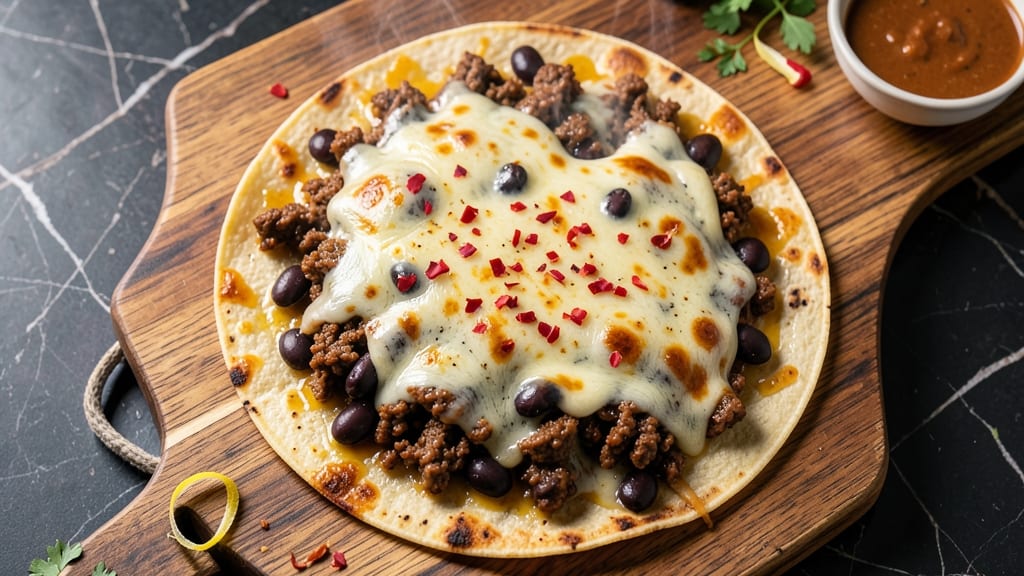
This beef and bean quesadilla recipe delivers crispy tortilla layers that perfectly balance tender beef, hearty beans, and melty cheese in every bite.
The secret lies in browning the beef and beans with cumin and chili powder before assembling—this creates deep, smoky flavor that transforms a simple dish into something restaurant-worthy.
I developed this recipe during a busy weeknight when I needed a meal that felt indulgent but came together in under 30 minutes without sacrificing texture or taste.
The foundation starts with ground beef and seasoned beans cooked until just tender, then layered between sturdy tortillas and generously packed with cheese.
What makes this recipe special is the two-step cooking method: first, a quick sear in a hot skillet to crisp the edges, then a final press under a weight or in a clean pan to ensure even melting.
The result is a quesadilla with a golden-brown crust that stays crispy even when sliced, while the inside remains warm and gooey with melted cheese.
This dish is designed to be both satisfying and adaptable—swap the beef for shredded chicken, add black beans for extra fiber, or incorporate your favorite spices like smoked paprika or cayenne for heat.
The crispy exterior and creamy interior make it perfect for a quick lunch or dinner, and the leftovers reheat beautifully in the oven or air fryer. Whether you're feeding a family or just craving a comforting meal, this recipe delivers restaurant-quality results with minimal effort.
For presentation, serve with sour cream, salsa, or guacamole for dipping, and cut into wedges for easy sharing. The combination of textures—crispy tortilla, tender beef, creamy cheese, and hearty beans—creates a satisfying bite that keeps everyone coming back for more.
Let's get started on this foolproof recipe that brings together bold flavors and simple techniques.
Ingredients for beef and bean quesadilla
Crispy tortillas, smoky spices, and melty cheese—these ingredients deliver restaurant-quality quesadillas in minutes.
| Ingredient | Amount | Notes |
|---|---|---|
| Ground Beef (80/20) 🥩 | 1 lb | Lean-to-fat ratio for juiciness |
| Dried Black Beans 🌱 | 1 ½ cups | Cooked, drained, or canned (rinsed) |
| Large Flour Tortillas 🌯 | 4 whole | Burrito-sized, sturdy brand preferred |
| Shredded Monterey Jack Cheese 🧀 | 2 cups | Or Mexican blend for extra flavor |
| Ground Cumin 🌿 | 1 tbsp | Toasted for deeper flavor |
| Chili Powder 🌶️ | 1 ½ tsp | Adjust for heat preference |
| Garlic Powder 🧄 | ½ tsp | Fresh garlic if available |
| Salt 🧂 | 1 tsp | Kosher or sea salt |
| Olive Oil 🫒 | 1 tbsp | For crisping tortillas |
| Vegetable Oil 🫒 | ½ cup | For frying (or avocado oil) |
| Lemon Juice 🍋 | 1 tbsp | Brightens flavors |
| Fresh Cilantro 🌿 | ¼ cup | Chopped, for garnish (optional) |
| Sour Cream 🥛 | ¼ cup | For serving |
| Salsa 🍅 | ½ cup | For serving |
The ground beef is where the flavor starts. 80/20 fat ratio ensures juiciness, and Costco or Walmart usually have it pre-ground for convenience. Black beans add heartiness—canned works fine if you rinse them, but dried beans give you more control over texture. The tortillas are non-negotiable: Mission or La Tortilla Factory brands hold up best during cooking. For the cheese, Monterey Jack melts smoothly, but a Mexican blend adds that authentic kick. Toast your spices lightly in the pan before adding them to the beef—this releases their oils and deepens the flavor profile.
No ground beef? Shredded chicken or turkey works in a pinch, though the texture will differ. Swap black beans for pinto or kidney beans if you prefer. The spices are flexible—smoked paprika or cayenne can replace chili powder if you want more complexity. For a dairy-free option, vegan cheese holds up surprisingly well, though it won't melt as dramatically. The lemon juice might seem minor, but it cuts through the richness of the cheese and beef, balancing the dish. If you're short on time, pre-shredded cheese is fine, but fresh grated always tastes better.
Store leftover quesadillas wrapped in foil for 3-4 days in the fridge—they reheat beautifully in a skillet or air fryer. For crispier results, freeze them between parchment paper and reheat from frozen. The sour cream and salsa keep for up to 2 weeks in the fridge, while fresh cilantro stays vibrant for 5 days if wrapped in damp paper towels. Double the batch and freeze half—just pop them in the oven at 375°F for 10-12 minutes when ready to eat.
Why You'll Love This Recipe
- Five-Ingredient Magic: I swear by this combo—ground beef, beans, cumin, cheese, and tortillas. That’s it. No chopping, no fancy prep, just brown the meat, mix in the spices, and fold. My lazy nights thank me every time.
- Crispy-Creamy Bliss: The secret’s in the cheese-to-beef ratio and that toasted tortilla edge. You get melty Monterey Jack oozing into the beef’s savory richness, all while the cumin gives it this warm, earthy kick. Honestly, it’s the kind of bite that makes you close your eyes.
- Lunchbox Hero: Between us, these are my go-to for meal prep. I cut them into triangles, pack them with sour cream and salsa, and they stay fresh for days. My kids grab them for school lunches, and I eat mine at my desk—no reheating needed.
- Budget Win: A pound of 80/20 beef and a can of beans stretch farther than you’d think. I make six quesadillas for under $10, and they feed my whole family. Leftovers? I freeze them—just reheat in a skillet until crispy again. Zero waste, all flavor.
Step-by-step instructions for beef and bean quesadillas
Here's how to build perfectly crispy quesadillas with a melty cheese fusion and hearty beef-bean filling.
Cook the Ground Beef and Seasoned Beans
Heat the 1 tablespoon olive oil in a large skillet over medium-high heat. Add the 1 pound ground beef (80/20) and cook, breaking it apart with a wooden spoon, until it loses its raw color and begins to brown—about 5-6 minutes. The fat should sizzle and the beef should develop a rich, caramelized crust.
Drain most of the fat (leave about 1 tablespoon for flavor) and stir in the 1.5 cups dried black beans (if using canned, drain and rinse them first), 1 tablespoon ground cumin, 1.5 teaspoons chili powder, 0.5 teaspoon garlic powder, and 1 teaspoon salt. Cook for 3-4 minutes until the beans are heated through and the spices are fragrant. Remove from heat and stir in 1 tablespoon lemon juice—this brightens the flavors and balances the richness of the beef and cheese. Let the mixture cool slightly while you prepare the tortillas.
Assemble the Quesadillas with Cheese Layers
Lay out the 4 large flour tortillas on a clean work surface. Divide the beef-bean mixture evenly among them, spreading each portion into a thin, even layer in the center of the tortillas. Sprinkle ½ cup shredded Monterey Jack cheese over each portion—this ensures a generous, melty layer when cooked. Fold each tortilla in half, pressing gently to seal the edges. The filling should be contained within the tortilla, not spilling out.
Here's the thing—don't overfill the tortillas. If you pack too much filling, it'll leak out during cooking and you won't get that perfect crispy, cheesy pocket. A little less filling means better texture and cleaner assembly.
Cook Until Golden Brown and Crispy
Heat 0.5 cup vegetable oil in a large skillet over medium heat until it shimmers but doesn't smoke. Place one quesadilla in the skillet and cook for 2-3 minutes per side, pressing down gently with a spatula for 10-15 seconds on each side to help it crisp evenly. You're looking for golden brown spots and a crispy texture—this is where the magic happens. The cheese should be fully melted and the tortilla should be firm and slightly puffed in spots.
Transfer the cooked quesadilla to a paper towel-lined plate to drain excess oil, then repeat with the remaining quesadillas, keeping the oil at a consistent medium heat between batches. If the oil gets too hot, the tortillas will burn before the cheese melts. If it's too cool, they'll turn greasy instead of crispy.
Serve with Toppings for Maximum Flavor
Cut each quesadilla into 4 wedges and serve immediately while still warm. The cheese should be fully melted with a slight pull when you cut through it—a sign of perfect texture. Garnish each serving with 2 tablespoons salsa and 1 tablespoon sour cream, then sprinkle with 1 tablespoon chopped fresh cilantro for a pop of color and freshness.
Real talk: the first bite should deliver a crispy, cheesy exterior that gives way to warm, seasoned beef and beans. If the tortillas aren't crispy enough, you might have cooked them at too low a heat. Next time, crank it up to medium-high and press down more firmly with the spatula. Enjoy your quesadillas while they're hot—they won't wait!
Pro Tips For Making Beef And Bean Quesadilla
- Brown the Beef Properly: Use a heavy skillet and cook the 80/20 ground beef until it’s dark brown in spots, not just pink—this builds deep flavor. I used to rush it, and the quesadillas tasted bland until I learned to let it sit undisturbed for 2-3 minutes at a time.
- Soak Those Beans: Dried black beans expand dramatically—soak them overnight (or at least 4 hours) to cut cooking time by half. I skipped this once and ended up with a mushy filling that turned the tortillas soggy. Trust the process.
- Prevent Cheese Overload: Too much Monterey Jack melts into a greasy mess. Use about 1 cup total for 2 quesadillas—just enough to bind without drowning the filling. (Yes, even if the bag says "use liberally.")
- Press with a Spatula: After flipping, press down firmly with a spatula for 10 seconds to seal the edges—this keeps the filling from spilling out. I learned this the hard way when my first attempt looked like a cheese volcano. Works every time.
Troubleshooting this dish
Cheese Not Melting
If your cheese stays stubbornly solid or clumps instead of melting smoothly, it’s likely due to the wrong type of cheese or uneven heat. Pre-shredded cheese contains anti-caking agents that prevent proper melting—opt for block cheese like Monterey Jack or cheddar instead.
Also, ensure your skillet is hot enough: medium-high heat is ideal, but if the oil smokes, the cheese will burn before melting. Press down gently with a spatula to help distribute heat evenly. 🧀
Tortillas Too Greasy
Greasy quesadillas usually mean the oil is too hot or the tortillas are overcrowded. Keep your oil at a consistent medium heat—if it’s too hot, the tortillas will absorb excess oil. Cook one quesadilla at a time, and avoid stacking them in the pan.
For extra crispiness, use a nonstick skillet and press down lightly with a spatula during cooking. Drain on a paper towel-lined plate to remove excess oil after cooking. 🫒
Filling Leaking Out
Overfilling your tortillas is the #1 reason for messy quesadillas. Spread the beef-bean mixture in a thin, even layer and use half the cheese per tortilla (about ½ cup total). Fold the tortillas tightly and press the edges to seal them before cooking.
If the filling still leaks, try slightly smaller tortillas or reduce the filling by 20%. A well-sealed quesadilla stays crispy and clean! 🌯
Uneven Cooking
Unevenly cooked quesadillas—some crispy, others soggy—happen when heat isn’t distributed properly. Use a heavy-bottomed skillet (like cast iron) to maintain even heat. Cook each side for 2-3 minutes, flipping only once.
If your quesadilla looks uneven, press down firmly with a spatula for 10-15 seconds to help crisp the edges. Avoid moving them too soon—patience is key! ⏰
Dry or Tough Tortillas
Dry, tough tortillas usually mean they weren’t cooked long enough or the oil wasn’t hot enough. Increase the heat to medium-high and cook for 3-4 minutes per side, pressing down gently to ensure even contact with the pan.
If your tortillas still feel dry, brush them lightly with olive oil before assembling to add moisture. Fresh tortillas work best—avoid pre-made ones that sit too long. 🌿
Burnt Exterior, Cold Interior
This classic mistake happens when the oil is too hot. Lower the heat to medium and let the quesadillas cook slowly to allow the cheese to melt through. If the exterior burns before the interior heats, reduce the temperature further or cook in batches.
A thermometer can help—ideal oil temp is around 350°F. Let the quesadillas rest for 1-2 minutes after cooking to let the heat distribute evenly. 🔥
Nutrition facts
Frequently asked questions
Can I use canned beans instead of dried?
Canned black beans work perfectly—just drain and rinse them first to remove excess sodium. For best texture, heat them gently in the same skillet with the beef and spices for 2-3 minutes to warm through. This prevents soggy tortillas and ensures even flavor distribution.
What’s the best way to make these quesadillas ahead of time?
Assemble the quesadillas but don’t cook them—wrap tightly in plastic wrap and refrigerate for up to 24 hours. When ready to cook, let them sit at room temperature for 10 minutes before frying to prevent cracking. For freezing, cook them first, then wrap individually in foil and freeze for up to 3 months. Reheat in a skillet or air fryer at 375°F for 3-4 minutes.
How do I make these spicier?
Boost the heat by adding ½ teaspoon cayenne pepper or 1 teaspoon chipotle powder to the beef-bean mixture. For extra kick, sprinkle ½ teaspoon crushed red pepper flakes on top of the cheese before folding. Serve with hot sauce or jalapeños for dipping. Just remember—spice builds, so start with half the amount and adjust to taste!
Can I make these gluten-free?
Yes! Swap the flour tortillas for gluten-free corn tortillas (like Mission or La Tortilla Factory’s GF line). The cooking method stays the same, but corn tortillas crisp up faster—watch them closely and reduce cooking time by 30 seconds per side. For extra binding, brush the tortillas lightly with olive oil before assembling.
Why did my quesadillas turn out soggy?
Soggy quesadillas usually happen from overcrowding the pan, using too much filling, or cooking at too low a heat. Cook one at a time in a nonstick skillet over medium-high heat, and press down gently with a spatula for 10-15 seconds per side. Also, make sure your cheese is block cheese (not pre-shredded) and your tortillas aren’t too thick.