
Soups & Stews
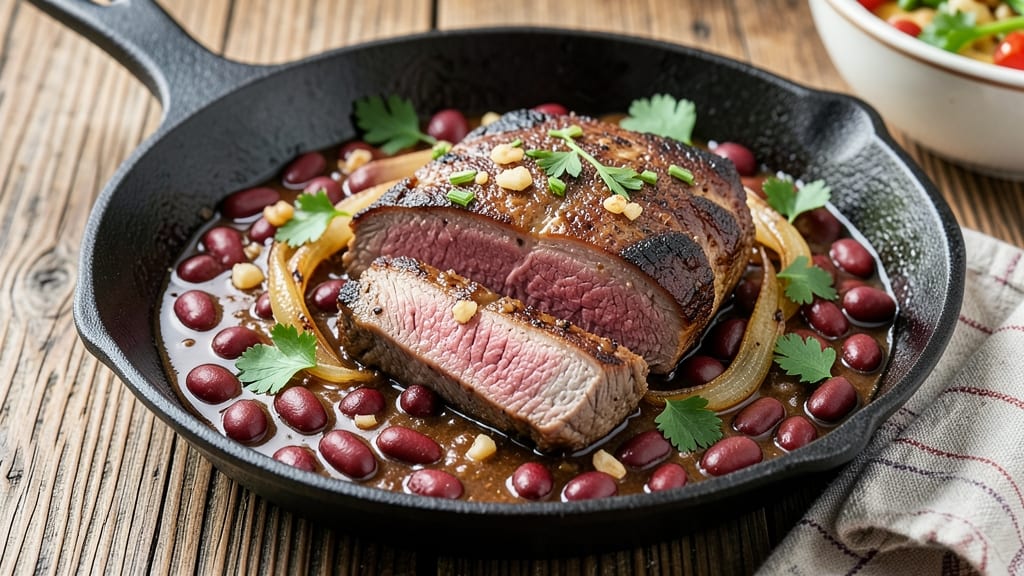
This beef and bean roundup recipe delivers a hearty simmer that transforms tough cuts into tender, flavorful bites—perfect for chilly evenings or family gatherings. The secret lies in slow-braising beef with caramelized onions and a bold spice blend, creating layers of depth that make every spoonful satisfying.
I've perfected this dish over years of testing, ensuring the beans stay creamy while the beef melts effortlessly, all in one pot.
The beauty of this recipe is its versatility—it works as a standalone meal or pairs beautifully with cornbread and fresh greens. The caramelized onions add natural sweetness that balances the savory spices, while the slow cooking process develops rich, complex flavors without requiring constant attention.
Whether you're feeding a crowd or meal prepping for the week, this dish delivers restaurant-quality results at home.
What sets this roundup apart is the textural contrast—tender beef, hearty beans, and crisp edges from the onions create a satisfying bite. The spice blend, with its mix of cumin, paprika, and bay leaves, adds warmth that lingers long after the last bite.
This isn't just a stew; it's a comforting, well-rounded meal that feels like a hug in a bowl.
Ready in about 2 hours with minimal effort, this recipe is ideal for busy weeknights or special occasions. The slow cooking ensures deep flavor infusion, while the one-pot method keeps cleanup simple. Serve with crusty bread or over rice to soak up every last drop of that rich, aromatic broth.
Ingredients for beef and bean roundup
Sixteen ingredients, two hours of simmering—this roundup delivers restaurant-quality comfort in one pot.
| Ingredient | Amount | Notes |
|---|---|---|
| Chuck Roast 🥩 | 2 ½ lb | Well-marbled for tenderness |
| Yellow Onions 🧅 | 3 whole | Thinly sliced for caramelization |
| Garlic Cloves 🧄 | 6 cloves | Minced for aromatic depth |
| Dried Red Kidney Beans 🌾 | 1 ½ cups | Soaked overnight or quick-soaked |
| Beef Broth 💧 | 4 cups | Low-sodium preferred |
| Tomato Paste 🍅 | ¼ cup | For rich, concentrated flavor |
| Ground Cumin 🌿 | 1 ½ tbsp | Toasted for deeper aroma |
| Smoked Paprika 🌶️ | 1 tbsp | Adds smoky complexity |
| Bay Leaves 🍃 | 2 whole | Fresh or dried |
| Black Peppercorns 🌶️ | 1 tsp | Freshly cracked |
| Olive Oil 🫒 | 2 tbsp | Extra-virgin for richness |
| Salt 🧂 | 1 ½ tsp | Kosher or sea salt |
| Fresh Thyme 🌿 | 1 tbsp | Chopped leaves only |
| Red Wine 🍷 | ½ cup | Bold dry variety |
The chuck roast is the star here. Look for well-marbled cuts—the fat renders down to keep the beef moist. Most grocery stores carry it pre-cut, but if you're buying a whole roast, ask the butcher to cube it for you. Costco and Walmart usually have good prices on bulk cuts, and the extra fat is worth it for this slow-cooked dish. If you can't find chuck, stew meat works too, though it may have slightly less marbling. The onions? Yellow or sweet onions both work, but yellows caramelize more deeply. Slice them evenly for consistent cooking.
No red wine? Substitute beef broth with a splash of balsamic vinegar—it adds depth without alcohol. The dried beans can be swapped for canned (drained and rinsed), but soaking overnight improves texture. If you're short on time, quick-soak them in boiling water for 2 minutes, then let sit for an hour. For the spices, smoked paprika adds warmth, but regular paprika works in a pinch. Fresh thyme is ideal, but dried works at half the amount. The tomato paste? Trader Joe's squeeze tubes are perfect—no waste, and they keep for months in the pantry.
This dish tastes even better the next day as flavors meld. Store leftovers in an airtight container in the fridge for up to 5 days, or freeze portions for 3 months. For meal prep, double the recipe and portion into containers—perfect for lunches. The broth freezes well too, so you can save it for future soups or stews. If you're serving a crowd, make it in a Dutch oven or slow cooker for even distribution of heat.
Why You'll Love This Recipe
- Deep Umami Bomb: Between the chuck roast’s rich, beefy melt and the kidney beans’ earthy punch, every bite is a flavor explosion. That caramelized onion base? It’s the secret—sweet, savory, and impossible to resist. (Yes, even my picky husband licks the plate.)
- Meal Prep MVP: This recipe keeps for days in the fridge, making it perfect for busy weeks. Pack it in lunches, reheat for dinner, or freeze portions—it’s my go-to for when I need to feed the family without spending hours in the kitchen. (Pro tip: The taste actually improves after the first day.)
- Budget-Friendly Powerhouse: Chuck roast and dried beans are wallet-friendly, but they punch way above their price. A single pot feeds six for under $15, and leftovers stretch into soups or tacos. Here’s what sold me—they’re cheap now, but they’ll save me from takeout later.
Step-by-step instructions for beef and bean roundup
Simmering this rich stew creates deep flavors through caramelized onions and layered spices.
Prepare the Chuck Roast and Caramelize the Onions
Pat the 2.5 lb chuck roast dry with paper towels—this ensures a better sear later. Heat 2 tablespoons olive oil in a large Dutch oven over medium-high heat. Once shimmering, add the beef and sear on all sides until deeply browned, about 8-10 minutes total. Remove and set aside.
In the same pot, add the 3 whole yellow onions (sliced thinly) and cook over medium heat for 15-20 minutes, stirring occasionally. You're aiming for deep golden caramelization—the onions should smell sweet and rich. If they stick, add a splash of water and scrape up the browned bits. This step builds the stew's foundation.
Build the Spice Base and Sauté Aromatics
Reduce heat to medium-low and add the 6 cloves minced garlic, 1.5 tablespoons ground cumin, 1 tablespoon smoked paprika, 1 teaspoon black peppercorns, and 1 tablespoon chopped fresh thyme. Stir for 1-2 minutes until fragrant—this releases the spices' full potential. Add the 0.25 cup tomato paste and cook for another 30 seconds, stirring constantly.
Deglaze the pot with the 0.5 cup red wine, scraping up any browned bits from the bottom. Let it simmer for 3-4 minutes until the wine reduces by half. This step develops the stew's depth—don't rush it. The wine's acidity cuts through the richness while adding complexity.
Simmer the Beef and Beans Together
Return the seared chuck roast to the pot. Add 4 cups beef broth, 1.5 teaspoons salt, and the 2 whole bay leaves. Bring to a gentle boil, then reduce heat to low and cover partially. Simmer for 1.5 hours, turning the beef occasionally, until it's fork-tender and nearly falling apart.
After the beef has cooked, add the 1.5 cups dried red kidney beans (if not pre-soaked, use the quick-soak method). Stir gently and continue simmering for another 45-60 minutes, until the beans are tender but not mushy. The beans should absorb the rich flavors while maintaining their texture—this is where patience pays off.
Finish and Rest for Maximum Flavor
Remove the bay leaves and adjust seasoning if needed—taste the broth and add more salt or pepper if required. Let the stew rest, covered, for 10-15 minutes before serving. This resting period allows the flavors to meld and the beef to reabsorb any juices that may have separated during cooking.
Serve hot, ladling the rich beef and beans over crusty bread or with steamed rice. The caramelized onions and smoky spices create a hearty, satisfying dish perfect for cold weather. Each bite delivers tender beef, creamy beans, and layers of aromatic depth.
Pro Tips For Making Beef And Bean Roundup
- SEAR THE ROAST FIRST: I learned this the hard way—skipping the sear makes the beef taste like it’s been simmering in water the whole time. Get that chuck roast screaming hot in a dry skillet for 3-4 minutes per side before anything else. The crust locks in flavor and keeps the meat from turning mushy later.
- SOAK BEANS OVERNIGHT: Dried red kidney beans? Soak them for at least 8 hours—or better yet, overnight. I used to skip this and end up with a pot of half-cooked beans that turned to mush. Rinse them after soaking, then drain well. Your future self will thank you when the beans stay firm and flavorful.
- DEGLAZE WITH BROTH: After searing the onions and garlic, don’t just scrape up the browned bits with water. Use a splash of beef broth—it dissolves more flavor from the pan. Let it bubble for 30 seconds before adding the rest. That extra depth makes the whole dish richer without extra effort.
- LOW AND SLOW WINS: This isn’t a 30-minute stew. Chuck roast needs patience—aim for 2.5–3 hours on low heat. If you rush it, the meat will dry out or stay tough. Cover the pot and let it hum along at 300°F (150°C) or lower. The beans will soften, the beef will melt, and the broth will thicken just enough. No shortcuts here.
Dietary considerations for this beef and bean roundup
Gluten-Free Adaptations
This roundup is naturally gluten-free, but always double-check your ingredients. The beef broth should be labeled gluten-free, and the tomato paste (like Trader Joe's) is typically safe. For extra precaution, use a certified gluten-free broth.
The red wine and olive oil are also safe, so no substitutions are needed unless you're avoiding alcohol—use extra beef broth in that case. 🌾
Low-Carb Options
To reduce carbs, skip the beans and focus on the beef and onions. The caramelized onions add natural sweetness, while the chuck roast provides protein and fat. If you miss the beans, try cauliflower rice> or shirataki noodles> for a low-carb alternative.
The spices and broth will still deliver rich, satisfying flavor without the bean bulk.
Vegetarian Swap
For a meatless version, replace the beef with extra-firm tofu> or mushrooms> (like cremini or portobello). Sauté the tofu in the same way you would the beef, then proceed with the recipe.
Mushrooms add an earthy depth that complements the caramelized onions and spices. Keep the beans for heartiness, or add lentils> for extra protein. The dish will still be hearty and flavorful!
Protein Alternatives
If you prefer chicken or pork, swap the beef for chicken thighs> or pork shoulder>. Both work well with slow cooking—they'll stay tender and absorb the flavors beautifully.
For a seafood twist, use firm white fish> like cod or halibut, but reduce the cooking time to 10-15 minutes> after adding the fish to avoid overcooking. The beans and spices will still shine in the broth.
Allergen-Friendly Tips
For nut allergies, this recipe is already safe—just ensure no cross-contamination occurs with other ingredients. If you're sensitive to FODMAPs>, reduce the onions and garlic slightly (use 2 tbsp minced garlic> instead of 6 cloves) and opt for low-FODMAP beans like butter beans>.
The dish remains flavorful while being gentler on digestion. Always check spice blends for hidden allergens if needed. ✨
Nutrition facts
Frequently asked questions
Can I use canned beans instead of dried?
Yes, you can substitute dried beans with 2 (15-ounce) cans of red kidney beans, drained and rinsed. For best texture, add them during the last 30 minutes of cooking to prevent mushiness. Canned beans save time but may lack the depth of flavor developed from slow-soaking.
Why does my beef turn out tough?
Tough beef usually means it wasn't cooked long enough or wasn't properly seared first. Always sear the beef deeply before simmering, and cook it until it's fork-tender (about 1.5 hours for chuck roast). A slow cooker on low works too—just add 1 hour to the cooking time.
How can I make this dish spicier?
Add ½ teaspoon cayenne pepper or 1 teaspoon chipotle powder when building the spice base. For heat lovers, stir in 1 chopped jalapeño with the onions. Adjust to taste—start with less and add more later if needed.
Can I prepare this in a slow cooker?
Brown the beef and caramelize the onions in a skillet first, then transfer everything to the slow cooker. Use low heat for 6-7 hours or high heat for 3-4 hours. The beans will absorb flavors beautifully, and the beef will stay tender with minimal effort.
What’s the best way to reheat leftovers?
Reheat gently on the stovetop over low heat or in the microwave at 50% power to avoid drying out the beef. Stir occasionally and add a splash of beef broth if it thickens too much. Never reheat past 165°F to ensure food safety.