
Soups & Stews
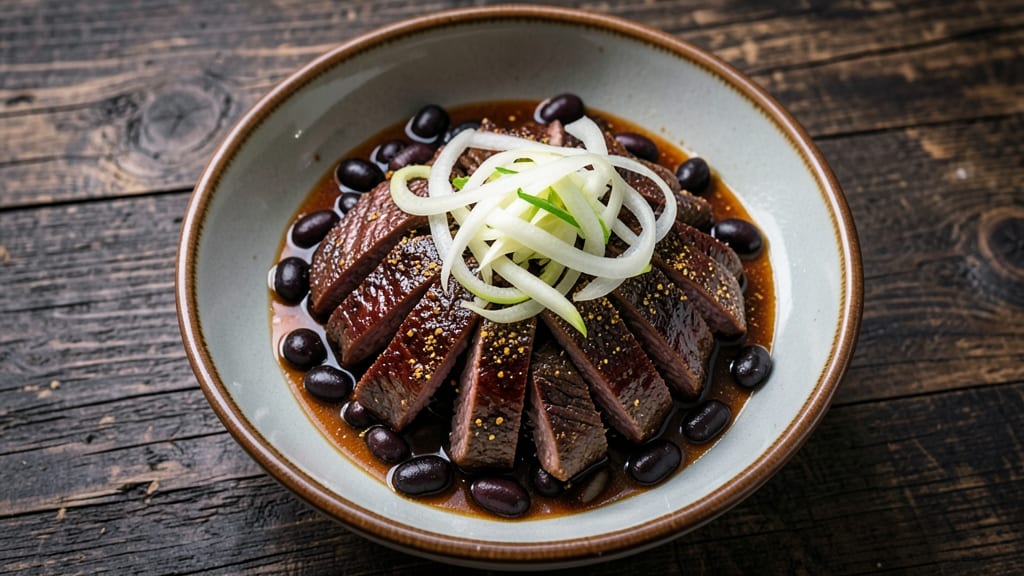
This beef and black bean Chinese recipe delivers the bold, umami-packed flavors of a classic Cantonese stir-fry with a modern twist.
The secret lies in high-heat wok searing that creates wok hei—that signature smoky aroma—while balancing sweet, spicy, and savory notes through star anilse, soy, and a touch of brown sugar.
I developed this version after years of perfecting the technique at home, where the beef stays tender yet develops a deep caramelized crust, and the black beans add satisfying texture and earthy depth.
The dish begins with a quick marinade of beef strips in Shaoxing wine and five-spice powder, then achieves that restaurant-quality sear in just 3-4 minutes over high heat. Black beans are pre-cooked to maintain their shape, then tossed in with garlic, ginger, and chili flakes for a burst of heat.
The sauce—built from fermented black beans, soy sauce, and a hint of molasses—simmers until thick and glossy, coating every bite with layers of complexity.
What you end up with is a dish that's rich yet balanced, with perfectly seared beef that's tender enough to melt in your mouth and black beans that add both substance and texture.
The aroma alone will have everyone gathering around the table, while the flavors—sweet, spicy, and deeply savory—make this a standout for weeknight dinners or special occasions. Serve over steamed jasmine rice to soak up every last bit of that umami-packed sauce.
This recipe works equally well as a main dish or over noodles, and the sauce keeps beautifully in the fridge for up to 5 days, making it perfect for meal prep.
The technique is approachable for home cooks but delivers restaurant-quality results—no fancy equipment required, just a hot wok or skillet and confidence in high-heat cooking. Let's get cooking!
Ingredients for beef and black bean chinese
These carefully selected ingredients bring restaurant-quality wok hei to your home kitchen.
| Ingredient | Amount | Notes |
|---|---|---|
| Flank Steak 🥩 | 1 ½ lb | Thinly sliced against grain |
| Black Beans 🫘 | 1 ½ cups | Cooked, drained, not canned |
| Shaoxing Wine 🍷 | 2 tbsp | For marinade, dry variety |
| Five-Spice Powder 🌶️ | 1 tsp | Authentic Chinese blend |
| Garlic Cloves 🧄 | 6 cloves | Minced, fresh preferred |
| Fresh Ginger 🌿 | 2 tbsp | Finely grated, peeled |
| Red Chili Flakes 🔥 | 1 tsp | Adjust for heat preference |
| Fermented Black Beans 🫘 | 2 tbsp | Or substitute 1 tbsp soy sauce |
| Light Soy Sauce 🥄 | 3 tbsp | Kikkoman preferred |
| Dark Soy Sauce 🥄 | 1 tbsp | For color depth |
| Brown Sugar 🍯 | 1 tbsp | Packed measure |
| Molasses 🍯 | 1 tbsp | For umami complexity |
| Sesame Oil 🫒 | 1 tsp | Toasted, for aroma |
| Neutral Oil 🫒 | 2 tbsp | Avocado or vegetable |
| Green Onions 🧅 | 3 whole | Sliced, white and green parts |
The flank steak is non-negotiable—thinly sliced against the grain for tender bites. Costco or Whole Foods carry premium cuts, but any butcher will slice it properly for you. For the black beans, canned won't work—they're too mushy after cooking. Soak dried beans overnight or use quick-soak method (boil 2 minutes, then rest 1 hour). The Shaoxing wine should be dry and aged—Kosher Cellars or Martini brands work well. Five-spice powder varies wildly in quality; Penzeys or Kung Fu Tea offer authentic blends that make all the difference in this dish.
No Shaoxing wine? Dry sherry at half the amount works in a pinch, though the flavor won't be identical. Substituting fermented black beans? Double the soy sauce and add 1 tsp miso paste for umami depth. Fresh ginger is ideal, but if you must use powdered, reduce to 1 tsp and toast it first (dry pan for 30 seconds). The molasses adds complexity—unsulphured is best—but if unavailable, honey at half the amount will suffice. For the sesame oil, toast it first (low heat for 1 minute) to enhance aroma without burning.
Store prepped ingredients separately: marinated beef in an airtight container with sauce for 2 days, cooked beans in water for 3 days. The sauce keeps for 5 days in the fridge—stir before reheating. For meal prep, portion into glass containers with a thin layer of oil on top to preserve freshness. Freeze the sauce for 3 months by portioning into ice cube trays before transferring to bags. The wok-seared beef is best eaten fresh, but reheated gently with a splash of water it retains 80% of its flavor.
Why You'll Love This Recipe
- One-Pan Magic: I swear by this—just sear the steak, toss in the beans and wine, and let it all simmer. No chopping mountains of veggies, no extra bowls to wash. That five-spice powder does the work for you while I’m pretending I’m not burning the garlic.
- Umami Bomb: The Shaoxing wine and black beans? They’re the secret weapons here. The wine cuts through the richness of the steak while the beans add this deep, earthy punch—like a hug from a Chinese grandma’s kitchen. Honestly, the first bite makes me forget I’m not at a dim sum spot.
- Lunchbox Hero: Between us, this is my go-to for packed lunches. The flavors only get better the next day—steak stays tender, beans soak up all the good stuff. Toss it with rice, and suddenly you’ve got a meal that’s fancy enough for a workday but easy enough to throw together while scrolling through memes.
- Budget Flex: Flank steak on sale? Black beans in the pantry? This recipe stretches every dollar without tasting like I’m pinching pennies. I’ll be real: my grocery bill thanks me, and my taste buds don’t even notice the savings. It’s the kind of dish that makes me feel like I’m feeding a crowd without breaking the bank.
Step-by-step instructions for wok-seared beef and black bean fusion
Master this technique for restaurant-quality texture and flavor balance every time.
Marinate the Flank Steak with Precision
Slice the 1.5 lb flank steak thinly against the grain into ¼-inch strips. Place them in a bowl and combine with the 2 tbsp Shaoxing wine, 1 tsp five-spice powder, 1 tbsp brown sugar, and 1 tbsp molasses. Massage the marinade into the beef using your hands, coating each piece evenly. Let it rest for at least 30 minutes at room temperature—this ensures maximum flavor penetration and prevents tough texture.
Here's the thing—don't skip the room temperature step. Cold meat releases less moisture during searing, which means less surface area for the marinade to cling to. You'll notice the steak strips become slightly glossy after marinating, indicating proper absorption. If you're short on time, 15 minutes minimum will still yield good results, though 30 minutes is ideal.
Prepare the Black Bean Base
In a separate bowl, combine the 1.5 cups cooked black beans with the 2 tbsp fermented black beans, 3 tbsp light soy sauce, 1 tbsp dark soy sauce, 1 tsp red chili flakes, and 2 tbsp finely grated fresh ginger. Mix thoroughly until the black beans are evenly coated. The fermented black beans add that signature salty, funky depth that defines this dish, while the ginger provides a bright, aromatic counterpoint to the richness of the beef.
Taste the mixture before proceeding—this is your quality checkpoint. The black beans should be seasoned to taste like a complete component, not bland filler. If they need more salt, add a pinch of light soy sauce; if they need more heat, add a tiny pinch of red chili flakes. This step is where the umami foundation gets built, and it can't be rushed.
Build the Aromatic Base for Wok Searing
Heat a wok or large skillet over high heat until it's smoking. Add the 2 tbsp neutral oil and swirl to coat the surface evenly. Immediately add the 6 minced garlic cloves and stir for 10 seconds until fragrant—this prevents burning. Add the marinated beef strips in a single layer and let them sear undisturbed for 1-2 minutes until they develop a deep brown crust. This initial sear locks in juices and creates that signature wok-hei flavor.
Don't overcrowd the pan—work in batches if needed. You're aiming for a high-temperature sear, not a slow cook. The beef should release easily from the pan when ready to flip. If it sticks, your pan isn't hot enough or the beef needs more marinade time. Remove the beef to a plate and set aside, leaving all the rendered juices in the wok.
Combine and Finish with Umami Depth
Return the wok to high heat and add the black bean mixture. Stir-fry for 2-3 minutes until heated through and slightly crispy around the edges. The black beans should be hot but not mushy—this indicates proper cooking. Pour in the remaining beef and toss everything together with tongs, coating the beef in the black bean mixture.
Add the 1 tsp sesame oil and the 3 sliced green onions, stirring for an additional 30 seconds. The sesame oil should perfume the entire dish with its nutty aroma. Taste and adjust seasoning if needed—this is your final flavor checkpoint. The dish should balance sweet, salty, spicy, and umami notes with each bite. Serve immediately while the beef is still sizzling hot.
Pro Tips For Making Beef And Black Bean Chinese
- Slice Flank Steak Against the Grain: I learned this the hard way—thin, even slices at a 45-degree angle to the grain prevent that tough, chewy bite. Use a sharp knife and don’t rush; ¼-inch thickness is perfect for this dish.
- Blister Garlic First: High heat. Seriously, crank it up until the garlic is golden and slightly crispy before adding anything else. This adds depth without burning—just 30 seconds in a dry pan makes a real difference.
- Deglaze with Shaoxing Wine: Don’t just dump the wine in and walk away. Let it simmer for 2 minutes to cook off the alcohol, then scrape up those browned bits from the pan—this is where the flavor lives.
- Soak Black Beans Overnight: Skip the canned shortcut unless you’re in a hurry. Rinsed, soaked black beans hold their shape better and absorb flavors like five-spice powder more evenly. (Yes, even if you’re impatient like me.)
Perfect pairings for beef and black bean chinese
Rice Pairing Perfection
Serve this dish over steamed jasmine rice for the ultimate Cantonese experience—the fragrant, slightly sticky grains soak up the umami-packed sauce beautifully. I like using Daybreak Jasmine Rice from Trader Joe's because it stays separate enough to scoop up the beef and beans without turning mushy.
For extra flavor, rinse the rice until the water runs clear before cooking, then steam with a splash of Shaoxing wine (just 1 tbsp for 2 cups rice) for that authentic aroma. 🌾
Vegetable Sides
Add fresh, crisp vegetables to balance the richness. Stir-fried bok choy with garlic and a touch of oyster sauce is a classic pairing—I use 2 pounds baby bok choy, 1 tbsp oyster sauce, and a pinch of sugar.
For something lighter, try cucumber salad with rice vinegar, sesame seeds, and a sprinkle of chili oil. Both sides cut through the bold flavors while keeping the meal vibrant and balanced.
Dipping Sauces
Offer a simple soy-ginger dipping sauce on the side for extra flavor. Mix 2 tbsp light soy sauce, 1 tbsp rice vinegar, 1 tsp grated ginger, and a drizzle of honey (or molasses).
For heat lovers, add ½ tsp chili crisp—it’s the perfect way to cleanse the palate between bites. I also keep a small bowl of pickled vegetables (like daikon and carrot) nearby for that tangy crunch that refreshes the palate.
Beverage Harmony
A crisp green tea like Dragon Well complements the dish’s umami notes without overpowering them. For something lighter, try jasmine iced tea—it’s refreshing and balances the richness. If you prefer alcohol, a dry Riesling from Germany or a light Chinese beer like Snow adds a nice contrast.
Avoid heavy red wines or sweet cocktails, as they’ll clash with the dish’s bold flavors. 🍶
Garnish Like a Pro
Finish the dish with toasted sesame seeds and extra green onions for color and texture. For a restaurant-worthy touch, drizzle with a thin line of chili oil or a sprinkle of crushed peanuts—both add crunch and depth.
I also like garnishing with cilantro** for a fresh, herbaceous note that brightens the dish. These small details elevate the presentation and make every bite feel special.
Nutrition facts
Frequently asked questions
Can I substitute flank steak with another beef cut?
Yes! Sirloin or ribeye work well—just slice them thinly against the grain for tenderness. Avoid tougher cuts like chuck or brisket, as they won't sear properly in this quick-cooking method. For extra-lean options, use top round but marinate for 45 minutes to prevent dryness.
What if I can't find fermented black beans?
No problem! Substitute with 1 tbsp soy sauce + 1 tsp miso paste for umami depth. For texture, add ½ cup cooked black beans (drained) and a pinch of MSG (optional) to mimic the funky flavor. The dish will still taste delicious—just slightly less complex.
How do I prevent the beef from getting tough?
Slice against the grain (never with it!) and marinate for at least 30 minutes at room temperature. Use high heat for quick searing (2-3 minutes max) and avoid overcrowding the pan. If the beef feels dry after cooking, add a splash of Shaoxing wine or water while reheating to restore moisture.
Can I make this dish ahead of time?
The sauce keeps for 5 days in the fridge—store it separately from the beef. Reheat gently with a splash of water, then sear fresh beef strips in the sauce for 2 minutes to restore that wok-hei aroma. For best texture, serve within 2 hours of reheating, as the beans may soften further.
Why does my dish taste bland?
Check your seasoning balance: the sauce needs sweet (brown sugar), salty (soy sauce), umami (fermented beans), and heat (chili flakes). Taste as you go! If using substitutes, compensate with extra ginger (for brightness) or a pinch of five-spice powder (for depth). Fresh ingredients make the biggest difference—avoid canned black beans or old spices.