
Main Courses
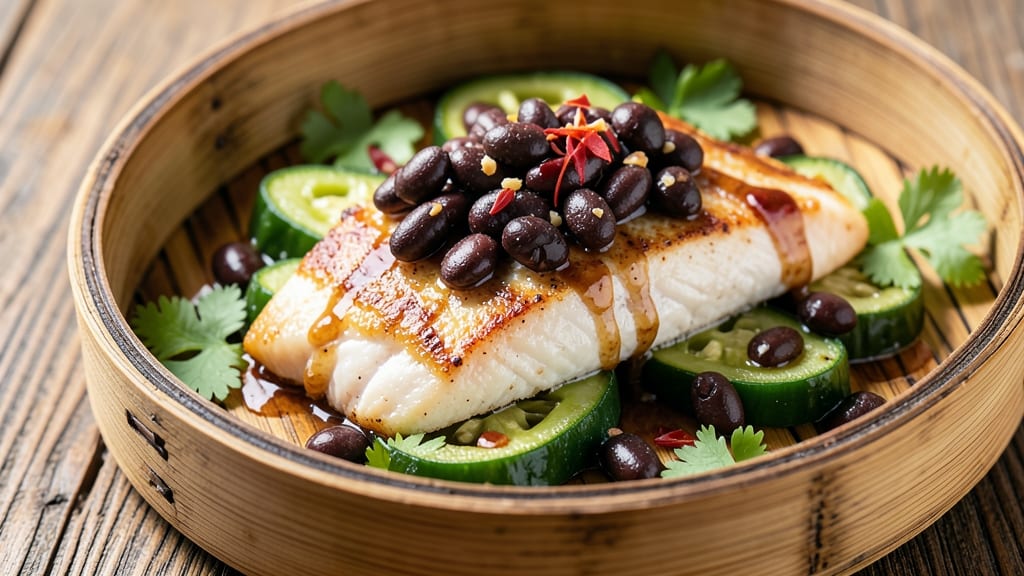
This bitter gourd black bean fish recipe transforms bold flavors into a harmonious one-pan dish that balances earthy bitterness, rich umami, and delicate fish.
The secret lies in quick stir-frying the bitter gourd to soften its sharp edge while preserving its vibrant texture, then layering in black beans for hearty depth. A light soy-ginger sauce ties everything together, ensuring each bite delivers a perfect contrast of textures and tastes.
What sets this recipe apart is the technique: pan-searing the fish just until flaky while keeping the center tender, then combining it with the sautéed vegetables and beans in a single pot.
This method creates a dish that’s both restaurant-quality and effortlessly achievable at home. The fish absorbs the aromatic sauce, while the bitter gourd and black beans add substance without overpowering the meal.
By the time you plate this dish, you’ll have a visually striking combination of golden fish, glossy black beans, and tender bitter gourd—all coated in a glossy, savory sauce.
The bitterness of the gourd is softened by the umami-rich beans and the mild sweetness of the fish, creating a flavor profile that’s unexpectedly satisfying. Serve with steamed jasmine rice to soak up every last drop of that delicious sauce.
This recipe is perfect for pescatarians looking for a protein-packed meal or anyone eager to explore bold, textured flavors. The one-pan approach keeps cleanup minimal, making it ideal for weeknight dinners or special occasions.
Let’s get cooking—this dish is a game-changer for anyone who thinks bitter gourd is too intense to enjoy.
Ingredients for bitter gourd black bean fish
Fourteen ingredients balance bitterness, umami, and delicate fish perfectly in one pan.
| Ingredient | Amount | Notes |
|---|---|---|
| Bitter Gourd 🍆 | 1 ½ lb | Young, tender pieces preferred |
| Black Beans 🫘 | 1 ½ cups | Cooked or canned, drained |
| White Fish Fillets 🐟 | 1 lb | Cod, tilapia, or snapper preferred |
| Garlic Cloves 🧄 | 6 cloves | Minced for aromatic base |
| Fresh Ginger 🌿 | 2 tbsp | Grated, for zesty kick |
| Light Soy Sauce 🥄 | ⅓ cup | For umami depth |
| Sesame Oil 🫒 | 1 tbsp | Toasted for nutty aroma |
| Green Onions 🧅 | ¼ cup | Sliced, for fresh finish |
| Red Chili Flakes 🌶️ | 1 tsp | Adjust for heat preference |
| Vegetable Oil 🫒 | 2 tbsp | High smoke point preferred |
| Lime Juice 🍋 | 1 tbsp | Freshly squeezed |
| Salt 🧂 | 1 ½ tsp | Kosher or sea salt |
| Black Pepper 🌶️ | ½ tsp | Freshly ground |
| Jasmine Rice 🍚 | 1 ½ cups | Uncooked, for serving |
The bitter gourd is the star here—young, tender pieces are essential to avoid overly bitter flavors. Asian markets usually carry the best selection, often pre-washed and ready to use. Look for firm, vibrant green gourds with no soft spots. If you can't find bitter gourd, zucchini or eggplant can substitute, though the flavor will differ. The black beans should be cooked through but still hold their shape—canned beans work perfectly if you're short on time, just drain and rinse them well. For the fish, cod or tilapia are ideal—they stay tender while absorbing the sauce beautifully.
No sesame oil? Toasted peanut oil works just as well for that nutty aroma. Fresh ginger is non-negotiable here—dried loses its zing. If you can't find fresh, double the amount of ground ginger, but it won't be quite the same. The soy sauce should be light, not dark—Kikkoman or Pearl River Bridge are reliable choices. For extra heat, swap chili flakes for fresh Thai chilies (seeds removed). The lime juice adds a bright finish, so don't skip it—Mexican Key or Eureka limes are the most flavorful. If you're using frozen fish, thaw it completely before cooking to ensure even cooking.
Bitter gourd keeps for 5-7 days in the fridge, wrapped in a damp towel. The cooked fish and beans can be stored separately for 3 days—reheat gently in a pan with a splash of water. The sauce components (soy, ginger, garlic) can be prepped ahead and stored for 2 days in an airtight container. For best results, assemble the dish fresh—this is where the textures and flavors truly shine. If you're making this ahead for a crowd, cook the fish and vegetables separately, then combine with the sauce just before serving to maintain crispness.
Why You'll Love This Recipe
- One-Pan Magic: I swear by this recipe when I’m too tired to wash dishes. The bitter gourd and black beans simmer right in the same pot as the fish—no extra bowls, no fuss. Just slice, sear, and let it all meld together while I sip my tea.
- Umami Bomb: That first bite? The ginger and garlic hit first, sharp and bright, then the black beans add this deep, earthy richness. The fish soaks up all the flavors, but it’s the bitter gourd that steals the show—crisp-tender with a slight bite that balances everything. Honestly, it’s the kind of dish that makes me want to close my eyes and savor it.
- Lunchbox Hero: Between us, this is my go-to for meal prep. The flavors only get better the next day, and it reheats like a dream. Pack it in containers for work or school lunches—your coworkers will think you’re a gourmet chef, not just someone who threw together a weeknight dinner.
- Budget Win: White fish is cheap, black beans are a pantry staple, and bitter gourd lasts forever in the fridge. I’ve fed four people for under $10 with this, and no one ever complains. Plus, the leftovers? Even better cold in salads or over rice the next morning. My wallet and my taste buds thank me.
Step-by-step instructions for bitter gourd black bean fish
This one-pan recipe balances bold flavors with delicate textures—here's how to execute it perfectly.
Prepare the Bitter Gourd and Black Beans
Cut the 1.5 lb bitter gourd into ½-inch thick half-moons, removing any tough seeds. Soak the pieces in cold water for 10 minutes to reduce bitterness, then pat completely dry with paper towels. This step is crucial—wet bitter gourd steams instead of searing.
In a medium bowl, combine the 1.5 cups black beans with 1.5 tsp salt and 0.5 tsp black pepper. Add 1 tbsp lime juice and toss gently to coat. Let this mixture sit while you prep the remaining ingredients. The acidity from the lime helps balance the earthy flavors of the bitter gourd.
Build the Aromatic Base
Heat 2 tbsp vegetable oil in a large skillet over medium heat until shimmering. Add the 6 cloves minced garlic and 2 tbsp grated ginger, cooking for 1-2 minutes until fragrant but not browned. Stir constantly—ginger burns quickly and turns bitter.
Next, add the 1 tsp red chili flakes and cook for 30 seconds until the pan smells deeply aromatic. Pour in the 0.33 cup light soy sauce and let it simmer for 1 minute, scraping up any browned bits from the bottom of the pan. These bits pack intense flavor that will infuse your dish.
Cook the Bitter Gourd and Beans
Increase heat to medium-high and add the prepared bitter gourd pieces in a single layer. Cook undisturbed for 3-4 minutes until golden brown spots develop on the edges. Flip each piece and cook another 3-4 minutes until tender but still holding shape.
Push the bitter gourd to one side of the pan and add the black bean mixture. Stir to combine with the garlic-ginger base, cooking for 2 minutes until heated through. The beans should absorb the aromatic flavors while maintaining their texture. If the mixture looks dry, add 2-3 tablespoons water to keep it moist.
Finish with Fish and Sesame Oil
Add the 1 lb white fish fillets to the pan, arranging them in a single layer. Sprinkle with any remaining 0.25 cup sliced green onions and drizzle with 1 tbsp sesame oil. Cook for 3-4 minutes on each side until the fish is opaque and flakes easily with a fork.
Remove the pan from heat and let the dish rest for 2 minutes. This brief resting period allows the fish to finish cooking through from residual heat while keeping it moist. The sesame oil should be lightly toasted, adding nutty depth to the dish.
Serve Over Jasmine Rice
Cook the 1.5 cups jasmine rice according to package instructions until tender and fluffy. Divide the rice among serving plates and top each portion with the bitter gourd, black bean, and fish mixture. Garnish with additional green onions and a final drizzle of sesame oil if desired.
The perfect bite should deliver tender fish, slightly crisp bitter gourd, and hearty black beans all infused with aromatic garlic, ginger, and soy. Serve immediately while the fish is still warm and the flavors are at their peak.
Pro Tips For Making Bitter Gourd Black Bean Fish
- BLANCH BITTER GOURD FIRST: I learned this the hard way—raw bitter gourd releases a bitter, almost soapy flavor when cooked. Give it a quick 2-minute blanch in boiling salted water, then shock it in ice water. This softens it just enough for faster cooking later and cuts that harsh taste by half. (Yes, even if you're impatient like me, don't skip this.)
- SALT THE FISH LAST: Fish fillets absorb liquid like sponges, and salting them early makes them tough. After everything else is simmering—beans, gourd, aromatics—just add the fish and cook for 3-4 minutes. Sprinkle salt right before removing from heat so it stays juicy. I used to overcook them trying to "season properly," and they’d fall apart.
- CRUSH GINGER, DON’T JULIENNE: Fresh ginger loses its punch when finely chopped. Use the flat side of a knife to smash 1-inch chunks into a paste—no peeling needed. This releases more flavor without turning the dish into a ginger soup. (Your future self will thank you when the aroma hits the pot.)
- STIR BEANS AT THE END: Black beans break down when stirred too early. Let them simmer in the broth until the fish is nearly done, then fold them in gently with a spoon. Their texture should stay intact—just tender, not mushy. I was skeptical until I tried it; now I won’t make this dish any other way.
Essential equipment for this dish
Skillet Essentials
Start with a 12-inch cast iron skillet or carbon steel pan—these retain heat beautifully and create that perfect sear on both the bitter gourd and fish. I swear by my Lodge cast iron because it develops a natural non-stick surface over time.
If cast iron isn't available, a heavy stainless steel skillet works too, but preheat it longer to prevent sticking. 🔥
For the fish, a fish spatula with a thin, flexible edge is a game-changer—it helps flip delicate fillets without tearing. I keep a Nordic Ware fish spatula in my kitchen specifically for this purpose. Avoid metal spatulas that can damage the pan's seasoning or tear the fish.
Knife and Prep Tools
A sharp chef's knife (8-inch) is non-negotiable for slicing the bitter gourd and green onions. I use a Wüsthof because it glides through even the toughest gourd pieces. For mincing garlic and ginger, a microplane or garlic press saves time and ensures even distribution of those aromatic flavors. 🌿
Don’t forget a cutting board—I prefer bamboo for its gentle surface, but a plastic board works too. A fine-mesh strainer comes in handy if you soak the bitter gourd to reduce bitterness, and paper towels are essential for drying the gourd pieces thoroughly before cooking.
Heat Control Tools
A kitchen thermometer helps monitor the pan's temperature—aim for medium-high heat (375°F) when searing the bitter gourd and fish. I use an instant-read thermometer like Thermoworks to check both the pan and fish internal temperature.
This prevents overcooking the delicate fish while ensuring the bitter gourd gets that perfect crisp-tender texture.
For the sesame oil, a small saucepan or even the skillet works to gently toast it—just heat on low heat (around 250°F) until fragrant. A wooden spoon is ideal for stirring the sauce without scratching the pan.
Keep a fine-mesh sieve nearby to strain any sediment if using low-quality sesame oil.
Serving Gear
Serve the dish on wide, shallow plates to showcase the vibrant colors of the bitter gourd, black beans, and fish. I love stoneware plates because they keep the food warm longer.
For garnishing, a small bowl for the extra sesame oil and tongs to transfer the fish make plating effortless. 🍽️
If you're prepping ahead, airtight containers are key for storing components separately. I use glass Pyrex containers because they’re microwave-safe and don’t absorb odors. Label each container clearly—fish, bitter gourd, and beans should be stored in separate containers to maintain texture and flavor integrity.
Nutrition facts
Frequently asked questions
Why does bitter gourd taste so bitter? How can I reduce the bitterness?
Bitter gourd contains natural compounds that create that sharp flavor. To soften it, soak the slices in cold water for 10 minutes before cooking—this removes up to 50% of the bitterness. Also, searing the gourd at medium-high heat until golden caramelizes the edges, reducing harshness. The black beans and soy sauce in this recipe naturally balance the bitterness with their rich umami flavors.
Can I substitute bitter gourd with another vegetable?
Yes! For a similar texture, use zucchini or eggplant (thinly sliced and salted first to remove excess moisture). For flavor, green bell peppers work well but won't match the earthy depth. If you want to keep the bitter profile, try endive or dandelion greens—just reduce cooking time to 2-3 minutes to avoid wilting. The key is maintaining the dish's balance of textures.
How do I know when the fish is fully cooked without overcooking it?
The fish is done when it reaches an internal temperature of 145°F and flakes easily with a fork. For white fish like cod or tilapia, this typically takes 3-4 minutes per side at medium-high heat. Watch closely—the moment the flesh becomes opaque and pulls away from the bone is perfect. Remove it from heat immediately to prevent drying. A kitchen thermometer is your best tool for accuracy.
Can I make this dish ahead of time? How should I store it?
Cook the components separately and store them in airtight containers in the fridge for up to 3 days. Keep the fish, bitter gourd, and black beans separate to maintain texture. Reheat each component gently in a pan with a splash of water, then combine with the sauce just before serving. The fish should be reheated to 165°F—never microwave it directly from frozen.
What if I don't have sesame oil? What's the best substitute?
Toasted peanut oil or avocado oil work perfectly—they provide the nutty aroma without the strong sesame flavor. For a lighter option, use toasted sesame seeds (1 tbsp) instead of the oil, sprinkling them at the end. Avoid olive oil, as its strong flavor can overpower the delicate fish. The key is to toast the oil gently on low heat until fragrant.