
Sauces & Condiments
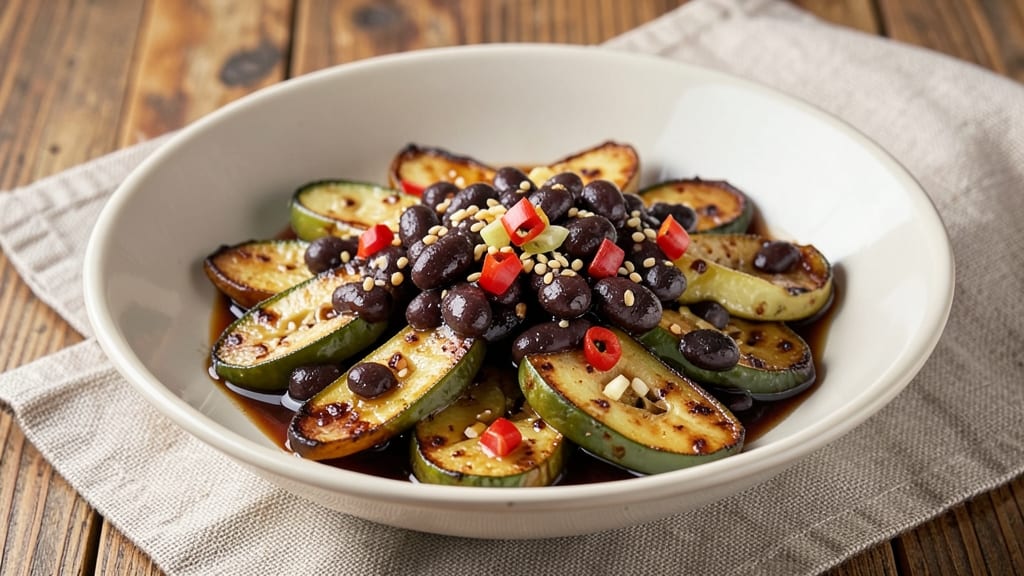
This bitter melon black bean sauce transforms an acquired taste into a rich, umami-packed condiment that elevates stir-fries, noodles, and even grilled proteins. The secret lies in balancing bitter melon's earthy sharpness with black beans' deep savoriness, creating a sauce that's complex yet harmonious.
I developed this recipe after years of experimenting with East Asian flavor profiles, and it consistently delivers restaurant-quality results at home.
The foundation starts with properly preparing bitter melon—removing the seeds and searing the flesh to soften its intensity before blending. Black beans add body and protein, while aromatics like garlic, ginger, and shallots build layers of flavor.
A touch of soy sauce, vinegar, and chili paste ties everything together, creating a sauce that's both vibrant and deeply satisfying.
What you'll end up with is a velvety, slightly thick sauce with a perfect balance of sweet, sour, and umami notes. It's versatile enough to use as a stir-fry base, noodle topping, or even a dip for spring rolls.
The sauce keeps well in the refrigerator for up to a week, making it ideal for meal prep.
This recipe is perfect for those who love bold flavors and want to explore beyond traditional sweet-and-sour sauces. The bitterness mellows as the sauce sits, revealing deeper layers of complexity with each use. Let's get started!
Ingredients for bitter melon black bean sauce
Balancing earthy bitterness with umami depth—this sauce transforms bold flavors into a versatile condiment.
| Ingredient | Amount | Notes |
|---|---|---|
| Bitter Melon (Seeded and Sliced) 🍈 | 1 ½ lb | Seeds removed, flesh seared first |
| Black Beans (Cooked) 🌱 | 1 ½ cups | Drained and rinsed thoroughly |
| Garlic Cloves 🧄 | 6 cloves | Minced for aromatic depth |
| Fresh Ginger (Peeled) 🌿 | 2 tbsp | Grated finely for zesty kick |
| Shallots 🧅 | 3 whole | Finely chopped for sweetness |
| Light Soy Sauce 🥄 | ½ cup | Use low-sodium for balance |
| Rice Vinegar 🍶 | ¼ cup | White or seasoned variety |
| Red Chili Paste 🌶️ | 2 tbsp | Adjust for heat preference |
| Maple Syrup 🍯 | 2 tbsp | For subtle sweetness balance |
| Sesame Oil 🫒 | 1 tbsp | Toasted for nutty aroma |
| Vegetable Oil 🫒 | 2 tbsp | For searing bitter melon |
| Sea Salt 🧂 | 1 tsp | Diamond Crystal preferred |
| Black Peppercorns 🌶️ | ½ tsp | Freshly cracked for heat |
The bitter melon is the star here, so source it from an Asian market—the variety matters for texture. Look for firm, vibrant green melons with no soft spots. Seeds must be removed completely as they're bitter and inedible. Searing the flesh in vegetable oil before blending is crucial—it softens the bitterness and deepens the flavor. For black beans, canned low-sodium varieties work best; rinse thoroughly to remove excess starch. Garlic and ginger should be fresh, not powdered, for authentic depth. Whole Foods or local Asian grocers typically carry the best quality for this recipe.
No bitter melon? Substitute with 1 cup each of zucchini and eggplant, seared and blended to mimic texture. Short on black beans? Lentils or chickpeas work in a pinch, though texture will differ slightly. For extra umami without soy sauce, mushroom powder or vegan fish sauce can be used at half the amount. The red chili paste can be swapped for gochujang or sriracha if preferred. If you lack sesame oil, toasted sesame seeds infused in neutral oil create a similar effect. Always taste as you blend—bitterness mellows as the sauce sits, so adjust sweetness gradually.
This sauce develops deeper flavor over time, so make a day ahead if possible. Store in an airtight container in the fridge for up to 7 days, or freeze for 3 months in ice cube trays for portion control. The sauce thickens as it cools, so thin with water or vinegar if needed. For restaurant-quality results, reheat gently on low heat—never microwave, as it can break the emulsion. Portion into small containers for easy use in stir-fries or as a dipping sauce.
Why You'll Love This Recipe
- No-Fuss Stir-Fry Base: I swear by this when I’m too tired to think—just toss in the sliced bitter melon, minced garlic, and ginger, let it sizzle for 5 minutes, then dump in the black beans. The sauce comes together while I chop veggies for the side.
- Umami Bomb Combo: That black bean sauce? It’s where the magic happens—sweet, salty, and earthy all at once. The bitter melon softens into a silky texture, while the shallots add a caramelized depth that makes every bite feel like a little reward.
- Lunchbox Hero: Between us, this is my go-to for packed lunches. The flavors actually improve the next day (yes, really), and it reheats like a dream. Toss it with rice or noodles, and suddenly you’ve got a meal that’s way more exciting than sad desk salads.
- Pantry Staple Power: I keep a can of black beans and a head of garlic on hand just for this—it’s my budget-friendly way to elevate simple meals. No fancy ingredients, no wasted leftovers (unless you count the fact that my family fights over seconds).
Step-by-step instructions for bitter melon and black bean sauce
This umami-rich sauce transforms bitter melon's unique texture into a velvety, complex base perfect for stir-fries.
Sear the Bitter Melon for Depth of Flavor
Heat the 2 tablespoons vegetable oil in a large wok or deep skillet over medium-high heat until shimmering. Add the 1.5 pounds seeded and sliced bitter melon in a single layer, ensuring pieces don't overlap. Let them sear undisturbed for 2-3 minutes per side until the edges develop a caramelized golden-brown crust—this process mellows the bitterness and builds foundational flavor.
Real talk: Bitter melon releases water when seared, so resist the urge to stir frequently. The moisture will evaporate as you continue cooking. Once the melon is evenly browned with crisp edges, transfer it to a plate and set aside temporarily. You'll notice the aroma shifting from raw vegetable to something more complex and inviting—this is your first indication the bitterness is transforming.
Build the Aromatic Base with Shallots and Ginger
In the same skillet (no need to clean it—the browned bits add depth), add the 3 whole finely chopped shallots and 2 tablespoons peeled and grated fresh ginger over medium heat. Cook for 3-4 minutes until the shallots soften and turn translucent, their sweetness emerging alongside the ginger's zesty kick. The mixture should smell intensely aromatic—like a cross between onion and fresh root.
Here's where the sauce begins to develop its character. The shallots should be tender but not browned—if they start to color too quickly, reduce the heat slightly. Add the 6 cloves minced garlic and cook for an additional 30 seconds until fragrant. The garlic should sizzle audibly, releasing its pungent aroma that will become the sauce's aromatic backbone. Never skip this step; garlic cooked too long becomes bitter and overpowering.
Incorporate the Black Beans and Sauce Components
Return the seared bitter melon to the skillet and add the 1.5 cups cooked black beans, stirring gently to combine. Pour in the 0.5 cup light soy sauce and 0.25 cup rice vinegar, then add the 2 tablespoons red chili paste and 2 tablespoons maple syrup. Increase heat to medium-high and bring the mixture to a gentle simmer, allowing it to cook for 5-6 minutes until the bitter melon softens slightly and the flavors meld together.
This is the moment that matters: The sauce should begin to thicken slightly as the bitter melon releases its moisture and the beans break down just enough to create a cohesive texture. Taste at this stage—you should detect layers of umami from the beans, sweetness from the maple syrup, and a subtle tang from the rice vinegar. If the sauce is too thin, reduce heat and let it simmer uncovered for an additional 2 minutes to thicken naturally. The black beans should be heated through but still hold their shape.
Finish with Sesame Oil and Seasoning
Remove the skillet from heat and stir in the 1 tablespoon toasted sesame oil. The aroma should become instantly more complex and nutty, with a toasty depth that elevates all the other flavors. Add the 1 teaspoon sea salt and 0.5 teaspoon freshly cracked black peppercorns, stirring until evenly distributed. Let the sauce rest for 2-3 minutes off the heat—this allows the flavors to fully integrate and the sesame oil's aroma to disperse throughout.
Your sauce is now ready to use as a stir-fry base, noodle topping, or dipping sauce. The texture should be thick enough to coat the back of a spoon but still fluid enough to flow gracefully. If you're using it immediately, return it to medium heat for just 30 seconds to warm through before serving. The bitterness should be balanced by the sweetness, umami, and heat, creating a complex flavor profile that's both satisfying and intriguing.
Pro Tips For Making Bitter Melon Black Bean Sauce
- CHAR THE MELON FIRST: Bitter melon has a stubborn bite that won’t soften no matter how long you simmer it. Sear the sliced pieces in a dry pan over medium-high heat for 2-3 minutes per side until they release their water and develop a faint char—this breaks down the bitterness and jumpstarts the cooking process. (Yes, even if you’re the type who hates charred veggies.)
- SALT THE BEANS HALFWAY: Dumping all your salt at once turns black beans mushy and watery in this sauce. Instead, add half the seasoning when you first add them to the pan, then taste again at the end—you’ll likely need just a pinch more. The first salting draws out moisture, so the beans caramelize better without turning to paste.
- MINCE GINGER FINE: I used to chop ginger into rough chunks for this sauce, thinking it’d blend in fine. Wrong. For a silky texture (not gritty), grate or mince it so thinly it’s almost invisible—about the size of a match head. It infuses flavor without texture clashes, especially when paired with shallots.
- LOW AND SLOW AFTER BOIL: Once the sauce starts bubbling, drop the heat to the lowest setting that keeps a gentle simmer. Rushing it turns bitter melon slimy and makes the black beans release starch like glue. Let it cook uncovered for 15-20 minutes—patience here is what turns a one-note dish into something layered and complex. (I know, I know—you want to rush.)
Pro cooking tips for this recipe
Mastering Bitter Melon's Texture
Bitter melon's fibrous texture is its biggest challenge—proper prep makes all the difference. Always remove the seeds completely (they're bitter and inedible) and slice the flesh into ½-inch thick pieces for even cooking. Before searing, pat the slices dry with a paper towel to prevent steaming instead of browning.
I swear by using a wok or cast-iron skillet for that perfect caramelized crust—it's the secret to mellowing the bitterness. 🌱
Balancing Flavor Layers
This sauce thrives on contrast, so taste as you go. Start with the maple syrup to counteract bitterness, then adjust with rice vinegar for tang. The black beans provide umami depth, but if your sauce tastes flat, add ½ tsp mushroom powder or a splash of vegan fish sauce.
Remember: bitterness mellows as the sauce sits, so don't overcorrect initially. I usually make a small batch first to test the balance before scaling up.
Sauce Thickness Control
Texture is everything—aim for a consistency between ketchup and BBQ sauce. If your sauce is too thin after simmering, reduce heat and cook uncovered for 2-3 extra minutes to evaporate excess moisture. For extra thickness, blend 1 tbsp cornstarch with 2 tbsp water and stir in at the end.
Pro tip: Use a immersion blender for the final texture adjustment—it creates a silky finish without over-blending the beans.
Heat Management Tips
Bitter melon releases water when cooked, so avoid covering the pan—steam makes the sauce watery. Keep heat at medium-high for searing, then reduce to medium once all ingredients are combined. If you notice the sauce sticking, add 1 tbsp water or vinegar to deglaze.
The chili paste should be added last to preserve its heat—if you add it too early, it can burn and turn bitter. 🌶️
Equipment Essentials
You don't need fancy tools, but a few basics help: A wok or cast-iron skillet for even searing, a fine-mesh strainer for rinsing beans, and a wooden spoon for stirring (metal can scratch the pan). For blending, a high-powered blender (like Vitamix) handles the fibrous melon better than immersion blenders.
If you're short on time, a food processor works, but you may need to add 2 tbsp water to help it blend smoothly.
Flavor Development Over Time
The magic happens after cooking. Let the sauce rest for 15-20 minutes before tasting—flavors meld and bitterness softens. For deeper flavor, refrigerate overnight and reheat gently. The black beans will break down slightly, creating a richer texture.
I often double the batch and freeze half in ice cube trays for easy portioning—just thaw and stir into stir-fries or noodles. The sauce keeps well for 7 days refrigerated or 3 months frozen, making it perfect for meal prep. ✨
Nutrition facts
Frequently asked questions
Why does bitter melon need to be seared before blending?
Searing caramelizes the bitter melon's natural sugars, which mellows its sharp bitterness and creates a deeper, more complex flavor profile. The golden-brown crust adds texture contrast that blends beautifully with the black beans' creaminess. Skipping this step leaves the sauce overly bitter and one-dimensional.
Can I make this sauce without a blender?
Yes! If you don't have a blender, mash the cooked bitter melon and black beans with a potato masher until smooth, then stir in all other ingredients. For extra creaminess, add 2 tablespoons of water while mashing. The texture will be slightly chunkier but still delicious—perfect for stir-fry bases where texture isn't critical.
How do I adjust the heat level in this sauce?
Start with the full 2 tablespoons of red chili paste for medium heat. For milder sauce, reduce to 1 tablespoon and add ½ teaspoon of sugar to balance. For extra spice, add 1 teaspoon of gochugaru (Korean chili flakes) at the end. Remember: chili paste burns easily, so always add it last when the sauce is off the heat.
What are the best ways to use this sauce besides stir-fries?
This versatile sauce works beautifully as a noodle topping (try with rice noodles), dipping sauce for spring rolls or dumplings, or marinade for tofu or tempeh. For extra richness, drizzle 1 teaspoon of toasted sesame oil on top before serving. It also makes an excellent base for vegan "sweet-and-sour" dishes when combined with pineapple or mango.
My sauce turned out too bitter—how can I fix it?
Don't panic! Add 1-2 teaspoons of maple syrup or agave to balance the bitterness, then let it sit for 10 minutes before tasting again. If still too bitter, stir in ½ teaspoon of vanilla extract or 1 teaspoon of coconut aminos for umami depth. For future batches, reduce the bitter melon to 1 pound and increase black beans to 1.75 cups to dilute the flavor.