
Main Courses
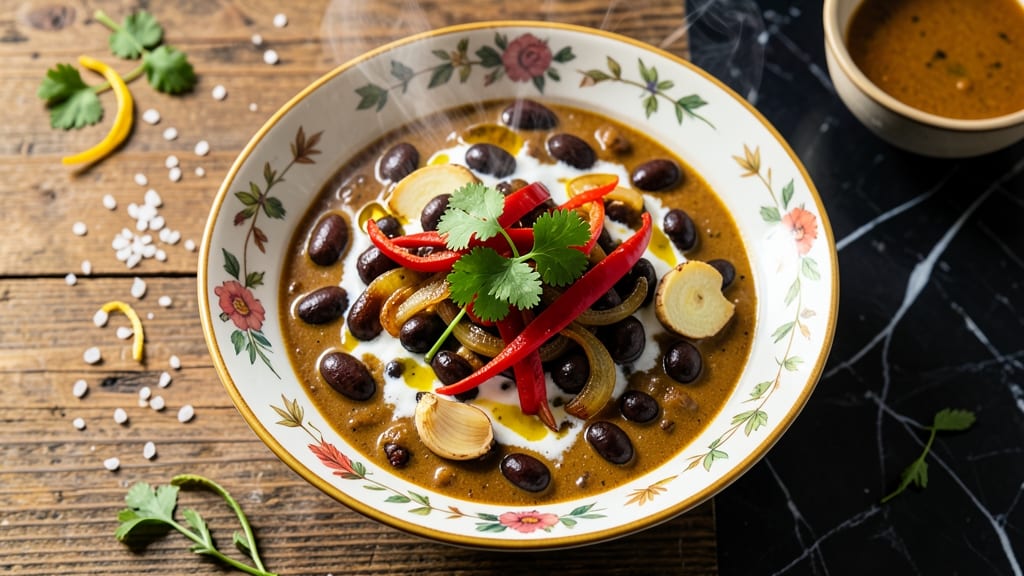
This vegan black bean curry delivers restaurant-quality depth with just plant-based ingredients and bold spices. The secret lies in toasting whole spices until fragrant, then simmering them with coconut milk and black beans until the flavors meld into a velvety, protein-rich sauce.
I’ve perfected this recipe over years of testing—it’s the one dish that converts even the most skeptical meat-eaters to plant-based meals.
The beauty of this curry is its balance: earthy cajun spices, creamy coconut milk, and tender black beans create a harmonious bite that’s both satisfying and nutritious.
Unlike many vegan dishes that rely on heavy cream or processed substitutes, this recipe builds flavor through whole-food ingredients—garlic, ginger, and a touch of lime brighten every spoonful. The slow simmer transforms simple ingredients into a dish that’s rich, aromatic, and impossible to resist.
By the time you’re done, you’ll have a curry so deeply flavorful it could be the centerpiece of any dinner table. The beans hold their shape while absorbing the spiced coconut sauce, and the dish pairs perfectly with basmati rice or warm naan.
It’s the kind of meal that feels indulgent yet stays light enough for a weeknight, proving vegan cooking can be both nourishing and extraordinary.
Ready to make it? The recipe is designed for flexibility—swap in sweet potatoes or spinach for extra texture, or adjust the heat level to your preference. Every component works together to create a curry that’s as visually appealing as it is delicious. Let’s get cooking.
Ingredients for black bean curry recipe vegan
Restaurant-quality vegan curry starts with these 15 thoughtfully chosen ingredients.
| Ingredient | Amount | Notes |
|---|---|---|
| Black Beans 🫘 | 1 ½ cups | Cooked or canned, drained and rinsed |
| Full-Fat Coconut Milk 🥥 | 13 ½ oz | Canned, no additives preferred |
| Cajun Seasoning 🌶️ | 2 tbsp | Homemade or store-bought blend |
| Garlic Cloves 🧄 | 4 cloves | Fresh, minced for aromatic depth |
| Fresh Ginger 🌿 | 1 tbsp | Finely grated, peel included |
| Yellow Onion 🧅 | 1 whole | Diced, medium size preferred |
| Tomato Paste 🍅 | 2 tbsp | San Marzano preferred for sweetness |
| Lime Juice 🍋 | 2 tbsp | Freshly squeezed, seeds removed |
| Vegetable Broth 💧 | 1 cup | Low-sodium preferred for balance |
| Extra-Virgin Olive Oil 🫒 | 2 tbsp | For toasting spices and sautéing |
| Ground Cumin 🌿 | 1 tsp | Toasted for enhanced aroma |
| Ground Coriander 🌿 | 1 tsp | Freshly ground preferred |
| Smoked Paprika 🌶️ | 1 tsp | For depth and smoky character |
| Salt 🧂 | ½ tsp | Diamond Crystal preferred |
| Fresh Cilantro 🌿 | ¼ cup | Chopped, for garnish and brightness |
The coconut milk is non-negotiable—full-fat only for that velvety texture. Thai Kitchen or Native Forest brands deliver consistent quality, but always check for additives. Black beans should be firm, not mushy; drained and rinsed removes excess sodium. Cajun seasoning is the flavor backbone—homemade blends with smoked paprika and cayenne offer superior depth, but Tony Chachere's works in a pinch. For the spices, Penzeys or bulk bins ensure maximum freshness—ground spices lose potency within months, so buy small amounts frequently.
No fresh ginger? Powdered works at half the amount, though it lacks the bright zing. Substituting onion powder for diced onion? Use one-third the quantity—it won’t replicate the caramelization. Vegetable broth can be swapped for water plus 1 tsp soy sauce for umami, though quality brands like Pacific Foods make this unnecessary. The tomato paste? San Marzano is worth the splurge—its sweetness balances the spices beautifully. For extra richness, stir in 1 tbsp nutritional yeast at the end, though it’s optional. Lime juice can be replaced with lemon juice at equal measure, though lime’s tartness is ideal.
This curry tastes even better the next day as flavors meld—portion into airtight containers and store for 5 days in the fridge. Freeze for up to 3 months by portioning into ziplock bags, leaving room to expand. Reheat gently on low heat, stirring occasionally, to preserve texture. The cilantro wilts quickly, so add it fresh at serving time. For meal prep, make a double batch—the extra reheats beautifully for lunches or quick dinners.
Why You'll Love This Recipe
- One-Pot Magic: I swear by this recipe—just toss everything into a pot, stir, and walk away. The black beans soften while the coconut milk and Cajun seasoning work their flavor magic, and honestly? That’s about it.
- Spice & Cream Dream: Between us, the combo of smoky Cajun, fresh ginger, and rich coconut milk is chef’s kiss. The black beans soak up all the flavor like a sponge, and that garlicky kick? It’s the kind of taste that sticks with you.
- Meal Prep MVP: This curry doubles perfectly and tastes even better the next day. I make a big batch on Sundays, and by Wednesday, it’s still my go-to—whether I’m reheating it for lunch or serving it over rice for a lazy dinner.
- Budget-Friendly Powerhouse: Black beans and coconut milk stretch this dish into a full meal without breaking the bank. I’ll be real: it’s the kind of recipe that makes me feel like I’m feeding a crowd, even when I’m just cooking for two.
Step-by-step instructions for black bean curry vegan
This rich, aromatic curry delivers deep coconut flavor and smoky warmth without a single animal product.
Toast the Spices for Maximum Aroma
Heat the 2 tablespoons extra-virgin olive oil in a large, heavy-bottomed pot over medium heat. Add the 2 tablespoons Cajun seasoning, 1 teaspoon ground cumin, 1 teaspoon ground coriander, and 1 teaspoon smoked paprika. Stir constantly for 1-2 minutes until the spices release their fragrance and the oil becomes fragrant.
Watch for the spices to darken slightly—that's when they're ready. This step develops their flavors before they meet the other ingredients. Remove the pot from heat immediately to prevent burning, then return it to the stove once you're ready to add the aromatics.
Sauté Onion, Garlic, and Ginger
With the pot back on medium heat, add the 1 whole yellow onion (diced) and cook for 5-6 minutes until the edges begin to soften and turn translucent. Add the 4 cloves garlic cloves (minced) and 1 tablespoon fresh ginger (finely grated), stirring for 30 seconds until the garlic becomes fragrant.
This is where the foundation of your curry builds. The onions should caramelize just slightly at the edges—this sweetness balances the spice. If they start to brown too quickly, reduce the heat to medium-low to prevent burning.
Build the Curry Base
Stir in the 2 tablespoons tomato paste and cook for 1 minute until it darkens slightly. Pour in the 1 cup vegetable broth and scrape up any browned bits from the bottom of the pot—this releases deep, savory flavors. Add the 1.5 cups black beans (drained and rinsed) and bring the mixture to a gentle simmer.
Let it cook for 5 minutes to allow the flavors to meld. The beans should begin to absorb the aromatic spices, and the base should thicken slightly. This is your flavor anchor—don't rush this step.
Simmer with Coconut Milk
Pour in the 13.5 ounces full-fat coconut milk, stirring gently to combine. Increase the heat to medium-low and let the curry simmer uncovered for 15-20 minutes, stirring occasionally. The sauce should thicken gradually, coating the back of a spoon.
Taste and adjust the seasoning with the 0.5 teaspoon salt and 2 tablespoons lime juice. The lime brightens the dish and balances the richness of the coconut. Simmer for another 5 minutes to let the flavors fully integrate.
Finish and Serve
Remove the pot from heat and stir in the 0.25 cup fresh cilantro (chopped). Let the curry rest for 5 minutes to allow the flavors to settle. Serve immediately over steamed rice or with warm naan, garnished with additional cilantro if desired.
The curry should be thick, fragrant, and deeply spiced, with a velvety coconut texture. Each bite should deliver layers of smoky, earthy, and citrusy flavors—proof that plant-based cooking can be just as rich and satisfying as traditional curries.
Pro Tips For Making Black Bean Curry Recipe Vegan
- Sauté the Aromatics Hard: Crank the heat to medium-high and cook the garlic and ginger until the edges of the ginger turn golden and the garlic is deep brown—almost crispy. This isn’t just about flavor; it’s where the real depth comes from. I used to rush this step, and the curry always tasted flat until I learned to let it go.
- Toast the Beans First: Before adding liquid, dry the black beans in a skillet for 3-4 minutes until they darken slightly. This caramelizes their natural sugars and makes the curry taste richer. Skip this, and you’ll miss out on that smoky, toasty base that holds everything together.
- Stir in Coconut Milk Slowly: Pour the full-fat coconut milk in a thin stream while stirring constantly—this prevents curdling and keeps the sauce silky. I’ve ruined batches by dumping it all at once, and the result was a lumpy mess. Take your time here.
- Balance the Cajun Seasoning: Taste the Cajun blend before adding it to the beans—it’s often saltier than you’d think. If you’re using store-bought, cut it in half and adjust to taste. I learned this the hard way after serving a curry that was more salty than spicy.
Storing and reheating this black bean curry recipe vegan
Fridge Storage Tips
Let your curry cool completely before transferring to an airtight glass container—I love using Pyrex with snap-on lids for easy reheating. Store in the fridge for up to 5 days, but the flavors actually deepen overnight as the spices meld.
The coconut milk may separate slightly, but a quick stir before reheating brings it back together beautifully. 💛
Freezer Prep
For longer storage, portion the curry into quart-sized ziplock bags, leaving 1 inch headspace to prevent expansion. Freeze for up to 3 months—just thaw overnight in the fridge before reheating.
I like to freeze individual servings so I can grab one straight from the freezer for busy weeknights. Label bags with the date to track freshness.
Reheating Methods
Stovetop reheating preserves texture best: transfer curry to a pot with 2 tablespoons water or broth, then simmer on low heat for 8-10 minutes, stirring occasionally. For microwave reheating, use 50% power for 2-3 minutes, then stir and continue in 30-second intervals until hot.
Always taste and adjust salt or lime juice after reheating—flavors concentrate during storage.
Texture Preservation
The beans absorb liquid when reheated, so add 1-2 tablespoons water or broth if the curry seems too thick. For extra richness, stir in 1 teaspoon coconut milk during reheating.
Avoid high heat—it can make the coconut milk separate permanently. The ideal reheated curry should be smooth, fragrant, and just as velvety as when first made. ✨
Garnish Refresh
Fresh cilantro wilts when reheated, so always add it fresh at serving time. A squeeze of lime juice or a sprinkle of smoked paprika can revive flavors if the curry tastes flat after storage.
For extra brightness, toss in chopped jalapeño or scallions—they add crunch and a fresh bite that cuts through the richness.
Meal Prep Hack
Double the batch and freeze half for future meals—this curry reheats perfectly for 3-4 lunches. I like to prep steamed rice or quinoa separately and store it in the same container for a complete meal.
Just reheat both components together, and you’ve got a ready-to-eat dinner in minutes. The key is portioning everything in single-serving containers to avoid leftovers. 💡
Nutrition facts
Frequently asked questions
Can I use canned black beans instead of dried?
This recipe works perfectly with canned black beans—just drain and rinse them thoroughly to remove excess sodium. For best texture, use low-sodium or no-salt-added varieties. The cooking time remains the same since canned beans are pre-cooked.
How can I make this curry spicier?
Add ½ teaspoon cayenne pepper or 1 chopped fresh chili (like jalapeño or serrano) when toasting the spices. For heat control, remove seeds from the chili first. You can also increase the Cajun seasoning by 1 extra tablespoon if you prefer a milder but still bold flavor.
What are the best sides to serve with this curry?
This curry pairs beautifully with steamed basmati rice, warm naan, or roasted sweet potatoes. For extra freshness, add a simple cucumber-raita (yogurt dip) or a side salad with lime dressing. The creamy coconut sauce balances well with crisp, fresh textures.
Can I make this curry without coconut milk?
Yes! Swap the coconut milk for 1 cup full-fat cashew cream (blend soaked cashews with water) or 1 cup vegetable broth + 2 tablespoons cornstarch for a lighter texture. The flavor will be less rich, but still delicious. For a dairy-free alternative, use coconut yogurt (thinned with water) for a tangy twist.
Why did my curry separate when reheating?
Coconut milk naturally separates when heated too quickly. To fix it, stir in 1 teaspoon coconut milk powder or whisk vigorously with a splash of hot water. For prevention, reheat on low heat and stir frequently. The curry should be smooth and velvety when fully reheated.