
Soups & Stews
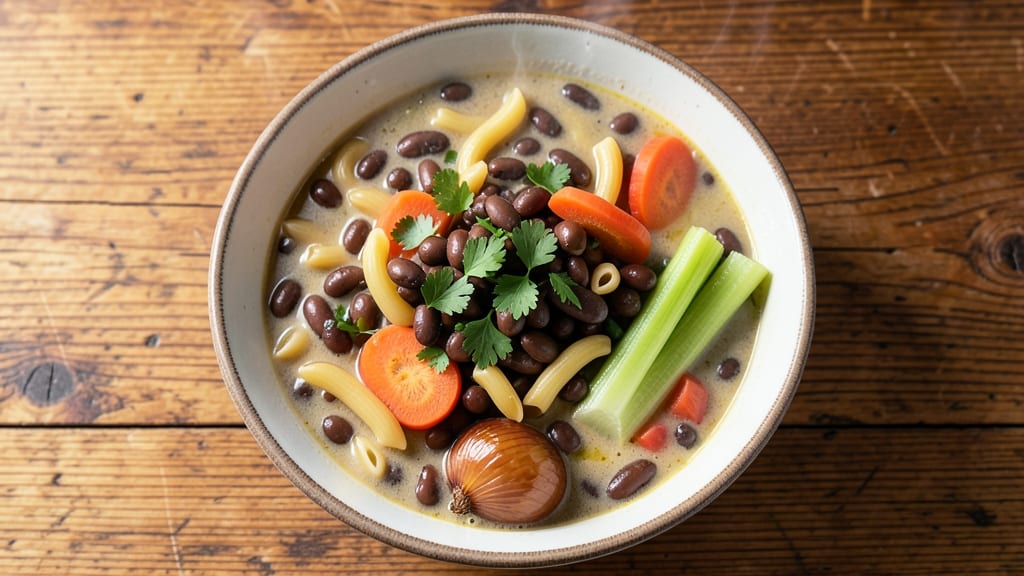
This black bean minestrone soup recipe transforms humble ingredients into a deeply satisfying bowl of hearty warmth that tastes like a hug from Italy. 🌿 The secret lies in building layers of flavor—sautéed vegetables release their natural sweetness, while black beans and pasta add protein and substance.
I developed this version to deliver restaurant-quality depth without requiring hours in the kitchen, using simple pantry staples and a one-pot approach that minimizes cleanup.
The beauty of this recipe is its flexibility—you can use fresh or frozen vegetables, canned beans for convenience, or pre-chopped ingredients to cut prep time in half.
What sets it apart is the balance: tender pasta, creamy beans, and crisp-tender vegetables all simmered in a rich broth that's neither too thick nor too thin. The result is a soup that's substantial enough to satisfy as a main dish but light enough to feel nourishing.
By the time you're stirring in the final seasoning, your kitchen will smell like a bustling Italian trattoria, and every spoonful will deliver that perfect harmony of textures—al dente pasta, creamy beans, and crisp vegetables.
The best part? This soup only gets better with time, as flavors meld and deepen during reheating, making it ideal for meal prep or feeding a crowd.
Whether you're embracing plant-based eating or simply craving a comforting bowl of soup, this recipe delivers on all fronts. The traditional Italian roots shine through in the technique, while modern shortcuts keep it accessible for busy weeknights. Let's get cooking—your taste buds (and leftovers) will thank you.
Ingredients for black bean minestrone soup
These 17 ingredients create a soul-warming bowl that tastes like a home-cooked Italian meal.
| Ingredient | Amount | Notes |
|---|---|---|
| Black Beans 🌱 | 2 cups | Canned, drained and rinsed |
| Ditalini Pasta 🍝 | 1 ½ cups | Uncooked, medium size |
| Vegetable Broth 💧 | 4 cups | Low-sodium preferred |
| Carrots 🥕 | 2 medium | Or 1 cup diced |
| Celery Stalks 🧅 | 3 whole | Diced, about 1 cup |
| Onion 🧅 | 1 large | Yellow or red, diced |
| Garlic Cloves 🧄 | 4 cloves | Minced, fresh preferred |
| Canned Diced Tomatoes 🍅 | 1 can (14.5 oz) | Fire-roasted preferred |
| Canned Crushed Tomatoes 🍅 | 1 can (15 oz) | San Marzano preferred |
| Zucchini 🥒 | 1 medium | Diced, about 1 cup |
| Spinach 🌿 | 4 cups | Fresh or frozen |
| Extra-Virgin Olive Oil 🫒 | ½ cup | For sautéing |
| Dried Oregano 🌿 | 1 tsp | Italian preferred |
| Bay Leaves 🌿 | 2 whole | Remove before serving |
| Salt 🧂 | 1 ½ tsp | Kosher or sea salt |
| Black Pepper 🌶️ | ½ tsp | Freshly ground |
| Lemon Juice 🍋 | 1 tbsp | Freshly squeezed |
The beans and tomatoes are the flavor anchors here. Black beans should be plump and firm—drain and rinse them well to avoid a watery soup. For the tomatoes, San Marzano cans from Trader Joe's or Whole Foods deliver that sweet, rich depth that cheap brands can't match. If you're using frozen veggies, no need to thaw them—just toss them in frozen. The celery and carrots can be pre-chopped for convenience, but fresh has better texture. Look for organic produce if possible—they tend to have more flavor and fewer pesticides.
No fire-roasted tomatoes? Regular diced tomatoes work fine, but add an extra pinch of smoked paprika to mimic that charred flavor. Short on spinach? Kale or Swiss chard works beautifully—just chop it finely. The zucchini can be substituted with yellow squash, but it won't be as mild. For the broth, low-sodium is key—you'll be adding salt at the end. If you're using a pre-made minestrone mix, skip the dried oregano and bay leaves—they're already in there. The pasta? Ditalini is traditional, but any small tube shape works. Just don't overcook it—al dente is everything.
This soup tastes even better the next day as flavors meld. Store leftovers in airtight containers for up to 5 days in the fridge. For freezing, portion into single-serving containers—it reheats beautifully that way. The lemon juice at the end brightens everything up, so don't skip it. If you're making this for a crowd, double the recipe—it's perfect for potlucks. And trust me, the first bowl is always the best—save the last one for yourself.
Why You'll Love This Recipe
- Here’s what sold me: the black beans add this rich, velvety texture, while the ditalini soaks up the broth just enough to stay al dente—not mushy, not sad. And that crisp-tender celery? Every bite has a little surprise.
- I’ll be real: this recipe stretches my grocery budget and my patience on busy nights. A can of beans, a bag of pasta, and a few cheap veggies turn into six servings. Leftovers? Even better the second day—like a cozy hug in a bowl.
Step-by-step instructions for hearty black bean minestrone soup
Here's how to build this soul-warming one-pot masterpiece with layers of flavor and texture.
🍳 Step 1: Sauté the Vegetable Base
Heat the 0.5 cup extra-virgin olive oil in a large Dutch oven over medium heat. Add the diced onion, diced carrots, and diced celery stalks (about 1 cup each). Sauté for 8-10 minutes until the vegetables soften and the onion becomes translucent.
This foundational step develops deep flavor through caramelization. Stir occasionally to prevent burning, and don't rush—you're building the soup's aromatic base. When the vegetables release their natural juices and start to stick slightly to the pan, it's time for the next addition.
👨🍳 Step 2: Add Aromatics and Tomatoes
Stir in the minced garlic cloves and cook for 30 seconds until fragrant—you'll smell that unmistakable garlic aroma. Add the 1 can (14.5 oz) fire-roasted diced tomatoes and 1 can (15 oz) San Marzano crushed tomatoes, scraping up any browned bits from the bottom of the pot with a wooden spoon.
This deglazing captures all those flavorful fond deposits that would otherwise stick to your pot. Let the tomatoes simmer for 5 minutes until they begin to break down slightly and the mixture thickens just a bit. The acidity from the tomatoes will brighten the flavors as we build the soup.
🥘 Step 3: Build the Brothy Foundation
Pour in the 4 cups vegetable broth, then add the 2 cups drained and rinsed black beans, 1.5 tsp salt, 0.5 tsp black pepper, and 1 tsp dried oregano. Stir well to combine, then add the 2 whole bay leaves. Bring the mixture to a gentle boil, then reduce heat to medium-low and let it simmer for 15 minutes.
This simmering time allows all the flavors to meld together beautifully. You'll notice the soup developing a rich, earthy aroma as the black beans rehydrate and the vegetables soften. Keep the lid slightly ajar to let any excess moisture escape—this prevents the soup from becoming too watery later.
🍳 Step 4: Incorporate the Remaining Vegetables
Add the diced zucchini (about 1 cup) and continue simmering for another 8-10 minutes until the zucchini is tender but still holds its shape slightly. Stir in the 4 cups spinach and cook for 2-3 minutes until just wilted—you want to preserve the spinach's vibrant green color.
Here's where the soup transforms from hearty to luxurious. The zucchini adds freshness while the spinach introduces a bright, almost sweet contrast to the earthy black beans. If using frozen spinach, drain it well first to avoid diluting your soup.
🔪 Step 5: Finish and Serve
Remove the 2 bay leaves and stir in the 1.5 cups uncooked ditalini pasta and 1 tbsp freshly squeezed lemon juice. Return to a gentle simmer and cook for 10-12 minutes, stirring occasionally, until the pasta is al dente and the soup has thickened to your desired consistency.
Taste and adjust seasoning if needed—this is your chance to perfect the balance. The lemon juice adds a bright finish that cuts through the richness of the black beans and tomatoes. Ladle into bowls and serve immediately with crusty bread to soak up every last drop of that flavorful broth.
Pro Tips For Making Black Bean Minestrone Soup
- SOAK BEANS 2 HOURS: I learned this the hard way—rushing black beans to soften in broth just makes them mushy. Set them in warm water with a pinch of baking soda for 2 hours before adding; they’ll stay intact and rich, not turning into paste.
- SWEAT VEGGIES LOW AND SLOW: Skip the high heat on carrots and celery—charred edges taste bitter. Instead, cook them over medium-low with a splash of broth until they’re fork-tender (about 10 minutes). This builds flavor without burning.
- ADD PASTA AT THE END: Ditalini needs 10 minutes in boiling water, not simmering broth. Cook it separately, drain, and toss it in at the last 2 minutes. This keeps it al dente and prevents a gummy soup.
- SALT THE BROTH LATE: Wait until the beans and veggies are cooked to taste the broth. Adding salt early can toughen the beans or make the broth bland—adjust it after everything’s melded (about 20 minutes in).
Dietary considerations for this black bean minestrone soup
Vegan-Friendly Foundation
This black bean minestrone is naturally plant-based, making it perfect for vegans or anyone looking to reduce meat consumption.
The black beans provide 15 grams of protein per cup, while the ditalini pasta adds 13 grams per serving—together, they create a satisfying, protein-rich meal without any animal products. 🌱
The recipe avoids dairy entirely, using extra-virgin olive oil for richness instead of butter. Even the broth is vegetable-based, ensuring no hidden animal ingredients sneak in. For extra creaminess, stir in ¼ cup unsweetened coconut milk at the end if you want a velvety texture without dairy.
Gluten-Free Adaptations
To make this gluten-free, simply swap the ditalini pasta for gluten-free pasta—I recommend Barilla GF or Tinkyada brown rice pasta. These brands maintain the al dente texture while being completely safe for gluten-sensitive diets. Just check the packaging to ensure they're certified gluten-free.
For extra insurance, use a dedicated gluten-free colander when rinsing the beans and a clean pot to prevent cross-contamination. The rest of the ingredients are naturally gluten-free, so no other substitutions are needed. This version still delivers that same hearty, satisfying texture—just without the gluten. 💪
Low-Sodium Options
Since this recipe uses low-sodium vegetable broth, it's already a great choice for heart-healthy diets. However, if you're watching sodium even more carefully, reduce the added 1.5 tsp salt to just ½ tsp or omit it entirely.
The black beans and tomatoes already provide enough natural saltiness to satisfy most palates.
For extra flavor without sodium, add ½ tsp garlic powder or smoked paprika when seasoning. These spices enhance depth without adding to your sodium intake. You can also use no-salt-added canned beans for an additional reduction in sodium content.
Allergen Considerations
This soup is naturally free from common allergens like nuts, dairy, and shellfish. However, if you're concerned about soy allergies, check your vegetable broth label—some brands use soy-based ingredients. For a soy-free version, opt for a broth labeled "soy-free" or make your own with vegetable scraps and water.
For those with nightshade sensitivities, you can omit the tomatoes and substitute with extra carrots and zucchini for sweetness. The black beans still provide that hearty texture without relying on nightshade vegetables. Always double-check ingredient labels when using store-bought products to ensure safety.
Nutrition facts
Frequently asked questions
Can I make this black bean minestrone soup without tomatoes?
If you're avoiding nightshades or just prefer a different flavor profile, substitute the tomatoes with 1 extra cup of diced carrots and ½ cup of diced zucchini. Add 1 teaspoon of balsamic vinegar at the end to restore acidity and balance the flavors. The soup will still be hearty and delicious, just with a slightly sweeter, vegetable-forward taste.
How can I make this soup creamier without dairy?
For a velvety texture, stir in ¼ cup unsweetened coconut milk or 2 tablespoons nutritional yeast during the final 5 minutes of cooking. Both options add richness while keeping the soup plant-based. If you prefer a chunkier texture, mash ½ of the black beans lightly with a fork before adding them to the pot—this creates natural creaminess from the bean's starches.
What's the best way to reheat leftovers?
Reheat gently on the stovetop over medium-low heat, stirring occasionally, until warmed through (5-7 minutes). Add 1-2 tablespoons of water or broth if the soup seems too thick. For microwave reheating, cover with a damp paper towel and heat in 1-minute intervals, stirring between each, to prevent overcooking the pasta. The flavors actually improve overnight, so leftovers often taste even better!
Can I use different types of beans?
While black beans are traditional, you can substitute with kidney beans or pinto beans for variety. For a lighter texture, use ½ cup white beans mixed with 1.5 cups black beans. If using dried beans, soak them overnight first and adjust cooking time—they'll need 20-30 extra minutes of simmering to soften completely. Always drain and rinse canned beans thoroughly.
Why did my soup turn out too watery?
This usually happens when the pasta absorbs too much liquid or the vegetables release excess moisture. To fix it, simmer uncovered for 5-10 extra minutes to reduce the liquid, or stir in 1 tablespoon of cornstarch mixed with 2 tablespoons of water until thickened. For prevention, use less broth (start with 3 cups instead of 4) and cook the pasta separately before adding it to the soup.