
Soups & Stews
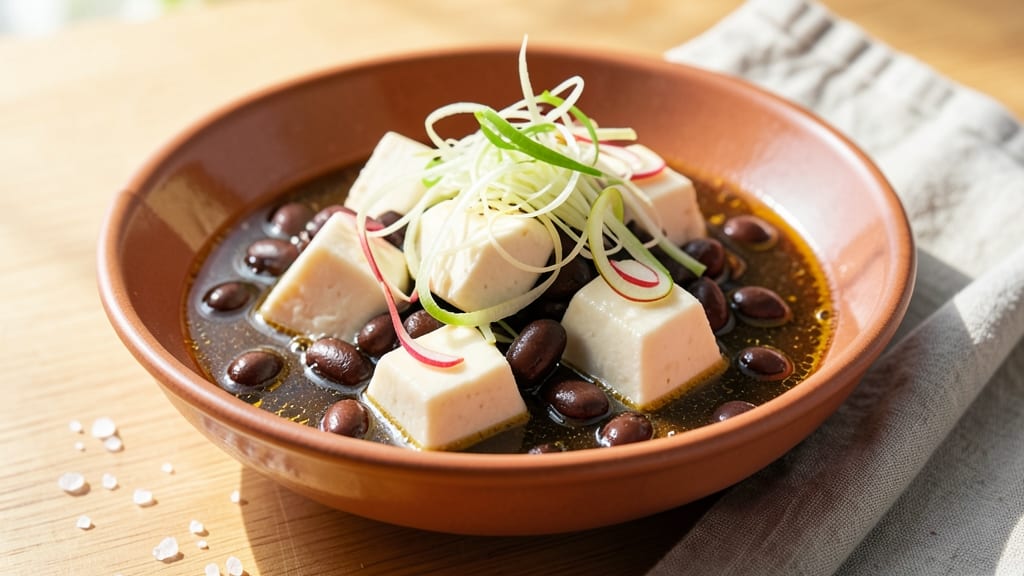
This black bean and miso soup delivers umami-packed comfort in every steaming bowl, blending rich fermented flavors with hearty texture. The miso paste creates deep, savory complexity while black beans add plant-based protein and satisfying heft.
What makes this recipe special is how simple ingredients—like garlic, ginger, and tofu—come together to create a restaurant-quality bowl that’s ready in under 30 minutes.
The beauty of this soup lies in its balance: the miso provides that signature umami punch, the black beans add substance, and the tofu offers a silky contrast. I developed this recipe to be both nourishing and deeply satisfying, perfect for chilly evenings when you crave something warm yet light.
The broth simmers until rich and flavorful, while the toppings—like scallions and sesame seeds—add freshness and texture.
By the time you’re done, you’ll have a bowl of soup that’s comforting yet sophisticated, with layers of flavor that keep you reaching for seconds. The miso’s fermented depth pairs perfectly with the beans’ earthiness, creating a harmony that’s both familiar and exciting.
Serve with steamed rice or a simple green salad to round out the meal—this soup stands alone but works beautifully as part of a larger spread.
What’s most impressive is how versatile this recipe is. Use white or red miso depending on your flavor preference, or swap in edamame for extra protein. The technique is straightforward, but the result feels like a carefully crafted dish. Let’s get cooking—your taste buds will thank you.
Ingredients for black bean miso
Pantry staples and fresh aromatics create this umami-rich, hearty black bean miso soup.
| Ingredient | Amount | Notes |
|---|---|---|
| Black Beans 🌿 | 1 ½ cups | Canned, drained and rinsed |
| White Miso Paste 🧂 | 3 tbsp | High-quality, preferably organic |
| Vegetable Broth 💧 | 4 cups | Low-sodium preferred |
| Firm Tofu 🍲 | 1 lb | Extra-firm, pressed and cubed |
| Garlic Cloves 🧄 | 4 cloves | Freshly minced |
| Fresh Ginger 🌿 | 1 tbsp | Grated, peeled |
| Sesame Oil 🫒 | 1 tbsp | Toasted for aroma |
| Scallions 🧅 | 3 whole | Sliced, for garnish |
| Toasted Sesame Seeds 🌾 | 1 tbsp | For garnish |
| Red Bell Pepper 🍅 | ½ cup | Diced, optional for crunch |
| Olive Oil 🫒 | 1 tbsp | Extra-virgin for cooking |
| Sea Salt 🧂 | 1 tsp | Diamond Crystal preferred |
| Black Pepper 🌶️ | ½ tsp | Freshly ground |
The miso paste is where the magic happens—look for high-quality white miso at Asian markets or health food stores like Whole Foods or Trader Joe's. Their fermented depth makes this soup taste restaurant-worthy. For the tofu, extra-firm is non-negotiable—it holds shape better when cubed. Press it for 15 minutes before cooking to remove excess water. The black beans? Canned is fine, but if you can find dried, soak overnight for deeper flavor. Fresh ginger and garlic are essential—they brighten the rich miso flavor and cut through the umami.
No white miso? Red miso works too, though it'll be slightly sweeter. Short on tofu? Swap in extra black beans or edamame for protein. The sesame oil adds aroma, but if you're sensitive to its taste, toasted sesame seeds alone still give that nutty punch. Bell pepper adds crunch, but skip it if you prefer a smoother texture. For the broth, homemade is best, but even a good low-sodium store-bought version works in a pinch. The scallions and sesame seeds? Always garnish—they add freshness and visual appeal that makes this dish feel special.
This soup tastes even better the next day—flavors meld beautifully when refrigerated. Store in an airtight container for 4-5 days, or freeze portions for up to 3 months. I like to double the recipe and freeze half—perfect for lazy weeknight dinners. To reheat, warm gently on the stove with a splash of water to restore creaminess. Serve with steamed rice or crusty bread to soak up every last bit of that umami-packed broth.
Why You'll Love This Recipe
- No-Cook Shortcut: I swear by this when I’m too tired to chop much. Just drain those black beans, toss in the miso paste and broth, and let the garlic and tofu soak up all the umami while you do nothing. Five minutes of stirring, and you’ve got a meal that feels intentional.
- Umami Bomb: That white miso paste? It’s the MVP here—deep, salty, and a little funky in the best way. The black beans add earthiness, and when you press those garlic cloves into the tofu cubes before adding them, the flavor explodes in your mouth. Honestly, my picky eaters ask for seconds.
- Weeknight to Potluck: This dish is my go-to for everything: a lazy Tuesday dinner, a last-minute potluck dish, or even a quick lunch when I’m starving. Double the batch, and it’s still just as good reheated—plus, the tofu holds up perfectly if you’re prepping ahead.
- Budget-Friendly Powerhouse: Black beans and tofu are my wallet’s best friends, and miso paste stretches a long way. A single jar of miso and a can of beans feed my family for days, and the broth? Just water, bouillon, and a pinch of salt. Filling, flavorful, and won’t break the bank.
Step-by-step instructions for black bean and miso soup
This umami-rich soup comes together in one pot with minimal effort but maximum flavor.
Sauté Aromatics and Prepare the Tofu
Heat the 1 tablespoon olive oil in a large pot over medium heat. Add the 4 cloves minced garlic cloves and 1 tablespoon grated fresh ginger, cooking for 2-3 minutes until fragrant and just beginning to color. This step builds the aromatic foundation that carries through the entire soup.
While the aromatics cook, press the 1 lb firm tofu between two paper towels or clean kitchen towels for 15 minutes to remove excess moisture. Cut the pressed tofu into ½-inch cubes—this size ensures even cooking and easy incorporation into the broth. Set aside until ready to add.
Build the Umami Base with Miso and Beans
Reduce the heat to low and stir in the 3 tablespoons white miso paste using a wooden spoon. The miso should dissolve smoothly into the oil, creating a rich, savory paste. Here's the thing—don't let it brown or burn; keep the heat gentle to preserve the delicate flavors.
Add the 1.5 cups drained and rinsed black beans to the pot and stir to coat them in the miso mixture. Pour in the 4 cups vegetable broth and bring the soup to a gentle simmer. Let it cook uncovered for 10 minutes to allow the miso to fully integrate and the flavors to meld together. You'll notice the soup deepening in color and aroma—this is your cue that the base is developing properly.
Add Tofu and Vegetables for Texture
Gently add the cubed tofu to the simmering soup and stir lightly to distribute it evenly. Toss in the ½ cup diced red bell pepper (if using) and continue simmering for another 8-10 minutes until the tofu is heated through and the bell pepper softens slightly. The tofu should float just below the surface—if it rises quickly, give the pot a gentle stir to keep it submerged.
Season with 1 teaspoon sea salt and ½ teaspoon freshly ground black pepper, then taste. The miso already provides significant saltiness, so adjust carefully—you're aiming for a balance where the umami shines without being overpowering. If the soup seems too thick, add ½ cup water to reach your desired consistency.
Finish with Sesame Oil and Garnishes
Remove the pot from heat and stir in the 1 tablespoon toasted sesame oil. This final touch adds a nutty aroma and subtle richness that elevates the entire dish. The sesame oil should be swirled in gently to avoid creating a greasy layer on top.
Ladle the soup into bowls and garnish each serving with sliced scallions and 1 teaspoon toasted sesame seeds. The contrast of the fresh scallions against the deep umami flavors and the crunch of the sesame seeds add beautiful texture and visual appeal. Serve immediately while the broth is hot and the aromas are at their peak—this soup tastes best enjoyed fresh from the pot.
Optional Crispy Tofu Topping (For Extra Texture)
For an added layer of texture, pan-fry a portion of the tofu cubes separately before adding them to the soup. Heat 1 tablespoon sesame oil in a non-stick skillet over medium-high heat until shimmering. Add the tofu cubes in a single layer and cook for 3-4 minutes per side until golden brown and crispy. Drain on paper towels, then sprinkle with a pinch of sea salt before placing on top of each bowl of soup. This crispy tofu adds a delightful contrast to the silky broth.
Pro Tips For Making Black Bean Miso
- CRANK THE HEAT FIRST: The miso paste needs to sing, not simmer. Start your broth on high heat until it’s rolling—this prevents the miso from clumping like a sad, grainy paste. After 30 seconds, drop it to medium-low. I learned this the hard way when my first batch turned into miso soup glue.
- SOAK THE BEANS LONG: Skip the canned shortcut—soak dried black beans overnight (or at least 8 hours). Rinsed and drained, they’ll break down evenly in the broth, giving you that creamy texture without the mushy mess. (Yes, even if you’re impatient like me.)
- STIR THE MISO IN: Don’t just dump the miso paste and walk away. Whisk it into the hot broth gradually while stirring constantly—this keeps it smooth and prevents bitter chunks. If you’re lazy, at least use a fork and work it like you’re defusing a bomb.
- CUBE THE TOFU DRY: Pat the tofu completely dry before cubing—it’ll absorb less broth and stay firm. Toss the cubes in a tiny bit of oil or cornstarch if you’re worried about sogginess. (Your future self will thank you when the tofu holds its shape.)
Make-ahead tips for this black bean miso
Prep Ahead for Flavor
I always prep the miso paste and aromatics the night before—simply mix the 3 tbsp white miso with 1 tbsp sesame oil in a small bowl and refrigerate. The miso's flavors intensify when chilled, giving your soup an extra-deep umami punch.
Store the pre-mixed paste in an airtight container with the lid slightly ajar to prevent condensation buildup. 💛
Freezer-Friendly Base
Make a big batch of the soup base (everything except tofu and garnishes) and freeze it in quart-sized freezer bags. When ready to serve, thaw overnight in the fridge, then add fresh tofu and reheat gently.
The miso's flavor actually improves after freezing, making this a perfect lazy dinner solution. I like to label bags with the date—this soup stays delicious for up to 3 months.
Tofu Prep Shortcut
Press and cube the 1 lb firm tofu the day before and store it in the fridge submerged in water in a sealed container. This keeps it fresh and ready to cook.
When you're ready to make the soup, simply drain and pat dry before cubing. Pro tip: Add ½ tsp apple cider vinegar to the water to help maintain texture during storage. ✨
Broth Boost
For extra depth, make a big batch of vegetable broth (or use store-bought) and freeze it in ice cube trays. Once frozen, transfer the cubes to a freezer bag. When making the soup, just toss in 16-20 cubes (about 4 cups) instead of measuring liquid.
This method prevents waste and keeps your broth ready for quick use. 🌡️
Garnish Prep
Slice the 3 scallions and toast the 1 tbsp sesame seeds ahead of time. Store them separately in small containers or jars.
The sesame seeds can be toasted up to 3 days ahead and kept in an airtight container—they'll stay fresh and ready to add that nutty crunch to your soup. Fresh scallions last 5-7 days in the fridge when stored properly.
Reheating Secrets
When reheating, always add 2-3 tbsp water per serving to prevent the miso from thickening too much. Warm the soup over low heat for 5-7 minutes, stirring occasionally.
If you're reheating from frozen, give it 10-12 minutes to ensure even heating. The key is patience—the miso needs time to rehydrate properly for that rich, velvety texture. 💡
Nutrition facts
Frequently asked questions
Can I substitute red miso for white miso in this recipe?
Yes, you can use red miso instead of white! Red miso has a slightly sweeter, deeper flavor profile, which works beautifully with black beans. Just reduce the amount to 2 tablespoons since red miso is more concentrated. The soup will have a richer, more complex umami character that pairs wonderfully with the beans' earthiness.
How do I prevent the miso from making the soup too salty?
Miso is naturally salty, so taste as you go! Start with 2 tablespoons instead of 3, then adjust to preference. The black beans and tofu help balance the saltiness, so don't be afraid to use less miso if needed. You can always add a splash of water to dilute the broth if it's too intense.
What's the best way to store leftovers?
Store in an airtight container in the fridge for 4-5 days or freeze for up to 3 months. When reheating, add 2-3 tablespoons water per serving to maintain the creamy texture. The flavors actually deepen overnight, making it even more delicious the next day!
Can I make this soup without tofu?
Swap the tofu for ½ cup extra black beans or ½ cup cooked edamame for protein. For texture, try adding ½ cup diced mushrooms or ½ cup chickpeas. The soup will still be hearty and flavorful—just adjust cooking time if using denser ingredients like chickpeas.
Why does my miso soup sometimes taste bitter?
Bitter notes can come from overheating the miso or using low-quality paste. Always dissolve miso over low heat to preserve its delicate flavors. Use high-quality miso (preferably organic) and avoid boiling—simmer gently instead. Fresh ginger and garlic help balance any bitterness, so make sure they're cooked until fragrant but not burnt.