
Soups & Stews
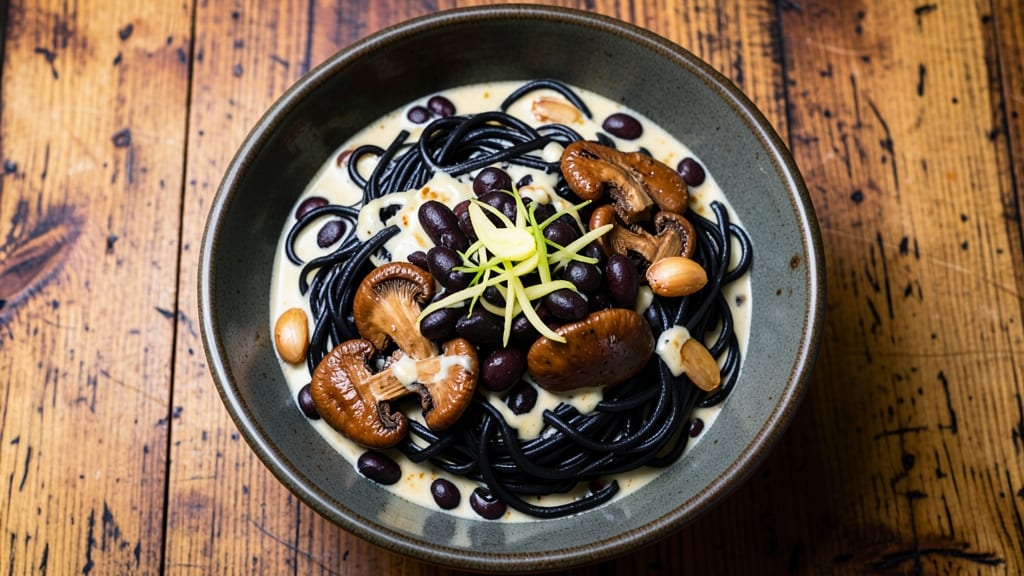
This black bean ramen noodles recipe transforms a classic comfort dish into a protein-rich, umami-packed vegan masterpiece. 💛 The secret lies in a rich black bean broth—deep, savory, and infused with mushrooms, garlic, and miso—that replaces traditional pork-based stocks while delivering restaurant-quality depth.
What sets this apart is the balance of textures: silky noodles, tender black beans, and crisp vegetables that turn every bite into a harmonious experience.
The recipe builds on traditional ramen techniques with modern twists, starting with a base of black beans simmered with aromatics to create a thick, velvety broth. We’ll incorporate shiitake mushrooms for earthy umami, miso paste for complexity, and coconut milk for a subtle creaminess that rounds out the flavors.
The noodles cook perfectly al dente, absorbing just enough of the flavorful broth to become irresistibly tender.
What you’ll end up with is a bowl that’s as satisfying as it is nutritious—packed with plant-based protein, fiber-rich ingredients, and layers of savory flavor that linger with every sip.
The dish is customizable: add crisp greens for freshness, tofu for extra protein, or a soft-boiled egg if you’re not fully committed to vegan. It’s the kind of ramen that proves plant-based eating can be deeply comforting and utterly delicious.
Perfect for weeknight dinners or meal prep, this recipe delivers restaurant-quality results in under an hour. The broth can be made ahead, so all you’ll need to do on busy nights is reheat and assemble. Let’s get cooking—your taste buds (and your conscience) will thank you.
Ingredients for black bean ramen noodles
Fifteen simple yet powerful ingredients create this umami-rich, protein-packed vegan ramen masterpiece.
| Ingredient | Amount | Notes |
|---|---|---|
| Black Beans 🫘 | 1 ½ cups | Dried, soaked overnight or canned, drained |
| Dried Shiitake Mushrooms 🍄 | 8 whole | Rehydrated in hot water |
| White Miso Paste 🧈 | 2 tbsp | High-quality, fermented |
| Full-Fat Coconut Milk 🥥 | 1 cup | Canned, for creaminess |
| Garlic Cloves 🧄 | 6 cloves | Freshly minced, aromatic |
| Fresh Ginger 🌿 | 1 tbsp | Finely grated, zesty |
| Ramen Noodles 🍜 | 2 packages | Fresh or dried, al dente |
| Green Onions 🧅 | 3 whole | Thinly sliced, for garnish |
| Sesame Oil 🫒 | 1 tsp | Toasted, for aroma |
| Vegetable Oil 🫒 | 2 tbsp | Neutral, for cooking |
| Red Bell Pepper 🌶️ | 1 whole | Thinly sliced, for crunch |
| Kosher Salt 🧂 | 1 ½ tsp | Adjust to taste |
| Black Pepper 🌶️ | ½ tsp | Freshly cracked |
| Sesame Seeds 🌾 | 1 tsp | Toasted, for garnish |
| Lime Juice 🍋 | 1 tbsp | Freshly squeezed |
The black beans are the heart of this dish—dried is ideal for deeper flavor, but canned works in a pinch (just rinse well). Trader Joe's has the best organic dried beans, but any store-brand will do. Shiitake mushrooms are non-negotiable for that deep umami—dried shiitake rehydrates beautifully and lasts months in the pantry. For the miso, Miso Master or Marukome brands deliver that fermented richness. Fresh ginger and garlic? Buy organic if possible—they make all the difference when minced fresh. The coconut milk should be full-fat for that velvety texture, and Thai Kitchen cans are my go-to for consistency.
No dried shiitake? Fresh shiitake or cremini mushrooms work, but reduce the amount to 4 ounces. Short on miso? Soy sauce plus a pinch of sugar mimics some of the depth, though it won’t be identical. The ramen noodles can be fresh or dried—just check the package for al dente cooking times. For extra protein, add firm tofu cubes (pan-fried with a pinch of salt). The red bell pepper adds crunch, but julienned carrots or cucumber work just as well. Lime juice is key for brightness—Mexican limes have more punch than regular, but any fresh lime will do.
This broth keeps for 5 days in the fridge, and the flavors actually deepen overnight. Freeze portions for up to 3 months—just thaw in the fridge before reheating. The noodles are best served fresh, but you can cook them ahead and reheat in the broth for 30 seconds. Garnishes like sesame seeds and green onions stay fresh for 5 days in the fridge, wrapped in a damp paper towel. Double the batch—this ramen disappears fast, and leftovers taste even better the next day.
Why You'll Love This Recipe
- No-Soaking Needed: I’ll admit, I was skeptical about dried shiitakes—until I realized you just rinse them and toss them in hot water for 10 minutes. That’s it. No waiting overnight, no fuss. The beans? Just drain and rinse from a can. Five minutes of prep, and you’re golden.
- Umami Bomb: Here’s what sold me—the miso and coconut milk combo. That white miso paste? It’s like a warm hug for your taste buds, deep and savory, while the coconut milk smooths it out into something dangerously rich. Add the shiitakes, and suddenly, you’ve got a broth that tastes like it simmered for hours.
- Leftover Hero: Between us, this recipe begs to be made in bulk. The flavors actually get better the next day—yes, really. I’ll make a big batch on Sunday, portion it out, and reheat it for lunches all week. The noodles stay tender, and the broth? Even more concentrated and delicious.
- Budget Flex: I’m not kidding when I say this feeds four for under $10. Canned beans, dried mushrooms, a block of miso—these are pantry staples that won’t break the bank. And because it’s so hearty, you won’t find yourself ordering takeout when you’re too tired to cook.
Step-by-step instructions for black bean ramen noodles
Here's how to build a rich, umami-packed ramen broth with protein-rich black beans and deep flavor layers.
🍳 Step 1: Rehydrate and Prepare the Shiitake Mushrooms
Start by rehydrating the 8 whole dried shiitake mushrooms—this will form the base of your flavor foundation. Place them in a small bowl and cover with hot water for 20-30 minutes until softened. While they soak, finely mince the 6 cloves garlic and grate the 1 tbsp fresh ginger. The mushrooms should expand dramatically, releasing their earthy, savory essence into the water.
Drain the mushrooms, reserving the soaking liquid (about ½ cup). Finely chop the rehydrated mushrooms and set aside. This step is crucial—shiitakes contribute a deep umami that elevates the entire dish. If using canned mushrooms, drain them thoroughly and chop to similar size for consistency.
🥘 Step 2: Build the Umami-Packed Broth Base
Heat 2 tbsp vegetable oil in a large pot over medium heat. Add the chopped shiitake mushrooms and cook for 3-4 minutes until they release their moisture and begin to brown. Add the minced garlic and grated ginger, cooking for 1 minute until fragrant—this prevents harsh flavors from overpowering your broth.
Stir in the 1.5 cups black beans (if using dried, they should be pre-soaked) and the 2 tbsp white miso paste, mixing well to coat everything in that fermented depth. Pour in 4 cups water (or the reserved mushroom soaking liquid plus water to make 4 cups total) and bring to a gentle simmer. Let it cook uncovered for 15 minutes, stirring occasionally, until the beans are tender and the flavors meld together. Here's where the magic happens—the miso and beans create a naturally rich, protein-packed base.
🔥 Step 3: Enhance with Coconut Milk and Aromatics
Reduce heat to low and stir in the 1 cup full-fat coconut milk. Add the 1 whole red bell pepper (sliced into thin strips) and 1.5 tsp kosher salt, letting everything simmer gently for 10 minutes. The coconut milk adds creamy richness while balancing the earthy mushrooms and beans. Taste and adjust seasoning—you might want to add more salt or a pinch of black pepper at this stage.
While the broth simmers, prepare the 2 packages ramen noodles according to package instructions, but undercook by 1 minute (they'll finish in the hot broth). Drain and set aside. The key here is maintaining the broth's integrity—don't let it boil vigorously, which can break down the delicate flavors you've built.
🥘 Step 4: Assemble and Finish with Fresh Elements
Divide the cooked ramen noodles among 4 bowls. Ladle the hot broth over the noodles, ensuring each serving gets an even distribution of mushrooms, beans, and bell pepper. Drizzle each bowl with 1 tsp sesame oil and finish with 1 tbsp lime juice, 1 tsp toasted sesame seeds, and thinly sliced green onions. The lime brightens the dish, while the sesame adds a nutty crunch that contrasts beautifully with the creamy broth.
Here's the thing—this dish tastes even better after 5 minutes of resting. The noodles absorb the remaining broth, and the flavors continue to develop. Serve immediately with extra lime wedges on the side for those who want more tang. Each bite should deliver a perfect balance of creamy, umami, and fresh elements.
Pro Tips For Making Black Bean Ramen Noodles
- SOAK SHIITAKES LONG: Dried shiitakes need at least 30 minutes in hot water—don’t cut corners. I used to rush this, and the mushrooms stayed tough no matter how long I simmered them. Soak them in boiling water, then slice while still submerged for maximum texture.
- STIR MISO SLOWLY: White miso paste is potent—add it to the broth last and whisk in gently over low heat. I learned this after one batch tasted like a miso bomb. Let it melt in gradually to avoid clumping or overpowering the coconut milk’s creaminess.
- DON’T SKIP BEAN SKINS: Rinse black beans just enough to remove debris, but leave the skins intact. I peeled a batch once, thinking it’d be smoother—it was mushy and lost that hearty texture. Rough skins hold up better in long simmers and add bite.
- USE COCONUT MILK LAST: Add full-fat coconut milk off the heat to prevent curdling. I tried mixing it in early, and the broth split like a bad smoothie. Stir it in at the end, let it sit for 2 minutes, then adjust seasoning—it’ll blend seamlessly.
Regional styles of this black bean ramen noodles
Japanese-Inspired Miso Twist
This recipe draws from classic Japanese ramen traditions while putting a bold, vegan spin on them. The white miso paste (about 2 tbsp) replaces traditional dashi and pork broth, delivering that signature umami depth without animal products.
I often add 1 tsp toasted sesame seeds to the broth during the final simmer for an extra layer of nutty complexity—just like in Tokyo's famous vegan ramen shops. 🍜
Mexican-Inspired Black Bean Fusion
For a Southwestern twist, swap the red bell pepper for diced jalapeños (about 2 tbsp) and finish with cilantro instead of green onions. I like to add ½ cup corn kernels (fresh or frozen) to the broth during the last 5 minutes of simmering.
The lime juice becomes even more essential here—add an extra 1 tbsp per bowl to balance the heat. This version feels like a cross between ramen and a hearty black bean soup!
Thai-Inspired Coconut Creaminess
Take this dish to another level by adding 1 tbsp red curry paste (like Mae Ploy) when you incorporate the coconut milk. The curry paste introduces sweet, spicy notes that complement the earthy mushrooms perfectly.
I also stir in 1 tbsp fish sauce substitute (like Annie Chun's) for that signature umami punch. Garnish with thinly sliced Thai basil and a squeeze of lime—it's like eating at a Bangkok street food stall!
Korean-Inspired Spicy Kick
For a Korean-inspired version, add 1 tbsp gochujang (Korean chili paste) when you incorporate the coconut milk. The gochujang brings fermented heat that pairs beautifully with the miso. I also like to add ½ cup kimchi (chopped) during the final 5 minutes of simmering—it adds tangy crunch and probiotics.
Top with sesame seeds and extra green onions for a dish that feels like a vegan version of Korean ramen (ramyeon). 🌶️
American Comfort Food Style
Make this ramen feel like a cozy American classic by adding ½ cup shredded cheddar cheese (or vegan cheese) on top when serving. I also stir in 1 cup baby spinach during the final 2 minutes of broth simmering—it wilts beautifully and adds freshness.
For extra heartiness, add ½ cup crispy fried onions on top. This version tastes like a cross between ramen and a loaded baked potato—perfect for chilly nights! 🍴
Nutrition facts
Frequently asked questions
Can I make this black bean ramen vegan?
This recipe is already 100% plant-based! The black beans provide all the protein, while coconut milk and miso deliver rich umami without any animal products. Just ensure your ramen noodles are vegan (check for egg or fish powder in the ingredients). The dish is packed with fiber, plant protein, and healthy fats—perfect for vegans or anyone looking for a meat-free meal.
How do I adjust the spice level?
For milder heat, reduce the red bell pepper to ½ pepper or omit it entirely. For extra kick, add ½ tsp red pepper flakes when simmering the broth or swap in 1 tbsp gochujang (Korean chili paste) with the coconut milk. Always taste before serving—you can adjust with more lime juice if needed to balance the heat.
Can I use canned black beans instead of dried?
Canned beans work perfectly—just rinse them well to remove excess sodium. For extra flavor, use 1 (15 oz) can instead of 1.5 cups dried. If you want to save time, you can even skip the soaking step entirely. The texture will be slightly softer, but the dish will still be delicious and packed with protein.
Why does my broth look thin?
Broth thickness depends on simmering time and ingredients. If yours is too thin, reduce heat to low and simmer uncovered for 10-15 extra minutes to evaporate excess liquid. For instant thickening, stir in 1 tbsp cornstarch mixed with 2 tbsp water and simmer for 2 minutes. The coconut milk adds creaminess, but the beans and mushrooms are the real flavor anchors—don't rush their cooking time.
How can I make this gluten-free?
Swap regular ramen noodles for gluten-free ramen or rice noodles (like vermicelli). Check that your miso paste is gluten-free (some contain wheat) and use tamari instead of soy sauce if needed. The rest of the ingredients are naturally gluten-free, so this version keeps all the umami and protein while being safe for gluten-sensitive diets.