
Sauces & Condiments
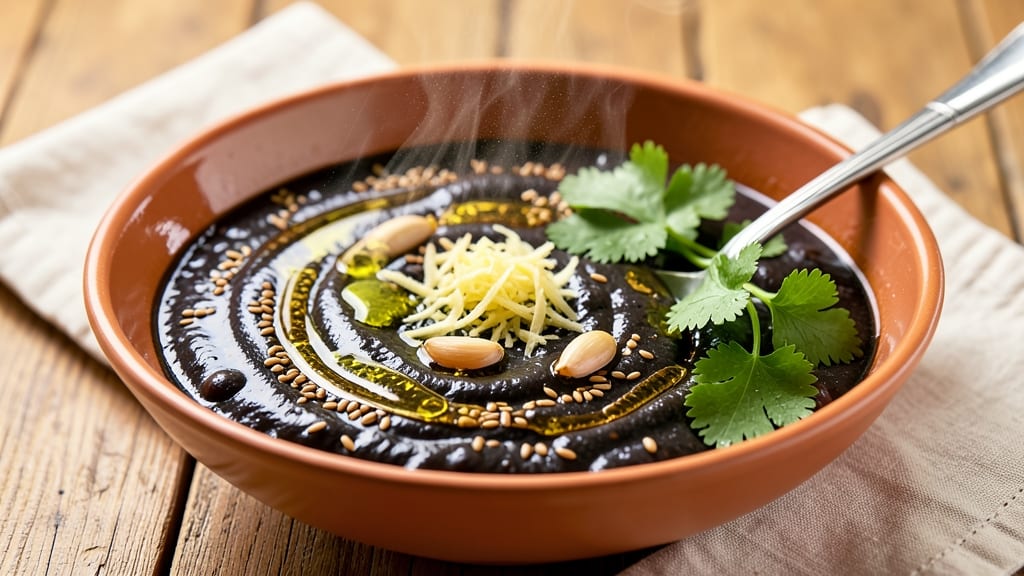
This Indian-style black bean sauce transforms humble ingredients into a smoky, aromatic condiment that elevates every dish it touches. The foundation—black beans, cumin, and ginger—builds a rich, earthy base, while tamarind and garlic add layers of tangy complexity. What makes it special?
The slow simmer that deepens flavors and creates a velvety texture perfect for drizzling or dipping. I developed this recipe after craving the bold, umami-packed sauces I’d tasted in South Indian restaurants, but wanted something easier to recreate at home.
The beauty of this sauce lies in its versatility—it works as a marinade for grilled meats, a vibrant topping for dosas or rice, or even a dip for crispy fries.
The key steps are simple: toast your spices until fragrant, simmer the beans until tender, then blend everything into a smooth, adjustable consistency. A splash of tamarind paste or lemon juice brightens the sauce, balancing the smoky cumin and garlic.
The result is a sauce that’s restaurant-quality but requires just 30 minutes of active time.
What you’ll end up with is a deeply flavorful, slightly sweet-and-sour sauce with a velvety mouthfeel that clings to every bite. The black beans add natural thickness, while the spices create an aromatic depth that lingers.
This isn’t just a sauce—it’s a flavor multiplier that turns simple dishes into something extraordinary. Whether you’re serving it alongside biryani, using it as a marinade, or drizzling it over grilled vegetables, the possibilities are endless.
One of the best parts? This sauce keeps well in the refrigerator for up to a week, so you can make a big batch and use it throughout the week.
The flavors actually improve as they meld, making it even more rewarding the second time around. Let’s get started—your taste buds (and leftovers) will thank you.
Ingredients for black bean sauce recipe indian style
Nine simple ingredients create a bold, aromatic sauce that rivals restaurant quality.
| Ingredient | Amount | Notes |
|---|---|---|
| Black Beans 🌱 | 1 ½ cups | Drained and rinsed |
| Ground Cumin 🌿 | 1 ½ tbsp | Toasted for aroma |
| Fresh Ginger 🧄 | 1 tbsp | Finely grated |
| Garlic Cloves 🧄 | 4 cloves | Minced for depth |
| Tamarind Paste 🍈 | 2 tbsp | Adjust for tang |
| Extra-Virgin Olive Oil 🫒 | ½ cup | For richness |
| Lemon Juice 🍋 | 2 tbsp | Freshly squeezed |
| Water 💧 | 1 cup | For blending |
| Salt 🧂 | 1 tsp | Kosher preferred |
| Garam Masala 🌶️ | ½ tsp | For warmth |
The black beans are the heart of this sauce—canned, no-salt-added works best for control. Trader Joe's carries great organic black beans, but any good brand will do. Toast your cumin and whole spices (if using) in a dry pan until fragrant—this step makes all the difference. Fresh ginger and garlic are non-negotiable here; the difference between fresh and powdered is night and day. For tamarind paste, Indian grocery stores have the best quality, but a squeeze bottle from Trader Joe's works in a pinch. If you can't find tamarind, lemon juice plus a pinch of sugar mimics the tang.
No tamarind? Lemon juice plus 1 tsp sugar works as a substitute. Want more heat? Add a pinch of cayenne or red pepper flakes. The olive oil should be extra-virgin—cheap oil will make the sauce taste flat. For a smoother texture, blend with a splash of water (start with 1/2 cup and adjust). If you prefer it chunkier, just mash the beans with a fork. The garam masala can be skipped if you're short on spices—just add a pinch more cumin and salt. This sauce tastes even better the next day as flavors meld, so make extra if you can.
Store in an airtight jar in the fridge for up to 7 days. The flavors deepen over time, so it's worth making a big batch. Freezes beautifully for 3 months—just thaw in the fridge overnight. For best results, let it come to room temperature before blending. If the sauce thickens too much after refrigeration, stir in a splash of water or lemon juice to loosen it up. This sauce is incredibly versatile—drizzle over rice, use as a marinade, or serve as a dip with crispy fries.
Why You'll Love This Recipe
- I’ll be real: this costs next to nothing. Black beans are cheap, spices last forever, and tamarind paste is a game-changer for flavor without breaking the bank. Plus, it keeps for days in the fridge, so I’m always covered—whether I’m feeding the family or just craving something bold.
- No-Fuss Pantry Magic: I swear by this sauce because it lives in my cupboard. Black beans, cumin, and tamarind? That’s it for the heavy lifting—no fresh herbs required unless you’re feeling fancy. The ginger and garlic hit like a warm hug, but the tamarind ties everything together with that tangy depth that makes it taste restaurant-level (even if it’s just me stirring a pot).
- Tamarind Tang Explosion: Honestly, the tamarind paste is the secret weapon here. A spoonful transforms this into something ridiculously addictive—sweet, sour, and umami all at once. The cumin and ginger ground it out, but that tamarind? It’s what makes you go back for seconds, no question.
- Dinner Party or Lazy Night: Between us, this sauce is my go-to for everything. Slather it on grilled chicken, toss it with rice, or drizzle it over roti—it works. And the best part? It’s one of those recipes that tastes better the next day, so I often make a big batch. (Yes, even on a Tuesday night.)
Step-by-step instructions for black bean sauce Indian style
Here's how to create a bold, aromatic sauce that balances smoky cumin and tangy tamarind perfectly.
Toast the Cumin for Maximum Aroma
Heat a dry skillet over medium heat and add the 1.5 tablespoons ground cumin. Toast for 1-2 minutes until you can smell that deep, nutty aroma—it should be warm but not burning. This step unlocks the cumin's full flavor potential, which forms the base of your sauce.
Watch closely as the cumin darkens slightly at the edges. If it starts to smoke, reduce heat immediately. Transfer the toasted cumin to a small bowl and set aside. Don't skip this—raw cumin lacks the complexity that toasting brings to this Indian-inspired sauce.
Bloom the Cumin in Olive Oil
In the same skillet, add the ½ cup extra-virgin olive oil over medium-low heat. When the oil is shimmering but not smoking, add the toasted cumin and stir constantly for 30 seconds. This creates an aromatic oil that carries all the flavors through the sauce.
You'll see tiny cumin particles swirling in the oil—this is where the magic happens. The oil should take on a warm, earthy scent. Keep the heat gentle to prevent burning, which would make the sauce bitter. If you notice any browned bits, stir them back into the oil immediately.
Add Aromatics and Build the Base
Add the 4 minced garlic cloves and 1 tablespoon finely grated fresh ginger to the skillet. Cook for 1-2 minutes until the garlic turns golden and the ginger becomes fragrant. This combination forms the flavor foundation that balances the tamarind's tang.
I like to press the garlic and ginger into the oil with a wooden spoon to release their oils. You'll know it's ready when the raw garlic smell disappears and gives way to a warm, sweet aroma. If the garlic starts to brown too quickly, reduce the heat slightly—you want flavor, not bitterness.
Incorporate Tamarind and Black Beans
Add the 2 tablespoons tamarind paste and stir until completely dissolved in the oil. Then add the 1.5 cups drained and rinsed black beans, 1 cup water, and 1 teaspoon salt. Bring to a gentle simmer over medium heat and cook for 5-7 minutes until the beans are heated through.
The tamarind should create a slight sheen in the sauce, indicating it's properly incorporated. If you notice the sauce thickening too much, add a splash of water to maintain the right consistency. Stir occasionally to prevent sticking—this sauce should be smooth and velvety.
Finish with Lemon and Warm Spices
Remove from heat and stir in the 2 tablespoons freshly squeezed lemon juice and ½ teaspoon garam masala. Let the sauce sit for 2-3 minutes to allow the garam masala to bloom and infuse its warm, earthy notes throughout.
Taste and adjust seasoning if needed—you might want to add a pinch more salt or lemon juice to balance the flavors. The sauce should be tangy, slightly sweet from the tamarind, and deeply aromatic from the spices. This Indian-style black bean sauce works beautifully as a dip, marinade, or sauce for grilled meats and vegetables.
Pro Tips For Making Black Bean Sauce Recipe Indian Style
- Bloom the Spices Slow: I learned this the hard way—dumping whole cumin seeds into hot oil at max heat just makes them burn before they sing. Instead, start with medium-low and let them sizzle for 30 seconds until you smell that earthy aroma. That’s when you know they’re ready to toast properly, not just turn into bitter ashes.
- Grind Ginger-Garlic Paste: Fresh ginger and garlic lose their punch when they sit in a blender with oil. My grandmother swore by this: grate the ginger and mince the garlic separately, then mix them with a splash of water (about 1 tablespoon) before blending. This keeps the flavors sharp and prevents the paste from turning into a greasy mess when you add it later.
- Tamarind Paste First: Skip the urge to add tamarind paste early—it’ll curdle if you toss it in with raw beans. Wait until the beans have softened (about 10 minutes of simmering) and the ginger-garlic oil is fragrant. Stir it in slowly while the sauce is still moving, or you’ll end up with a lumpy, gluey disaster. Trust me, your sauce will thank you.
- Simmer Low and Long: Indian-style black bean sauce needs time to marry its flavors, not a quick sear. After everything comes together, drop the heat to a bare simmer and let it cook uncovered for 15-20 minutes. This isn’t the time to rush—it’s when the cumin deepens, the tamarind mellows, and the beans absorb all that goodness. Walk away and let the pot do its magic.
Common mistakes when making perfect results
Skipping Cumin Toast
This is the #1 mistake I see people make—they skip toasting the cumin, which robs the sauce of its signature smoky depth. Raw cumin tastes flat and earthy, while toasted cumin delivers that warm, nutty aroma that defines Indian cuisine.
To fix it, simply toast 1.5 tbsp ground cumin in a dry skillet for 1-2 minutes until fragrant. If you've already made the sauce, stir in an extra ½ tsp toasted cumin and simmer for 2 minutes to infuse the flavor. 🌿
Overcooking Garlic
Garlic turns bitter when overcooked, and I've seen this ruin perfectly good sauces. Cook your 4 minced garlic cloves for only 1-2 minutes until golden—never let them brown. If you notice a harsh, pungent smell, remove the skillet immediately.
For a quick fix, stir in ½ tsp fresh lemon juice to balance the bitterness and add 1 extra minced garlic clove (raw) to restore sweetness.
Ignoring Tamarind Texture
Tamarind paste needs to dissolve completely to avoid grainy bits in your sauce. Many people stir it in too quickly or use too much water.
For best results, mix the 2 tbsp tamarind paste with 2 tbsp warm water first to create a smooth paste before adding it to the skillet. If you're using lemon juice as a substitute, whisk it with 1 tsp sugar to mimic tamarind's natural sweet-tangy balance.
Underestimating Resting Time
Rushing the final 2-3 minutes of resting after adding garam masala means missing out on its full aromatic potential. This step allows the spices to bloom and meld with the sauce.
If you've already skipped this, let the sauce sit for 5 minutes covered with a lid to intensify the flavors. For an immediate boost, add an extra ¼ tsp garam masala and warm gently for 1 minute.
Using Low-Quality Oil
Cheap olive oil lacks the richness needed to carry the sauce's complex flavors. I recommend using extra-virgin olive oil with at least 70% oleic acid content. If you've already used regular olive oil, finish the sauce with 1 tbsp toasted sesame oil (just before serving) to add depth.
For a budget fix, use avocado oil—it has a neutral flavor that won't compete with your spices.
Overblending the Sauce
Some people blend the sauce until it's completely smooth, which can make it lose its natural bean texture. For the best mouthfeel, blend just until the beans break down slightly—about 20-30 seconds in a blender.
If you've over-blended, stir in 1 tbsp mashed black beans (from a separate can) to restore texture. For extra body, add 1 tsp cornstarch mixed with 1 tbsp water and simmer for 1 minute to thicken naturally.
Nutrition facts
Frequently asked questions
Can I substitute black beans with another type of bean?
While black beans work best for their deep flavor and texture, you can use kidney beans or pinto beans in a pinch. Avoid white beans—they lack the earthy richness that complements Indian spices. If substituting, reduce the cooking time by 2-3 minutes since other beans soften faster. The sauce will have a slightly different texture but still deliver bold flavors.
How do I adjust the spice level for sensitive palates?
Start by reducing the cumin to 1 teaspoon instead of 1.5 tablespoons and skip the garam masala entirely. For heat, add only ¼ teaspoon cayenne (or omit it completely). The tamarind and lemon already provide natural tanginess, so you won't lose the Indian-inspired profile. Taste as you go—you can always add more salt or a touch of honey to balance flavors.
What are the best ways to use this sauce beyond dipping?
This versatile sauce works as a marinade for grilled chicken or tofu, a drizzle over dosas or rice, or even a base for soups. Try mixing it with yogurt for a cooling raita, or use it to deglaze a pan after cooking meats. The smoky depth pairs beautifully with roasted vegetables too—just toss them with the sauce and a pinch of salt before serving.
Can I make this sauce without tamarind?
Yes! Mix 2 tablespoons lemon juice with 1 teaspoon sugar to mimic tamarind's sweet-tangy balance. For extra depth, add ½ teaspoon amchur (dried mango powder) if available. The sauce will be slightly brighter but still rich and aromatic. Always taste and adjust—you may need an extra pinch of salt to compensate for the sugar.
How do I store leftovers and revive thickened sauce?
Store in an airtight jar in the fridge for up to 7 days. If the sauce thickens after refrigeration, stir in 1-2 tablespoons water or lemon juice to loosen it. For extra richness, heat gently with ½ teaspoon toasted cumin before serving. The flavors actually improve over time, so leftovers often taste even better! Freeze for up to 3 months in ice cube trays for portion control.