
Soups & Stews
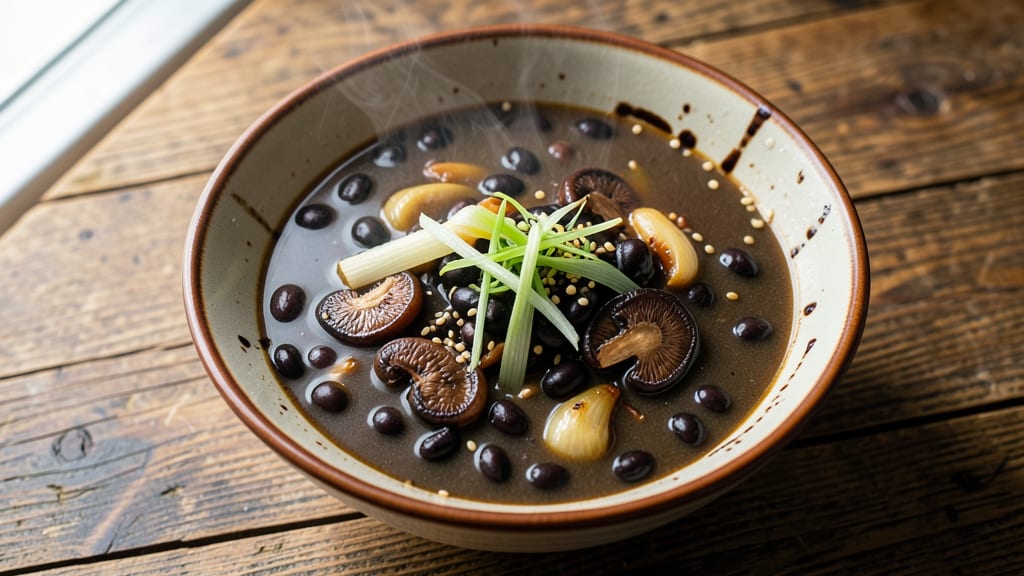
This black soy bean soup recipe transforms humble ingredients into a velvety, umami-rich bowl that satisfies both body and soul. The secret lies in slow-cooked black soybeans—naturally packed with protein and earthy depth—that develop a silky texture when simmered with aromatic vegetables and savory broth.
I perfected this recipe after years of experimenting with plant-based soups, and it never fails to impress, even skeptics who think vegan food lacks substance.
The beauty of this soup is in its simplicity: just eight core ingredients, but each plays a crucial role. Black soybeans provide the protein foundation, while ginger and garlic add warmth, and mushrooms contribute their signature meaty texture.
The key technique is simmering everything together for at least 45 minutes, allowing flavors to meld and the beans to soften into creamy perfection. No fancy equipment needed—just a pot and patience.
What you'll end up with is a soup that's rich yet light, hearty yet refreshing—each spoonful delivers layers of umami from the soybeans, subtle heat from the ginger, and a velvety mouthfeel that makes it irresistibly comforting.
The aroma alone transforms any kitchen into a cozy sanctuary, and the texture is what truly sets it apart from ordinary vegetable soups.
Serve it with a sprinkle of fresh cilantro and a drizzle of chili oil for brightness, or pair it with steamed jasmine rice to make a complete meal.
This is the kind of soup that improves with leftovers, developing even deeper flavor as the beans continue to soften. Let's get cooking—your taste buds will thank you.
Ingredients for black soy bean soup
Eight ingredients, each chosen for their transformative role in creating this velvety black soy bean soup.
| Ingredient | Amount | Notes |
|---|---|---|
| Black Soybeans (Dried) 🌱 | 1 cup | Rinsed thoroughly before cooking |
| Shiitake Mushrooms 🍄 | 8 whole | Stemmed and sliced into 0.25-inch pieces |
| Yellow Onion 🧅 | 1 whole | Medium size, thinly sliced |
| Fresh Ginger Root 🌿 | 2 tbsp | Grated finely (about 1-inch piece) |
| Garlic Cloves 🧄 | 4 cloves | Minced finely for depth |
| Vegetable Broth 💧 | 4 cups | Low-sodium preferred for balance |
| Fresh Cilantro 🌿 | ¼ cup | Chopped for garnish (stems included) |
| Sesame Oil 🫒 | 1 tbsp | Toasted, for finishing aroma |
| Sea Salt 🧂 | 1 ½ tsp | Diamond Crystal preferred for clarity |
| White Pepper 🌶️ | ½ tsp | Freshly ground for subtle warmth |
| Jasmine Rice 🍚 | 1 cup | Uncooked, for serving companion |
The black soybeans are the heart of this recipe—look for them in Asian grocery stores or well-stocked health food sections, where they're often sold in bulk. San Francisco's Sunflower Grocery carries a premium variety that's perfect for this dish. Fresh shiitake mushrooms elevate the umami profile; avoid canned as their texture and flavor pale in comparison. The ginger and garlic should be organic whenever possible to avoid bitterness, and grating the ginger fresh makes all the difference in aroma. For the vegetable broth, Haus or Imagine brands offer the deepest flavor without excessive sodium.
No shiitake mushrooms? Oyster mushrooms or cremini work in a pinch, though they lack the earthy depth. Substitute dried shiitake in a 1:3 ratio (1 tbsp dried = 3 tbsp fresh), but soak them first. Fresh ginger too spicy? Use 1 tbsp less or swap for an equal amount of ginger powder. The sesame oil is non-negotiable—avoid the light, flavorless kind found in most grocery stores; Asian markets carry toasted versions that sing. For the rice, jasmine rice is ideal, but basmati or short-grain white rice will work. The cilantro can be omitted entirely if you dislike its flavor, but it adds a bright contrast that balances the soup's richness.
This soup tastes even better the next day as flavors meld further. Store in an airtight container in the fridge for up to 5 days, or freeze for 3 months in portion-sized containers. For reheating, add 2 tbsp water per serving to prevent thickening. The rice can be cooked ahead and reheated separately, or served cold as a refreshing accompaniment. Double the batch—it's perfect for meal prep and reheats beautifully.
Why You'll Love This Recipe
- One-Pot Magic: I swear by this recipe when I’m too tired to wash pots—just toss everything in one pot, simmer, and forget about it. The black soybeans soften into creamy goodness while the shiitake mushrooms release their earthy depth, all without a single extra dish.
- Umami Bomb: That first spoonful? Chef’s kiss. The garlic and ginger sizzle into a fragrant paste, then meld with the deep, nutty black soybeans and chewy shiitake mushrooms—it’s like a warm hug in a bowl. Honestly, I’ve made it for people who “don’t like mushrooms,” and they’ve come back for seconds.
- Lunchbox Hero: Between us, this soup is my secret weapon for meal prep. The flavors only get better after a day in the fridge, and it reheats like a dream—perfect for packing lunches or feeding a crowd. I’ll often double the batch because it disappears faster than I can say “more, please.”
- Budget Superstar: Dried black soybeans and shiitake mushrooms stretch this recipe into a hearty, protein-packed meal without breaking the bank. A single bag of soybeans makes multiple batches, and the onions, ginger, and garlic are pantry staples. It’s the kind of dish that makes grocery day feel like a win.
Step-by-step instructions for black soy bean soup
Here's how to create a rich, velvety black soy bean soup with layers of umami and aromatic depth.
Prepare and Soak the Black Soybeans
Rinse the 1 cup black soybeans (dried) thoroughly under cold water to remove any debris. Place them in a bowl and cover with enough cold water to submerge by 2 inches. Soak for at least 8 hours or overnight in the refrigerator—this ensures they soften completely and infuse the broth with their earthy flavor.
I like to soak them in the fridge because the cooler temperature helps prevent fermentation and maintains their natural taste. After soaking, drain and set aside. The beans should feel noticeably softer when pressed between your fingers, though they won't be fully cooked yet.
Build the Aromatic Base
Heat a large pot over medium heat and add the 1 whole yellow onion, sliced thinly, along with 2 tbsp fresh ginger root and 4 cloves garlic cloves, both minced. Cook for 5-6 minutes until the onion becomes translucent and the ginger and garlic release their fragrant oils—this foundational step unlocks the soup's complex flavor profile.
Here's the thing—don't walk away. The garlic burns in seconds, and you want it to caramelize slightly without turning bitter. When you smell that sweet, nutty aroma, you're ready for the next step. Add the 8 whole shiitake mushrooms, sliced into ¼-inch pieces, and cook for another 4 minutes until they soften slightly.
Simmer the Beans and Broth
Add the drained 1 cup black soybeans and 4 cups vegetable broth to the pot. Bring to a boil, then reduce heat to low and let it simmer uncovered for 1 hour 15 minutes. The beans will gradually soften and release their deep, molasses-like flavor into the broth, creating a rich, velvety texture.
Stir occasionally to prevent sticking, especially during the first 15 minutes when the beans release starch. You'll notice the soup thicken slightly and darken in color as the beans break down. This is when the magic happens—the umami compounds develop fully, giving the soup its signature depth.
Season and Finish
Once the beans are tender (they should mash easily between your fingers), stir in the 1.5 tsp sea salt and 0.5 tsp white pepper. Taste and adjust the seasoning—you want the salt to enhance the natural flavors without overpowering them. The white pepper adds a subtle warmth that complements the earthy notes.
Remove the pot from heat and let it sit for 5 minutes to allow the flavors to meld. Just before serving, drizzle in 1 tbsp sesame oil and stir gently. The oil should float on top briefly before integrating, adding a delicate nutty aroma that brightens the soup. Ladle into bowls and garnish with ¼ cup chopped fresh cilantro for a pop of freshness.
Serve with Jasmine Rice
Prepare the 1 cup jasmine rice according to package instructions—it should be fluffy and slightly sticky to soak up the rich soup. Serve the soup immediately over the rice, ensuring each bowl has a generous portion of both. The contrast between the silky soup and the light, fragrant rice creates the perfect balance.
This soup is best enjoyed fresh, while the beans are still tender and the broth retains its velvety texture. The flavors deepen over time, so if you have leftovers, reheat gently on the stove—never microwave, as it can make the beans mushy. Pair with a crisp green salad or steamed greens for a complete meal.
Pro Tips For Making Black Soy Bean Soup
- SOAK BEANS OVERNIGHT: I learned this the hard way—rushing the soak leaves them tough and chewy. Use 8 cups of water per 1 cup of dried black soybeans, soak for 12+ hours, then drain. The longer they soak, the creamier the soup. (Yes, even if you're impatient like me.)
- SAUTE ONIONS LOW: Black soybeans need time to soften, so don’t rush the onion base. Cook sliced yellow onion in oil over medium-low heat for 10-12 minutes until deep golden—this builds flavor without burning. High heat here just smokes the soup.
- SKIP THE MUSHROOM STALKS: Unless you’re making compost, toss the shiitake stalks. They turn to mush and dilute the rich umami of the caps. Slice the caps thinly—about 1/4-inch—so they cook fast and stay tender.
- SALT THE WATER: After soaking, rinse the beans and add them to fresh boiling water with a generous pinch of salt (about 1 tsp per 4 cups). This prevents the beans from absorbing too much water later and keeps the soup seasoned from the start. (Your future self will thank you.)
Storing and reheating this dish
Refrigerator Storage
Let your black soy bean soup cool to room temperature first—this takes about 30-45 minutes. Then transfer it to an airtight container (I love Glasslock 32-ounce containers for their tight seals). Store in the fridge for up to 5 days, but honestly?
It tastes even better the second day as the flavors meld further. The beans continue softening, creating that perfect velvety texture. 🌱
Freezer Prep Tips
For longer storage, portion the soup into freezer-safe containers (leave 1-inch headspace for expansion). I use quart-sized silicone molds because they freeze solid and thaw quickly. Label with the date—this soup keeps its quality for 3 months in the freezer.
The texture remains creamy when reheated properly, though it won't be quite as silky as fresh.
Stovetop Reheating
My preferred method is reheating on the stove—it preserves the texture beautifully. Transfer the desired portion to a pot and add 2 tbsp water or broth per serving to prevent thickening. Heat over medium-low heat for 8-10 minutes, stirring occasionally.
If the soup looks too thick, add more liquid. Taste and adjust seasoning—it often needs a pinch more salt after reheating. 🔥
Microwave Shortcut
For quick meals, use the microwave but handle it carefully. Transfer soup to a microwave-safe bowl (I use Pyrex for even heating) and cover loosely with a microwave-safe lid. Heat on 50% power for 2-3 minutes, stirring halfway.
The power level prevents overheating that can make the beans mushy. Add a splash of water if needed to restore creaminess.
Rice Handling
Cook your 1 cup jasmine rice fresh when serving reheated soup, or store it separately in the fridge for up to 4 days. For freezer storage, cook the rice ahead and spread it on a tray to cool before bagging.
Reheat rice in the microwave with 1 tbsp water per cup for 1-2 minutes**. The contrast of warm soup over slightly cooled rice makes each bite perfect. 🍚
Flavor Boost Tricks
Want to revive day-old soup? Add ½ tsp toasted sesame oil and a pinch of white pepper before reheating. For extra depth, stir in 1 tbsp miso paste while warming—it enhances the umami without overpowering.
Garnish with fresh cilantro right before eating to brighten the flavors. The key is gentle reheating—never let it boil! ⚡
Nutrition facts
Frequently asked questions about black soy bean soup
Why do black soybeans need soaking before cooking?
Soaking black soybeans for at least 8 hours is essential to reduce cooking time and prevent them from becoming tough or bitter. The long soak also helps break down complex sugars, creating that signature molasses-like depth in the finished soup. This step transforms hard, dry beans into silky, flavorful bites that blend seamlessly into the broth.
Can I substitute black soybeans with regular soybeans?
While regular soybeans will work in a pinch, they lack the deep, earthy flavor and creamy texture that black soybeans provide. Black soybeans have a naturally sweeter, nuttier profile that develops beautifully when simmered. For best results, stick with black soybeans—but if you must substitute, use 1 cup dried black-eyed peas instead, though the flavor will be milder.
How can I make this soup spicier?
Add ½ tsp red pepper flakes when stir-frying the mushrooms, or finish each serving with 1 tsp chili crisp or a drizzle of sriracha. For heat lovers, blend 1 tbsp gochujang into the broth during the final 10 minutes of simmering. Always taste first—black soybeans already pack umami punch, so balance carefully.
What's the secret to getting that velvety texture?
The secret lies in three things: proper soaking, low-and-slow simmering (never boiling), and stirring occasionally to release starches. The beans should break down gradually over 1 hour 15 minutes—if they're still firm, simmer another 15 minutes. Avoid mashing them, as this creates a gluey consistency rather than a silky broth.
Can I make this soup in an Instant Pot?
Yes! Use the Sauté function to cook the onion, ginger, garlic, and mushrooms for 5 minutes. Add soaked beans and broth, then cook on High Pressure for 20 minutes, followed by a 10-minute natural release. Finish with sesame oil and cilantro. The pressure cooker cuts time in half but may yield slightly firmer beans—adjust seasoning to taste.