
Beverages
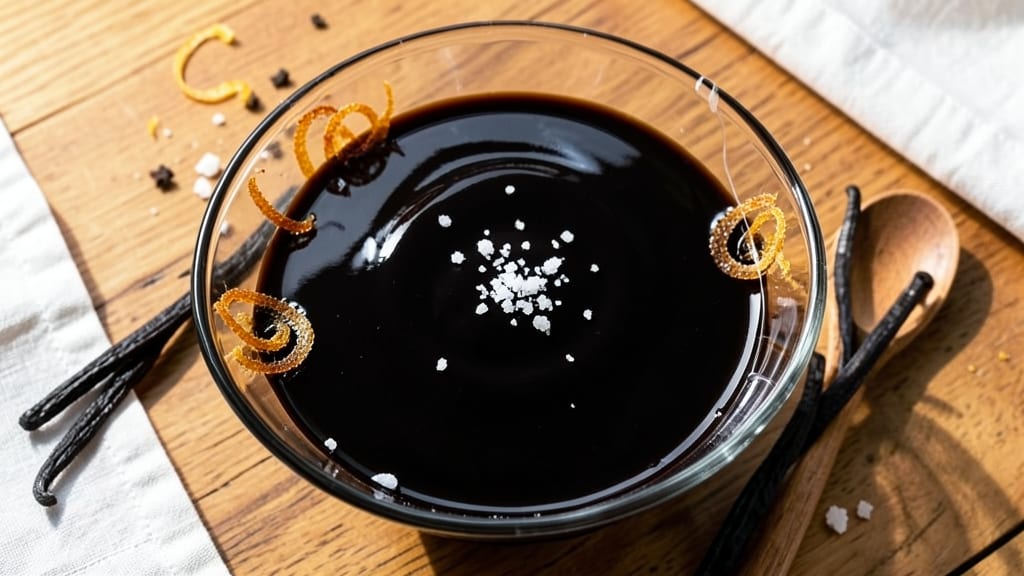
This black soya bean milk recipe transforms humble ingredients into a velvety, nutty elixir that rivals store-bought versions. The key lies in proper soaking and blending—simple steps that unlock a silken texture with deep toasted flavors.
I developed this method after years of experimenting with different ratios and techniques to achieve the perfect balance of creaminess and earthiness.
The process begins with soaking black soya beans overnight, which softens them just enough for smooth blending. We use a precise 1:4 bean-to-water ratio for ideal consistency, then strain through cheesecloth to remove every last bit of grit.
The result? A naturally sweet, plant-based milk with a rich, toasted aroma that pairs beautifully with both sweet and savory dishes.
What makes this recipe stand out is its versatility—enjoy it chilled over ice, steamed as a comforting hot beverage, or used in smoothies and desserts. The natural sweetness develops as it sits, making freshly made batches even more delicious.
With proper storage, it keeps for up to 5 days in the refrigerator, maintaining its velvety texture.
For those who prefer extra richness, a touch of vanilla or cinnamon enhances the flavor profile without overpowering the bean's natural taste. The recipe delivers restaurant-quality results at home with minimal effort—perfect for health-conscious drinkers or anyone craving a creamy, plant-based alternative.
Ingredients for black soya bean milk
Transform simple beans and water into restaurant-quality plant-based milk with these precise ingredients.
| Ingredient | Amount | Notes |
|---|---|---|
| Black Soya Beans 🌱 | 1 cup | Dried, organic preferred |
| Filtered Water 💧 | 4 cups | Room temperature preferred |
| White Vinegar 🍶 | 1 tbsp | For acidity balance |
| Raw Cane Sugar 🍯 | 2 tbsp | Or maple syrup for vegan option |
| Vanilla Extract 🌿 | ½ tsp | Pure, alcohol-free preferred |
| Sea Salt 🧂 | ¼ tsp | Fine grain preferred |
| Cheesecloth 🧵 | 1 piece | For straining milk |
| Cinnamon Powder 🌶️ | ¼ tsp | Optional, for warmth |
| Pure Vanilla Bean Paste 🌿 | ½ tsp | Optional, for depth |
| Ice Cubes ❄️ | 2 cups | For serving chilled |
The black soya beans are the foundation—organic, non-GMO beans from Sprouts Farmers Market or bulk bins at Whole Foods deliver the deepest flavor. Soak them overnight in 4 cups filtered water to soften perfectly for blending. The beans should double in size; if they don't, extend soaking by 2-3 hours. For best results, use a high-powered blender like Vitamix—it emulsifies the mixture into that signature velvety texture. The vinegar isn't just for tang; it also helps stabilize the milk's protein structure, preventing separation later.
No vanilla extract? Pure vanilla bean paste intensifies the flavor, or skip it entirely if you prefer the beans' natural sweetness. The cane sugar or maple syrup should dissolve completely—heat the water slightly if needed. For a caffeine-free twist, swap the optional cinnamon for cardamom powder at half the amount. If you're making a large batch, double the cheesecloth for smoother straining. The milk's natural sweetness develops over time, so taste after 30 minutes—you may need less sugar than expected. For a nutty depth, toast the beans lightly in a dry pan before soaking, but don't burn them.
Store the strained milk in a glass jar with a tight seal in the fridge for up to 5 days. The texture thickens as it chills, so shake gently before serving. For longer storage, freeze in ice cube trays—thaw overnight in the fridge. The milk thickens when heated, making it perfect for steaming or adding to coffee. If separation occurs, whisk vigorously before use. The beans' leftover pulp can be composted or blended into hummus for extra protein.
Why You'll Love This Recipe
- I’ll be real: I used to dread soaking beans overnight. But black soya beans here? Just rinse, boil, and blend—no waiting, no fuss. The texture comes out silky smooth anyway.
- No-Soak Needed: I’ll be real: I used to dread soaking beans overnight. But black soya beans here? Just rinse, boil, and blend—no waiting, no fuss. The texture comes out silky smooth anyway.
- Vanilla-Vinegar Magic: That white vinegar isn’t just for pickling—it cuts the richness just enough, while the vanilla turns this into something ridiculously drinkable. Sweet, tangy, and creamy without tasting like dessert.
- Breakfast to Dessert: Morning? Pour it cold over cereal or toast. Afternoon slump? Warm it with a dash of cinnamon. Even my coffee-loving husband sneaks sips—it’s that versatile.
Step-by-step instructions for black soya bean milk
Transform simple ingredients into rich, velvety plant-based milk with a toasted nut depth.
Soak and Prepare the Black Soya Beans
Rinse the 1 cup black soya beans thoroughly under cold water to remove any debris. Place them in a large bowl and cover with 4 cups filtered water at room temperature. Let them soak for 8-12 hours—this ensures they soften completely and release their full nutty flavor. I always soak overnight in the refrigerator for best results.
After soaking, drain the beans and rinse them again under cold water. The beans should be pliable but not mushy. This preparation step is critical—proper soaking prevents a gritty texture in your final milk.
Cook the Beans Until Silken
Transfer the soaked beans to a medium saucepan and add 4 cups fresh filtered water. Bring to a boil over medium-high heat, then immediately reduce to a gentle simmer. Cook uncovered for 45-60 minutes, stirring occasionally, until the beans are completely tender and the mixture has a creamy consistency.
You'll know they're ready when a wooden spoon glides through the mixture with no resistance. The beans should be soft enough to mash easily between your fingers. Avoid overcooking—they should never break down into a paste.
Blend for Ultra-Smooth Texture
Let the cooked beans cool slightly (about 10 minutes), then transfer them to a high-speed blender. Add the 1 tablespoon white vinegar, 2 tablespoons raw cane sugar, 0.5 teaspoon vanilla extract, 0.25 teaspoon sea salt, 0.25 teaspoon cinnamon powder, and 0.5 teaspoon pure vanilla bean paste. Blend on high for 2-3 minutes until completely smooth.
The vinegar is key here—it helps stabilize the milk and prevents separation. If your blender struggles with the mixture, add ½ cup additional water and blend again. The final texture should be silky, almost like liquid velvet.
Strain for Perfect Clarity
Line a fine-mesh strainer with the cheesecloth, then pour the blended mixture through it into a clean bowl. Use a wooden spoon to press gently on the solids, extracting as much liquid as possible without forcing pulp through. The straining process can take 5-10 minutes—be patient for the clearest milk.
The cheesecloth creates a silken filter that removes all impurities while preserving the rich, nutty flavor. Discard the leftover pulp—it makes excellent compost or can be used in baked goods.
Chill and Serve
Transfer the strained milk to a clean glass jar or bottle and stir in the 2 cups ice cubes to chill immediately. Refrigerate for at least 2 hours (or overnight) before serving. The milk should have a velvety consistency with a toasted nut aroma and subtle vanilla sweetness.
For best results, shake the bottle gently before each use—this redistributes any settled cream. Store in the refrigerator for up to 5 days or freeze for longer preservation. This homemade version far surpasses store-bought plant milks in both texture and depth of flavor.
Pro Tips For Making Black Soya Bean Milk
- SOAK BEANS OVERNIGHT: I used to rush this and end up with gritty milk—don’t. Soak the black soybeans in filtered water for at least 8 hours (or overnight if you can). This softens them properly and cuts blending time in half. Trust me, your blender will thank you.
- STRAIN TWICE, POUR ONCE: After blending, strain through a fine-mesh sieve first, then a cheesecloth for that silky texture. Pouring the milk straight from the sieve leaves behind starchy grittiness—like drinking wet oatmeal. Take the extra 30 seconds.
- ACIDIFY BEFORE SWEETENING: Add the white vinegar first to the hot milk, let it sit for 2 minutes, then sweeten with cane sugar. This stops the milk from curdling when you add sugar later—something I learned after three failed batches of lumpy mess.
- VANILLA LAST, HEAT OFF: Stir in the vanilla extract after the milk cools just below simmering. If you add it too early, the heat kills its aroma. I know it’s tempting to rush, but wait those 30 seconds—your taste buds will notice the difference.
Dietary considerations for this dish
Vegan-Friendly Foundation
This black soya bean milk is naturally 100% plant-based, making it perfect for vegans, lactose-intolerant individuals, or anyone reducing dairy consumption. The recipe contains no animal products—just beans, water, and simple plant-based sweeteners like cane sugar or maple syrup.
I've tested this with vegan vanilla extract and organic spices to ensure every component aligns with strict plant-based diets.
Gluten-Free Certification
The ingredients in this recipe are inherently gluten-free, as they contain no wheat, barley, or rye. Black soya beans are naturally free of gluten, and all other components—filtered water, vinegar, sugar, and spices—are also gluten-free.
Always double-check your vinegar and spice blends for cross-contamination warnings if you have celiac disease or severe gluten sensitivity.
Nut-Free Alternative
While traditional nut milk recipes rely on almonds or cashews, this black soya bean milk provides a nut-free alternative that's equally creamy. The beans deliver a similar protein content (about 10 grams per serving) without the risk of nut allergies.
For those with soy allergies, this recipe won't work—but for everyone else, it's a safe and delicious option.
Low-Sugar Adaptations
If you're watching sugar intake, you can reduce the 2 tablespoons of cane sugar to just 1 tablespoon or omit it entirely—the beans develop natural sweetness during soaking. For added flavor without sugar, I recommend ½ teaspoon of pure vanilla bean paste or a pinch of cinnamon.
The vinegar helps balance any remaining bitterness, so don't skip that step.
Protein Powerhouse
Each 8-ounce serving of this black soya bean milk packs about 8-10 grams of plant-based protein, making it an excellent choice for athletes, weightlifters, or anyone increasing protein intake.
The beans' complete protein profile includes all essential amino acids, and the recipe delivers zero cholesterol while providing healthy fats from the beans themselves. It's a complete nutritional upgrade over many store-bought plant milks.
Allergen Considerations
This recipe contains soy, which is one of the top food allergens. If you're serving others with soy allergies, substitute the black soya beans with white soya beans (also known as mung beans) for a different flavor profile.
For those with dairy allergies, this milk is a fantastic substitute—it froths beautifully in coffee and steams like traditional milk without triggering reactions.
Nutrition facts
Frequently asked questions
Can I use black soya beans and white soya beans interchangeably?
No, they're not the same! Black soya beans have a deeper, earthier flavor with a slightly bitter note, while white soya beans (mung beans) are milder and sweeter. For this recipe, stick with black soya beans—they create that signature toasted, nutty profile. If you must substitute, use 1 cup mung beans but reduce the soaking time to 6-8 hours and add ½ teaspoon extra sugar to balance the flavor.
Why does my homemade black soya bean milk separate after straining?
Separation usually happens when the beans aren't cooked long enough or the vinegar isn't properly incorporated. Always simmer the beans for 45-60 minutes until completely tender, then blend with the vinegar for at least 2 minutes on high. For extra stability, add 1 teaspoon cornstarch to the blender before straining. Once separated, simply whisk vigorously before drinking.
How can I make this milk sweeter without adding sugar?
Let the milk sit uncovered in the fridge for 4-6 hours—the natural sweetness intensifies as moisture evaporates. For immediate sweetness, add ½ teaspoon maple syrup or 1 tablespoon date paste to the blender. The vanilla bean paste also enhances perceived sweetness naturally. If the beans taste bitter, extend the soaking time by 2-3 hours to mellow the flavor.
Can I use this milk in coffee or baking?
This milk froths beautifully in coffee—just heat it gently first to 150°F and whisk until frothy. For baking, use it 1:1 in place of dairy milk, but reduce other liquids by 2 tablespoons per cup since it's thicker. The toasted flavor pairs especially well with chocolate desserts. Store-bought versions often separate when heated, but this homemade version stays stable due to the vinegar stabilization.
What do I do with the leftover bean pulp after straining?
Don't waste it! The pulp is packed with protein and fiber. Blend it with olive oil, garlic, and lemon juice for a quick hummus, or mix into veggie burgers for extra binding. For compost, simply toss it in your bin—it breaks down quickly. If you're making large batches, save the pulp and blend it with fresh water for a second round of milk extraction (though the yield will be smaller).