
Beverages
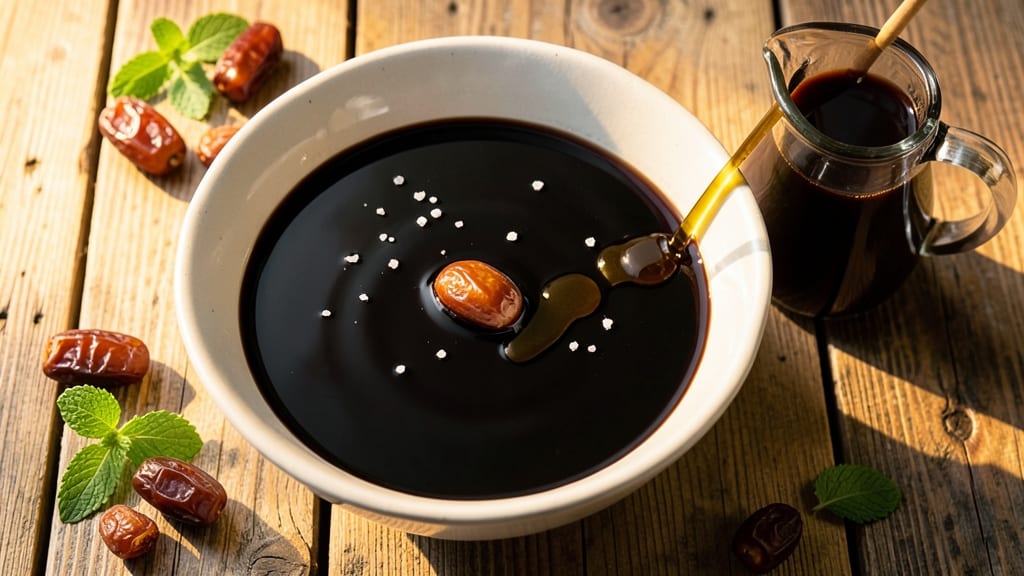
This black soybean milk recipe delivers rich, nutty creaminess without a blender—just simple soaking, straining, and a touch of patience. Traditional Asian techniques create a velvety texture that rivals store-bought versions, all while keeping it plant-based and protein-packed.
The secret lies in proper soaking and straining, which transforms humble black soybeans into a luxurious, dairy-free alternative.
What makes this method special is its accessibility—no high-speed blender required. Soaking the soybeans softens them naturally, while gentle straining through cheesecloth or a nut milk bag removes skins without losing that signature creamy consistency.
The result is a beverage that's naturally sweet, slightly earthy, and rich enough to sip alone or use as a latte base.
Perfect for iced drinks, smoothies, or morning lattes, this recipe scales easily for batches. The nutty depth comes from the soybeans themselves, while optional vanilla or dates add sweetness without overpowering. Storage is simple: keep refrigerated for up to 5 days or freeze for longer shelf life.
Whether you're avoiding dairy or simply exploring plant-based options, this method delivers restaurant-quality results at home. Let's get started with a technique that's both traditional and surprisingly simple.
Ingredients for black soybean milk
Eight simple ingredients transform humble black soybeans into velvety, nutty plant-based milk.
| Ingredient | Amount | Notes |
|---|---|---|
| Black Soybeans (Dried) 🌱 | 1 cup | Unsold, organic preferred |
| Filtered Water 💧 | 4 cups | Room temperature preferred |
| Pure Maple Syrup 🍁 | 2 tbsp | Grade B for richer flavor |
| Vanilla Extract 🌿 | 1 tsp | Pure alcohol-free preferred |
| Pinch Sea Salt 🧂 | ¼ tsp | Diamond Crystal preferred |
| Pitted Dates 🍈 | 2 whole | Medjool for natural sweetness |
| Unsweetened Coconut Milk 🥥 | ½ cup | Full-fat for creaminess |
| Cheesecloth or Nut Milk Bag 🧺 | 1 piece | For straining consistency |
| Lemon Juice 🍋 | 1 tsp | Freshly squeezed |
The black soybeans are the heart of this recipe—organic varieties from Asian markets deliver the deepest flavor, but any dried black soybeans work. Rinse them thoroughly before soaking to remove debris. For the best texture, toast the soybeans lightly in a dry pan for 2-3 minutes before soaking; this enhances their nutty aroma. Trader Joe's and Whole Foods carry organic options, but bulk bins at natural food stores often offer the freshest stock. The key is patience: soak them for at least 8 hours (overnight is ideal) to ensure they soften completely without turning mushy.
No maple syrup? Agave nectar or date syrup works equally well, though maple adds subtle caramel notes. Vanilla extract can be swapped for vanilla bean paste (use half the amount) or even cinnamon for warmth. The dates are optional but add natural sweetness—Medjool dates are softer and easier to pit, though any variety works. For extra creaminess, silken tofu blended in replaces coconut milk entirely. The cheesecloth or nut milk bag is non-negotiable for that silky texture; if you don’t have one, a clean kitchen towel in a strainer works in a pinch (just squeeze gently).
Store the finished milk in airtight glass jars in the fridge for up to 5 days, or freeze in ice cube trays for up to 3 months. Shake well before each use, as separation is normal. For best flavor, reheat gently in a saucepan or microwave—never boil, as this can curdle the natural oils. The soybeans’ skins will settle at the bottom; simply pour off the milk or blend again briefly for a smoother texture. This method yields about 4 cups of milk, perfect for lattes, smoothies, or sipping straight.
Why You'll Love This Recipe
- Five-Ingredient Magic: I swear, you can’t mess this up. Soak the black soybeans overnight, blend with water, strain—boom. That’s it. No fancy gadgets, no stress, just pure simplicity.
- Rich Without Guilt: The deep, nutty flavor of black soybeans hits like a cozy hug, but the maple syrup and vanilla turn it into something ridiculously satisfying. Honestly? It tastes like a dessert, but it’s packed with protein.
- Breakfast or Bedtime: Pour it over granola for a morning win, or sip it warm with a pinch of salt before bed. Between us, I’ve had it cold, hot, and even frozen in ice cubes—it’s that adaptable.
- Pantry Goldmine: Dried black soybeans last forever, and a single batch stretches for days. I make a big batch on Sundays, split it into jars, and forget about it until I need a quick, nourishing boost. Budget-friendly doesn’t get better than this.
Step-by-step instructions for black soybean milk
Here's the method for crafting velvety black soybean milk with depth of flavor and texture.
Soak the Black Soybeans Overnight
Place the 1 cup black soybeans in a bowl and cover with plenty of cold water—at least 3 times the volume of the beans. Let them soak at room temperature for 12 hours or overnight. This extended soaking ensures the beans soften completely and develop their signature nutty flavor profile. You'll know they're ready when they've nearly doubled in size and feel tender when pressed between your fingers.
Drain and rinse the soaked beans thoroughly before proceeding. This step is critical—under-soaked beans will yield a gritty texture, while over-soaked beans (beyond 14 hours) may develop off-flavors. The room temperature soak also prevents the formation of anti-nutrients that can make the milk bitter if soaked in cold water.
Simmer with Water and Dates
In a medium saucepan, combine the drained black soybeans with the 4 cups filtered water. Add the 2 whole pitted dates and bring to a boil over medium-high heat. Once boiling, reduce heat to medium-low and let it simmer gently for 30-40 minutes, stirring occasionally to prevent sticking. You're looking for the beans to break down completely—the mixture should become thick and creamy, with no visible whole beans remaining.
The dates contribute natural sweetness while helping to emulsify the mixture, creating a smoother final product. If you notice the mixture foaming excessively, gently skim off any excess foam with a spoon. This simmering process is where the majority of the nutty, earthy flavors develop—don't rush it, as proper simmering ensures maximum extraction of the soybeans' beneficial compounds.
Strain Through Cheesecloth
Line a fine-mesh strainer with the cheesecloth or nut milk bag. Pour the simmered soybean mixture through, pressing gently with a wooden spoon to extract every last drop of liquid. Discard the strained solids—they've given up all their flavor and nutrients to the milk. You should end up with approximately 3-4 cups of thick, creamy liquid. If you're using a nut milk bag, twist the top tightly and hang it over a bowl to catch the dripping liquid.
This straining step is where the texture transformation happens. The cheesecloth captures any remaining fibrous particles while allowing the smooth, velvety liquid to pass through. For the smoothest results, I recommend double-straining through a fresh piece of cheesecloth if your first pass yields any visible particles. The final liquid should be completely free of grit and have the consistency of heavy cream.
Sweeten and Flavor the Milk
Return the strained soybean milk to the saucepan and add the 2 tbsp pure maple syrup, 1 tsp vanilla extract, 0.25 tsp sea salt, 0.5 cup unsweetened coconut milk, and 1 tsp freshly squeezed lemon juice. Stir gently over low heat for 2-3 minutes, just until everything is fully incorporated and the mixture reaches 160°F. This gentle heating ensures the flavors meld together without cooking the milk.
The maple syrup provides depth of flavor beyond simple sweetness, while the vanilla and lemon juice add bright, aromatic notes that balance the soybeans' earthiness. The coconut milk contributes richness and helps create that signature creamy texture. Taste as you go—you can adjust the sweetness with additional maple syrup if needed, but be mindful that the dates already contribute natural sweetness. The sea salt enhances all the flavors and prevents the milk from tasting flat.
Cool and Serve
Remove the pan from heat and let the milk cool to room temperature, then transfer it to a clean glass jar or bottle. Refrigerate for at least 2 hours before serving to allow flavors to fully develop and the texture to set properly. The chilled milk should have a thick, almost pudding-like consistency when refrigerated, thinning slightly when brought to room temperature.
This black soybean milk keeps well in the refrigerator for up to 5 days. For best results, shake or stir gently before serving as the creaminess tends to separate slightly during storage. The final product should have a rich, nutty flavor with subtle sweetness and a velvety texture that makes it perfect for drinking straight, using in smoothies, or as a dairy-free milk alternative in coffee and baking.
Pro Tips For Making Black Soybean Milk
- SOAK BEANS OVERNIGHT: I learned this the hard way—rushing the soak means grittier milk. Black soybeans need at least 8 hours in cold water (or 4 hours in hot), with a splash of vinegar to soften the skins faster. Trust me, your blender will thank you later.
- BLEND IN STAGES: Start with just the soaked beans and 2 cups water—black soybean milk thickens fast. If you dump everything in at once, you’ll end up with a lumpy mess. Blend until silky, then thin with more water as needed. (Yes, even if you’re impatient like me.)
- SWEETEN LATER: Add maple syrup and vanilla after straining—heating them too early caramelizes the sugar and kills the vanilla’s brightness. Stir in just before serving, or you’ll get a bitter, overcooked aftertaste. (Your future self will notice.)
- STRAIN TWICE: A fine-mesh sieve catches the fine grit, but a damp cheesecloth pressed over it removes the last of the starchy residue. Skip this, and your milk will taste chalky, no matter how much you sweeten it. (I know, I know—it’s extra work, but it’s worth it.)
Wine and beer pairings for these flavors
Asian-Inspired Sake Pairing
For an authentic experience, serve your black soybean milk with a chilled junmai sake—specifically a dry, lightly fruity variety like Dassai 17 or Kubota Junmai. The subtle sweetness of the sake complements the soybeans' nutty depth while its crisp acidity cuts through the richness.
Pour it slightly chilled (45-50°F) to enhance its delicate floral notes. 🍶
Creamy Coffee Lattes
Use this milk as a base for dairy-free lattes with espresso or strong brewed coffee. A 1:1 ratio of milk to coffee creates a velvety, nutty latte that rivals traditional dairy versions.
Top with a sprinkle of cinnamon or a dash of vanilla syrup for extra warmth. I love this with a light roast Ethiopian coffee—the floral notes play beautifully with the soybeans' earthiness.
Herbal Tea Harmony
Pair with jasmine green tea or pu-erh tea to highlight the soybeans' umami profile. The tea's floral or earthy notes balance the milk's nuttiness without overpowering it. For a refreshing twist, chill the tea and serve over ice with a splash of black soybean milk.
A loose-leaf Sencha works wonderfully for a lighter option. 🍵
Spiced Chai Blend
Create a warm spiced chai by combining black soybean milk with black tea, cinnamon, cardamom, ginger, and cloves. Simmer 1 cup milk with 1 tbsp loose black tea and ½ tsp each of spices for 5 minutes, then strain.
The soybeans' natural sweetness enhances the chai's warmth, making it perfect for cozy evenings. 🌶️
Fruity Wine Contrast
A lightly sparkling Moscato d'Asti adds a festive touch to your black soybean milk. The wine's bright acidity and berry notes create a delightful contrast with the soybeans' earthy richness.
Serve both chilled (45°F) and enjoy the milk straight or mixed into a fruit smoothie with the wine's leftover drizzle. 🍇
Cold Brew Coffee Fusion
Mix black soybean milk into cold brew coffee for a creamy, nutty iced coffee. Use a 1:2 ratio of milk to cold brew and stir well. The soybeans' natural sweetness reduces the need for added sugar, while their creaminess makes it perfect for sipping on hot days.
I recommend a medium-roast cold brew** to avoid bitterness. ☀️
Nutrition facts
Frequently asked questions
Why do black soybeans need such a long soak?
The extended 12-hour soak is key to achieving that signature creamy texture. Black soybeans have tougher skins than regular soybeans, and proper soaking softens them completely while preventing bitterness. Room temperature water also helps activate the beans' natural enzymes for better flavor extraction. Skipping this step can leave you with a gritty, less flavorful milk.
Can I make this without cheesecloth?
Yes! Use a clean kitchen towel or nut milk bag as alternatives. If you don't have either, try a fine-mesh strainer lined with multiple layers of paper towels—just press gently to avoid pulping the mixture. For the smoothest results, double-strain through fresh cheesecloth if possible. The straining step is what gives this milk its velvety consistency.
How can I make it sweeter without refined sugar?
Add 1-2 extra dates or 1 tbsp date syrup for natural sweetness. You can also steep 1 cinnamon stick in the simmering liquid for 10 minutes to enhance perceived sweetness. For a tropical twist, blend in ½ cup frozen mango after straining. The soybeans' natural nuttiness balances these sweeteners beautifully.
Will this milk separate in the fridge?
Yes, some separation is normal—it's just the natural oils rising to the top. Before serving, give it a gentle shake or stir with a whisk to re-emulsify. For a smoother texture, blend briefly for 10 seconds before drinking. The milk will thicken when chilled but thins slightly when warmed. This separation doesn't affect flavor or safety.
Can I use this milk in baking?
This milk works perfectly in muffins, pancakes, and cookies where you'd normally use dairy. For best results, use it at room temperature and reduce other liquids in the recipe by 20% since this milk is thicker. It adds wonderful nuttiness to baked goods—try it in vegan brownies or scones**. The protein content also helps baked items stay moist longer.