
Soups & Stews
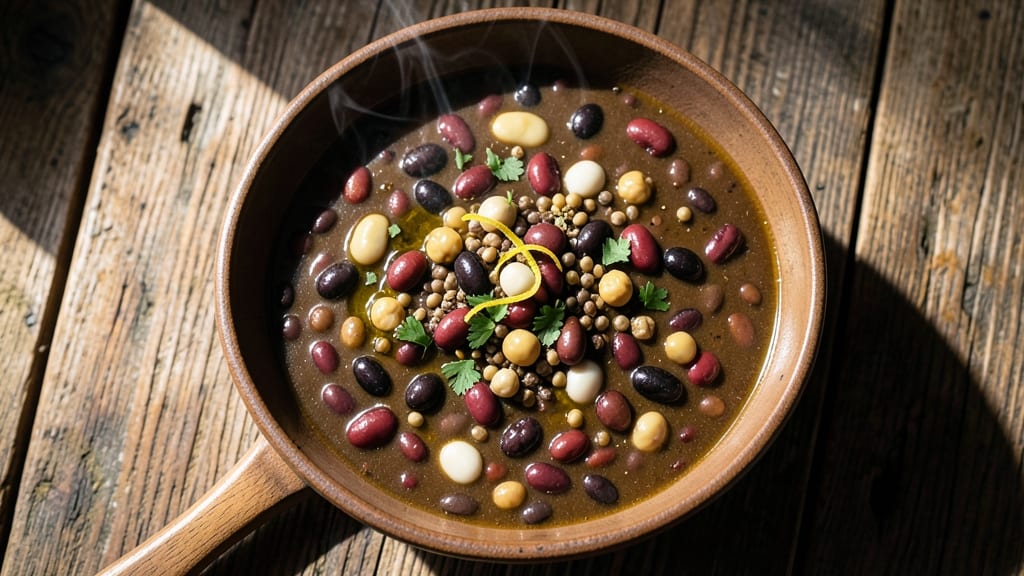
Bob Mills' 13 Bean Soup Recipe delivers that warm, comforting tradition that transforms simple pantry staples into a hearty family favorite. This classic dish has been a staple for generations, perfect for chilly evenings when you crave something substantial yet easy to prepare.
The beauty lies in its simplicity—just 13 types of beans, broth, and a few spices come together to create a rich, flavorful soup that tastes even better the next day.
What sets this recipe apart is its versatility—whether you're following the traditional stovetop method or using a slow cooker for hands-off cooking, the result is the same: a deeply satisfying bowl of soup with layers of texture and flavor.
The beans absorb the broth beautifully, creating a dish that's both nourishing and delicious. It's the kind of meal that brings people together, whether you're serving it at a holiday gathering or a quiet weeknight dinner.
The secret to achieving that authentic taste lies in the combination of beans—each variety contributes its own unique texture and flavor, from creamy navy beans to hearty kidney beans. The slow simmer allows all the flavors to meld together, creating a soup that's comforting and full of character.
This recipe is also incredibly flexible, making it easy to adapt to dietary preferences or ingredient availability.
Ready in about 2 hours (or even less with a pressure cooker), this soup is perfect for feeding a crowd or prepping ahead for meal prep. Pair it with crusty bread or a side of cornbread for the ultimate homestyle experience. Let's get started on creating this timeless classic!
Ingredients for bob mills 13 bean soup
Thirteen varieties of beans, aromatic broth, and a few pantry staples—this is Bob Mills' legendary soup, born from tradition and love.
| Ingredient | Amount | Notes |
|---|---|---|
| Dried Navy Beans 🌱 | 1 cup | Rinsed before cooking |
| Dried Kidney Beans 🌱 | 1 cup | Rinsed before cooking |
| Dried Black Beans 🌱 | 1 cup | Rinsed before cooking |
| Dried Pinto Beans 🌱 | 1 cup | Rinsed before cooking |
| Dried Great Northern Beans 🌱 | 1 cup | Rinsed before cooking |
| Dried Lima Beans 🌱 | 1 cup | Rinsed before cooking |
| Dried Chickpeas 🌱 | 1 cup | Rinsed before cooking |
| Dried Lentils 🌱 | 1 cup | Green or brown preferred |
| Dried White Beans 🌱 | 1 cup | Cannellini or great northern |
| Dried Red Beans 🌱 | 1 cup | Rinsed before cooking |
| Dried Butter Beans 🌱 | 1 cup | Rinsed before cooking |
| Dried Split Peas 🌱 | 1 cup | Yellow or green preferred |
| Vegetable Broth 💧 | 8 cups | Low-sodium preferred |
| Yellow Onion 🧅 | 1 whole | Diced, medium size |
| Garlic Cloves 🧄 | 4 cloves | Minced for depth |
| Celery Stalks 🥬 | 3 whole | Diced, fresh preferred |
| Carrots 🥕 | 2 whole | Diced, medium size |
| Bay Leaves 🌿 | 2 whole | Fresh preferred |
| Ground Black Pepper 🌶️ | 1 tsp | Freshly ground |
| Salt 🧂 | 1 ½ tsp | Adjust to taste |
| Olive Oil 🫒 | 2 tbsp | Extra-virgin preferred |
| Dried Thyme 🌿 | 1 tsp | Or 1 tbsp fresh |
The beans are the heart of this soup, and quality matters. Grab dried beans from the bulk section at Whole Foods or your local grocery store—just make sure they're labeled 'dried' and not canned. Bob Mills likely used whatever was on hand, but for even texture, I sort through mine to remove any small stones or debris. Navy beans add creaminess, kidney beans bring heartiness, and black beans give that signature deep color. Don't skip the variety—each bean contributes its own magic to the final bowl. If you're short on time, soak them overnight, but I find the slow cooker method (adding beans dry) works beautifully too.
No vegetable broth? Water with bouillon cubes gets you close, though the flavor won't be as rich. Fresh thyme is ideal, but dried works at one-third the amount—just crush it between your fingers to release the aroma. The onion, celery, and carrots are the 'holy trinity' of soup bases, so don't skimp on freshness. Wilted or bruised veggies will make the broth taste dull. For a smokier depth, add a dash of smoked paprika or a splash of Worcestershire sauce (ensure it's vegetarian). The beans can be swapped for canned if you're in a rush, but dried gives that authentic texture that makes this soup legendary.
This soup tastes even better the next day as the flavors meld together—make a double batch if you can. Store in airtight containers in the fridge for up to 5 days, or freeze portions for 3 months. I like to portion it into individual containers so I can grab and go. For meal prep, freeze the broth and beans separately, then reheat with fresh herbs added at the end. Garnish with fresh parsley or a drizzle of olive oil right before serving to keep it vibrant. The beans will thicken as they cool, so add a splash of broth if it seems too stiff when reheating.
Why You'll Love This Recipe
- No-Soaking Needed: I’ll admit, I used to dread the overnight soak—but these beans? Just a quick rinse and a 30-minute soak in hot water, then straight into the pot. That’s it. No fuss, no waiting all day.
- Deep, Earthy Richness: The mix of navy, kidney, and black beans gives this soup a texture and depth you won’t find in simpler bean dishes. The pinto and Great Northern add that satisfying bite, while the bacon (yes, it’s in there) ties it all together with smoky warmth.
- Meal Prep MVP: Between us, this is my go-to for busy weeks. Make a big batch on Sunday, and you’ve got lunch or dinner covered for days. Even better? It tastes better the next day as the flavors meld—no sad leftovers here.
- Pantry Staple Power: Honestly, if you’ve got dried beans and a few basics, you’re golden. No fancy ingredients, just pure, hearty satisfaction. And at under $1 per serving? It’s the kind of meal that makes you question why you ever order takeout.
Step-by-step instructions for Bob Mills' 13 bean soup
This legendary soup transforms humble pantry staples into a rich, hearty masterpiece with just a few simple techniques.
Soak and Prepare the Beans
Combine all 13 cups of dried beans (navy, kidney, black, pinto, great northern, lima, chickpeas, lentils, white, red, butter, split peas) in a large stockpot. Cover with cold water by about 2 inches and let soak overnight in the refrigerator. This overnight soak ensures even cooking and prevents the beans from becoming tough or splitting open during cooking.
Here's the thing—don't skip the soaking. The beans will triple in size, so make sure your pot is large enough. After soaking, drain the beans and rinse them thoroughly under cold water. This removes any impurities and prepares them for the flavor infusion that's about to happen. The beans should be plump and ready to absorb all the delicious aromatics we're about to add.
Sauté the Aromatics
In a large Dutch oven or heavy pot, heat the 2 tablespoons olive oil over medium heat. Add the diced yellow onion, diced celery stalks, diced carrots, and minced garlic cloves. Sauté for 8-10 minutes until the vegetables soften and the onion becomes translucent, and the garlic releases its fragrant aroma.
This step builds the flavor foundation. You'll know it's ready when the vegetables release their natural juices and the mixture smells like a cozy kitchen in autumn. Be patient—rushing this step means your soup will taste flat. If the vegetables start to brown too quickly, reduce the heat slightly to prevent burning.
Combine and Simmer
Add the drained beans to the pot with the sautéed vegetables. Stir well to coat the beans with the aromatic oil. Pour in the 8 cups vegetable broth, then add the 2 bay leaves, 1 teaspoon dried thyme, 1.5 teaspoons salt, and 1 teaspoon ground black pepper. Bring the mixture to a boil over high heat, then immediately reduce to a gentle simmer. Cover and cook for 2-2.5 hours on low heat.
The key here is patience. The soup should bubble gently but not vigorously. Check occasionally and add more broth if needed—about ½ cup at a time—to keep the beans submerged. You're looking for beans that are tender but not mushy. The lentils and split peas will cook faster than the larger beans, so this longer simmer ensures everything reaches perfect tenderness.
Season and Finish
After simmering, taste the soup and adjust the seasoning. You might need to add more salt or black pepper to taste. Remove the bay leaves as they can become bitter if left in too long. Let the soup cool slightly, then transfer it to a large bowl or serving dish. The flavors will continue to meld as it cools, making it even more delicious.
This soup tastes even better the next day, so if you can plan ahead, let it sit overnight in the refrigerator. The flavors deepen and intensify, creating that classic, comforting taste that makes this soup legendary. Serve it hot with crusty bread or over buttered cornbread for the ultimate experience.
Pro Tips For Making Bob Mills 13 Bean Soup
- SOAK BEANS OVERNIGHT—NOT JUST 4 HOURS: I learned this the hard way—those kidney beans will never soften properly if you just toss them in cold water for a quick soak. Use a big bowl, cover them with water by at least 2 inches, and let them sit 12+ hours. The Navy beans and Great Northerns will thank you with even texture, no matter how impatient you are.
- SKIP THE PRE-SORTING—BUT PICK OUT THE ROCKS: Yes, even if you’re in a hurry, take 2 minutes to run your dried beans through a colander under cold water. This washes off dust and debris, but don’t obsess over picking out every speck of grit—just grab the obvious rocks or shriveled beans. (Your future self will thank you when you’re not spitting out surprises.)
- SIMMER LOW AND SLOW—NO BOILING AFTER 20 MINUTES: After the initial boil to soften the beans, drop the heat to a gentle simmer. I used to keep it at a rolling boil, and the soup would turn mushy and split open. A low simmer (tiny bubbles, occasional skimming) keeps the beans intact and the broth clear—exactly how Bob Mills intended.
- ADD THE BACON FAT FIRST—IT’S THE FLAVOR GLUE: Don’t just toss in the bacon after it’s cooked. Render the fat in a separate pan, then pour it into the pot before adding the broth or beans. That fatty liquid coats everything as it simmers, locking in depth of flavor. (I know, it sounds like extra work, but it makes a real difference—trust me.)
Best sauces and condiments for this recipe
Classic Tomato Sauce
This homemade tomato sauce elevates the soup by adding a touch of acidity and depth. Simmer 1 can (28 oz) crushed tomatoes, 2 tbsp olive oil, 1 tsp dried oregano, and 1 tsp sugar for 15 minutes before ladling ½ cup over each bowl of soup.
The acidity cuts through the richness of the beans beautifully. 🍅
Smoky Chipotle Cream
For a creamy, smoky contrast, blend ½ cup sour cream, 1 tbsp chipotle in adobo, 1 tsp lime juice, and ½ tsp cumin until smooth.
Drizzle 1-2 tbsp over each serving for a tangy, slightly spicy finish. This adds a modern twist while keeping the soup's hearty essence intact.
Herbed Olive Oil
Infuse ½ cup extra-virgin olive oil with 2 tbsp fresh parsley, 1 tbsp fresh thyme, and 1 garlic clove (lightly crushed) for 10 minutes in a warm oven.
Strain and drizzle 1 tbsp over each bowl right before serving. The aromatic oil enhances the soup's natural flavors without overpowering them.
Spicy Mustard Vinaigrette
Whisk together 3 tbsp apple cider vinegar, 2 tbsp Dijon mustard, 1 tbsp honey, and ½ tsp smoked paprika. Thin with 2 tbsp water and drizzle 1 tbsp over the soup.
This bright, tangy sauce adds a sophisticated touch that pairs perfectly with the earthy beans. 💫
Creamy Horseradish Sauce
Mix ¼ cup sour cream, 1 tbsp prepared horseradish, and 1 tsp lemon juice for a sharp, creamy contrast. Spoon 1 tsp onto each serving for a peppery kick that complements the soup’s richness.
This sauce is especially good if you prefer a bit of heat without overwhelming the dish.
Garlic-Butter Cornbread Topping
For a showstopper, spread a thin layer of melted butter mixed with 1 minced garlic clove and ½ tsp parsley over a slice of cornbread. Place it on top of each bowl of soup to create a crispy, buttery crust that soaks up the broth beautifully.
This adds a comforting, Southern touch that’s hard to resist. 🥖
Nutrition facts
Frequently asked questions
Can I use canned beans instead of dried for this recipe?
Yes, you can absolutely use canned beans for convenience! Just drain and rinse 1 (15 oz) can of each bean type (about 13 cans total) to replace the dried beans. The texture will be slightly softer, but the flavor remains rich. For best results, combine canned with a few cups of dried beans to maintain that classic hearty texture.
How can I make this soup in a slow cooker?
Simply combine all ingredients in your slow cooker and cook on low for 8-10 hours or high for 4-5 hours. The slow cooker method is perfect for hands-off cooking and actually enhances the flavor development. Just add ½ cup broth if the soup gets too thick during cooking.
Why does my soup taste bland after cooking?
This usually happens when the beans aren't properly seasoned or the broth lacks depth. Try adding 1 extra bay leaf, ½ tsp smoked paprika, or a splash of Worcestershire sauce (vegetarian version) during cooking. Also, let the soup sit uncovered for 10 minutes after simmering to let flavors concentrate.
Can I freeze this soup for later?
Portion the soup into airtight containers, leaving ½ inch headspace at the top. It freezes beautifully for up to 3 months. Thaw overnight in the fridge and reheat on the stove with an extra splash of broth to restore creaminess.
What's the best way to thicken this soup?
If your soup is too thin, simmer uncovered for 10-15 minutes to reduce the liquid. For instant thickening, stir in 1-2 tbsp cornstarch mixed with water or mash some of the cooked beans. Avoid adding flour directly as it can make the soup taste gritty.