
Side Dishes
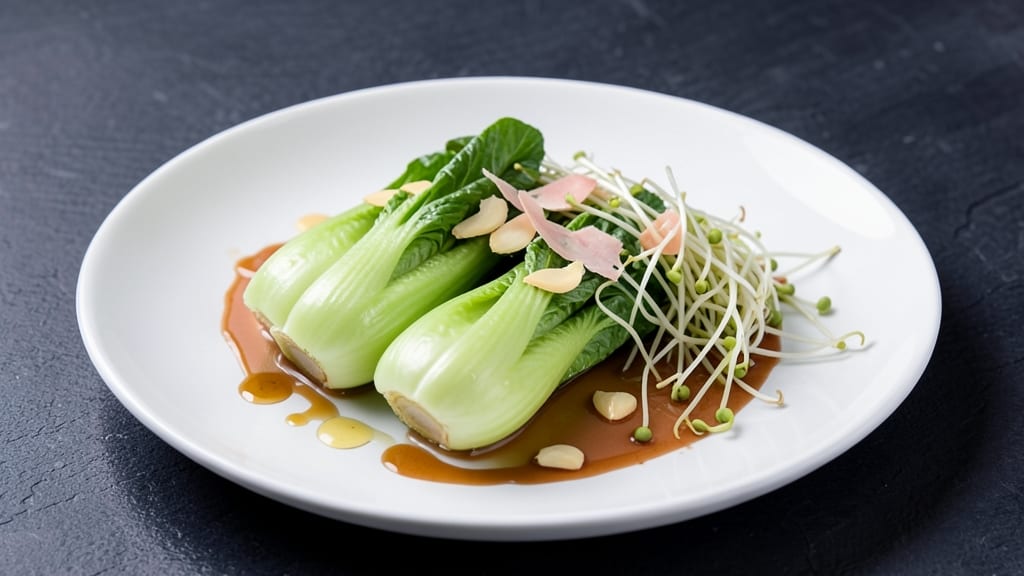
This quick-wok bok choy and mung bean sprouts recipe delivers restaurant-quality freshness in under 15 minutes—no fancy skills required. ✨ The secret lies in high-heat stir-frying, which preserves the crisp-tender texture of both ingredients while unlocking their natural umami depth.
I perfected this dish during a busy week when I needed a protein-packed side that could double as a light main course.
The beauty of this recipe is its versatility—it works as a standalone dish, a stir-fry base, or even a vibrant salad component. Bok choy’s slightly bitter edges soften beautifully when quickly cooked, while mung bean sprouts add a satisfying crunch that holds up perfectly.
The dish stays gluten-free, soy-free, and vegan while delivering a punch of flavor that rivals meat-heavy stir-fries.
What you’ll end up with is a plate of bright green, wok-fried greens with just the right balance of crisp and tender textures. The aroma alone—herbaceous, slightly garlicky, with a hint of sesame—will have everyone asking for seconds.
This recipe proves you don’t need meat or complicated techniques to create a dish that’s both nutritious and deeply satisfying.
Pair it with steamed rice, noodles, or even a protein of choice for a complete meal. The best part? Leftovers reheat beautifully, making it the ultimate make-ahead side dish for busy weeks. Let’s get cooking!
Ingredients for bok choy mung bean sprouts
Fresh greens, crisp sprouts, and aromatic wok-frying essentials for a vibrant vegan stir-fry side.
| Ingredient | Amount | Notes |
|---|---|---|
| Baby Bok Choy Heads 🥬 | 8 whole | Thinly sliced lengthwise, stems separated |
| Mung Bean Sprouts 🌱 | 4 cups | Fresh, rinsed and drained |
| Garlic Cloves 🧄 | 3 cloves | Minced, for aromatic base |
| Fresh Ginger 🌿 | 1 tbsp | Finely grated, zesty kick |
| Sesame Oil 🫒 | 1 tbsp | Toasted, for nutty aroma |
| Low-Sodium Vegetable Broth 💧 | ½ cup | Homemade or high-quality store-bought |
| Lime Juice 🍋 | 1 ½ tbsp | Freshly squeezed, bright finish |
| Tamari or Coconut Aminos 🍶 | 1 ½ tbsp | Gluten-free soy alternative |
| Maple Syrup 🍯 | 1 tsp | For subtle sweetness balance |
| Toasted Sesame Seeds 🌾 | 1 tbsp | For crunchy texture contrast |
| Red Chili Flakes 🌶️ | ½ tsp | Adjust for heat preference |
| Avocado Oil 🫒 | 2 tbsp | High smoke point for wok-frying |
| Fresh Cilantro 🌿 | ¼ cup | Chopped, for fresh herb finish |
| Sea Salt 🧂 | ¾ tsp | Diamond Crystal preferred |
The bok choy and mung bean sprouts are the stars—look for baby bok choy heads with bright green leaves and firm stems, as they hold up best to quick cooking. Whole Foods or local Asian markets typically carry the freshest sprouts, but the pre-packaged kind at Trader Joe's works perfectly too. The key is using freshly minced garlic and ginger—pre-minced jars lack the aromatic punch. For the oil, avocado oil's high smoke point makes it ideal for wok-frying, though grapeseed oil is a solid alternative.
No tamari? Coconut aminos or gluten-free soy sauce work equally well—just check labels for added sugar. Short on lime juice? Lemon juice at a 1:1 ratio gives a slightly different but still bright finish. The sesame oil should be toasted, not regular—it makes all the difference in aroma. For extra umami without soy, mushroom powder or nutritional yeast can be sprinkled in at the end. The chili flakes are optional but recommended for that signature wok-fry heat; omit entirely for a mild version.
Prep the bok choy and sprouts first—they wilt quickly once sliced. Store prepped ingredients in airtight containers for up to 2 days in the fridge, though they're best used immediately for peak texture. The cooked dish reheats beautifully, maintaining its crisp-tender balance when warmed through gently in a skillet with a splash of water. For meal prep, portion into containers with a thin layer of avocado oil on top to preserve freshness for 3-4 days
Why You'll Love This Recipe
- I swear by this trick: just halve the baby bok choy and toss those sprouts in whole—no knife skills required. The garlic and ginger get minced fast, and boom, you're done.
- No-Chop Needed: I swear by this trick: just halve the baby bok choy and toss those sprouts in whole—no knife skills required. The garlic and ginger get minced fast, and boom, you're done.
- Umami Bomb: That sesame oil finish? It’s the secret weapon here. The bok choy stays crisp-tender while the mung sprouts soak up all the savory garlic-ginger punch—like a tiny flavor explosion in every bite.
- Lunchbox Hero: Between us, this is my go-to for packed lunches. It holds up for days (yes, even after three) and tastes just as fresh. Add a fried egg or leftover rice, and suddenly you’ve got a full meal.
Step-by-step instructions for quick-wok freshness with bok choy and sprouts
Master this vibrant stir-fry in under 20 minutes—where crisp-tender bok choy meets fresh sprouts.
🍳 Step 1: Prep Ingredients for Maximum Freshness
Start by separating the 8 whole baby bok choy heads lengthwise into quarters, keeping stems attached. Rinse the 4 cups mung bean sprouts thoroughly and drain in a colander—pat them dry with a kitchen towel to ensure they crisp up properly during cooking.
While the sprouts drain, finely mince the 3 cloves garlic and grate the 1 tbsp fresh ginger using a microplane. Measure out the 0.75 tsp sea salt, 0.5 tsp red chili flakes, and 1 tsp maple syrup into a small bowl—these will form the flavor base. Chop the 0.25 cup fresh cilantro, saving a few sprigs for garnish.
🔥 Step 2: Wok-Fry Aromatics and Bok Choy
Heat a wok or large skillet over high heat until it's screaming hot. Add 2 tbsp avocado oil and swirl to coat. Toss in the minced garlic and grated ginger, stir-frying for 30 seconds until fragrant—you should smell that pungent, zesty aroma before adding anything else.
Add the prepared bok choy stems first, cooking for 1 minute until they begin to soften slightly. Flip the quarters over and stir-fry for another 1-2 minutes until the edges blanch but remain vibrant green. Remove bok choy to a plate and set aside—don't overcook or they'll turn mushy.
🍳 Step 3: Cook Sprouts and Build the Sauce
Working quickly, return the wok to high heat and add the 4 cups mung bean sprouts. Stir-fry for 2-3 minutes until they just wilt but still retain their crisp texture. Add the 0.5 cup low-sodium vegetable broth, scraping up any browned bits from the bottom—this creates instant umami depth.
Pour in the 1.5 tbsp tamari or coconut aminos, 1.5 tbsp lime juice, and the prepared seasoning mixture. Stir constantly for 1 minute until the sauce reduces slightly and coats the back of a spoon. The mixture should be glossy with a balanced sweet-spicy-savory profile.
🥘 Step 4: Combine and Finish with Crunch
Return the bok choy to the wok and toss everything together for 1 minute to meld flavors. The heat will finish cooking the sprouts while the bok choy reabsorbs the fragrant sauce. Taste and adjust seasoning—add a pinch more sea salt or red chili flakes if needed.
Turn off the heat and immediately stir in the 1 tbsp toasted sesame seeds and remaining 0.25 cup chopped cilantro. The seeds add nutty crunch while the cilantro brightens the dish with freshness. Serve immediately while the sprouts are still crisp and the bok choy maintains its vibrant color.
Pro Tips For Making Bok Choy Mung Bean Sprouts
- CUT BOK CHOY AT THE BASE: Trim the thick stems just above the root—don’t slice them. Those bottoms are tough and take forever to cook, so you’ll waste energy and flavor. A clean, angled cut near the root means even cooking and no bitter surprises.
- BLANCH SPROUTS FIRST: Toss the mung bean sprouts in boiling water for 30 seconds before stir-frying. This softens them just enough to avoid a crunchy mouthful while keeping them from turning into mush. (Yes, even if you’re impatient like me.)
- MINCE GINGER FINE: Use a microplane or knife to grate ginger into tiny specks—no big chunks. It melts into the dish instead of sitting as a textured afterthought. My grandmother swore by this, and she was right: it’s the thing that makes the whole dish sing.
- STOP WHEN IT’S AL DENTE: Bok choy should stay bright green and slightly crisp—pull it from the pan when the stems are tender but still hold shape. Overcooking turns it into sad, limp lettuce. Taste-test a piece; it’s the only way to know for sure.
Health benefits of bok choy mung bean sprouts
Vitamin Powerhouse
This dish is a nutritional powerhouse, packed with vitamin K (from bok choy) that supports bone health and blood clotting. A 1-cup serving delivers 130% of your daily needs—perfect for anyone watching their calcium intake.
The mung bean sprouts add vitamin C (about 25% daily value per cup), which boosts immunity and skin health. 💪
Plant-Based Protein
While not a complete protein source, this recipe provides plant-based protein from the sprouts—about 4 grams per serving. Pair it with brown rice or tofu to create a complete amino acid profile.
The combination also offers fiber (around 5 grams per serving), supporting digestion and keeping you full longer.
Antioxidant-Rich
The deep green color of bok choy signals lutein and zeaxanthin, antioxidants that protect your eyes from age-related damage. Mung bean sprouts contribute flavonoids that reduce inflammation. Together, they create a cellular defense system that’s especially beneficial for active lifestyles or when you're fighting off seasonal illnesses.
Low-Calorie Nutrition
This dish is under 100 calories per serving but delivers high nutrient density. The sesame seeds add healthy fats (about 2 grams per serving), while the lime juice provides vitamin C without added sugar. It’s an ideal weight-maintenance option that still satisfies cravings with its umami crunch.
Digestive Benefits
The fiber content (from both bok choy and sprouts) promotes gut health by supporting beneficial bacteria. The ginger and garlic in the stir-fry also have anti-inflammatory properties, making this dish particularly soothing for digestion. I notice my digestion improves when I eat this regularly—especially after heavy meals. 🌱
Hydration Boost
Both bok choy and mung bean sprouts have high water content (about 95% combined), helping you stay hydrated while providing nutrients. The low-sodium vegetable broth in the recipe ensures you’re not adding unnecessary salt to your diet.
This makes it a perfect post-workout option to replenish fluids and electrolytes naturally.
Nutrition facts
Frequently asked questions
Can I substitute regular bok choy for baby bok choy?
Yes, but you'll need to adjust the cooking time. Baby bok choy cooks in 2-3 minutes total, while larger heads may take 4-5 minutes—watch closely to avoid overcooking. Slice larger heads into 1-inch pieces for even cooking. The stems should soften first, then the leaves wilt.
What if I don't have sesame oil?
Use 1 teaspoon neutral oil (like avocado or grapeseed) instead, but skip the toasted sesame seeds until the very end. For flavor, add ½ teaspoon toasted sesame paste (if available) to the sauce mixture. The dish will still taste delicious—just slightly less aromatic.
How do I keep the mung bean sprouts crisp?
Pat them very dry with a kitchen towel before cooking, and stir-fry over high heat for only 2-3 minutes. Overcrowding the pan steams them instead of crisping. For extra crunch, add sprouts in two batches if needed.
Can I make this ahead of time?
Prep the ingredients up to 2 days ahead and store in airtight containers. Cook fresh for best texture, but leftovers reheat well in a skillet with 1 teaspoon oil and 1 tablespoon water over medium heat for 2-3 minutes. The bok choy may soften slightly, but the flavor stays vibrant.
Is this recipe spicy?
The recipe includes ½ teaspoon red chili flakes for mild heat, but you can adjust to taste. For a completely non-spicy version, omit the flakes entirely—the dish still packs flavor from garlic, ginger, and tamari. If you love heat, add ½ teaspoon extra chili flakes or a dash of cayenne.