
Sauces & Condiments
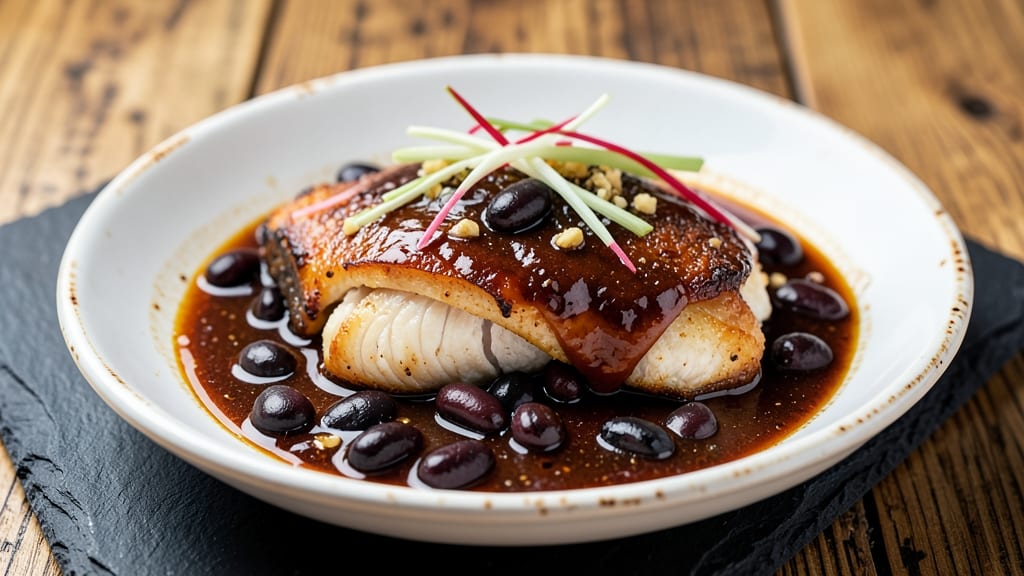
This braised fish with black bean sauce transforms simple white fish into a restaurant-worthy dish with just 30 minutes of hands-on time.
The secret lies in slow-simmering the fish in a rich, earthy sauce made from black beans, aromatics, and a touch of soy—creating tender, flaky fish with deep, savory flavors.
I developed this recipe after searching for a way to elevate weeknight dinners without complicated techniques, and it never fails to impress.
The beauty of this dish is its balance—silky fish absorbs the umami from the black bean sauce while maintaining its delicate texture.
We start by building flavor in the pan with garlic, ginger, and scallions before adding the beans and fish, then letting everything simmer until the fish is just tender and the sauce thickens into a velvety consistency.
The result is a dish that's both comforting and elegant, perfect for special occasions or a cozy night in.
What makes this recipe stand out is its versatility—serve it over steamed jasmine rice for a complete meal, or pair it with bok choy and sesame seeds for a restaurant-style presentation.
The black bean sauce adds depth without overpowering the fish, making it a crowd-pleaser for both seafood lovers and those new to braising techniques. The method is simple, but the results are anything but basic.
This braised fish is naturally pescatarian-friendly and packed with plant-based protein from the black beans, making it a satisfying choice for any meal. The dish also reheats beautifully, so leftovers taste just as good the next day.
Let's create this harmonious blend of textures and flavors that will have everyone asking for seconds.
Ingredients for braised fish with black bean sauce
Simple ingredients elevate this dish to restaurant-quality harmony in one pan.
| Ingredient | Amount | Notes |
|---|---|---|
| White Fish Fillets 🐟 | 1 ½ lb | Cod, tilapia, or halibut preferred |
| Black Beans 🫘 | 1 cup | Drained and rinsed, canned or cooked |
| Light Soy Sauce 🥢 | 2 tbsp | Low-sodium preferred |
| Garlic Cloves 🧄 | 4 cloves | Minced finely for depth |
| Fresh Ginger 🌿 | 1 tbsp | Grated finely, aromatic base |
| Scallions 🧅 | 4 whole | Thinly sliced, white and green parts |
| Sesame Oil 🫒 | 1 tbsp | Toasted for nutty aroma |
| Jasmine Rice 🍚 | 1 cup | Uncooked, for serving |
| Vegetable Oil 🫒 | 2 tbsp | Neutral high smoke point |
| Water 💧 | 1 ½ cups | For simmering sauce |
| Green Onions 🧅 | 2 whole | Chopped, for garnish |
| Sesame Seeds 🌾 | 1 tsp | Toasted for crunch |
| Salt 🧂 | ½ tsp | Adjust to taste |
| Black Pepper 🌶️ | ¼ tsp | Freshly ground |
The fish is the star, so choose firm, skinless fillets—cod or halibut hold up best to braising. Look for fresh cuts at the seafood counter, ideally with bright, translucent flesh. If using frozen, thaw overnight in the fridge. For the black beans, low-sodium canned is ideal (rinsed well), but cooked beans work too. The ginger and garlic should be freshly grated/minced—freeze-dried won’t cut it here. Grab toasted sesame oil from the Asian aisle at Trader Joe's or Whole Foods for that authentic nutty depth.
No light soy sauce? Dark soy sauce at half the amount adds color but less salt. Fresh ginger too pungent? Substitute 1 tsp ground ginger, but you’ll lose some complexity. Scallions missing? Green onions work—just use the white parts only for milder flavor. The sesame oil can be skipped if you’re avoiding strong aromas, but 1 tsp regular sesame oil still adds character. For extra umami, add ½ tsp fish sauce (ensure it’s vegetarian-friendly if needed). The rice? Jasmine or basmati both work—just don’t skip it. It soaks up that velvety sauce like a dream.
Leftovers keep for 3 days in the fridge, but the sauce thickens further overnight—stir in 1 tbsp water if it gets too clingy. Freezes beautifully for up to 2 months—portion into airtight containers with a splash of water to prevent drying. Garnish with toasted sesame seeds right before serving (they burn fast). For extra presentation, serve over steamed jasmine rice with a sprinkle of green onions and a drizzle of extra sesame oil. The fish stays moist when reheated—just warm gently on low heat.
Why You'll Love This Recipe
- One-Pan Magic: I swear by this recipe when I’m too tired to scrub pots—just toss everything in one skillet, let it simmer, and walk away. The fish stays tender while the black beans soak up all that garlic-ginger-soy magic without any fuss.
- Umami Bomb: That black bean sauce? It’s where the real flavor lives—deep, savory, and just a little funky from the fermented beans. The light soy sauce balances it perfectly, giving the fish a glossy finish that tastes like it took hours (but didn’t).
- Lunchbox Hero: Between us, this is my go-to for meal prep. The sauce clings to the fish so well it reheats beautifully, and I’ve packed it in bento boxes for work or school lunches without a single complaint. (My kid even asks for it on Fridays.)
- Budget Win: White fish fillets and dried black beans stretch this dish farther than you’d think—especially when you bulk it up with rice or noodles. Honestly, it’s one of those recipes where the ingredients cost next to nothing, but the satisfaction is priceless.
Step-by-step instructions for braised fish with black bean sauce
This method transforms delicate fish into tender, flavorful bites with a rich black bean sauce—simple yet sophisticated.
Prepare the Fish and Aromatics
Pat the 1.5 lb white fish fillets completely dry with paper towels. Season both sides generously with 0.5 tsp salt and 0.25 tsp black pepper. The dry surface ensures a better sear and prevents the fish from steaming instead of browning.
In a small bowl, combine the 1 cup black beans (drained and rinsed), 2 tbsp light soy sauce, 4 cloves minced garlic, 1 tbsp grated fresh ginger, and 4 whole thinly sliced scallions. Mix well—this blend forms the aromatic base of your sauce. Let it sit for 5 minutes while you prepare the pan.
Sear the Fish in Vegetable Oil
Heat 2 tbsp vegetable oil in a large skillet over medium-high heat until shimmering but not smoking. Add the fish fillets in a single layer, skin-side down if present. Cook undisturbed for 3-4 minutes until the bottom is golden brown and crispy in spots. Flip carefully and cook for another 2-3 minutes until the fish is opaque throughout.
Remove the fish from the skillet and set aside on a plate. The residual heat will keep it warm while you build the sauce. If the fish releases easily from the pan, it's ready—if it sticks, let it cook another 30 seconds before flipping.
Build the Black Bean Sauce
Reduce the heat to medium-low and add the prepared black bean mixture to the same skillet. Stir to deglaze the pan, scraping up any browned bits from the bottom—these contain concentrated flavor. Let the mixture simmer gently for 4-5 minutes until it thickens slightly and the raw garlic scent mellows into a savory aroma.
Pour in 1.5 cups water and bring to a gentle simmer. Add 1 tbsp toasted sesame oil and stir. The sauce should coat the back of a spoon but remain loose enough to coat the fish. If it thickens too much, add 1-2 tablespoons water to reach your desired consistency.
Braise the Fish in Sauce
Return the fish fillets to the skillet, spooning the black bean sauce over them. Cover and simmer gently for 6-8 minutes until the fish is just cooked through and flakes easily with a fork. The sauce should infuse the fish with its earthy, umami-rich flavor while keeping the fillets tender.
Check for doneness by inserting a fork into the thickest part of the fish—it should slide in easily and the fish should separate into clean flakes. Remove the skillet from heat and let it rest for 2-3 minutes before serving.
Serve with Jasmine Rice and Garnishes
Cook 1 cup jasmine rice according to package instructions until tender and fluffy. Divide the rice among serving plates and top each with a braised fish fillet. Spoon the black bean sauce generously over the fish, allowing it to cascade down the sides for visual appeal.
Garnish with 2 whole chopped green onions and 1 tsp toasted sesame seeds for color and texture contrast. The sesame seeds add a subtle nutty crunch, while the green onions brighten the dish with a fresh finish. Serve immediately while the fish is still warm and the sauce is silky.
Pro Tips For Making Braised Fish With Black Bean Sauce
- Sear the Fish First: Fish fillets release water when cooked, and if you toss them straight into the braise, your sauce will turn into a sad, diluted mess. Hit the fish with a quick sear in a hot pan—just 30 seconds per side—before adding anything else. The crust locks in flavor and keeps the fillets from falling apart.
- Soak Beans for 2 Hours: I used to just rinse black beans and toss them in, but that leaves them too firm and underwhelming. Soak them for at least 2 hours (or overnight if you’re planning ahead) to soften them up—this makes them break down just right in the braise and soak up the sauce like a sponge. No soaking? At least simmer them for 10 minutes before adding the fish.
- Low and Slow After Browning: The garlic and ginger need to sizzle for 2-3 minutes to build flavor, but once you add the soy sauce and beans, drop the heat to medium-low. Rushing this step means the sauce will taste raw and sharp instead of deep and caramelized. Think "gentle simmer," not "rolling boil"—the fish will cook through without falling apart.
- Use a Splash of Water: The sauce should coat everything but not drown it. If it looks too thick after 10 minutes, add ¼ cup water or fish stock to loosen it up. Too thin? Simmer uncovered for another 5 minutes—just don’t walk away. The goal is a glossy, clingy sauce, not a watery soup.
Storing and reheating this braised fish with black bean sauce
Fridge Storage Tips
Transfer your braised fish to an airtight container within 2 hours of cooking to preserve freshness. The sauce thickens slightly overnight, so store it with a tight-fitting lid to prevent evaporation.
Keep it refrigerated for up to 3 days—the flavors actually deepen as the ingredients meld. I like using glass Pyrex containers because they’re microwave-safe and don’t absorb odors. 🧊
Freezer-Friendly Prep
For longer storage, freeze the dish in single-serving portions using quart-sized freezer bags. Leave 1-inch headspace to account for sauce expansion. Label with the date—this beauty keeps for 2 months without losing texture.
Thaw overnight in the fridge before reheating. Never microwave frozen portions directly; partial thawing ensures even heating. 🥶
Gentle Reheating
For best results, reheat on the stovetop over low heat with 1-2 tablespoons water to loosen the sauce. Cover the pan and simmer for 5-7 minutes, stirring occasionally, until the fish reaches 145°F internal temperature.
The sauce should coat the back of a spoon but remain silky. Avoid high heat—it turns the fish rubbery. 🔥
Microwave Shortcut
If you’re in a hurry, use the microwave on 50% power for 2-3 minutes, stirring halfway. Add a splash of water if the sauce looks dry. Let it sit covered for 1 minute after heating to redistribute juices.
The fish reheats faster than you’d expect—just 1-2 minutes total. This method works best for 1-2 servings at a time. ⏰
Sauce Rescue
If your sauce thickens too much after reheating, revive it with 1 tablespoon water or fish stock. For extra richness, stir in ½ teaspoon toasted sesame oil or a pinch of fish sauce.
The black beans absorb flavors beautifully, so don’t worry if the sauce looks slightly separated—just give it a quick stir before serving. 💫
Garnish Refresh
Before serving reheated fish, brighten it with chopped green onions and toasted sesame seeds. The fresh herbs cut through any reheated richness, while the seeds add crunch.
For an extra pop, drizzle with 1 teaspoon toasted sesame oil right before eating. Presentation matters—even reheated food deserves a little love! ✨
Nutrition facts
Frequently asked questions
Can I use frozen fish for this recipe?
Yes, but thaw it properly first! Place frozen fish fillets in a sealed bag and submerge in cold water for 20-30 minutes until pliable. Never thaw at room temperature—it causes uneven cooking. For best results, use fish thawed overnight in the fridge to maintain texture.
What if my sauce gets too thick after simmering?
Simply add 1-2 tablespoons water and stir gently. The black beans help stabilize the sauce, but it should remain silky, not gluey. For extra depth, a splash of fish stock or light soy sauce works too. The sauce thickens further when cooled—plan for a slightly looser consistency while hot.
Which fish works best for braising?
Firm white fish like cod, halibut, or tilapia hold up best to braising. Avoid delicate fish like flounder—they fall apart too easily. For extra tenderness, choose fillets with even thickness (about 1-inch thick) so they cook uniformly.
Can I make this dish in a slow cooker?
Sear the fish first, then transfer everything to the slow cooker on low heat for 2-3 hours. The gentle cooking keeps the fish moist while developing deep flavors. Add ½ cup water if the sauce looks dry during cooking. The texture will be slightly different but equally delicious.
How do I know when the fish is fully cooked?
The fish is done when it reaches 145°F internal temperature and flakes easily with a fork. For visual cues, look for opaque, white flesh (no translucent edges) and a slight separation between flakes. Overcooking makes fish dry—remove it just as it reaches doneness.