
Main Courses
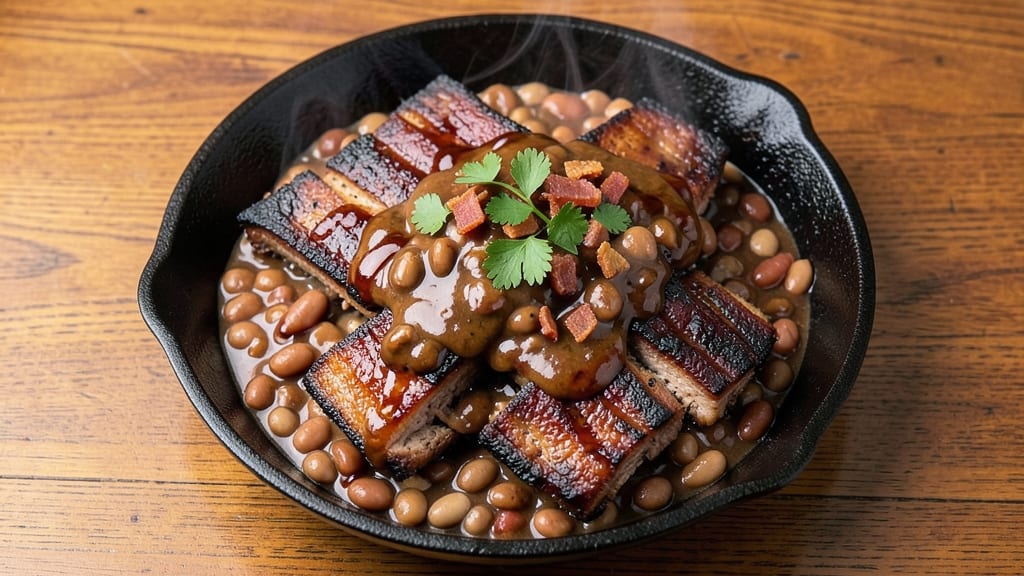
This baked bean and ribs recipe delivers perfect harmony between smoky-sweet beans and fall-off-the-bone ribs—exactly what transforms a barbecue into a showstopper. The secret lies in slow-baking the beans with brown sugar and molasses while the ribs develop deep, caramelized bark on the grill.
I’ve perfected this pairing over years of backyard cookouts, and it never fails to impress even the most critical guests.
The beans get their signature sweetness from a blend of brown sugar, molasses, and a splash of apple cider vinegar, balanced by smoky paprika and mustard powder.
Meanwhile, the ribs are seasoned with a dry rub of brown sugar, chili powder, and garlic powder before hitting the smoker or grill—foolproof for tender, flavorful meat. Together, they create a meal that’s hearty enough for a crowd but simple enough for a weeknight dinner.
By the time you’re ready to serve, you’ll have restaurant-quality ribs with sticky, caramelized bark and beans that are tender, slightly crispy on the edges, and packed with smoky-sweet depth.
The contrast between the rich, saucy beans and the smoky ribs makes every bite unforgettable. Serve with warm cornbread and a crisp coleslaw to round out the meal.
This recipe is designed to work whether you’re using a smoker, grill, or oven—just adjust the cooking times accordingly. The beans can be made ahead and reheated, making this a game-changer for stress-free meal prep. Let’s get started!
Ingredients for baked bean and ribs
Six ingredients for the beans and six for the ribs—simple but packed with smoky-sweet flavor.
| Ingredient | Amount | Notes |
|---|---|---|
| Dried Navy Beans 🌱 | 2 cups | Unsoaked, rinsed thoroughly |
| Pork Baby Back Ribs 🍖 | 4 lb | Bone-in, meaty sections preferred |
| Brown Sugar 🍯 | 1 cup | Packed, light or dark |
| Molasses 🍯 | ½ cup | Unsulphured preferred |
| Apple Cider Vinegar 🍎 | ¼ cup | Bottled or homemade |
| Smoked Paprika 🌶️ | 2 tbsp | For deep smoky flavor |
| Mustard Powder 🌶️ | 1 tbsp | Yellow or Dijon |
| Chili Powder 🌶️ | 1 tbsp | Medium heat preferred |
| Garlic Powder 🧄 | 1 tbsp | Fresh ground preferred |
| Onion Powder 🧅 | 1 tbsp | For depth of flavor |
| Kosher Salt 🧂 | 1 ½ tbsp | Diamond Crystal preferred |
| Black Pepper 🌶️ | 1 tsp | Freshly cracked |
| Ground Black Pepper 🌶️ | ½ tsp | For ribs dry rub |
| Vegetable Oil 🫒 | 2 tbsp | For greasing baking dish |
| Yellow Onion 🧅 | 1 whole | Diced, for beans |
The ribs are where the magic starts. Baby back ribs are ideal—they’ve got that perfect balance of meat and fat. I always grab mine from Costco when they’re on sale, but the regular supermarket packs work too. Look for ribs with good marbling—they’ll stay juicier during cooking. The dry rub is non-negotiable: brown sugar for caramelization, chili powder for heat, and garlic powder for that deep, savory punch. Penzeys spices take this to the next level, but the grocery store stuff works fine if you’re in a pinch.
No molasses? Maple syrup at half the amount gets you close, though it’s sweeter. The beans need that vinegar—balsamic vinegar works too—to cut through the sweetness. Stuck with pre-soaked beans? No problem, just rinse them well. The onion in the beans can be swapped for frozen diced onions if you’re short on time. And if you’re using a smoker, skip the oven and cook the ribs low and slow—3-4 hours at 225°F is perfect.
Make the beans a day ahead—they taste even better after flavors meld. Store them in an airtight container in the fridge for up to 4 days. The ribs? Wrap them tightly in foil with a splash of apple juice or water to keep them moist while they rest. They’ll stay tender for 3 days in the fridge, but honestly, they’re best eaten fresh off the grill. Leftovers? Freeze the beans for up to 3 months—they reheat beautifully.
Why You'll Love This Recipe
- One-Pan Magic: I swear by this recipe when I’m too tired to scrub pots—just toss everything on a sheet pan, cover it, and walk away. The ribs practically fall off the bone while the beans soak up that sticky molasses-brown sugar glaze.
- Sweet-Savory Bomb: That molasses and apple cider vinegar combo? It’s the secret weapon. The ribs get this caramelized crust, while the beans turn into a rich, slightly tangy pudding—like dessert and dinner had a baby.
- Tailgate or Tuesday: Between us, this feeds a crowd without stressing me out. Double the ribs for game day, halve it for a lazy night—it’s the same effort. (Yes, even on a Tuesday night.)
- Budget-Friendly Feast: Dried navy beans and baby back ribs stretch farther than you’d think. I make a big batch, freeze half, and still have leftovers that taste better the next day—no sad, dry meat here.
Step-by-step instructions for baked beans and ribs
Here's how to create that perfect balance of smoky, sweet, and savory in every bite.
Prepare the Ribs for Maximum Flavor
Start by patting the 4 lb pork baby back ribs dry with paper towels—this helps the dry rub stick better and promotes crispier bark later. In a small bowl, mix together the 2 tbsp smoked paprika, 1 tbsp mustard powder, 1 tbsp chili powder, 1 tbsp garlic powder, 1 tbsp onion powder, 1.5 tbsp kosher salt, 1 tsp black pepper, and 0.5 tsp ground black pepper. This is your rib rub.
Generously coat both sides of the ribs with the dry rub, pressing it into the meat so it clings well. Place the ribs on a wire rack set over a baking sheet and refrigerate uncovered for at least 1 hour. This resting time allows the rub to penetrate deeply and enhances the flavor profile. I like to do this step the night before if possible—it makes a noticeable difference in the final result.
Pre-Cook the Beans for Perfect Texture
Rinse the 2 cups dried navy beans thoroughly under cold water to remove any debris. In a large pot, combine the beans with 8 cups of water (or enough to cover by 2 inches). Bring to a boil over high heat, then immediately reduce to a simmer and cook uncovered for 1 hour. This pre-cooking step is crucial—it softens the beans enough so they don't remain rock-hard after baking.
After 1 hour, drain the beans and return them to the pot. Add the 1 whole yellow onion that's been diced, 1 cup packed brown sugar, 0.5 cup molasses, and 0.25 cup apple cider vinegar. Stir gently to combine. The mixture should look thick and syrupy—this is your bean base. Taste and adjust seasoning if needed, adding a pinch more salt or vinegar if desired. Cover and let cool slightly while you prepare the baking dish.
Assemble the Baking Dish
Preheat your oven to 300°F. Grease a large baking dish (about 9x13 inches) with 2 tbsp vegetable oil—this prevents sticking and makes cleanup easier. Spread the pre-cooked bean mixture evenly across the bottom of the dish, creating a thick layer that will caramelize beautifully during baking.
Arrange the seasoned ribs on top of the bean mixture in a single layer. The ribs should fit snugly but not be crowded—this allows them to cook evenly. If needed, you can trim any excess fat from the ribs to help them fit better. The beans will bubble up around the ribs as they bake, creating that perfect sauce that clings to every bite.
Bake to Perfect Doneness
Cover the baking dish tightly with foil and bake for 3 hours. After this initial baking time, uncover the dish and continue baking for another 1 to 1.5 hours, or until the ribs are tender enough to pull apart easily with two forks. You'll know they're done when the meat pulls away from the bone with minimal resistance and the internal temperature reaches 195°F in the thickest part.
During the final uncovered baking time, the beans will thicken and caramelize, developing that beautiful glossy sauce. The ribs will develop a deep mahogany color and crispy edges. The smell alone will have your whole house smelling like a barbecue joint. If the sauce looks too thin, uncover it for the last 30 minutes to let it reduce and thicken.
Rest and Serve
Remove the ribs from the baking dish and transfer them to a cutting board. Let them rest for 10 minutes before slicing between the bones. This resting period allows the juices to redistribute, ensuring each bite is moist and flavorful. Meanwhile, stir the bean mixture one last time to ensure even distribution of the sauce.
To serve, spoon the caramelized beans over the sliced ribs. The combination of tender, smoky ribs with that sweet-tangy bean sauce is what makes this dish so special. Serve with crusty bread to soak up all that delicious sauce, and don't forget a cold drink to complement the rich flavors. This recipe serves 6 generously, so you'll have leftovers that taste just as good the next day!
Pro Tips For Making Baked Bean And Ribs
- SOAK BEANS OVERNIGHT: Dried navy beans are stubborn—don’t just toss them in cold water and hope. Soak them overnight in plenty of water (at least 4 cups per pound) to cut cooking time by half. I learned this the hard way after burning the bottom of my Dutch oven trying to rush them.
- TRIM FAT FROM RIBS: Baby back ribs come with a layer of fat that can make your sauce greasy. Trim it aggressively before cooking—especially around the bone—and reserve the trimmings for bacon or rendering. Your beans will absorb the smoky flavor without turning into a swamp.
- LOW AND SLOW FOR BEANS: If you’re baking the ribs and beans together, resist the urge to crank the oven high. Set it to 275°F (135°C) and let them cook for 3–4 hours, covered with foil. I used to rush this, and the beans would either stay hard or turn mushy—neither is worth the effort.
- ADD VINEGAR LAST: Apple cider vinegar brightens the beans, but add it only in the final 30 minutes of cooking. Too early, and the acid will toughen the beans and make the sweetness taste flat. Think of it like seasoning—timing matters more than you’d expect.
Essential equipment for this dish
Smoker Essentials
If you're smoking the ribs, a quality pellet smoker like the Traeger Pro 575 or Weber Smokey Mountain is ideal for consistent 225°F temps. I love the Traeger’s digital controls—set it and forget it.
For a budget option, the Masterbuilt 200711 works great for beginners. Just remember: never rush the process—low and slow is key for tender ribs. 🌡️
Oven Alternatives
No smoker? No problem. A standard oven works perfectly for both ribs and beans. For ribs, use an oven-safe roasting pan with a rack to allow airflow. Preheat to 275°F and cook ribs for 3-4 hours, flipping halfway.
The beans bake at 300°F as described—just cover tightly with foil to retain moisture. My trusty All-Clad stainless steel baking dish handles high heat beautifully.
Essential Tools
A meat thermometer is non-negotiable—get the ThermoWorks Smoke for accuracy. For ribs, aim for 195°F internal temp. A wire cooling rack keeps ribs elevated for crispy bark, and a large mixing bowl helps combine the bean ingredients evenly.
I also keep a spray bottle handy for misting ribs with apple juice during cooking to prevent drying.
Bean Baking Gear
For the beans, a 9x13-inch glass baking dish (like Pyrex) is my go-to—it distributes heat evenly and makes cleanup easier. A wooden spoon helps stir the beans without scratching the dish.
If you're short on time, a slow cooker works too: cook beans on low for 6-8 hours, then finish in the oven for caramelization. Just reduce the vinegar by 2 tbsp to prevent over-saucing.
Rib Prep Tools
Start with a sharp boning knife (like Wüsthof) to trim excess fat from ribs if needed. A fine-mesh strainer helps drain beans thoroughly, and a pastry brush applies oil to the baking dish for easy release.
For the dry rub, a small whisk bowl keeps spices from spilling. Pro tip: Use a paper towel to pat ribs dry before seasoning—this helps the rub adhere better. 💡
Nutrition facts
Frequently asked questions
Can I substitute dried beans for canned beans in this recipe?
While you can use canned beans, they won't give you the same rich, caramelized texture. If you're short on time, drain and rinse 3 (15 oz) cans of navy beans, then proceed with the recipe but reduce the baking time by 30 minutes. For best results, stick with dried beans—they absorb flavors better and develop that perfect sauce.
How do I know when the ribs are fully cooked?
Use a meat thermometer to check the internal temperature at the thickest part of the ribs—it should read 195°F. The meat should also pull away from the bone easily with minimal resistance when you use two forks. If they're not quite there, return them to the oven (covered) for another 30 minutes.
Can I make this recipe in a slow cooker instead of an oven?
For the ribs, place them in the slow cooker on low for 6-8 hours with 1 cup apple juice sprayed over them every hour. For the beans, cook on low for 6-8 hours (no need to pre-cook), then transfer to an oven-safe dish and bake uncovered at 350°F for 30 minutes to caramelize. Reduce vinegar by 2 tbsp to prevent excess sauce.
What's the best way to reheat leftovers?
For ribs, wrap them in foil with a splash of apple juice and reheat at 300°F for 20-30 minutes. For beans, transfer to a saucepan and warm over medium-low heat, stirring occasionally, until heated through (5-10 minutes). Avoid microwaving—it makes ribs tough and beans watery.
Can I use beef ribs instead of pork ribs?
While beef ribs (like beef short ribs) will work, they require a longer cooking time (4-5 hours) and a different seasoning approach. Use 1 tbsp more chili powder and 1 tsp more garlic powder, and consider adding 1 tsp of liquid smoke to the bean mixture to complement the beefy flavor. The texture will be slightly different but still delicious!