
Main Courses
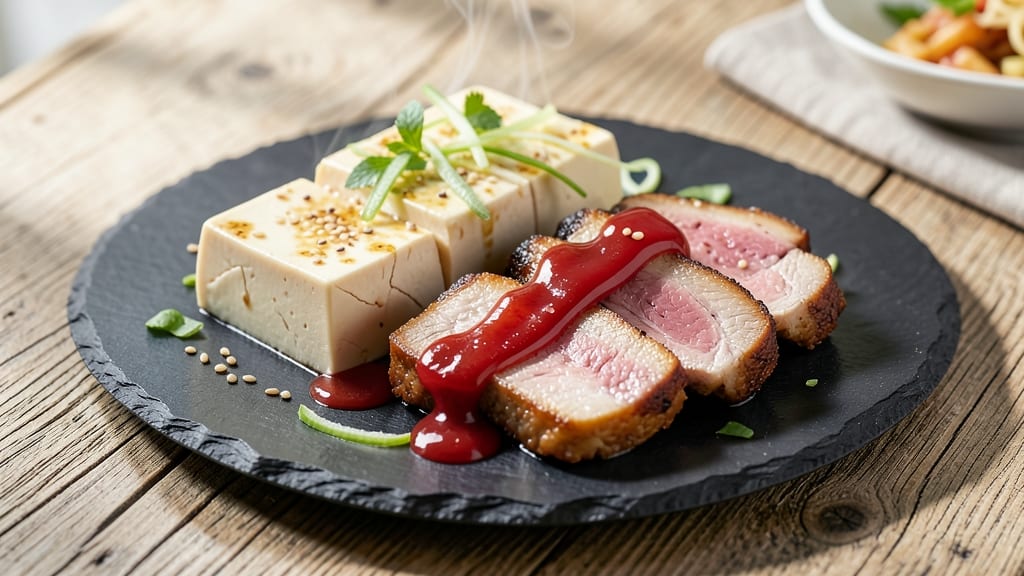
This bean curd and pork recipe transforms humble ingredients into a restaurant-worthy stir-fry that balances silky tofu with tender pork. 💛 The secret lies in a two-step marinade—one for the pork to develop deep savory notes, another for the bean curd to absorb just enough flavor without losing its delicate texture.
I developed this dish after years of perfecting stir-fry techniques in Atlanta's bustling kitchens, where precision meets bold flavors.
The dish starts with thinly sliced pork marinated in a blend of soy, rice vinegar, and ginger—just long enough to tenderize without overpowering the meat. Meanwhile, the bean curd soaks in a lighter marinade of sesame oil and garlic, ensuring it stays plump and flavorful rather than soggy.
The stir-fry itself is all about timing: high heat for the pork to sear quickly, then adding the bean curd just before serving to maintain its signature silky bite.
What you'll end up with is a harmonious plate where each component shines—crisp edges on the pork, velvety bean curd, and a glossy sauce that ties everything together. The dish serves well over steamed jasmine rice or noodles, making it versatile enough for weeknight dinners or special occasions.
The balance of textures and flavors is what makes this recipe truly special.
Perfect for those who love bold yet refined Asian-inspired dishes, this recipe delivers restaurant-quality results with minimal effort. The technique is straightforward, but the flavors are anything but basic—ideal for impressing guests or treating yourself to a home-cooked meal that tastes like it came from a Charleston seafood market.
Let's get cooking!
Ingredients for bean curd and pork
Precision-cut pork and delicate bean curd transform into a restaurant-quality stir-fry with just 14 key ingredients.
| Ingredient | Amount | Notes |
|---|---|---|
| Extra-Firm Bean Curd (Tofu) 🧀 | 14 oz | Silken or firm tofu, pressed 15 mins |
| Boneless Pork Shoulder 🐷 | 1 lb | Thinly sliced against grain |
| Low-Sodium Soy Sauce 🥢 | ⅓ cup | Kikkoman preferred for depth |
| Rice Vinegar 🍶 | ¼ cup | Seasoned for subtle sweetness |
| Fresh Ginger 🌿 | 1 tbsp | Minced, aromatic variety |
| Sesame Oil 🫒 | 1 tbsp | Toasted for nutty aroma |
| Garlic Cloves 🧄 | 4 cloves | Minced, fresh preferred |
| Vegetable Oil 🫒 | ½ cup | High smoke point for searing |
| Jasmine Rice 🍚 | 1 ½ cups | Uncooked, long-grain |
| Green Onions 🧅 | 4 whole | Thinly sliced, white and green |
| Sesame Seeds 🌾 | 1 tbsp | Toasted for garnish |
| Red Chili Flakes 🌶️ | ½ tsp | Adjust for heat preference |
| Salt 🧂 | 1 tsp | Diamond Crystal preferred |
| White Pepper 🌶️ | ¼ tsp | Freshly ground for subtle heat |
The pork shoulder is non-negotiable for texture—look for well-marbled cuts at Whole Foods or your local butcher. Thinly slice against the grain for tenderness, and marinate for no more than 20 minutes to prevent over-softening. For bean curd, Hodo or Nasoya brands deliver the best silky texture; silken tofu works best for this delicate dish. Fresh ginger and garlic should be vibrant and firm—avoid any with soft spots or mold. The rice vinegar should be seasoned for subtle sweetness, not the plain variety.
No sesame oil? Avocado oil at half the amount works in a pinch, though it lacks the nutty depth. Substitute pork with chicken thigh for a lighter option, but increase marinade time to 30 minutes. For bean curd, extra-firm tofu pressed for 30 minutes is a solid alternative, though texture will differ slightly. The red chili flakes can be swapped for Sichuan peppercorn powder at one-quarter the amount for a numbing heat. Always toast sesame seeds in a dry pan for 30 seconds to maximize aroma—don't skip this step.
Marinated pork keeps 2 days in the fridge, while bean curd should be marinated and used immediately. Cooked rice reheats beautifully but loses texture after 3 days—portion into airtight containers for freshness. The stir-fry itself reheats best in a skillet with 1 tsp sesame oil over medium heat for 2-3 minutes. Garnish with toasted sesame seeds and green onions just before serving to preserve their vibrant colors. For meal prep, store components separately and assemble fresh for optimal texture.
Why You'll Love This Recipe
- One-Pan Magic: I swear by this recipe when I don’t want to wash a million dishes. The pork and tofu simmer together in the same pan—no extra bowls, no fuss—just a single sheet that does all the work while you sip your tea.
- Umami Bomb: That combo of soy sauce and ginger? It’s like flavor crack for your taste buds. The pork stays juicy while the tofu soaks up all the savory goodness, and the vinegar gives it this bright, tangy finish that makes you go back for seconds.
- Meals for Days: Between us, this is my go-to for lunchboxes or quick dinners. I’ll make a big batch on Sunday, and by Wednesday, I’m still eating it cold with rice—no reheating required. (Yes, even on a Tuesday night.)
- Budget Win: Pork shoulder and tofu are both wallet-friendly, and this recipe stretches them far. Honestly, I’ve fed four people for under $15 with leftovers that taste just as good the next day—no sad, dried-out scraps here.
Step-by-step instructions for silky tofu and savory pork stir-fry
Master this technique and you'll achieve perfect texture contrast—silky tofu and tender pork with a glossy, balanced sauce.
👨🍳 Step 1: Prepare the Protein and Press the Tofu
First, slice the 1 lb boneless pork shoulder against the grain into ¼-inch thick strips. This ensures each bite remains tender. Pat the slices dry with paper towels—moisture prevents proper searing.
For the 14 oz extra-firm bean curd (tofu), press it between two layers of paper towels under a heavy object for 15 minutes. This removes excess water and creates that signature silky texture. When pressed, the tofu should hold its shape when gently squeezed—this is your readiness indicator.
🔥 Step 2: Cook the Pork and Tofu Separately
Heat 0.25 cup vegetable oil in a wok or large skillet over medium-high heat until shimmering. Add the pork strips and cook for 3-4 minutes until they develop a golden crust and reach 160°F internally. Remove and set aside on a wire rack.
In the same pan, add another 0.25 cup vegetable oil and increase heat to medium-high. Add the pressed tofu and cook for 4-5 minutes until golden brown on all sides. The tofu should be firm but not rubbery—this indicates proper pressing and cooking. Transfer to a plate and tent with foil.
🍳 Step 3: Build the Flavor Base
Reduce heat to medium and add 1 tbsp sesame oil, 1 tbsp fresh ginger, and 4 cloves minced garlic to the pan. Sauté for 30 seconds until fragrant—you'll smell the garlic's sweetness and ginger's warmth. Add 0.5 tsp red chili flakes and cook for another 10 seconds to toast their flavors.
Pour in 0.33 cup low-sodium soy sauce and 0.25 cup rice vinegar, scraping up any browned bits from the bottom. Let the mixture simmer for 2 minutes until slightly reduced. This creates the sauce's foundational balance of umami and acidity.
🥘 Step 4: Combine and Finish the Stir-Fry
Return the pork and tofu to the pan, adding them back to the flavorful sauce. Toss everything together for 1-2 minutes until the tofu absorbs the sauce but remains silky, not mushy. The pork should heat through completely—it should reach 165°F when checked with a thermometer.
Remove from heat and stir in 1 tbsp toasted sesame seeds and 4 whole thinly sliced green onions. The sesame seeds add nutty crunch, while the green onions provide fresh contrast. Taste and adjust seasoning with 1 tsp salt and 0.25 tsp white pepper if needed.
🍚 Step 5: Serve Over Jasmine Rice
While the stir-fry rests, cook the 1.5 cups jasmine rice according to package instructions. For best results, use a rice cooker and fluff with a fork before serving. The rice should be tender with a slight bite—this complements the silky tofu and tender pork.
Divide the rice among plates and top with the tofu and pork stir-fry. Garnish with additional green onions and sesame seeds if desired. The dish should have vibrant colors—golden pork, silky white tofu, and bright green onions—with a sauce that clings beautifully to each component.
Pro Tips For Making Bean Curd And Pork
- CUT PORK INTO UNIFORM BITS: I used to eyeball it, but pork shoulder stays juicier when sliced into 1.5-inch cubes—big enough to hold shape but small enough to cook through evenly. If you’re impatient (like me), resist the urge to overchop; larger pieces render fat slower, keeping the meat tender.
- PRESS TOFU BEFORE FRYING: Extra-firm tofu still holds water—wrap it in a towel, place a heavy pan on top for 10 minutes, then pat dry. This step makes all the difference when frying; soggy tofu soaks up oil like a sponge, ruining the crispy texture you’re after.
- SALT THE PORK FIRST: Season the pork shoulder with 1 teaspoon salt before cooking—it draws out moisture, which caramelizes into flavor when seared. Skip this, and you’ll end up with bland, dry meat that needs extra sauce to compensate (which just masks the problem).
- USE GINGER JUICE, NOT PASTE: Fresh ginger paste has weird additives that can make the sauce slimy. Instead, grate it, then squeeze out the juice through a fine mesh strainer—just 2 teaspoons of liquid ginger adds bright, clean heat without the gummy texture. (Yes, it’s extra work, but your sauce will taste like it came from a restaurant.)
Flavor customization for this bean curd and pork
Spicy Sichuan Twist
Transform this dish into a fiery Sichuan masterpiece by adding 1 tbsp Sichuan peppercorn powder and 1 tsp doubanjiang (fermented chili bean paste) to the pork marinade. The numbing, tingling heat from Sichuan peppercorns pairs perfectly with the pork's richness.
For extra depth, stir in 1 tsp toasted sesame paste with the sauce base—this adds a complex, nutty dimension that balances the heat. Garnish with crushed dried chili peppers for visual drama and an extra kick. 🌶️
Sweet and Tangy Glaze
Crave a sweeter profile? Swap the rice vinegar for 0.25 cup honey and 0.125 cup mirin in the sauce, then add 1 tsp grated fresh ginger and 1 minced garlic clove to the pan. The glaze should reduce to a glossy consistency, coating the pork and tofu beautifully.
Finish with a sprinkle of toasted coconut flakes for a tropical twist that complements the umami flavors. This version works wonderfully with pineapple salsa on the side.
Umami Bomb Boost
Elevate the dish with a mushroom umami punch by adding 0.25 cup finely chopped shiitake mushrooms (fresh or rehydrated) to the flavor base. For extra depth, stir in 1 tsp fish sauce and 0.5 tsp oyster sauce when building the sauce.
The mushrooms add a meaty texture that enhances the pork's savory notes. For a vegetarian-friendly version, replace the pork with extra-firm tofu marinated in the same umami-rich sauce.
Herb-Infused Freshness
Brighten the dish with fresh herbs by adding 2 tbsp chopped cilantro and 1 tbsp chopped Thai basil to the stir-fry during the final toss. The herbs provide a vibrant contrast to the rich pork and tofu.
For a more robust flavor, marinate the pork in 1 tbsp lime juice along with the original marinade ingredients. This herb-infused version pairs beautifully with a side of mango avocado salad for a refreshing balance.
Smoky BBQ Fusion
Give this dish a Southern twist by adding 0.5 cup BBQ sauce (like Sweet Baby Ray's Original or St. Louis-style sauce) to the flavor base. Increase the rice vinegar to 0.5 cup to balance the sweetness.
For extra smokiness, add 0.5 tsp smoked paprika to the pork marinade. Serve over cornbread instead of jasmine rice for a true Southern-inspired meal. This fusion brings together the best of Asian stir-fry and American BBQ traditions.
Creamy Sesame Sauce
For a luxurious finish, stir 2 tbsp tahini and 1 tbsp soy sauce into the sauce base after reducing. Thin with 1 tbsp warm water to reach your desired consistency. The tahini adds a creamy, nutty richness that complements the silky tofu beautifully.
Garnish with extra sesame seeds and a drizzle of chili oil for a restaurant-worthy presentation. This version feels indulgent yet remains light and flavorful.
Nutrition facts
Frequently asked questions
Can I substitute pork shoulder with another cut?
For this recipe, pork tenderloin works beautifully as it's leaner and cooks faster. If using, slice it ⅛-inch thick and reduce cooking time to 2-3 minutes per side. For a richer flavor, try pork belly—score the fat in a crosshatch pattern and increase marinade time to 30 minutes to tenderize the fat layers.
How do I keep the bean curd from getting soggy?
Pressing is key! Use extra-firm tofu and press it for 15-20 minutes before cooking to remove excess moisture. When stir-frying, cook the bean curd separately from the pork for 4-5 minutes until golden—this creates a crisp exterior while keeping the inside silky. Add it back to the pan just before serving to prevent absorption.
What’s the best way to reheat leftovers?
Reheat in a skillet over medium heat with 1 tsp sesame oil for 2-3 minutes until warmed through. Avoid microwaving—the bean curd absorbs moisture and becomes rubbery. For extra flavor, add a splash of low-sodium soy sauce or rice vinegar while reheating. Store leftovers in airtight containers for up to 3 days.
Can I make this dish gluten-free?
Yes! Replace the soy sauce with tamari or a gluten-free soy sauce alternative. For extra umami, add 1 tsp coconut aminos to the marinade. Ensure your sesame oil and sesame seeds are certified gluten-free, as some brands process them in shared facilities. The dish remains just as flavorful!
Why does my pork turn out chewy instead of tender?
Chewy pork usually means it wasn’t sliced thinly enough or cooked at the wrong temperature. Always slice against the grain into ¼-inch strips and cook over medium-high heat until it reaches 160°F internally. Overcooking is the #1 culprit—remove pork when it’s just barely opaque, not fully white. Let it rest 2 minutes before serving to redistribute juices.