
Sauces & Condiments
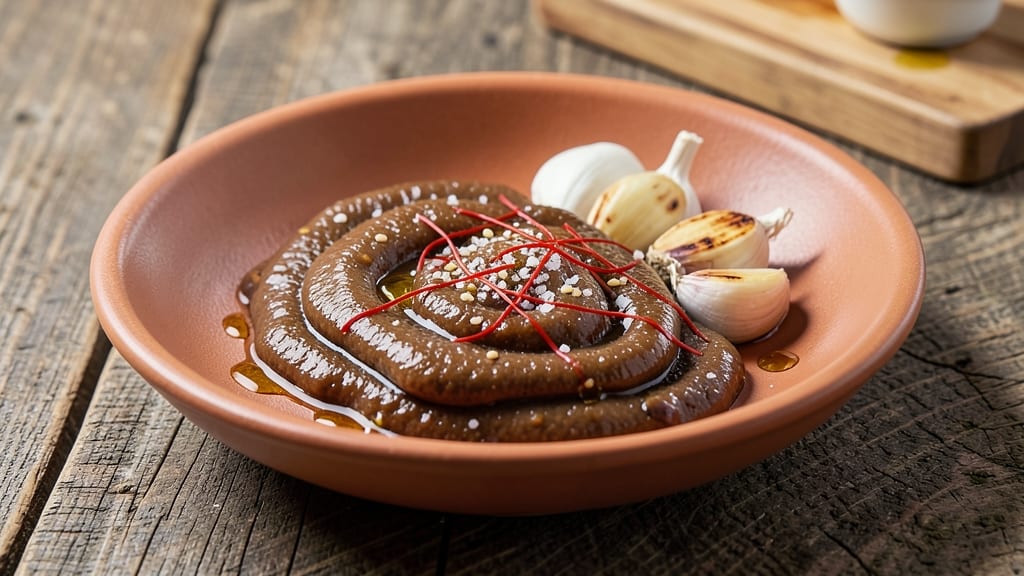
This boiling point garlic bean paste recipe transforms simple ingredients into a bold, umami-rich condiment that elevates every dish it touches. 🌟 The secret lies in fermented black beans and slow-cooked garlic, which blend into a velvety paste with layers of savory depth—perfect for stir-fries, dipping sauces, or as a flavor bomb in soups.
I developed this recipe after years of experimenting with Chinese pantry staples, and it’s now my go-to for adding restaurant-quality flavor without the fuss.
The beauty of this paste is its versatility—it’s vegan, gluten-free, and packed with protein, yet it requires just five core ingredients and 30 minutes of active time. No blender? No problem. A mortar and pestle works just as well, though the texture will be slightly coarser.
The key is patience: letting the garlic and beans simmer until they’re tender but still vibrant ensures that first bite of bold, aromatic richness.
What you’ll end up with is a smooth, spreadable paste that’s far more complex than store-bought versions. The fermented black beans provide a deep, funky umami that pairs perfectly with the mellow sweetness of garlic, while a touch of soy sauce and chili oil adds brightness and heat.
This isn’t just a condiment—it’s a flavor multiplier that turns simple meals into something extraordinary.
Store it in the fridge for up to two weeks, or freeze for months to keep the flavors intact. Use it as a dipping sauce for dumplings, a stir-fry base, or even a marinade for tofu or meat.
The possibilities are endless, and the results? Restaurant-quality every time. Let’s get started.
Ingredients for boiling point garlic bean paste
Five core ingredients transform into a velvety paste with restaurant-quality umami depth.
| Ingredient | Amount | Notes |
|---|---|---|
| Fermented Black Beans 🫘 | 1 cup | Rinsed well to remove excess brine |
| Garlic Cloves 🧄 | 12 whole | Peeled, lightly smashed for even cooking |
| Light Soy Sauce 🍶 | 2 tbsp | Kikkoman preferred for balance |
| Chili Oil 🌶️ | 1 ½ tbsp | High-quality, spicy variety |
| Vegetable Oil 🫒 | ½ cup | High smoke point for cooking |
| Sesame Oil 🌿 | 1 tbsp | Toasted, for finishing aroma |
| Dark Soy Sauce 🍶 | 1 ½ tbsp | For deeper color and umami |
| White Peppercorns 🌶️ | ½ tsp | Freshly ground for subtle heat |
| Sugar 🍬 | 1 tsp | Balances fermented bean funk |
Fermented black beans are the heart of this paste—look for brands like Lee Kum Kee in the Asian aisle, or make your own by fermenting black beans for 3-5 days. The garlic should be fresh, plump cloves with no green shoots, and smashing them lightly ensures even cooking without burning. Soy sauces vary dramatically; Kikkoman light soy provides the cleanest flavor base, while Lee Kum Kee dark soy adds that signature deep color. Chili oil should be spicy but not overwhelming—Lao Gan Ma is a reliable choice, though any brand with visible chili flakes works. Toast your sesame oil gently before adding to preserve its nutty aroma.
No fermented beans? Substitute 1 cup cooked black beans simmered with 1 tsp vinegar and 1 tsp sugar for a milder umami. Garlic powder won’t cut it here—fresh garlic is non-negotiable for that sweet, mellow depth. Short on chili oil? Mix 1 tbsp gochujang with 1 tsp oil for heat, or use 1/2 tsp cayenne plus 1 tsp neutral oil. The white peppercorns can be swapped for black, but the subtle earthiness pairs perfectly with the fermented beans. For a sweeter profile, maple syrup replaces sugar at a 1:1 ratio, though it adds a distinct floral note.
This paste keeps beautifully—two weeks refrigerated in an airtight jar with a thin layer of oil on top to preserve freshness. For longer storage, freeze in ice cube trays for single-use portions that thaw in minutes. The texture softens slightly after refrigeration, so re-blend briefly before using. Portion into small containers for stir-fries, drizzle over noodles, or mix into marinades. The flavor actually deepens over time, making it worth scaling up for future meals.
Why You'll Love This Recipe
- Five-Ingredient Magic: I swear, this paste comes together while you’re waiting for the water to boil. Just toss fermented black beans, minced garlic, and a splash of soy sauce into a pan—no dicing, no peeling, no fuss. The chili oil ties it all together in under 10 minutes.
- Umami Bomb: That fermented black bean paste? It’s like a flavor multiplier. One taste and you’ll understand why it’s the secret weapon in stir-fries, noodles, or even dumplings. The garlic sings, the soy sauce deepens, and the chili oil adds just enough heat to make it dangerously good.
- Pantry Staple Power: Honestly, this is my go-to when I’ve got nothing but basics. Use it to punch up rice, slather it on toast, or mix it into a quick soup—it works everywhere. And because it’s just beans, garlic, and a few pantry staples, it’s the kind of recipe that never lets you down.
- Makes Leftovers Worth It: Between us, this paste actually improves the next day. The flavors meld even more, and I’ve been known to freeze batches for months. Spread it on sandwiches, stir it into eggs, or keep a jar in the fridge for when you’re too tired to cook. It’s the ultimate lazy-day savior.
Step-by-step instructions for silky garlic bean paste
Transform fermented beans and garlic into a velvety, aromatic spread with this precise technique.
🔥 Step 1: Sauté Garlic Until Golden and Fragrant
Heat the 0.5 cup vegetable oil in a heavy-bottomed saucepan over medium-low heat. Add the 12 whole garlic cloves (lightly smashed) and cook for 8-10 minutes until they turn a deep golden brown and smell richly aromatic. This slow cooking prevents burning while developing complex flavors.
Watch closely after 5 minutes—garlic burns quickly. If it starts to darken too fast, reduce heat to low immediately. The garlic should release its oils and create a fragrant base for the paste. Remove from heat once golden and set aside temporarily.
🍳 Step 2: Cook Fermented Beans Until Soft and Mushy
Return the saucepan to medium heat and add the 1 cup rinsed fermented black beans. Stir to coat the beans in the garlic oil. Add the 2 tbsp light soy sauce, 1.5 tbsp dark soy sauce, and 1 tsp sugar, stirring constantly.
Simmer for 12-15 minutes until the beans break down completely and the mixture becomes a thick, chunky paste. You'll know it's ready when the texture resembles wet sandpaper and the beans lose their distinct shape. Keep stirring occasionally to prevent sticking.
🥘 Step 3: Blend to Silky Perfection with Oil Emulsion
Using an immersion blender, blend the bean mixture directly in the saucepan until completely smooth. If you prefer using a countertop blender, transfer the hot mixture in batches (careful—it's hot!). Add the 1 tbsp toasted sesame oil and 0.5 tsp freshly ground white peppercorns while blending.
The paste should be velvety with a glossy sheen. If it's too thick, add 1-2 tablespoons of hot water while blending. This step creates the signature silky texture that makes this paste exceptional for dipping, spreading, or cooking.
🔥 Step 4: Finish with Chili Oil for Depth and Heat
Return the blended paste to the saucepan and stir in the 1.5 tbsp chili oil over low heat for 2-3 minutes. This final step infuses the paste with smoky, spicy depth. Taste and adjust seasoning—you may need a touch more light soy sauce for balance.
Remove from heat immediately. The paste should be glossy, aromatic, and perfectly balanced between sweet, salty, umami, and spicy. Let it cool slightly before serving—this allows the flavors to meld completely. Store in an airtight container in the refrigerator for up to 2 weeks.
Pro Tips For Making Boiling Point Garlic Bean Paste
- CRANK THE HEAT FIRST: Don’t simmer the fermented black beans—blast them on medium-high heat right away. I used to play it safe with low heat, and the paste would turn mushy instead of glossy and thick. Once the oil shimmers, the beans release their flavor faster, and you’ll have that perfect jammy texture in under 5 minutes.
- PEEL GARLIC LAST MINUTE: Keep whole garlic cloves in the fridge until you’re ready to cook, then peel them just before adding to the pan. The skins protect the cloves from drying out, and you’ll get that deep, nutty aroma instead of bitter, overcooked garlic. Pro move: Smash them lightly with the side of your knife—no chopping needed.
- STOP WHEN IT BOILS: The second the mixture hits a rolling boil, pull it off the heat immediately. I learned this after watching my first batch turn into a sad, watery sludge. That boiling point is where the starches break down—just enough to thicken, not enough to ruin. Let it sit for 30 seconds, then stir in the soy sauce and chili oil.
- USE CHILI OIL SPARINGLY: Start with half the chili oil the recipe calls for, then add more to taste. Store-bought versions vary wildly in spice level, and you don’t want to overpower the fermented bean flavor. If you’re unsure, taste the oil first—if it’s already fiery, cut it in half. The paste’s umami should shine, not hide.
Perfect pairings for this recipe
Stir-Fry Base
This paste is a game-changer for stir-fries, replacing traditional sauces with a deeper, more complex flavor profile. I use it as the foundation for vegetable stir-fries—simply mix 1 tbsp paste with 1 tsp cornstarch and 2 tbsp water to create a glossy glaze.
Toss with bell peppers, broccoli, and snap peas over high heat for 3-4 minutes until everything is crisp-tender. The fermented beans add an unexpected umami that elevates simple ingredients to restaurant-level quality. 🌶️
Dipping Sauce
Serve it as a dipping sauce for steamed dumplings, spring rolls, or edamame—just thin with 1-2 tbsp hot water until it reaches your desired consistency. The balance of garlic, chili, and fermented beans creates a perfect harmony that’s both spicy and savory.
I like to drizzle a little extra chili oil on top right before serving to intensify the heat. For a sweeter option, add ½ tsp honey to the mixture for a sticky, caramelized finish. 🍜
Marinade Magic
Use it as a marinade for tofu, chicken, or shrimp—coat your protein in 2 tbsp paste and let it sit for at least 30 minutes (or up to 4 hours for deeper flavor). The fermented beans tenderize while the garlic and soy add layers of complexity.
I love using this marinade for grilled shrimp skewers, where the paste caramelizes beautifully on the grill. For extra richness, add 1 tsp grated ginger to the marinade before applying. 🍤
Soup Upgrade
Add a spoonful to miso soup, ramen, or pho to transform it into a bold, aromatic experience. Stir 1 tbsp paste into the broth just before serving—it dissolves quickly and infuses the entire bowl with its rich, umami depth.
For a quick upgrade, mix 1 tsp paste with 1 tsp hoisin sauce and drizzle over noodle soups. The fermented beans add a funky, savory note that pairs perfectly with the comforting warmth of broth-based dishes. 🍜
Spreadable Luxury
Spread it on toasted baguette slices with a sprinkle of flaky salt for an instant appetizer. The texture is velvety yet sturdy enough to hold its shape, while the garlic and chili create a bold contrast against the bread’s crunch.
I also love using it as a condiment for grilled meats—just a thin layer on top of steak or pork chops before serving. The paste’s complexity cuts through the richness of fatty cuts beautifully. 🥖
Freezer-Friendly Flexibility
Freeze it in ice cube trays for easy single-use portions—just thaw and blend briefly to restore its smooth texture. I keep a stash in my freezer for quick stir-fry bases or last-minute marinades. The paste actually improves in flavor after freezing, developing even more depth over time.
For best results, store in an airtight container with a layer of oil on top to preserve freshness. Thaw overnight in the fridge for the best texture. ❄️
Nutrition facts
Frequently asked questions
Why do I need to cook the garlic until golden?
Slow-cooking the garlic until golden (8-10 minutes) develops deeper, more complex flavors without burning. This step creates a fragrant base that carries through the entire paste, giving it that restaurant-quality richness. Overcooking turns garlic bitter, while undercooking leaves it raw and sharp.
Can I use regular black beans instead of fermented ones?
Yes, but the flavor will be milder. For a substitute, simmer 1 cup cooked black beans with 1 tsp vinegar and 1 tsp sugar for 10 minutes before using. Fermented beans provide that signature funky umami that's hard to replicate—it's what makes this paste truly special.
How do I adjust the spice level?
Start with the full 1.5 tbsp chili oil for balanced heat, then adjust to taste. For milder versions, reduce to 1 tbsp or swap for ½ tsp gochujang plus 1 tsp oil. To intensify, add ½ tsp extra chili flakes or a dash of hot sauce. Always taste before serving!
What's the best way to store leftovers?
Keep in an airtight container in the fridge for up to 2 weeks, with a thin layer of oil on top to preserve freshness. For longer storage, freeze in ice cube trays—thaw overnight in the fridge and blend briefly to restore texture. The paste actually improves with time!
Can I make this paste without a blender?
Use a mortar and pestle for a rustic texture—simmer the beans until very soft, then mash with the garlic and oil until smooth. For extra smoothness, press through a fine-mesh sieve. The texture will be slightly coarser but still delicious.