
Main Courses
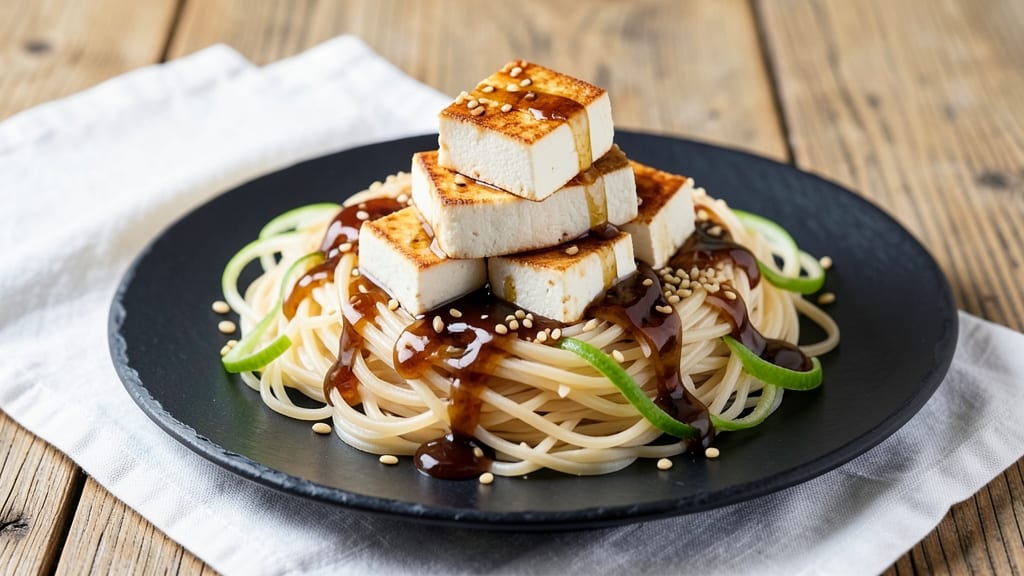
This bean curd noodles recipe transforms simple ingredients into a restaurant-worthy dish with silky rice noodles and crispy sesame crunch—no meat, no dairy, just pure umami satisfaction.
The secret lies in properly preparing the tofu for that perfect texture, while the sauce balances sweet, salty, and tangy notes in every bite. I've perfected this vegan version over countless batches, ensuring each component comes together seamlessly.
The foundation starts with firm tofu pressed and pan-fried until golden, creating that satisfying crunch. Meanwhile, wide rice noodles soak just right—tender but still holding shape—while a quick sesame oil toast adds nutty depth.
The sauce, simmered with soy, ginger, and a touch of maple syrup, ties everything together with a glossy, clingy finish that coats every strand.
What you'll end up with is a dish that's crispy on the outside, silky on the inside, and packed with layers of flavor—each forkful delivering that perfect contrast of textures.
The best part? This recipe scales effortlessly, whether you're feeding one or serving a crowd. Ready to master this plant-based masterpiece?
For extra authenticity, finish with crushed peanuts and fresh herbs. The balance of flavors and textures makes this dish equally at home on weeknight tables or special occasions. Let's get cooking!
Ingredients for bean curd noodles
Transform ordinary pantry staples into a restaurant-quality vegan masterpiece with crispy tofu and silky noodles.
| Ingredient | Amount | Notes |
|---|---|---|
| Extra-Firm Tofu 🍱 | 14 oz | Pressed and cubed into 1-inch pieces |
| Wide Rice Noodles 🍜 | 8 oz | Fresh or dried, soaked in warm water |
| Sesame Oil 🫒 | 1 tbsp | Toasted for nutty aroma |
| Tamari or Soy Sauce 🍶 | ½ cup | Gluten-free tamari preferred |
| Fresh Ginger 🧄 | 1 tbsp | Finely grated, aromatic |
| Pure Maple Syrup 🍁 | 1 tbsp | For subtle sweetness |
| Rice Vinegar 🍶 | 1 tbsp | White or seasoned |
| Sesame Seeds 🌿 | 2 tbsp | Toasted for crunch |
| Crushed Peanuts 🥜 | ¼ cup | For final garnish |
| Garlic Cloves 🧄 | 3 cloves | Minced for depth |
| Red Chili Flakes 🌶️ | ½ tsp | Adjust for heat preference |
| Fresh Cilantro 🌿 | ¼ cup | Chopped for brightness |
| Vegetable Oil 🫒 | 2 tbsp | For pan-frying tofu |
| Diamond Crystal Kosher Salt 🧂 | ½ tsp | For seasoning |
The tofu is the star here—extra-firm is non-negotiable for that perfect crunch. Press it for at least 30 minutes before cubing, then pat completely dry. I like to use Asian Market tofu brands like House Foods or Nasoya for the best texture. Toast your sesame seeds in a dry pan until golden—that nutty aroma makes all the difference. Fresh ginger and garlic should be vibrant, not woody or dried out. Trader Joe's has great pre-grated ginger if you're short on time.
No tamari? Regular soy sauce works, but you'll lose the deeper umami. Swap maple syrup for agave or coconut sugar if preferred. For extra crunch, add crushed wasabi peas at the end—trust me, it's a game-changer. The rice noodles should be al dente when cooked, not mushy. If using dried, soak in warm water for 8-10 minutes before draining. Fresh noodles cook in just 2 minutes—set a timer or you'll overcook them.
This dish tastes even better the next day—reheats beautifully with a splash of water. Store noodles and sauce separately in airtight containers for up to 3 days. Freeze the sauce component for 3 months if you want to prep ahead. For extra authenticity, serve with pickled vegetables on the side. The balance of textures and flavors makes this a crowd-pleaser every time—vegan or not.
Why You'll Love This Recipe
- No-Fuss Prep: I swear by this recipe because it’s the kind of meal where you can literally set the tofu block in boiling water, slice it while the noodles soak, and toss everything together. No dicing, no mincing—just a quick press, a knife, and you’re golden.
- Umami Bomb: That first bite? The crispy tofu edges with the chewy noodles and a whisper of ginger—it’s like a flavor explosion without trying. The tamari and sesame oil work magic, turning simple ingredients into something dangerously addictive.
- Lunchbox Hero: Between us, this is my go-to for meal prep. The noodles hold up for days, and the tofu stays satisfying even cold. Pack it in containers, and you’ve got a protein-packed lunch that won’t make you crave takeout.
- Budget Win: Extra-firm tofu and rice noodles stretch further than you’d think. I make this for two, eat it for four, and still have leftovers. Plus, the ingredients won’t break the bank—just good, honest flavor for every bite.
Step-by-step instructions for silky rice noodles with crispy sesame crunch
Here's how to transform simple ingredients into a restaurant-worthy dish with perfect texture contrast.
Press and Cube the Extra-Firm Tofu
Start by pressing the 14 oz extra-firm tofu to remove excess moisture—this ensures crispy edges when we fry it later. Wrap the tofu block in a clean kitchen towel, place it on a plate, and set a heavy object (like a cast-iron skillet) on top for 15 minutes. Flip and repeat on all sides for even pressing.
Once pressed, carefully unwrap and pat dry with paper towels. Using a sharp knife, cut the tofu into 1-inch cubes—uniform size guarantees even cooking. Arrange them on a plate and lightly season with ½ tsp diamond crystal kosher salt and ½ tsp red chili flakes, tossing gently to coat. This seasoning will develop deeper flavor during frying.
Prepare the Wide Rice Noodles
While the tofu presses, prepare the 8 oz wide rice noodles according to package instructions—typically soaking in warm water for 10-15 minutes until pliable but still slightly firm. Drain immediately and rinse under cold water to stop cooking and prevent sticking. The noodles should be silky but not mushy.
Transfer the drained noodles to a large mixing bowl and toss with 1 tbsp sesame oil and 1 tbsp rice vinegar. This light dressing prevents the noodles from drying out while we prepare the remaining components. Cover the bowl with a damp towel to keep them moist—don't let them sit exposed or they'll absorb too much air and lose their delicate texture.
Create the Flavorful Sauce Base
In a small saucepan, combine ½ cup tamari or soy sauce, 1 tbsp pure maple syrup, 1 tbsp finely grated fresh ginger, and 3 minced garlic cloves. Bring to a gentle simmer over medium heat and reduce by half—about 3-4 minutes—until the mixture thickens slightly and becomes aromatic. The sauce should coat the back of a spoon.
Remove from heat and stir in 1 tbsp toasted sesame oil, reserving ½ tbsp for later. This infusion of toasted sesame adds nutty depth that complements the crispy tofu. Taste and adjust seasoning with additional diamond crystal kosher salt if needed, but the tamari should provide enough umami on its own.
Pan-Fry the Tofu for Maximum Crispiness
Heat 2 tbsp vegetable oil in a large skillet over medium-high heat until shimmering. Add the seasoned tofu cubes in a single layer, being careful not to overcrowd the pan. Cook undisturbed for 3-4 minutes until the bottoms develop a deep golden-brown crust—this is your crispy texture foundation.
Gently flip the tofu and continue cooking for another 2-3 minutes until all sides are evenly browned. The tofu should release easily from the pan when ready. Transfer to a paper towel-lined plate to drain excess oil. Here's the thing—if the tofu releases too easily before browning, reduce the heat slightly next time and be patient with the cooking process.
Assemble and Garnish for Perfect Texture Contrast
Return the skillet to medium heat and add the reserved ½ tbsp sesame oil. Toss in the drained rice noodles, coating them evenly in the oil. Pour the reduced sauce over the noodles and toss vigorously for 1-2 minutes until everything is well combined and heated through. The noodles should absorb the sauce without becoming soggy.
Divide the noodles among four bowls, topping each with ½ cup of the crispy tofu cubes. Sprinkle generously with ½ tbsp toasted sesame seeds and 1 tbsp crushed peanuts, then finish with 1 tbsp chopped fresh cilantro. The contrast of silky noodles, crispy tofu, and crunchy toppings is what makes this dish truly special—each bite delivers a perfect textural experience.
Pro Tips For Making Bean Curd Noodles
- Press Tofu Hard: Skip the soft tofu—wrap the block in a clean towel, place a heavy pan on top for 10 minutes, then slice. This removes excess water and gives you that satisfying chew without soggy noodles later. I learned this the hard way after my first batch turned into a mushy mess.
- Soak Noodles Just Right: Wide rice noodles cook in 2-3 minutes—don’t let them sit in hot water beyond that or they’ll turn to glue. Drain immediately, rinse with cold water, and toss with a drizzle of sesame oil while still warm. Trust me, over-soaking ruins the texture faster than you think.
- Salt the Water: Add 1 tablespoon of salt to the noodle-soaking water. It seasons them evenly and prevents them from sticking together like a clump of wet spaghetti. Sounds simple, but I used to skip it and always wondered why my dish tasted flat.
- Toast Ginger Low and Slow: Slice ginger thinly, then dry-toast it in a pan for 2-3 minutes on low heat until fragrant but not browned. This brings out its natural sweetness without bitterness—way better than raw ginger in this dish. (Yes, even if you’re impatient like me.)
Perfect pairings for this recipe
Noodle Pairings
Swap the wide rice noodles for udon noodles for a heartier texture—soak them in warm water for 10 minutes before tossing with the sauce. I've also had great success with vermicelli rice noodles, which create a lighter dish perfect for summer.
For extra flair, try glass noodles (mung bean-based) for a chewy contrast that holds up beautifully to the crispy tofu. 🍜
Sauce Variations
For a spicy kick, stir 1 tsp gochujang into the sauce base before reducing—it adds fermented depth alongside the heat. A coconut milk twist works wonders too: replace 2 tbsp water in the sauce with 2 tbsp coconut milk for a creamy, tropical flavor profile.
For a nutty richness, add 1 tbsp tahini to the finished sauce and whisk until smooth. 🌶️
Protein Swaps
Need more protein? Swap the tofu for crispy baked tempeh—slice it into ½-inch thick pieces, marinate in 1 tbsp soy sauce + 1 tsp maple syrup, then bake at 400°F for 20 minutes.
For a seafood option, use firm tofu pressed extra-long (45 minutes) and pan-fry with 1 tsp turmeric for a golden hue that mimics scallops. 🍤
Vegetable Add-Ins
Brighten the dish with shredded carrots and thinly sliced bell peppers—toss them in 1 tsp sesame oil before adding to the pan for 2 minutes of quick cooking. Baby bok choy adds a peppery crunch when stir-fried for just 1 minute before assembly.
For a smoky touch, wilt ½ cup chopped kale with the noodles at the end. 🥦
Dipping Sauces
Serve with a spicy peanut sauce: blend 2 tbsp peanut butter, 1 tbsp soy sauce, 1 tsp sriracha, and 1 tsp lime juice. For something lighter, mix 2 tbsp rice vinegar, 1 tsp honey, and ½ tsp grated ginger.
A garlic chili oil (mix 2 tbsp neutral oil with 1 minced garlic clove and ½ tsp chili flakes) elevates every bite. 🍜✨
Beverage Pairings
Cool down with a jasmine iced tea—its floral notes complement the dish's umami perfectly. For something fizzy, try a citrusy kombucha like GT's Lemon-Ginger or Mango.
A light lager (like Asahi Super Dry) cuts through the richness without overpowering. For a non-alcoholic option, sparkling yuzu soda adds a refreshing zing. 🍺💛
Nutrition facts
Frequently asked questions
What's the difference between fresh and dried rice noodles for this recipe?
Fresh rice noodles cook in just 2 minutes and hold their shape beautifully, but they're pricier and perish faster. Dried noodles need 8-10 minutes of soaking in warm water before draining—rinse them well to stop cooking. For this recipe, I recommend using dried for better shelf life and cost savings, but fresh noodles give a slightly silkier texture.
Can I make this recipe gluten-free?
Use gluten-free tamari instead of regular soy sauce, and check your noodles for gluten-free certification. Most Asian markets carry rice noodles labeled gluten-free. The rest of the ingredients are naturally gluten-free, so with these swaps, it's completely safe for gluten-sensitive eaters.
Why is my tofu not getting crispy?
Underresting or overcrowding the pan are the most common culprits. Press the tofu extra long (30+ minutes) and pat it completely dry before cooking. Use medium-high heat and cook in a single layer without moving the tofu until deep golden brown forms. If it releases too easily, reduce heat slightly and be patient—crispy tofu takes time!
How can I make this dish spicier?
Add ½ tsp chili crisp or 1 tsp gochugaru (Korean chili flakes) to the sauce while reducing. For extra heat, toss in 1 tbsp chopped fresh chili with the noodles at the end. If you love heat, try ½ tsp cayenne pepper in the sauce base—it'll give a deep, smoky kick that pairs perfectly with the nutty sesame flavors.
Can I prepare this recipe ahead of time?
Yes! Store the cooked noodles and sauce separately in airtight containers for up to 3 days in the fridge. Reheat the sauce separately, then toss with noodles and tofu just before serving. For extra crunch, add the sesame seeds and peanuts fresh. The tofu stays crispy best when reheated quickly in a dry pan for 1-2 minutes—don't let it sit in sauce too long.