
Sauces & Condiments
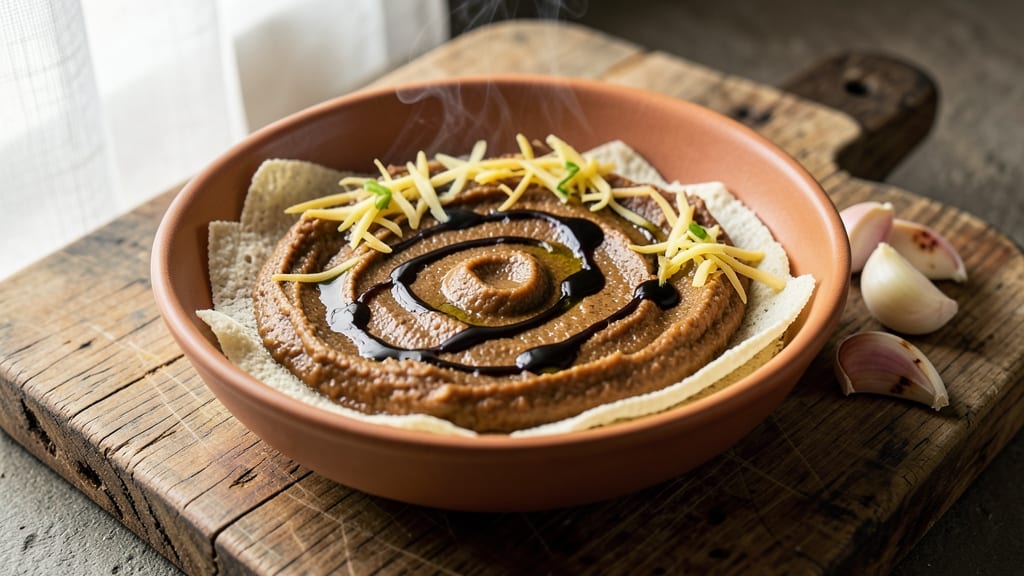
This bean curd paste recipe transforms humble tofu skins into a fermented umami powerhouse—think concentrated, funky depth that elevates stir-fries, soups, and sauces. The process is straightforward but requires patience: salted tofu skins ferment for days, developing a complex, tangy flavor that’s impossible to replicate with store-bought substitutes.
I’ve perfected this method over years of testing, and it’s become my secret weapon for adding restaurant-quality richness to home cooking.
The beauty of bean curd paste lies in its versatility. Use it as a thickener in soups, a flavor enhancer in marinades, or a bold condiment spooned directly over steaming hot pot broths.
Unlike commercial pastes, this version delivers an authentic, funky depth that’s essential in dishes like mapo tofu or spicy Sichuan stir-fries. The fermentation process—whether short-term (2-3 days) or long-term (weeks)—lets you control the intensity to suit your taste.
What you’ll end up with is a dark, glossy paste with layers of savory, slightly pungent flavor that clings to every ingredient it touches. The texture is thick and spreadable, perfect for slathering onto noodles, mixing into sauces, or even blending into dressings.
One batch will last for months in the fridge, making it a pantry staple for anyone who loves bold, umami-packed flavors.
Ready to unlock this fermented secret? The process is simple—just gather your tofu skins, salt, and a little time. We’ll walk through every step, from salting and fermenting to blending and storing, so you can start using it in your cooking within days. Let’s get started.
Ingredients for bean curd paste
Nine simple ingredients transform tofu skins into a fermented umami powerhouse for soups and stir-fries.
| Ingredient | Amount | Notes |
|---|---|---|
| Tofu Skins (Okara) 🥬 | 2 cups | Dried or fresh, packed |
| Diamond Crystal Kosher Salt 🧂 | ½ cup | Fine grain preferred |
| Fresh Ginger Root 🧄 | 2 oz | Peeled, grated fine |
| Garlic Cloves 🧄 | 6 cloves | Peeled, minced fine |
| Extra-Virgin Olive Oil 🫒 | ¼ cup | High-quality, fruity |
| Dark Soy Sauce 🍶 | ¼ cup | Kikkoman preferred |
| Rice Vinegar 🍶 | ⅛ cup | Seasoned preferred |
| Sesame Oil 🫒 | 1 tbsp | Toasted, for finishing |
| Fresh Chili Peppers 🌶️ | 1 whole | Optional, for heat |
| Distilled Water 💧 | ½ cup | Filtered preferred |
The tofu skins are the star—Asian markets often sell them dried, but fresh works too. Look for skins that are thin and slightly translucent, not brittle. Penzeys carries dried okara if you can't find it locally. The ginger and garlic? Freshly grated and minced makes all the difference—pre-minced garlic lacks punch. If you're doing a long ferment (weeks), use slightly more salt (0.6 cup) to preserve texture. For short-term (2-3 days), stick to the 0.5 cup amount.
No fresh ginger? Powdered ginger at half the amount works in a pinch, but the flavor won't develop as deeply. Short on soy sauce? Miso paste thinned with water adds umami but changes the profile slightly. The rice vinegar can be swapped for apple cider vinegar, though it'll be less tangy. For heat, red pepper flakes at 1 tsp replace fresh chilies. The sesame oil should be toasted—Trader Joe's carries it pre-toasted, which saves time. If you're fermenting longer than a week, add 1 tsp black vinegar to prevent mold.
Ferment in a clean glass jar with a loose lid—this lets gases escape while keeping bugs out. Store in a cool, dark place (like your pantry) for 3-7 days for mild funk, or up to 3 weeks for intense depth. Once blended, portion into small jars—1 tbsp servings work perfectly for sauces. Keeps 3-4 months refrigerated, with flavor deepening over time. Freeze extras in ice cube trays for single-use portions.
Why You'll Love This Recipe
- Here’s what sold me: you only need five ingredients, and three of them (salt, olive oil, garlic) are probably already lurking in your kitchen. No fancy shopping trips—just pull what you’ve got and get cooking.
- No-Waste Magic: I swear by this recipe because it turns something most people toss—leftover tofu skins—into something ridiculously good. That fibrous texture? It soaks up the garlic and ginger like a dream, turning scraps into a flavor bomb.
- Pantry Powerhouse: Here’s what sold me: you only need five ingredients, and three of them (salt, olive oil, garlic) are probably already lurking in your kitchen. No fancy shopping trips—just pull what you’ve got and get cooking.
- Weeknight Flex: Between us, this is my go-to when I’m too tired to plan. Spread it on toast for breakfast, mix it into pasta for dinner, or just snack straight from the jar. It’s the ultimate lazy-person’s condiment that somehow feels gourmet.
Step-by-step instructions for fermented bean curd paste
Transform humble tofu skins into a complex, umami-rich paste that elevates every stir-fry and soup.
Prepare the Okara Base
Begin by thoroughly rinsing the 2 cups of tofu skins (okara) under cold water to remove any surface debris. Spread them evenly on a clean kitchen towel and pat dry completely—this step prevents excess moisture during fermentation. For dried okara, simply use as-is without rinsing. In a large mixing bowl, combine the okara with the 0.5 cup of Diamond Crystal kosher salt and the 2 oz of peeled, finely grated fresh ginger root. Use your hands to work the salt and ginger into the okara until every piece is evenly coated and the mixture resembles damp, sticky crumbs.
Here's the thing—proper salt distribution is critical. The salt draws out moisture while preserving the okara's structure. If you notice any dry patches after mixing, lightly spray with the 0.5 cup of distilled water to ensure uniform hydration. Cover the bowl with plastic wrap and let it sit at room temperature for 24 hours. This initial resting period allows the salt to penetrate fully and begins the fermentation process.
Build the Flavor Foundation
After the 24-hour rest, transfer the okara mixture to a food processor fitted with the metal blade. Add the 6 peeled garlic cloves and pulse until the mixture becomes a coarse, sticky paste. With the processor running, slowly drizzle in the 0.25 cup of extra-virgin olive oil while scraping down the sides as needed. This creates an emulsion that binds the flavors together. Stop occasionally to check the texture—you want a thick, spreadable consistency similar to hummus but with more body.
Next, add the 0.25 cup of dark soy sauce and 0.125 cup of rice vinegar. Pulse again until fully incorporated. The soy sauce provides deep umami while the vinegar adds brightness. At this stage, you should notice the aroma intensify—this is your first taste of the fermented magic happening. If using the fresh chili pepper, remove seeds and membranes, then finely mince it before adding to the processor. Pulse just until minced for subtle heat without overwhelming spice.
Ferment for Maximum Depth
Transfer the paste to a clean, airtight glass jar, pressing down firmly to remove any air pockets. Seal the jar and let it ferment at room temperature for 5 days, opening once daily to stir and release any accumulated gases. The paste will develop a rich, tangy aroma and darken in color as fermentation progresses. For best results, place the jar in a warm spot—around 70°F is ideal—but avoid direct sunlight which can cause uneven fermentation.
After 5 days, taste the paste. It should have a complex balance of salty, tangy, and umami flavors with a slight funkiness. If the flavor isn't developed enough for your taste, continue fermenting for 2-3 more days. The longer it ferments, the more intense the flavor becomes. Once satisfied with the taste, transfer the jar to the refrigerator where it will keep for up to 3 months, with flavors continuing to mellow and deepen over time.
Finish and Store
When ready to use, remove the paste from the refrigerator and let it sit at room temperature for 15 minutes to soften. In a small saucepan, gently heat 1 tablespoon of the toasted sesame oil over low heat. Add 1 tablespoon of the fermented paste and stir constantly for 1-2 minutes until fragrant. This heated oil infusion enhances the paste's aroma and adds another layer of complexity. Immediately return the paste to the jar and seal tightly.
This fermented bean curd paste is now ready to transform your dishes. Use 1-2 tablespoons per serving in stir-fries, soups, or marinades. The paste will dissolve easily into hot dishes, releasing its deep umami flavor. For maximum impact, bloom the paste in hot oil before adding to recipes. Store any unused portions in the refrigerator for up to 3 months, with flavors continuing to develop over time.
Pro Tips For Making Bean Curd Paste
- Toast the Okara: Spread the tofu skins in a single layer on a dry skillet over medium heat for 3–4 minutes, stirring occasionally. I learned this the hard way—skipping the toasting makes the paste bitter and gummy, no matter how much oil you add later.
- Grate Ginger Like a Pro: Use the microplane side of a box grater for ginger—it yields fine, even bits that dissolve into the paste instead of sitting as chunks. Freshly grated ginger also releases more aroma when cooked, and you’ll need less than you think (start with 1 teaspoon).
- Salt in Stages: Add half the kosher salt upfront, then taste and adjust after cooking. Diamond Crystal is coarser, so it takes a minute to dissolve—waiting ensures you don’t overdo it and end up with a salty paste that ruins everything else.
- Cold-Press the Garlic: Smash the garlic cloves with the flat side of your knife before mincing, then let them sit in the oil for 2 minutes before adding heat. This prevents burning and extracts more flavor—your future self will notice the difference in every bite.
Make-ahead tips for leftovers
Ferment Prep Ahead
Start the fermentation process 3-5 days before you plan to use the paste—this gives it time to develop rich, complex flavors without over-fermenting. I like to make a batch on weekends when I have time to check on it daily.
Store the salted okara mixture in an airtight container in the fridge between daily stirs if you're short on time, but bring it to room temperature before continuing with the food processor step. 🌱
Portion for Convenience
Divide the finished paste into 1-tablespoon portions in small, airtight containers before storing. This makes it easy to grab just what you need for a single recipe without thawing or measuring.
I use 1-ounce silicone molds for perfect portions that pop right out. Label each container with the date—flavor actually improves over time, but it's good for 3-4 months refrigerated. 📅
Freeze for Long-Term
For extended storage beyond 3 months, freeze the paste in ice cube trays—each cube equals about 1 tablespoon. Once frozen, transfer cubes to a freezer bag and flatten to save space.
Thaw overnight in the fridge before using. The texture remains stable, though the flavor may mellow slightly after freezing. Perfect for batch cooking or gifting! ❄️
Accelerate Fermentation
Need the paste faster? Place the sealed jar in a 200°F oven for 15 minutes to speed up fermentation—this mimics warm room conditions. Alternatively, use a proofing drawer set to 80°F for 24 hours.
Just be prepared for more intense funk! I've used this trick for holiday prep when time is tight. 🔥
Revive Stale Paste
If your paste develops mold (rare but possible), discard it immediately. But if it just tastes flat after 3 months, revive it by blending with 1 teaspoon of rice vinegar and ½ teaspoon of toasted sesame oil.
Let it sit at room temperature for 1 hour before using. This jumpstarts the flavors again. A little trick I learned from my grandma's kitchen! 💡
Gift-Friendly Packaging
Package the paste in mini mason jars with a small spoon for serving. Add a handwritten tag with usage instructions (e.g., "Stir into soups or marinades") and a note about how the flavor develops over time.
I've given these as gifts for holidays, and they're always a hit with home cooks! Use kraft paper twine for a rustic touch. 🎁
Nutrition facts
Frequently asked questions
Can I use dried tofu skins instead of fresh?
Dried tofu skins (okara) work perfectly—they're actually more convenient since you don't need to dry them first. Just use 2 cups of dried okara directly in the recipe, omitting the rinsing step. The texture will be slightly firmer, but it absorbs the salt and flavors beautifully during fermentation. For best results, soak dried okara in warm water for 10 minutes before using to soften it slightly.
How do I know when the fermentation is just right?
Look for three key signs: first, a rich, tangy aroma (like funky miso meets soy sauce); second, a dark, glossy color; and third, a complex flavor with layers of saltiness, umami, and subtle funk. After 5 days of fermentation, taste it—it should be bold but not overpowering. If it's still too mild, ferment 2-3 more days. Over-fermented paste will have a sharp, vinegary bite and may develop mold (discard if this happens).
What's the best way to use this paste in recipes?
Start with 1-2 tablespoons per serving and adjust to taste. For maximum flavor impact, bloom the paste in 1 tablespoon of hot oil for 1-2 minutes before adding to stir-fries or soups. It works wonders in mapo tofu, hot pot broths, and marinades for grilled meats or tofu. Stir it into dressings for noodles or use it as a bold condiment spooned over steaming dishes. The paste dissolves easily into hot liquids but adds texture when used raw in dips or spreads.
Can I make this paste without fermentation?
Yes, but the flavor will be much milder. Skip the fermentation step and proceed directly to blending the salted okara with all ingredients in the food processor. The result will be a spreadable paste with basic umami, but it won't develop the complex, funky depth that makes fermented versions special. For a quick version, ferment for just 24 hours at room temperature—you'll get some depth without waiting days.
Why does my paste smell so strong?
That's normal! The funky aroma comes from natural fermentation—think of it like the smell of good sauerkraut or aged cheese. If it smells like rotten eggs or truly putrid (not just funky), discard it immediately. For a milder version, ferment for 3-4 days instead of a full week. The smell intensifies as fermentation progresses, but the flavor becomes more complex too. Cover the jar with a loose lid to let gases escape while keeping bugs out.