
Soups & Stews
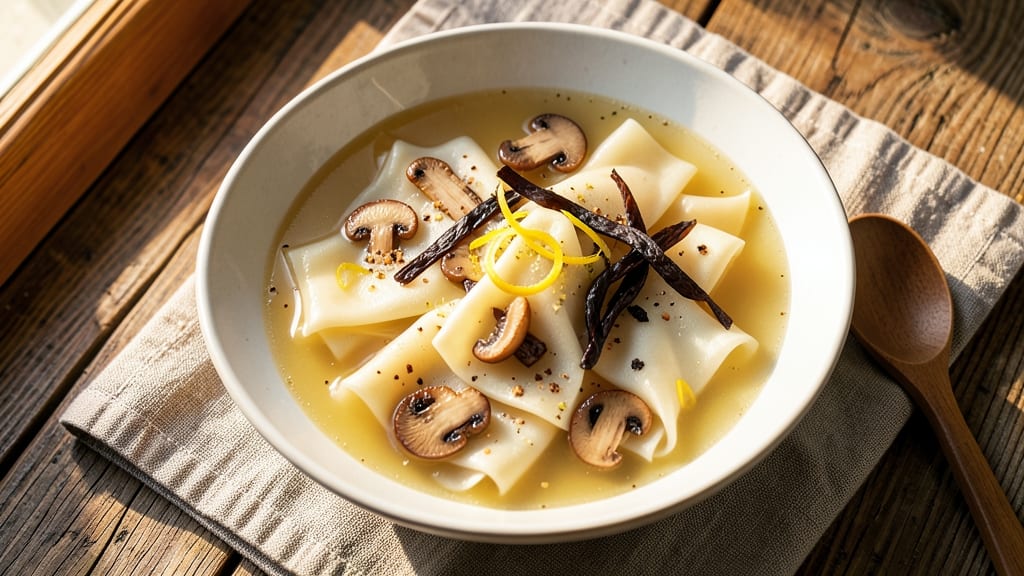
This bean curd sheet soup recipe transforms delicate tofu sheets into silky, miso-braised comfort with crispy edges—a plant-based masterpiece inspired by East Asian traditions. The secret lies in blanching the sheets just right, then simmering them in a rich umami broth until tender yet firm.
I developed this version after years of perfecting the balance between delicate texture and bold flavor, ensuring every spoonful delivers that satisfying contrast.
The foundation of this soup is a silky miso broth infused with ginger, garlic, and a touch of soy sauce, creating depth without overpowering. Unlike traditional versions that rely on meat, this plant-based adaptation uses mushrooms and kombu for umami richness, while the tofu sheets absorb the flavors beautifully.
The key technique? A quick blanching in hot water before simmering—this ensures the edges stay crispy while the centers remain tender.
What makes this soup truly special is its versatility—serve it as a light lunch or hearty dinner, depending on your toppings. Garnish with scallions for freshness, a drizzle of chili oil for heat, or crispy fried shallots for texture.
The aroma alone will draw everyone to the table, while the first bite delivers that perfect harmony of silky tofu, savory broth, and crispy edges.
Perfect for weeknight dinners or meal prep, this recipe scales easily and tastes even better the next day. The miso broth develops deeper flavor when reheated, making it ideal for leftovers.
Whether you're a seasoned home cook or new to plant-based cuisine, this bean curd sheet soup delivers restaurant-quality results with minimal effort.
Ingredients for bean curd sheet soup
Silky tofu sheets and umami-rich broth create this restaurant-worthy vegan comfort soup.
| Ingredient | Amount | Notes |
|---|---|---|
| Bean Curd Sheets 🧇 | 12 pieces | High-quality, thin-cut preferred |
| White Miso Paste 🧈 | ¼ cup | Aged 1-2 years for depth |
| Shiitake Mushrooms 🍄 | 8 oz | Fresh or rehydrated slices |
| Dried Kombu 🌿 | 1 piece | About 2x3 inches |
| Fresh Ginger 🧄 | 1 tbsp | Finely grated, aromatic |
| Garlic Cloves 🧄 | 4 cloves | Minced, not powdered |
| Low-Sodium Soy Sauce 🥄 | 1 tbsp | Kikkoman preferred |
| Vegetable Broth 💧 | 3 cups | Homemade or high-quality |
| Scallions 🧅 | 3 whole | Thinly sliced, for garnish |
| Sesame Oil 🫒 | 1 tsp | Toasted, for finishing |
| Toasted Sesame Seeds 🌾 | 1 tsp | For garnish |
| Chili Oil 🌶️ | 1 tbsp | Optional, for heat |
| Rice Vinegar 🍶 | 1 tbsp | For brightness |
| Diamond Crystal Kosher Salt 🧂 | ½ tsp | Adjust to taste |
| Granulated Sugar 🍚 | ½ tsp | Balances flavors |
The bean curd sheets are the star—look for high-quality, thin-cut varieties at Asian markets or specialty grocery stores. Hodo or Nasoya brands are reliable choices, but any firm, pale sheets work. Fresh shiitake mushrooms add depth, but dried slices rehydrated in hot water give the same umami punch. Kombu is non-negotiable for that oceanic richness; Koyo brand is widely available. For the ginger and garlic, freshly grated and minced delivers the best flavor—no shortcuts here. The miso should be aged 1-2 years for that complex, savory profile.
No shiitake mushrooms? Cremini or oyster mushrooms work in a pinch, but they won't have the same earthy depth. Substituting miso with soy sauce and a dash of sugar won't capture the same umami, but it's better than nothing. Vegetable broth should be homemade or high-quality store-bought—low-sodium options like Pacific Foods or Imagine brands are ideal. For the crispy edges, blanching the tofu sheets in boiling water for 30 seconds before simmering is crucial. The kombu strip can be rehydrated in cold water for 10 minutes if you prefer, but simmering it directly in the broth extracts more flavor. Skip the chili oil if you prefer a milder soup, but trust me on the sesame oil finish—it elevates everything.
This soup tastes even better the next day as flavors meld, so make a double batch for leftovers. Store in an airtight container in the fridge for up to 5 days or freeze for 3 months. Reheat gently on the stove, adding a splash of water if it thickens too much. The tofu sheets will soften further but remain tender. For meal prep, portion into containers with broth and garnishes separate—just reheat and assemble. Garnishes like scallions and sesame seeds can be added fresh when serving to maintain crispness.
Why You'll Love This Recipe
- Five-Ingredient Magic: I swear, this soup feels like a hug in a bowl. The kombu and miso do all the heavy lifting—just simmer them with water, and you’ve got a flavor base that’s actually worth drinking. No chopping, no fuss, just layer in the mushrooms and ginger while you wait.
- Umami Bomb: That white miso paste? It’s the secret weapon—deep, salty, and slightly sweet all at once. When it melts into the broth with the shiitakes and kombu, every sip tastes like a little flavor explosion. (Yes, even if you’re not a "mushroom person.")
- Weeknight Wonder: Between us, this is my go-to when I’m too tired to plan. Double the batch on Sunday, and you’ve got lunch for three days—no reheating drama, just warm, silky soup that tastes fresh every time. The bean curd sheets soak up the broth like a dream.
- Budget Meal Hero: I buy dried kombu and shiitakes in bulk, and they last forever. A pack of bean curd sheets feeds four for under $5, and the miso? A little goes a long way. It’s the kind of recipe that makes grocery bills feel less scary—without sacrificing taste.
Step-by-step instructions for silky miso-braised bean curd sheet soup
Master this delicate balance of crispy edges and velvety broth through precise timing and technique.
Prepare the Kombu and Mushroom Base
Rinse the dried kombu briefly under cold water to remove any debris, then place it in a clean pot with the 3 cups vegetable broth. Bring to a gentle simmer over medium heat—you'll see tiny bubbles form at the edges but shouldn't hear a rolling boil. Simmer uncovered for 10 minutes to infuse the broth with umami depth.
While the kombu steeps, clean the 8 oz shiitake mushrooms by brushing off dirt with a damp paper towel. Slice them into ¼-inch thick pieces and set aside. Remove the kombu from the broth after 10 minutes—discard it as it's served only once. The broth should now have a subtle oceanic aroma and pale golden color.
Build the Miso-Ginger-Garlic Foundation
Increase heat to medium-high and add the sliced shiitake mushrooms to the kombu-infused broth. Cook for 4-5 minutes until they release their moisture and begin to soften. Add the 1 tbsp finely grated fresh ginger and 4 cloves minced garlic, stirring constantly for 30 seconds until fragrant.
Reduce heat to medium-low and whisk in the 0.25 cup white miso paste using a heatproof spatula. The miso should dissolve completely into the broth, creating a smooth, glossy consistency. Here's the thing—don't let it boil or the miso will separate. If you see any lumps, strain the broth through a fine-mesh sieve into a clean pot.
Season and Prepare the Bean Curd Sheets
Return the strained broth to medium heat and add the 1 tbsp low-sodium soy sauce, 0.5 tsp Diamond Crystal kosher salt, and 0.5 tsp granulated sugar. Stir well to combine, then taste and adjust seasoning if needed. The broth should be savory with a subtle sweetness—this balance is crucial for the final dish.
While the broth simmers gently, prepare the 12 bean curd sheets by cutting each into 4 equal rectangles (about 2x3 inches each). You'll end up with 48 pieces total. Arrange them on a plate and drizzle lightly with 1 tsp sesame oil, tossing gently to coat. This step ensures they develop crispy edges when braised.
Braise the Bean Curd Sheets to Perfection
Working in batches to avoid overcrowding, add 6 bean curd rectangles at a time to the simmering broth. Gently press them down with a heatproof spatula to submerge completely. Cook for 2-3 minutes until the edges begin to curl and crisp slightly. You'll see them transform from translucent to opalescent with delicate golden edges.
Use a slotted spoon to carefully transfer the cooked bean curd pieces to a serving bowl. Repeat with the remaining batches, adding them to the broth as the first batch finishes. The broth should reduce slightly by this point, intensifying its flavor. If it becomes too thick, add ¼ cup hot water to maintain the proper consistency.
Finish and Serve with Crispy Garnishes
Once all bean curd sheets are cooked, return the broth to a gentle simmer. Stir in the 1 tbsp rice vinegar and 1 tbsp chili oil (if using), then taste again. The vinegar adds brightness while the chili oil introduces subtle heat. Remove from heat and let sit for 2 minutes to allow flavors to meld.
Divide the bean curd sheets among four bowls, ladling the silky broth generously over each portion. Garnish with 1 tsp toasted sesame seeds and ½ whole sliced scallion per serving. The contrast of crispy bean curd edges against the velvety broth, topped with aromatic sesame and fresh scallions, creates the perfect balance of textures and flavors in every bite.
Pro Tips For Making Bean Curd Sheet Soup
- SOAK KOMBU FIRST: Toss that dried kombu straight into cold water—it’ll take 10-15 minutes to rehydrate properly. I used to just drop it in boiling water, but now I let it soak first: the flavor’s deeper, and it won’t turn your broth bitter.
- SLICE MUSHROOMS THIN: Shiitake should be paper-thin—no thicker than 2mm. Thick slices stay chewy and undercooked. Use a sharp knife, hold the stem down, and slice from the cap outward. (Yes, it’s tedious, but your soup will thank you.)
- DON’T BOIL THE MISO: Once you stir in the white miso, keep the heat low. High heat kills the probiotics and burns the paste, turning your rich umami into a bitter aftertaste. Simmer gently—just enough to melt it, not scorch it.
- PREP GINGER RIGHT: Peel and slice ginger just before adding it—not hours ahead. Freshly cut ginger releases its oils and aroma instantly, while pre-sliced ginger turns watery and dull. A microplane works best for fine, even bits.
Pro cooking tips for this recipe
Blanching for Crispy Edges
This is the secret to perfect bean curd sheets—blanching them in boiling water for 30 seconds before braising. I use a small pot of water with ½ tsp salt per quart, bringing it to a full rolling boil. The blanching removes surface starches that would otherwise make the edges gummy.
After blanching, immediately transfer the sheets to ice water for 1 minute to stop cooking and set the texture. This step ensures those coveted crispy edges while keeping the centers silky. 🌟
Miso Temperature Control
Miso is delicate—it separates if boiled. After adding ¼ cup white miso paste, reduce heat to medium-low and stir constantly until fully dissolved (about 1-2 minutes). If you see any lumps, strain the broth through a fine-mesh sieve into a clean pot.
I prefer Hodo brand miso for its smooth texture, but any aged 1-2 years works. Pro tip: Whisk the miso with 1 tbsp broth first to create a slurry before adding it to the pot—this prevents clumping. ⚡
Batch Braising Technique
Never overcrowd the pot! Cook the bean curd rectangles in batches of 6 to maintain even heat distribution. Use a heatproof spatula to gently press them down—this ensures full immersion and even cooking. The edges should curl slightly after 2-3 minutes, signaling they're ready.
If you rush this step, the sheets will turn mushy. I like to work in a second pot if needed to keep the process efficient. 💡
Broth Consistency Secrets
The broth should coat the back of a spoon but remain silky, not gluey. If it thickens too much during braising, add ¼ cup hot water to restore balance. For extra depth, I sometimes add 1 tsp dried shiitake powder (blended from extra mushrooms) to the broth.
The kombu infusion is non-negotiable—it adds that oceanic umami that elevates the dish. Taste as you go, adjusting with rice vinegar for brightness or soy sauce for saltiness. ✨
Garnish Timing Matters
Add fresh garnishes right before serving to preserve their crispness. Toast the sesame seeds in a dry pan over medium heat for 1-2 minutes until fragrant, then sprinkle over each bowl. The scallions should be sliced thinly and added last for maximum freshness.
For heat lovers, drizzle with chili oil—I use Lao Gan Ma brand for its balanced spice level. The contrast of textures (crispy, silky, fresh) is what makes this soup extraordinary. 🌶️
Make-Ahead Pro Tips
This soup tastes even better the next day as flavors meld. Store in an airtight container in the fridge for up to 5 days or freeze for 3 months. Reheat gently on the stove, adding a splash of water if needed.
For meal prep, portion the broth and bean curd sheets separately—just reheat and assemble. The tofu sheets will soften slightly but remain tender. Garnishes can be added fresh when serving to maintain their crispness. 💪
Nutrition facts
Frequently asked questions
Can I use regular tofu instead of bean curd sheets?
Bean curd sheets have a completely different texture—thin, delicate, and perfect for crispy edges. Regular tofu would turn mushy in the broth. For a similar texture, try thin-cut silken tofu or tofu skin (available at Asian markets), but neither will replicate the same experience. If you're set on tofu, consider making a tofu miso soup instead.
How do I store leftovers to keep the bean curd sheets crispy?
Store the broth and bean curd sheets separately in an airtight container for up to 5 days. When reheating, warm the broth first, then add the tofu sheets for just 1-2 minutes to avoid overcooking. Garnishes should always be added fresh before serving to maintain their crispness. For freezing, freeze the tofu sheets separately in broth for up to 3 months—they'll soften slightly but stay tender.
What's the best way to make this soup spicier?
Start with the 1 tbsp chili oil called for in the recipe, then adjust to taste. For extra heat, add ½ tsp gochugaru (Korean chili flakes) to the broth while simmering, or stir in 1 tsp sriracha at the end. If you love fiery flavors, try 1 tsp doubanjiang (spicy fermented chili bean paste) when building the miso-ginger base. Always taste as you go!
Can I make this soup ahead of time for meal prep?
Yes! This soup actually tastes better the next day as flavors meld. Prepare it completely (including garnishes) and store in an airtight container in the fridge. Reheat gently on the stove, adding a splash of water if needed. For meal prep, portion the broth and tofu sheets separately—just reheat and assemble. Garnishes can be added fresh when serving to keep them crisp.
Why did my bean curd sheets turn rubbery instead of crispy?
Rubbery sheets usually mean overcooking or skipping the blanching step. Always blanch for exactly 30 seconds in boiling water before braising, then shock in ice water. Cook in batches of 6 for 2-3 minutes max—overcrowding or longer cooking time will make them tough. The key is gentle heat and proper timing.