
Side Dishes
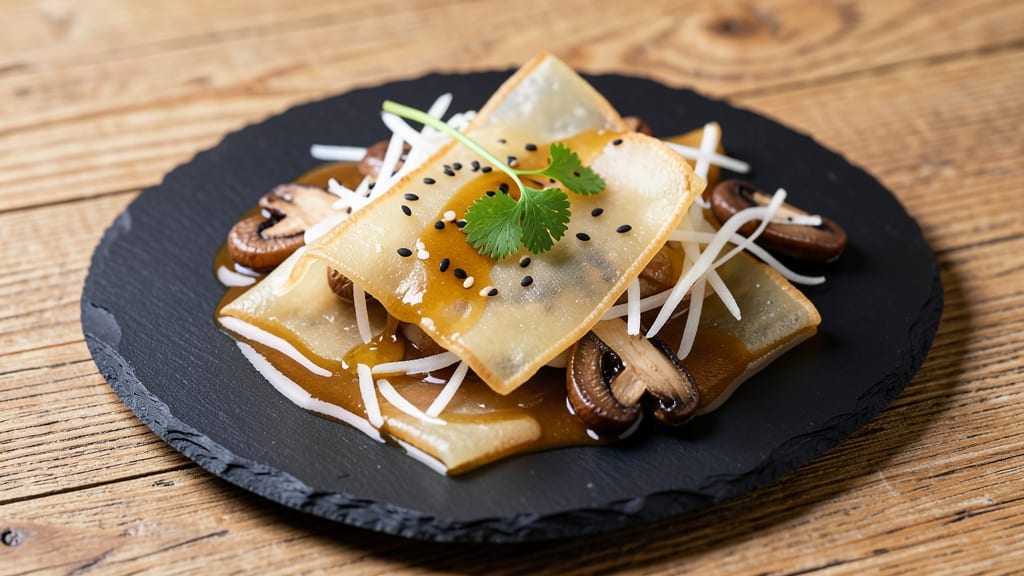
This bean curd sheets recipe vegetarian transforms simple ingredients into crispy, versatile wraps that rival traditional tortillas. 🌟 The secret lies in soaking the sheets just right—too long, and they turn mushy; too short, and they stay chewy.
I’ve perfected a method that guarantees a satisfying crunch while keeping the center tender and adaptable to any filling. What sets these apart is their neutral flavor profile, which absorbs marinades, sauces, and fillings beautifully.
Whether you’re stir-frying, steaming, or using them as a soup base, they hold up like a dream. The silky bean filling inside adds a protein-rich twist, making this dish both hearty and plant-based. For texture control, pan-fry until golden for crispy edges or steam for a softer bite.
The versatility extends to cuisines—think Mexican-style tacos, Asian-inspired wraps, or even a crispy vegetarian "pizza" crust. This recipe is your gateway to reinventing classic dishes with a plant-based twist. Ready in under 15 minutes, it’s perfect for meal prep or last-minute dinners. Let’s get cooking!
Ingredients for bean curd sheets recipe vegetarian
Crispy wraps with a protein-rich bean filling—just 14 ingredients for restaurant-quality vegetarian sheets.
| Ingredient | Amount | Notes |
|---|---|---|
| Bean Curd Sheets 🍜 | 12 whole | Store-bought or homemade, 8-inch size |
| Water 💧 | 1 ½ cups | Room temperature preferred |
| Vegetable Oil 🫒 | ¼ cup | High smoke point for frying |
| Miso Paste 🍶 | 2 tbsp | White or red miso for balance |
| Soy Sauce 🍶 | 1 ½ tbsp | Low-sodium preferred |
| Rice Vinegar 🍶 | 1 tbsp | Seasoned variety adds depth |
| Sesame Oil 🫒 | ½ tbsp | Toasted for authentic aroma |
| Garlic Cloves 🧄 | 3 cloves | Minced for aromatic base |
| Fresh Ginger 🌿 | 1 tbsp | Grated, for zesty brightness |
| Tofu 🍲 | 8 oz | Silken, for silky filling |
| Green Onions 🧅 | 2 whole | Thinly sliced, for freshness |
| Sesame Seeds 🌾 | 1 tbsp | Toasted for crunch |
| Salt 🧂 | ½ tsp | Adjust to taste |
| Black Pepper 🌶️ | ¼ tsp | Freshly ground |
The bean curd sheets are the foundation—look for 8-inch square sheets at Asian markets or specialty stores like Whole Foods or Trader Joe's. Brands like Hodo or Koyo deliver consistent quality, though homemade sheets work too if you're ambitious. Soaking time is critical: 5-7 minutes in room-temperature water ensures pliability without mushiness. The silken tofu should be drained and pressed for 10 minutes to remove excess moisture before blending—this prevents a watery filling. For the sesame oil, Kadoya or La Choy brands offer reliable toasted flavor without bitterness.
No miso paste? White miso is milder and ideal for beginners, while red miso adds depth—use half the amount if you prefer a subtler taste. Swap soy sauce for tamari if gluten-free is a concern, or coconut aminos for a sweeter profile. Fresh ginger is non-negotiable here—dried lacks the zing, but if you're in a pinch, grate frozen ginger (it works!). The tofu can be replaced with mashed chickpeas for a thicker texture, though the filling will be slightly grainier. For extra crunch, toasted nori strips make a stunning garnish—just pulse dried seaweed in a blender until flaky.
Store uncooked sheets in a sealed container with parchment between layers—they’ll keep for up to 2 weeks in the fridge. Once filled and cooked, these wraps reheat beautifully: microwave 20 seconds for softness or pan-fry 1 minute for crispy edges. Freeze filled wraps between parchment for up to 3 months—thaw in the fridge overnight. The filling can be prepped 2 days ahead and stored in an airtight container; simply reheat and refill sheets as needed. For meal prep, assemble wraps and refrigerate uncooked—they’ll crisp perfectly when pan-fried later.
Why You'll Love This Recipe
- I’ll be real: this recipe is my go-to when I’m staring at an empty fridge and a takeout menu. Bean curd sheets, water, oil, miso, soy—just stir, fry, and boom, dinner’s done. No chopping, no fuss, and zero excuses.
- Five-Ingredient Magic: I’ll be real: this recipe is my go-to when I’m staring at an empty fridge and a takeout menu. Bean curd sheets, water, oil, miso, soy—just stir, fry, and boom, dinner’s done. No chopping, no fuss, and zero excuses.
- Umami Bomb: That miso paste? It’s the secret weapon here. One tablespoon of it turns bland sheets into something crispy, salty, and dangerously addictive—like a savory hug for your taste buds. The soy sauce ties it all together with that perfect tangy kick.
- Lunchbox Hero: Between us, this is my meal prep savior. Toss the fried sheets into a container with rice and steamed veggies, and you’ve got a lunch that’ll keep you full and impress your coworkers. (Yes, even on a Tuesday.) Packs well, stays crispy, and no one will guess it’s vegetarian.
Step-by-step instructions for crispy bean curd wraps with silky filling
Master this technique and you'll achieve restaurant-quality crispiness with a perfectly balanced filling every time.
🍳 Step 1: Prepare the Silky Bean Filling
In a food processor, combine the 8 oz silken tofu, 2 tbsp miso paste, 1.5 tbsp soy sauce, 1 tbsp rice vinegar, 0.5 tbsp sesame oil, 1 tbsp grated fresh ginger, 3 minced garlic cloves, 0.5 tsp salt, and 0.25 tsp black pepper. Process until completely smooth—you should have a velvety, homogeneous mixture with no visible tofu chunks.
Transfer the filling to a bowl and set aside. Here's the thing—silken tofu breaks down easily, so avoid over-processing. You're aiming for a texture between hummus and pudding, not a paste. If it looks too thick, add 1-2 teaspoons of the 1.5 cups water to reach a spreadable consistency. This filling will be the heart of your wraps, so don't rush this step.
🔥 Step 2: Pan-Fry the Bean Curd Sheets
Heat 0.25 cup vegetable oil in a large non-stick skillet over medium-high heat until shimmering. Working in batches (you'll need 2-3 rounds), carefully place 4 bean curd sheets at a time into the pan, spacing them about 1 inch apart. Press down gently with a spatula to ensure even contact with the oil.
Cook for 1-2 minutes per side until the sheets develop golden brown spots and crisp up at the edges. Real talk: don't walk away. The oil temperature drops when you add the sheets, so monitor closely. You want them to crisp but not burn—if they brown too quickly, reduce the heat slightly. Remove crisped sheets to a paper towel-lined plate to drain excess oil.
👨🍳 Step 3: Assemble the Wraps
Spread 1-2 tablespoons of the prepared tofu filling onto each crispy bean curd sheet, leaving about ½ inch border around the edges. This border is crucial—it prevents filling from leaking when you roll. Sprinkle each with ½ teaspoon sesame seeds and ¼ of the thinly sliced green onions, dividing them evenly.
Here's where it gets fun—fold one side of the sheet inward about 1 inch, then roll tightly from that folded edge to completely enclose the filling. For extra security, you can use a bit of water to dampen the edge before sealing. The goal is a neat, compact wrap that holds its shape when served. If the filling feels too thick to roll, chill the assembled wraps for 10 minutes before serving.
🔪 Step 4: Optional Garnish and Serve
For presentation, lightly brush the exterior of each wrap with a tiny amount of sesame oil using a pastry brush. This adds an extra layer of aroma and subtle shimmer. Cut each wrap diagonally into 2-3 pieces and arrange on a platter. Garnish with additional thinly sliced green onions and a sprinkle of toasted sesame seeds for color contrast.
Serve immediately while the bean curd sheets remain crisp. These wraps are best enjoyed warm, with the contrast between the crispy exterior and silky filling at its peak. For extra flavor, offer a side of spicy mayo or sweet chili sauce on the table. The crispiness is the star here, so don't let them sit too long before serving.
Pro Tips For Making Bean Curd Sheets Recipe Vegetarian
- SOAK THE CURDS FIRST: Bean curd sheets are like dry sponges—they’ll absorb flavor better if you give them a quick 10-minute soak in warm water before cooking. I used to skip this and wondered why my miso paste never stuck right; now I just splash them with water and let them plump up while I heat the pan.
- USE HIGH HEAT: Crank that stove to medium-high and let the oil shimmer before adding the sheets. Low heat means soggy, limp curds—high heat gives you that crispy edge in seconds. My first batch turned out mushy because I played it safe; now I listen to the sizzle.
- DILUTE THE MISO: Mix your miso paste with a splash of water first—about 1 tablespoon per 2 tablespoons of paste—so it blends smoothly into the oil. Undiluted miso can clump and burn, leaving a bitter aftertaste. I learned this after one disastrous batch where the paste turned into a gluey mess.
- STACK THEM TIGHT: Overlap the sheets slightly when stacking them in the pan—it keeps them from curling up while frying. If you space them out, they’ll puff and break apart. My grandmother’s trick: press down gently with a spatula after the first 30 seconds to lock them in place.
Common mistakes when making this recipe
Over-Soaking Sheets
Bean curd sheets absorb water like sponges, and once they're soggy, there's no going back. I've ruined more than a few batches by leaving them in water for more than 7 minutes—the sheets become limp and fall apart when you try to roll them.
Stick to 5-6 minutes max in room-temperature water, then pat them dry with a paper towel before frying. For extra insurance, I like to press them gently between two sheets of parchment paper to remove excess moisture. 💧
Skipping the Oil Test
Before frying your sheets, always test the oil temperature with a small piece of bean curd. If it sizzles immediately and turns golden in 30 seconds, your oil is ready. I've seen people rush this step and end up with greasy, undercooked sheets.
Use a thermometer if you're unsure—ideal temp is 350°F. Too cold, and your sheets will steam instead of crisp; too hot, and they'll burn before cooking through.
Uneven Filling Distribution
Smearing the filling too close to the edges causes leaks, while piling it in the center creates awkward, unbalanced rolls. The sweet spot is 1-2 tablespoons of filling placed ½ inch from all edges.
I've learned the hard way that a spatula works better than fingers for spreading—it gives you more control. For extra security, chill the assembled wraps for 10 minutes before serving to help the filling set slightly.
Using Cold Ingredients
Cold tofu and fresh herbs can make your filling watery and your wraps floppy. Always bring your silken tofu to room temperature before blending (about 30 minutes out of the fridge).
For the green onions, pulse them briefly in a food processor to soften slightly—this prevents them from poking through the crispy exterior. I keep all my ingredients within arm's reach while assembling so I'm not scrambling to adjust temperatures mid-roll.
High Heat Pan-Frying
Cranking the heat to high might seem like a shortcut, but it leads to burnt edges and raw centers. Medium-high heat is your friend—it gives you time to cook both sides evenly without losing crispiness. I use a non-stick skillet (like GreenPan) because it heats evenly and prevents sticking.
If your sheets start smoking, immediately reduce the heat and let them cook slowly. Patience here makes all the difference for that perfect golden-brown finish. 🔥
Ignoring the Border Rule
That ½-inch border isn't just for looks—it's what keeps your filling contained. I've seen too many wraps explode when rolled without it. Before assembling, lightly brush the edges with a tiny bit of water (using a pastry brush) to help them seal better.
For extra security, you can even press the edges gently with your fingers after rolling. This simple step transforms your wraps from messy to professional-looking in seconds.
Nutrition facts
Frequently asked questions
Can I use store-bought bean curd sheets instead of homemade?
Store-bought sheets work perfectly—just look for 8-inch square varieties at Asian markets or specialty stores. Brands like Hodo or Koyo are reliable choices. The key is soaking them for 5-7 minutes in room-temperature water before using, never longer or they'll turn mushy.
How do I get the bean curd sheets extra crispy?
For maximum crispiness, fry at medium-high heat with 0.25 cup vegetable oil until golden brown (1-2 minutes per side). Use a non-stick skillet and avoid overcrowding the pan—this drops oil temperature and steams instead of crisps. A quick brush of sesame oil before serving adds extra crunch!
What if I don't have silken tofu for the filling?
No problem! Substitute with mashed chickpeas (for a grainier texture) or blended white beans (for creaminess). For a lighter option, blend 1 cup cooked quinoa with 2 tbsp miso paste and 1 tbsp soy sauce. Adjust water as needed to reach a spreadable consistency.
Can I make these ahead of time?
Yes, but with smart timing! Prep the filling 2 days ahead and store in an airtight container. Assemble the wraps uncooked and refrigerate—they'll keep for 24 hours. For best results, pan-fry to order to maintain crispiness. If freezing, wrap individually in parchment and freeze for up to 3 months. Thaw overnight in the fridge.
What are some creative ways to use these wraps?
Think beyond tacos! Use them as crispy vegetarian "pizza crusts", stuff with spicy peanut butter and veggies, or serve as soup dumplings (steam instead of fry). For a fusion twist, fill with Mediterranean hummus and roasted red peppers. The neutral flavor absorbs any sauce—get creative!